
In the modern digital economy, the path to financial literacy often begins with a smartphone. For many teenagers and young adults, Cash App has served as the primary gateway into the world of digital payments, peer-to-peer transfers, and basic money management. However, because users under the age of 18 require a “Sponsor”—typically a parent or legal guardian—to authorize their account, there comes a pivotal moment when the user seeks to “get out” of that parental oversight.
This transition is more than just a technical adjustment; it is a significant milestone in personal finance. Moving from a sponsored account to a standalone, independent account represents a shift toward full fiscal responsibility. This article explores the nuances of the Cash App sponsorship model, the practical steps required to gain financial autonomy, and how young adults can leverage their newfound independence to build a robust financial future.

Understanding the Framework of Sponsored Accounts
Before one can successfully navigate the transition to an independent account, it is essential to understand the underlying structure of the Cash App ecosystem for minors. Introduced to foster financial inclusion for those aged 13 to 17, sponsored accounts allow younger users to send and receive money, use a Cash Card, and even dabble in fractional stock investing—all under the watchful eye of an adult.
The Role of the Sponsor in Personal Finance
In the eyes of the law and financial regulators, individuals under 18 cannot enter into binding financial contracts. Therefore, a sponsor acts as the legal anchor for the account. The sponsor has the authority to view transaction histories, set spending limits, and even lock the account or card at their discretion. While this provides a safety net for those learning the ropes of digital spending, it also means the minor does not have full “ownership” of the financial data or the account’s legal standing.
Limitations and Boundaries of Teen Accounts
Sponsored accounts are intentionally restricted to protect both the minor and the sponsor. For instance, certain features like Bitcoin trading or more advanced investing tools may be limited depending on the sponsor’s settings or Cash App’s internal policies for minors. Understanding these boundaries is crucial for young users who feel they have outgrown the “training wheels” phase of their financial journey. The desire to “get out” of a parent’s Cash App is often driven by a need for privacy and the desire to access the full suite of adult financial tools.
The Step-by-Step Path to Financial Autonomy
The process of moving away from a sponsored account is primarily triggered by reaching the age of majority—usually 18 in the United States. Once a user turns 18, they are legally eligible to own a full-service financial account without custodial oversight. However, the transition is not always automatic and requires proactive steps to ensure a seamless migration of funds and identity verification.
Reaching the Age of Majority and Identity Verification
The most critical step in gaining independence on Cash App is verifying your identity as a legal adult. This process, often referred to as “Know Your Customer” (KYC), is a standard regulatory requirement in the fintech industry. When you turn 18, you should be prepared to provide:
- Your full legal name.
- Your date of birth.
- The last four digits of your Social Security Number (SSN).
- A government-issued photo ID (in some cases).
By submitting this information, you signal to the platform that you are ready to assume full legal responsibility for your transactions, effectively ending the need for a parental sponsor.
Terminating the Sponsorship Link
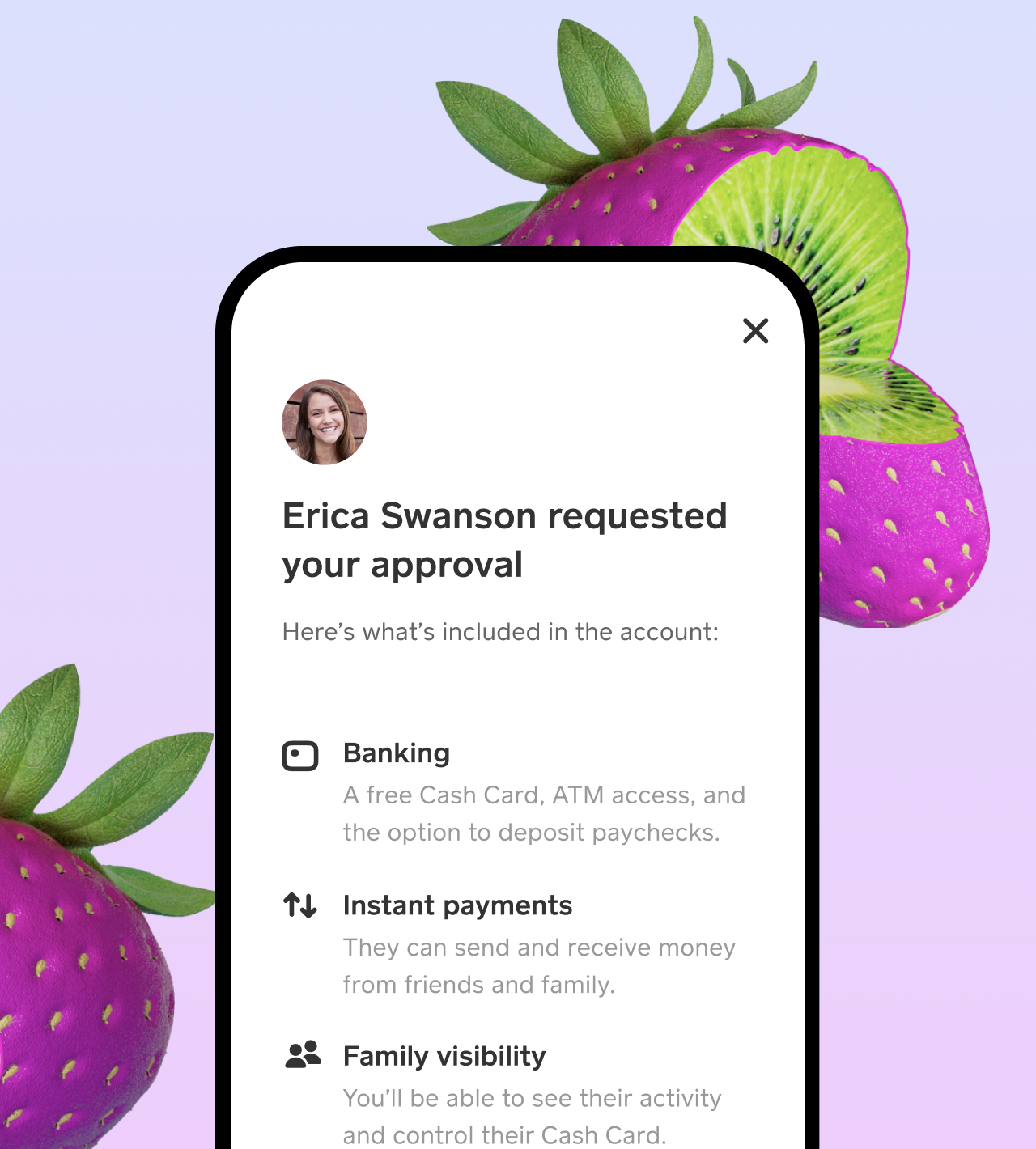
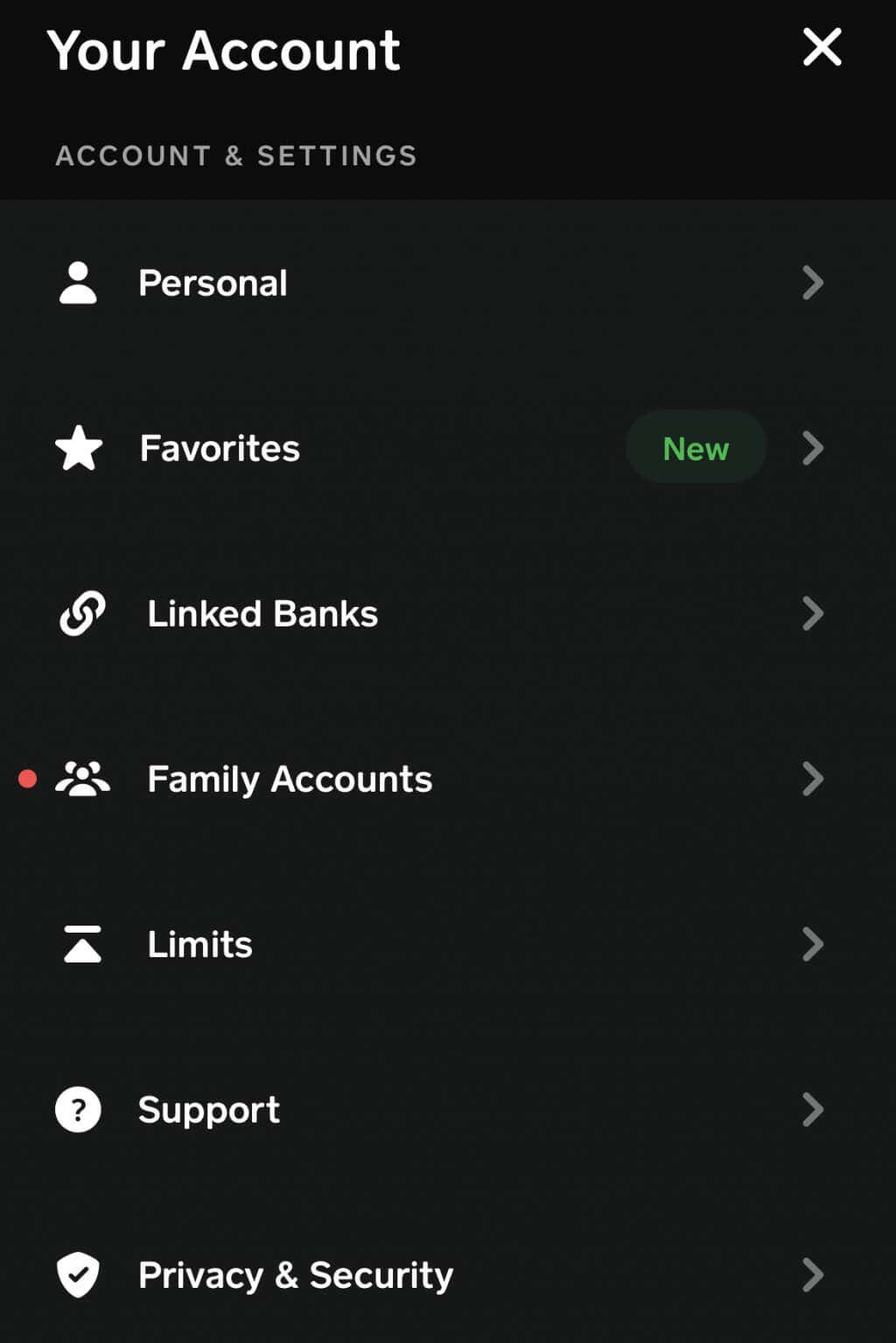
Once you have verified your identity, you can initiate the process of “unlinking” from your parent’s account. This usually involves navigating to the “Family” or “Sponsorship” section of the app settings. It is highly recommended that this be a collaborative process between the young adult and the parent. The sponsor may need to “approve” the cessation of sponsorship within their own app interface. If the relationship is harmonious, the sponsor simply releases their oversight, and the account converts into a standard, independent personal account.
Setting Up a Standalone Account vs. Upgrading
Some users prefer to start with a completely fresh slate by closing their sponsored account and opening a new one. While this provides a clean break, it can result in the loss of your $Cashtag—your unique identifier—and your transaction history. In most cases, it is more efficient to “upgrade” the existing account. This preserves your network of contacts and ensures that any recurring payments or direct deposits remain uninterrupted.
Managing Data and Security During the Transition
Transitioning to an independent account is the perfect time to audit your digital security and ensure that your financial data is protected. When you were under a sponsor, they likely had a degree of access to your activity. As you move to an independent model, you must take full control of your security protocols.
Protecting Your $Cashtag and Account Access
Your $Cashtag is your financial identity within the Cash App ecosystem. During the transition, ensure that your account is linked to an email address and phone number that you exclusively control. If your account was previously linked to a parent’s email for notification purposes, update these settings immediately. Enabling Two-Factor Authentication (2FA) is non-negotiable for an independent account; it ensures that even if someone discovers your password, they cannot access your funds without a secondary code sent to your private device.
Navigating Transaction Privacy
One of the primary motivators for “getting out” of a parent’s Cash App is the desire for privacy. In a sponsored account, the sponsor can see exactly where money is being spent. Once the account is independent, this visibility is severed. However, it is important to remember that while your parents can no longer see your transactions, the platform still maintains a record for regulatory and tax purposes. Young adults should practice “financial hygiene” by regularly reviewing their statements to ensure no unauthorized charges have occurred.
Building Your Financial Future Post-Sponsorship
Gaining independence from a parental Cash App account is just the beginning of a larger journey toward long-term wealth building. Now that you are in the driver’s seat, you can explore the more sophisticated financial tools that were previously out of reach.
Embracing Advanced Financial Tools
As an independent user, you now have access to features that can help your money grow. This includes:
- Direct Deposit: You can now have your paycheck deposited directly into Cash App, often receiving funds up to two days earlier than traditional banks. This is a foundational step in managing a steady income.
- Bitcoin and Investing: Independent users can buy, sell, and transfer Bitcoin, as well as invest in stocks with as little as $1. This allows for the early adoption of “dollar-cost averaging,” a proven strategy for building long-term wealth.
- Savings Goals: Cash App’s savings feature allows you to set aside money for specific objectives. Learning to “pay yourself first” by moving a portion of your income into savings is a hallmark of financial maturity.
The Importance of Credit and External Banking
While Cash App is a powerful tool for daily transactions, it should ideally be part of a broader financial strategy. As a young adult, you should consider linking your independent Cash App account to a traditional high-yield savings account or a credit-building tool. Cash App does not currently report your “spending” to credit bureaus, which means using it exclusively will not help you build a credit score. To truly “get out” and move toward complete financial freedom, use your independent Cash App as a hub for peer-to-peer transfers while utilizing other institutions to build your credit profile.
Tax Responsibility and the “Grown-Up” Reality
With independence comes the responsibility of taxes. If you use your independent Cash App for business purposes or if you earn significant gains from Bitcoin or stocks, you may receive a 1099-K or 1099-B form. Understanding that every financial action has a potential tax implication is a vital part of the transition. Being “out” of the parental account means that you—not your parents—are responsible for reporting this income to the IRS.
Conclusion
Getting out of a parent’s Cash App account is a symbolic “coming of age” in the digital era. It marks the transition from being a passive recipient of financial guidance to an active participant in the global economy. By understanding the legal requirements of identity verification, the technical steps of unlinking an account, and the security measures necessary to protect one’s assets, young adults can navigate this shift with confidence.
True financial independence is not just about removing a parent’s name from an app; it is about embracing the discipline, privacy, and strategic thinking required to manage one’s own resources. As you move into this new phase, view your independent Cash App account not just as a way to send money to friends, but as a foundational tool for your future financial success.
aViewFromTheCave is a participant in the Amazon Services LLC Associates Program, an affiliate advertising program designed to provide a means for sites to earn advertising fees by advertising and linking to Amazon.com. Amazon, the Amazon logo, AmazonSupply, and the AmazonSupply logo are trademarks of Amazon.com, Inc. or its affiliates. As an Amazon Associate we earn affiliate commissions from qualifying purchases.