
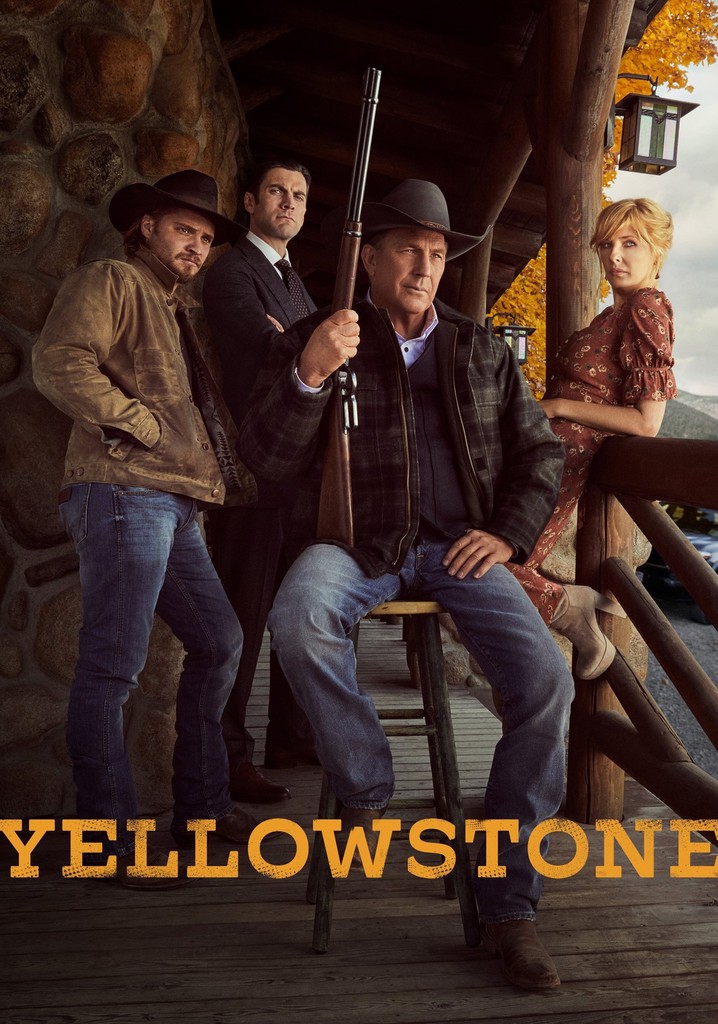
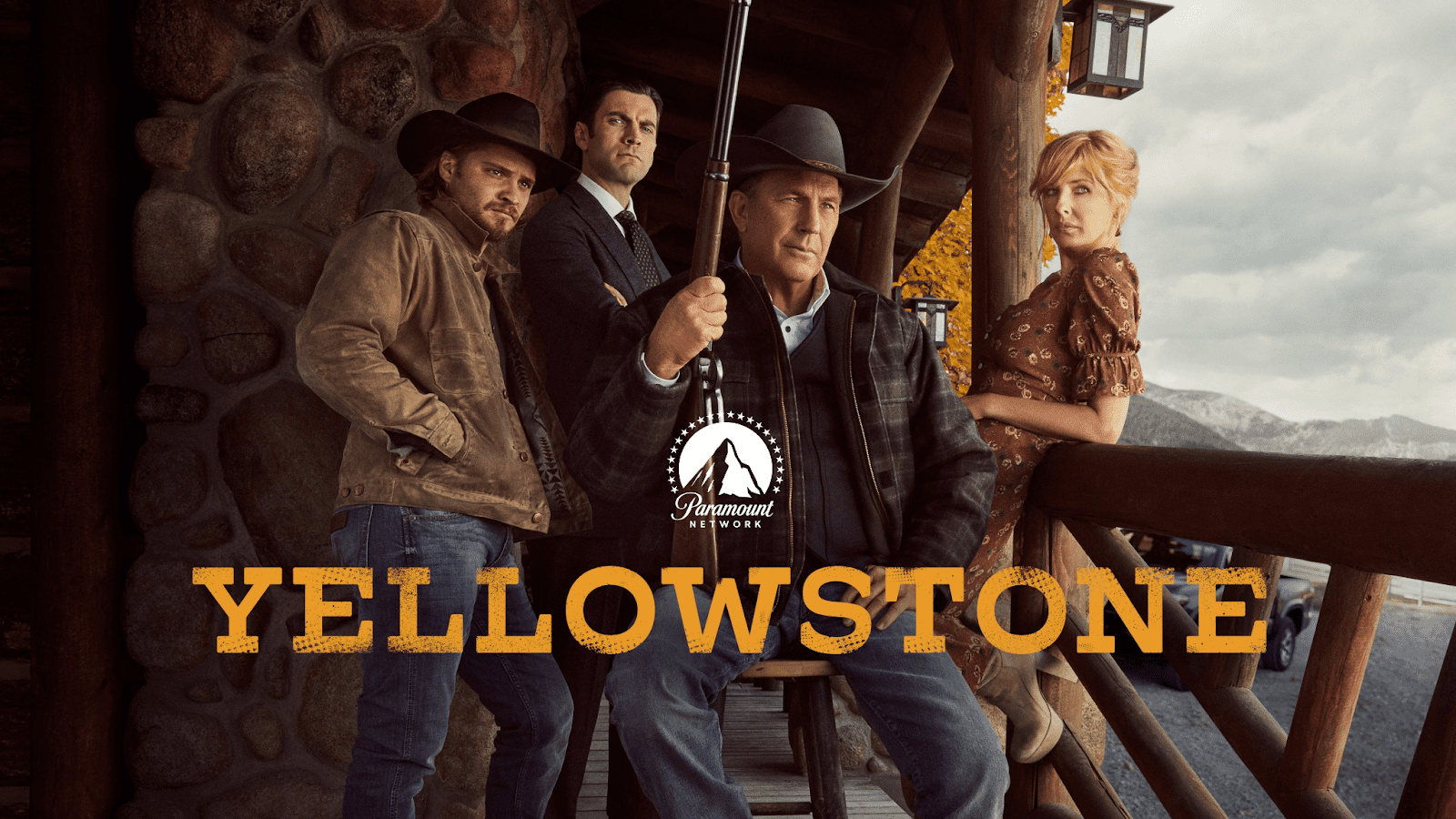
The modern streaming era was promised to be a solution to the bloated, complex world of cable television. However, as the digital landscape has matured, it has birthed a new set of complexities—primarily driven by fragmented licensing agreements and the technical architecture of content distribution. No series exemplifies this modern technical “glitch” better than Yellowstone.
Despite being a flagship production for Paramount Global, users often find themselves navigating a labyrinth of apps and subscriptions to find where the show actually lives. This article explores the technical distribution of Yellowstone, the software-driven licensing deals that dictate its availability, and how viewers can optimize their hardware and software setups to access the series.
The Streaming Paradox: Why Technical Licensing Dictates Availability
In the early days of the “Streaming Wars,” media conglomerates were quick to license their most valuable digital assets to the highest bidder, often before they had developed their own proprietary distribution tech. This created the “Paramount Paradox” that confuses thousands of users every month.
The NBCUniversal-Paramount Technical Deal
The primary reason Yellowstone does not stream on Paramount+ (the company’s own flagship app) in the United States is a legacy technical licensing agreement. Before Paramount+ (formerly CBS All Access) was fully realized as a global competitor to Netflix, Paramount Global licensed the domestic streaming rights of Yellowstone to NBCUniversal’s Peacock platform.
From a software and data management perspective, this means that while Paramount owns the IP (Intellectual Property), the digital “delivery pipes” are owned by Peacock. This contract remains in effect for the duration of the series’ run plus a specified window afterward, making it a permanent fixture of the current digital distribution map.
Digital Rights Management (DRM) and Geographic Geo-blocking
The availability of Yellowstone shifts dramatically when you cross digital borders. Because streaming apps utilize sophisticated geo-location technology and IP tracking, the “Who Streams It” answer changes based on your server location.
- United States: Peacock holds the exclusive SVOD (Subscription Video on Demand) rights.
- United Kingdom and Canada: Paramount+ holds the rights, as the legacy NBC deal did not extend to international technical infrastructure.
This fragmentation is managed through Digital Rights Management (DRM) protocols that ensure content is only served to authorized IP addresses within specific jurisdictions. For tech-savvy users, this highlights the role of Content Delivery Networks (CDNs) in managing how large-scale video files are cached and served globally.
Optimizing Your Access: Platform Availability and Technical Requirements
To watch Yellowstone, your choice of “software” (the streaming app) depends on whether you are looking for past seasons or live broadcasts of new episodes. The technical requirements for each differ significantly.
The Peacock Infrastructure (Seasons 1–5)
For those looking to binge-watch existing seasons, the Peacock app is the primary technical portal in the U.S. Peacock operates on a robust framework optimized for a wide variety of devices. To stream Yellowstone in high definition, Peacock recommends a minimum downstream connection of at least 5 Mbps, though 25 Mbps is preferred for 4K environments.
Peacock’s interface utilizes a proprietary recommendation engine and metadata tagging system that allows users to skip recaps and move seamlessly between episodes. However, it is important to note that the “Free” tier of Peacock rarely includes Yellowstone; it typically requires a “Premium” or “Premium Plus” technical subscription tier to unlock the full library.

Live TV Streaming Services (vMVPDs)
If you are looking to stream new episodes as they air, you move from SVOD (Subscription Video on Demand) to vMVPD (Virtual Multichannel Video Programming Distributor). These are apps that deliver “Linear Tech”—live television over the internet.
- Philo & Sling TV: These represent the “budget” end of the streaming software spectrum. They provide a streamlined UI focused on live feeds and cloud DVR functionality.
- YouTube TV & Fubo: These platforms offer a more robust technical backend, featuring multi-view capabilities and higher bitrate streams for live sports and high-action drama.
Video on Demand (VOD) and Digital Purchase Options
For users who prefer “Digital Ownership” over “Digital Access,” platforms like Amazon Prime Video, Apple TV (iTunes), and Vudu offer the series via VOD. Technically, this is a different delivery method. When you “buy” a season on Apple TV, you are granted a persistent license to stream the file from Apple’s servers. This often provides the highest possible bitrate and visual fidelity, as these platforms are less susceptible to the throttling that can occur during peak hours on traditional subscription apps.
App Compatibility and Hardware Integration
The quality of your Yellowstone experience is heavily dependent on the synergy between the streaming software and your hardware. Not all streaming apps are created equal across different operating systems.
Navigating the User Interface on Smart TVs
Most modern Smart TVs (Tizen OS for Samsung, WebOS for LG) have native apps for Peacock and Paramount Network. However, technical performance can vary. Native apps on older hardware often suffer from “UI Lag”—a delay between the remote command and the on-screen action.
To mitigate this, many power users opt for dedicated streaming hardware like the Apple TV 4K or the Nvidia Shield Pro. These devices feature dedicated processors (like the A15 Bionic) that handle the h.265 (HEVC) video decoding much more efficiently than a TV’s built-in processor, leading to smoother playback and faster app switching.
Mobile Optimization and Offline Viewing Tech
For users streaming on the go, the Peacock and Paramount apps utilize adaptive bitrate streaming (ABR). This technology detects your cellular signal strength in real-time and adjusts the video resolution to prevent buffering.
Furthermore, the technical “Download and Go” feature allows users to cache encrypted video files locally on their device. This is a sophisticated process where the app downloads a chunked version of the episode, which is then decrypted by a temporary local key that expires after a set period (usually 30 days or 48 hours after playback starts).
The Evolution of Streaming Tech: 4K, HDR, and Bitrate Considerations
As Yellowstone is known for its sweeping landscapes and high-production cinematography, the technical specs of your stream matter.
Maximizing Visual Fidelity
While many streaming platforms claim to offer “HD,” the actual quality is determined by the bitrate—the amount of data processed per second.
- Bitrate: A low-bitrate 1080p stream on a budget app may look worse than a high-bitrate 720p stream. VOD services (like buying the season on Apple TV) generally offer the highest bitrates, preserving the detail in the Montana landscapes.
- HDR (High Dynamic Range): To truly experience the show’s color palette, hardware supporting HDR10 or Dolby Vision is essential. This tech allows for a wider contrast ratio, ensuring that the shadows in the barn and the highlights of the sunset don’t “clip” or lose detail.
Audio Codecs and Immersive Sound
The technical side of Yellowstone isn’t just about the eyes; it’s about the ears. Most streaming platforms deliver audio in AAC or Dolby Digital Plus. However, if you are running your stream through a high-end AV receiver or a Dolby Atmos-enabled soundbar, you should ensure your streaming hardware is set to “Bitstream” or “Passthrough” mode. This allows the external hardware, rather than the streaming app, to handle the heavy lifting of audio decoding, providing a more immersive soundstage.
Conclusion: The Future of Content Distribution
The question of “who streams Yellowstone” reveals the current state of the tech industry: a landscape defined by fragmented ecosystems, complex licensing software, and a move toward high-fidelity hardware. While the “Paramount Paradox” remains a source of frustration for many, understanding the technical underlying reasons—from legacy licensing to DRM and geo-blocking—allows viewers to make better decisions about their digital toolset.
As we move forward, the trend suggests a “Great Rebundling,” where tech giants may eventually consolidate these licenses into more streamlined, user-friendly interfaces. Until then, the savvy viewer must remain a mini-CTO of their own living room, managing multiple apps, monitoring bitrates, and ensuring their hardware is optimized for the best possible experience in the wild world of the Dutton ranch.
aViewFromTheCave is a participant in the Amazon Services LLC Associates Program, an affiliate advertising program designed to provide a means for sites to earn advertising fees by advertising and linking to Amazon.com. Amazon, the Amazon logo, AmazonSupply, and the AmazonSupply logo are trademarks of Amazon.com, Inc. or its affiliates. As an Amazon Associate we earn affiliate commissions from qualifying purchases.