
The story of Tesla is often viewed through the lens of a single individual, yet its origins are rooted in a complex tapestry of corporate identity, visionary branding, and a radical departure from traditional automotive marketing. To understand who started Tesla is to understand more than just a list of names; it is to explore a case study in how a brand can transition from a niche engineering project into a global cultural phenomenon that redefined an entire industry.
The Original Blueprint: Martin Eberhard and Marc Tarpenning’s Vision
While the modern public consciousness often equates Tesla with Elon Musk, the brand’s foundational DNA was encoded by Martin Eberhard and Marc Tarpenning. In 2003, the automotive landscape was dominated by internal combustion engines, and electric vehicles (EVs) were largely dismissed as glorified golf carts. The founding of Tesla Motors was not just a technological pursuit but a strategic brand positioning move to prove that electric cars could be “cool,” high-performance, and desirable.
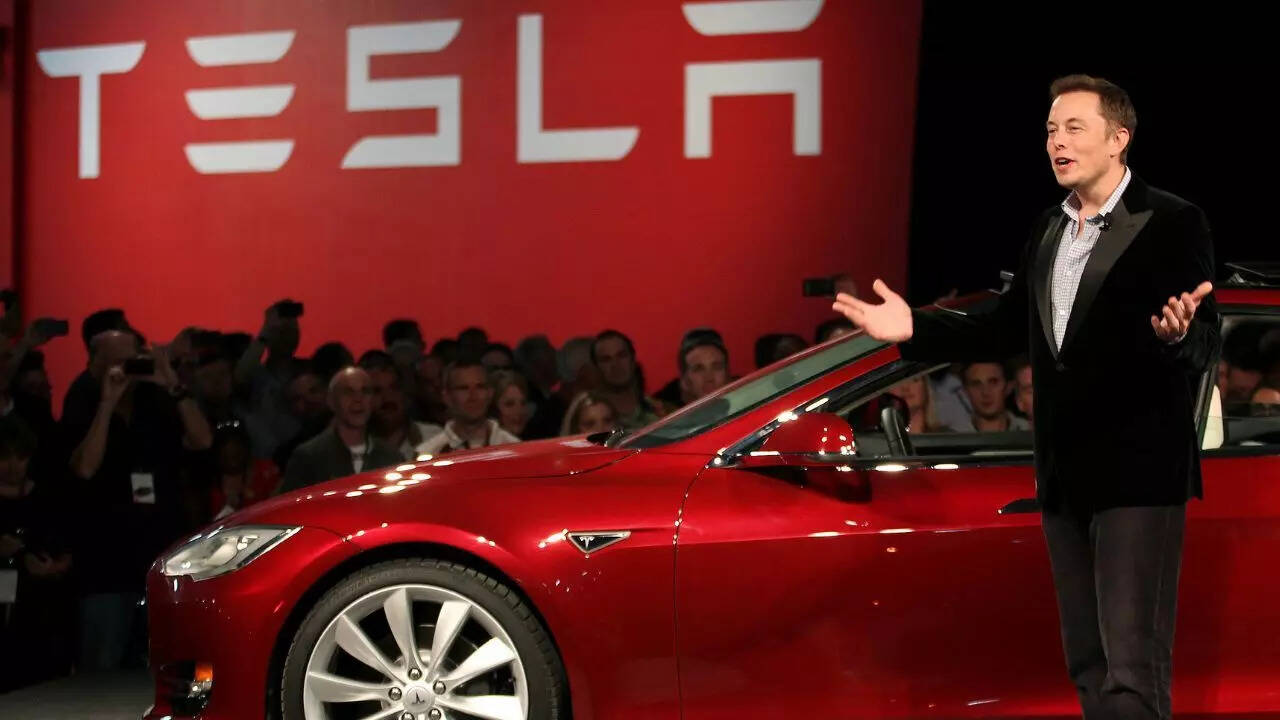
The Silent Architecture of the Roadster
Eberhard and Tarpenning recognized a massive gap in the market. They didn’t want to build a commuter car; they wanted to build a high-performance sports car. This decision was a masterstroke in brand strategy. By targeting the luxury segment first, they avoided the “economy car” stigma that had plagued previous electric efforts. The Roadster was designed to be a proof of concept—a brand ambassador that whispered “performance” rather than shouting “environmentalism.” This early focus on the “top-down” approach allowed the company to establish a prestige identity before attempting to scale for the masses.
Naming the Future: Why “Tesla”?
The choice of the name “Tesla” was a deliberate branding exercise. By naming the company after Nikola Tesla, the Serbian-American inventor and electrical engineer, the founders tethered their corporate identity to a legacy of genius and underdog brilliance. Unlike naming a company after a founder (like Ford or Chrysler), naming it after Tesla signaled a commitment to the fundamental science of electricity. It established a brand persona that was intellectual, forward-thinking, and slightly rebellious—a narrative that remains core to the company’s identity today.
The Pivotal Transformation: Elon Musk and the Rebranding of an Industry
In 2004, the trajectory of the Tesla brand changed forever when Elon Musk led the company’s Series A round of investment. While Eberhard and Tarpenning provided the initial spark, Musk provided the fuel and the visionary narrative that would eventually elevate Tesla from a car company to a global energy and technology brand.
From Investor to Identity: Musk’s Entry
Musk’s entry into Tesla was more than a financial injection; it was the beginning of a brand merger between a corporation and a personal brand. As Musk took a more active role, eventually becoming Chairman and then CEO, the brand began to take on his traits: high-risk, high-reward, and unapologetically ambitious. This period marked a shift in corporate identity. Tesla was no longer just about building a better car; it was about “accelerating the world’s transition to sustainable energy.” This mission statement became the North Star for the brand, moving it away from product-centric marketing toward a purpose-driven narrative.
The Master Plan: Defining a High-End Brand Persona
In 2006, Musk published “The Secret Tesla Motors Master Plan (just between you and me).” This blog post is one of the most significant documents in modern brand history. It transparently laid out the brand’s strategy:
- Build a sports car.
- Use that money to build an affordable car.
- Use that money to build an even more affordable car.
- While doing above, also provide zero-emission electric power generation options.
By sharing the plan, Tesla built an unprecedented level of brand loyalty and transparency. Customers weren’t just buying a vehicle; they were funding a revolution. This “Master Plan” served as a case study in how to build a brand community around a long-term vision.
The Five Founders and the Legal Definition of Corporate Identity
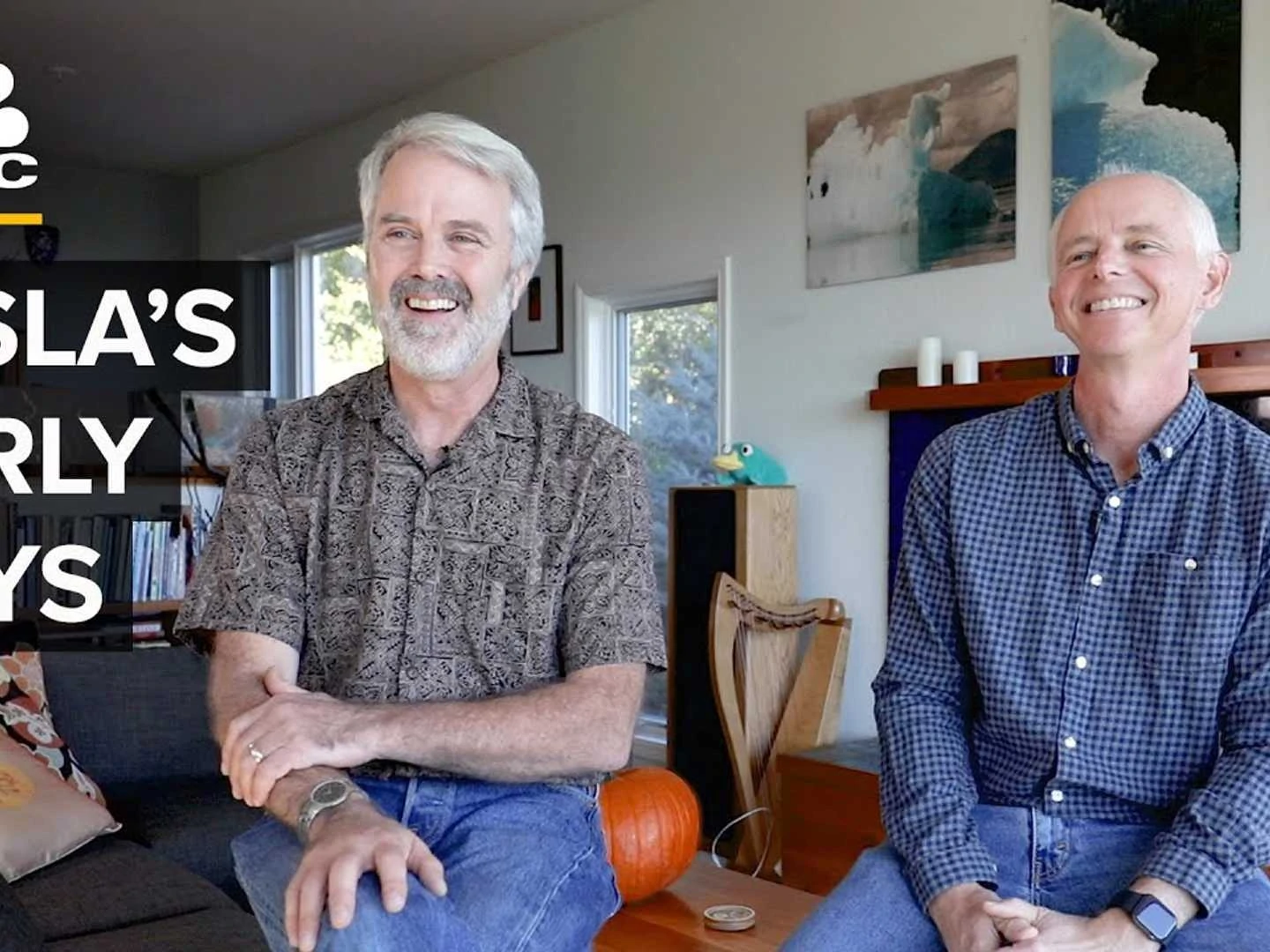
The question of “who started Tesla” eventually led to a significant legal and brand crisis. In 2009, a lawsuit between Martin Eberhard and Tesla resulted in a settlement that legally recognized five individuals as founders. This move was essential for the brand to maintain a unified front and a cohesive historical narrative.
The 2009 Settlement: A Shared Brand Legacy
The five officially recognized founders are Martin Eberhard, Marc Tarpenning, Elon Musk, J.B. Straubel, and Ian Wright. From a brand strategy perspective, this settlement was vital. It allowed the company to move past internal friction and present a “founding team” that represented various facets of the brand’s strength: engineering (Eberhard/Tarpenning), vision and capital (Musk), battery technology (Straubel), and specialized automotive development (Wright). This collective identity bolstered the brand’s image as a powerhouse of multidisciplinary innovation.
Straubel and Wright: The Unsung Heroes of Brand Viability
While Musk and Eberhard often dominated the headlines, J.B. Straubel’s role as Chief Technology Officer was crucial to the brand’s technical credibility. For a brand like Tesla, which promises superior range and safety, the “tech-first” identity was non-negotiable. Straubel’s work on battery management systems became a proprietary brand advantage. Similarly, Ian Wright’s early contributions ensured the vehicle’s performance metrics lived up to the “supercar” brand promise. Together, these founders created a holistic brand that satisfied both the emotional desires of consumers and the logical demands of engineers.
Brand Strategy: How Tesla Redefined Automotive Marketing
Tesla’s success is not just a result of its founding members but also its revolutionary approach to branding and marketing. In an industry where legacy automakers spend billions on traditional advertising, Tesla became a household name with a zero-dollar ad budget.
The Anti-Marketing Strategy
Tesla’s brand is built on exclusivity and direct engagement. By eschewing the traditional dealership model in favor of company-owned showrooms and an online-first sales approach, Tesla took complete control of the customer journey. This direct-to-consumer model is a hallmark of modern personal branding and corporate identity. Every touchpoint—from the minimalist website to the streamlined interior of the cars—reflects a cohesive brand aesthetic that mimics the high-tech, user-friendly experience of a Silicon Valley software company rather than a Detroit manufacturer.
Sustainability as a Luxury Status Symbol
One of the most profound achievements of the Tesla brand was its ability to reframe sustainability. Before Tesla, “green” products were often perceived as compromises. Tesla flipped the script by making the Model S faster, safer, and more technologically advanced than its gasoline counterparts. They turned environmental consciousness into a status symbol. This shift in brand perception created a “halo effect,” where owning a Tesla signaled that the driver was not only environmentally aware but also wealthy, tech-savvy, and ahead of the curve.

Conclusion: A Legacy of Disruption
The founding of Tesla is a story of colliding visions that ultimately created a singular, world-changing brand. While Martin Eberhard and Marc Tarpenning provided the initial spark and the original performance-based blueprint, Elon Musk and the other founders transformed that spark into a global movement.
Today, the Tesla brand stands as a testament to the power of a clear corporate identity. It is a brand that transcends the product it sells, representing a future where technology and sustainability coexist without compromise. Whether viewed as a tech company, a car manufacturer, or a clean energy pioneer, Tesla’s identity remains rooted in the audacious spirit of its five founders—a group that dared to challenge the status quo and, in doing so, rewrote the rules of brand strategy for the 21st century. Through legal battles, financial hurdles, and technological breakthroughs, the “Tesla” name has evolved from a tribute to a forgotten inventor into a global synonym for innovation.
aViewFromTheCave is a participant in the Amazon Services LLC Associates Program, an affiliate advertising program designed to provide a means for sites to earn advertising fees by advertising and linking to Amazon.com. Amazon, the Amazon logo, AmazonSupply, and the AmazonSupply logo are trademarks of Amazon.com, Inc. or its affiliates. As an Amazon Associate we earn affiliate commissions from qualifying purchases.