
The question of where Tesla motors and vehicles are made is no longer a simple matter of identifying a single factory floor in California. In the modern era of industrial technology, Tesla has redefined the concept of manufacturing, moving away from traditional assembly lines toward a concept Elon Musk famously calls “the machine that builds the machine.” Today, Tesla’s production footprint is a sophisticated, software-driven network of “Gigafactories” spread across three continents.
For the tech enthusiast, understanding Tesla’s manufacturing locations is a study in vertical integration, robotics, and the convergence of hardware and software. Each facility is not merely a building but a massive, interconnected piece of hardware designed to optimize the throughput of batteries, drive units, and the silicon carbide power electronics that define the Tesla experience.
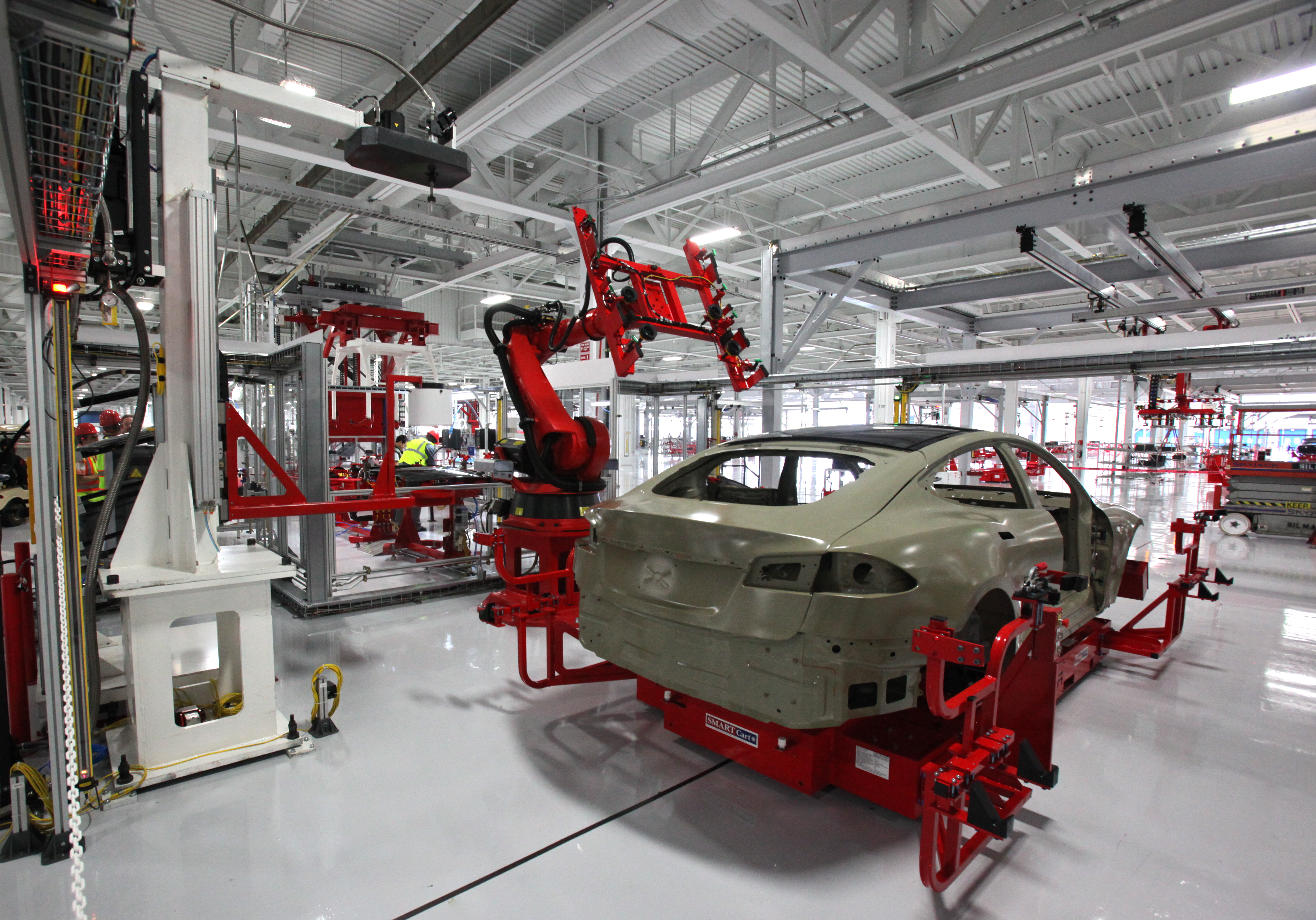
The Gigafactory Revolution: Reimagining the Factory as a Product
To understand where Tesla motors are made, one must first understand the “Gigafactory” philosophy. Tesla treats its manufacturing plants as products themselves, subject to the same iterative versioning as its vehicle software. Each new location represents a “version update” in industrial engineering.
Vertical Integration and the “Machine that Builds the Machine”
Unlike traditional legacy automakers that rely on a sprawling web of thousands of third-party suppliers, Tesla’s technological edge stems from its deep vertical integration. By manufacturing the majority of its components in-house—most notably the electric motors and battery packs—Tesla maintains a level of quality control and rapid iteration that is impossible for competitors.
In the tech world, this is analogous to Apple designing its own M-series chips rather than buying off-the-shelf processors. At Tesla’s production hubs, raw materials enter one side of the building, and finished high-tech machines exit the other. This integration reduces latency in the supply chain and allows for real-time hardware “hotfixes” without waiting for a model year change.
Software-Driven Production Lines
Tesla’s factories are among the most automated in the world. Utilizing a proprietary “Manufacturing Execution System” (MES), the company tracks every bolt, cell, and motor winding through a digital twin of the factory. This software layer allows engineers to identify bottlenecks in real-time. The robotics used in these facilities—ranging from KUKA robotic arms to Tesla’s custom-designed “Godzilla” robots—are orchestrated by complex AI algorithms to ensure sub-millimeter precision in the assembly of the vehicle’s powertrain.
North American Hubs: The Birthplace of the EV Movement
North America remains the heart of Tesla’s engineering and manufacturing operations. The transition from a niche tech startup to a mass-market juggernaut was fueled by three primary locations, each serving a distinct technological purpose in the production of Tesla’s drive units and vehicle bodies.
Fremont Factory: The Original Proving Ground
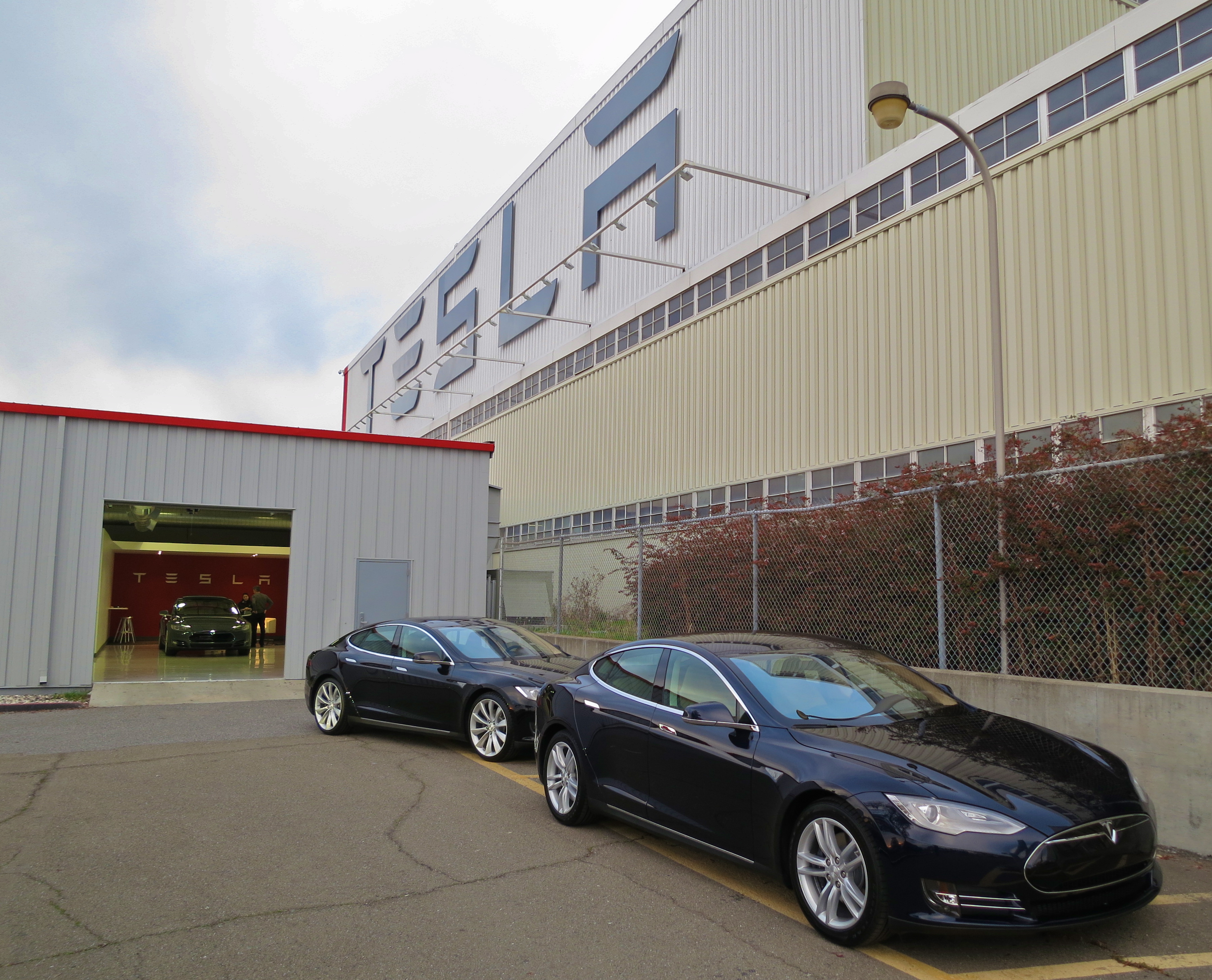
Located in the heart of Silicon Valley, the Fremont Factory is where Tesla’s journey began. While it is the only Tesla plant not built from the ground up by the company (it was a former GM/Toyota joint venture), it has been completely retrofitted with cutting-edge tech. Fremont currently produces the high-end Model S and Model X, as well as the high-volume Model 3 and Model Y.
Technologically, Fremont is unique because it manages the complexity of four different vehicle programs simultaneously. It houses massive stamping presses and an intricate paint shop that utilizes advanced chemical sensing technology to ensure finish consistency.
Giga Nevada: Powering the Powertrain
While the cars are often assembled in Fremont, the “brains and brawn”—the motors and battery packs—largely originate at Giga Nevada (Gigafactory 1). This facility represents a massive technological partnership between Tesla and Panasonic.
Giga Nevada is where Tesla’s proprietary electric motors are wound. The engineering behind these motors is a feat of material science, utilizing high-strength carbon-wrapped rotors to achieve the high RPMs required for Ludicrous and Plaid performance modes. This factory also serves as the primary hub for the production of the 2170 cylindrical battery cells, which are then integrated into the “skateboard” chassis of the Model 3.
Giga Texas: The New Frontier of Die-Casting
Tesla’s global headquarters in Austin, Texas, is home to the company’s most technologically advanced facility to date. Giga Texas is the birthplace of the “Cyberbackbone” and the revolutionary Cybertruck.
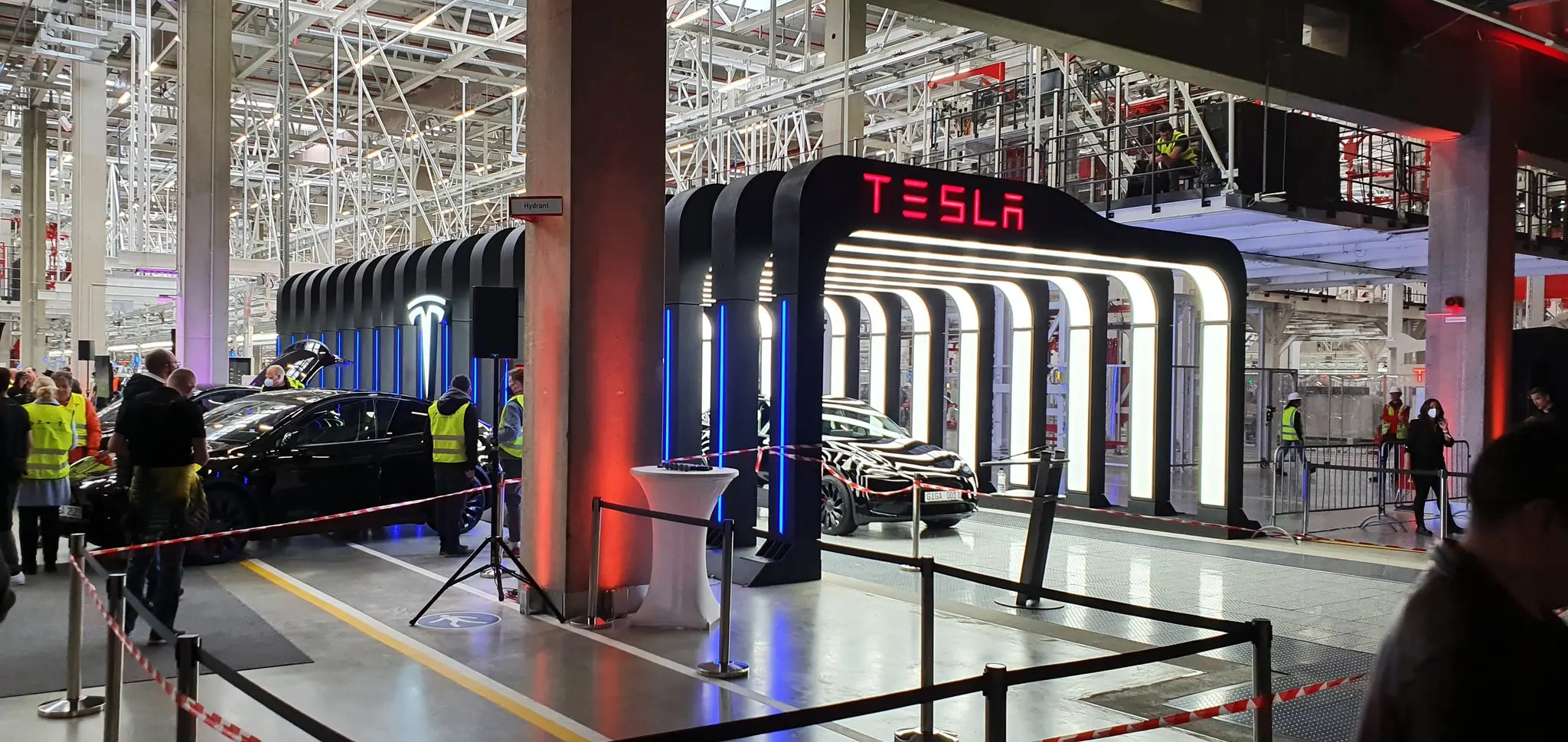
The standout tech at Giga Texas is the “Giga Press”—some of the largest high-pressure die-casting machines in the world. These machines allow Tesla to cast the front and rear underbodies of the Model Y as single pieces of aluminum alloy, replacing over 170 individual parts. This reduces weight, improves structural rigidity, and drastically simplifies the robotics required for assembly. Furthermore, Giga Texas is the primary site for the development of the 4680 structural battery cell, a tech milestone that integrates the battery into the car’s physical frame.
Global Expansion: Engineering for Local Markets
As a global tech leader, Tesla realized that shipping heavy batteries and cars across oceans was inefficient. To scale, they needed to export their manufacturing “code” to international markets, leading to the creation of advanced hubs in Asia and Europe.
Giga Shanghai: The Efficiency Benchmark
Giga Shanghai was constructed in record time (less than a year from groundbreaking to production), and it has since become the primary export hub for Tesla. From a tech perspective, Shanghai is the gold standard for production efficiency.
The facility utilizes a simplified, highly streamlined version of the Fremont production line. It was the first factory to heavily implement the “unboxed” manufacturing process, where sections of the car are worked on in parallel rather than a linear sequence, significantly reducing the factory footprint. Shanghai also leads in the adoption of Lithium Iron Phosphate (LFP) battery technology, which offers higher thermal stability and longevity, making it a favorite for the tech-conscious daily commuter.
Giga Berlin-Brandenburg: Bringing Precision to Europe
Tesla’s first European Gigafactory, located near Berlin, is a testament to the company’s ability to merge American software agility with German precision engineering. Giga Berlin features the world’s most advanced paint shop, capable of applying “Midnight Cherry Red” and “Quicksilver” through a process that applies up to 13 layers of paint for depth and dimension.
Beyond aesthetics, Giga Berlin is a hub for powertrain innovation. The motors produced here are designed to meet the high-speed demands of the European Autobahn, focusing on sustained power delivery and thermal management. The facility also emphasizes sustainable tech, utilizing a closed-loop water recycling system and an onsite rail terminal to reduce the carbon footprint of its logistics hardware.
The Future of Tesla Tech: Beyond Traditional Assembly
Where Tesla motors are made is a question that continues to evolve as the company looks toward its next generation of technological breakthroughs. The roadmap for Tesla manufacturing involves moving away from the assembly line entirely in favor of a modular approach.
Next-Gen Platforms and Robotics
The upcoming “Next-Gen” platform, expected to be built at a future Giga Mexico and existing facilities, will utilize the “Unboxed Process” to its fullest extent. This involves painting only the parts that need it and assembling the interior while the car is still in open sections, allowing robots more “elbow room” to install components.
We are also seeing the integration of Tesla’s AI developments into the factory floor. The Tesla Bot (Optimus) is being developed specifically to handle repetitive, dangerous, or boring tasks within these Gigafactories. In the near future, the answer to “where are Tesla motors made” might be: “In a factory where the robots are building the robots.”
The Transition to 4680 Cell Production
The shift toward the 4680-cell format is perhaps the most significant hardware transition in Tesla’s history. By producing these cells in-house at Giga Texas and Giga Nevada, Tesla is moving toward a future where the battery and the motor are a single, cohesive unit of energy and motion. This “dry electrode” technology reduces the factory’s energy consumption by 70% and shrinks the physical footprint of the battery plant, allowing Tesla to pack more tech into smaller, more efficient spaces.
Conclusion
Tesla’s manufacturing strategy is a masterclass in how technology can disrupt a century-old industry. From the high-pressure die-casting of Giga Texas to the rapid-fire efficiency of Giga Shanghai, Tesla motors are made in facilities that function more like giant computers than traditional factories.
As the company continues to expand its global footprint, the focus remains on the “Machine that builds the machine.” For the consumer, this means that regardless of where their Tesla was assembled—be it California, Texas, China, or Germany—they are receiving a product born from a unified technological vision. Tesla has proven that in the 21st century, the location of production is as much about software optimization and robotic orchestration as it is about bricks and mortar.
aViewFromTheCave is a participant in the Amazon Services LLC Associates Program, an affiliate advertising program designed to provide a means for sites to earn advertising fees by advertising and linking to Amazon.com. Amazon, the Amazon logo, AmazonSupply, and the AmazonSupply logo are trademarks of Amazon.com, Inc. or its affiliates. As an Amazon Associate we earn affiliate commissions from qualifying purchases.