
In the contemporary landscape of global commerce, the ability to move capital seamlessly across borders is a fundamental pillar of personal and professional success. As the digital economy continues to expand, the traditional barriers of brick-and-mortar banking have been supplemented—and in many cases, replaced—by agile financial technologies. At the forefront of this evolution is PayPal, a platform that has transformed from a simple payment gateway into a comprehensive financial ecosystem. Whether you are an individual looking to manage personal expenses, a freelancer seeking to monetize your skills, or an entrepreneur scaling a business, understanding how to effectively establish and utilize a PayPal account is a critical step in your financial journey.
1. Choosing the Right Financial Vehicle: Personal vs. Business Accounts
Before initiating the setup process, it is essential to align your account type with your specific financial goals. PayPal offers two primary categories of accounts, each designed to cater to different levels of transactional volume and professional requirements. Making the correct choice at the outset ensures that you have access to the necessary tools for your financial activities while remaining compliant with tax and regulatory standards.
The Personal Account: Tailored for Individual Finance
The Personal account is the ideal entry point for most users. It is designed for those who primarily use the platform for online shopping, sending money to family and friends, or receiving occasional payments for casual sales. From a personal finance perspective, this account type offers a high degree of convenience with minimal overhead. It allows you to link your credit cards and bank accounts to a single digital wallet, reducing the friction of manual data entry during transactions. For the budget-conscious user, the Personal account provides a clear overview of discretionary spending, helping you track your digital outflows in real-time.
The Business Account: A Gateway to Scalable Income
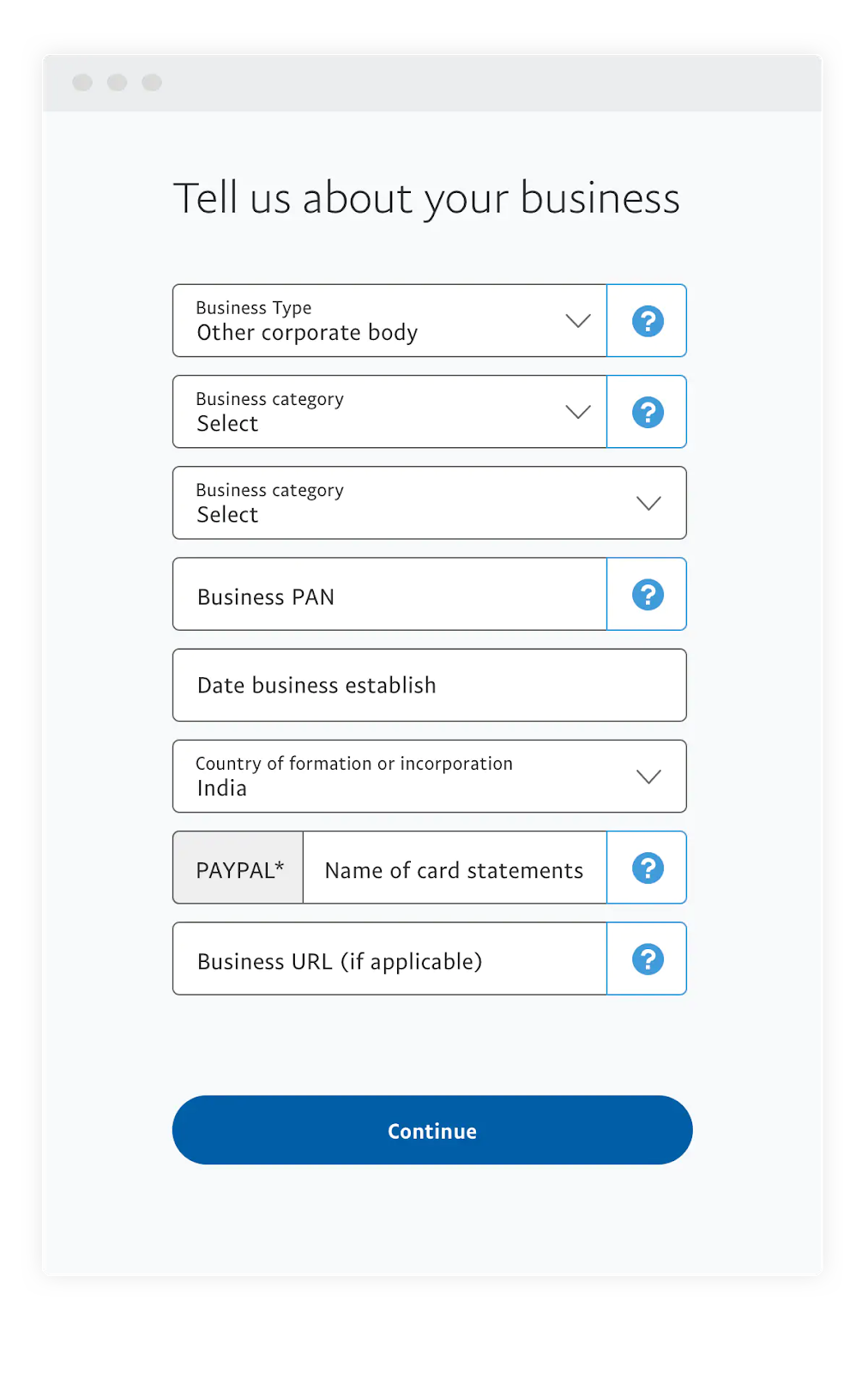
If your objective is to build a professional brand or operate a side hustle, the Business account is the superior choice. Unlike the Personal account, a Business account allows you to operate under a company name rather than your legal name, providing a layer of professional branding and privacy. Financially, it unlocks advanced features such as professional invoicing, the ability to accept credit card payments from customers who do not have PayPal accounts, and multi-user access for employees or accountants. For those focused on online income, the Business account provides the robust reporting and integration tools necessary to manage cash flow and prepare for tax obligations efficiently.
2. The Step-by-Step Blueprint for Account Creation and Verification
Establishing a PayPal account is more than just a registration process; it is the creation of a digital financial identity. To ensure the security of your assets and the fluidity of your transactions, the setup must be executed with precision.
Initiating the Onboarding Process
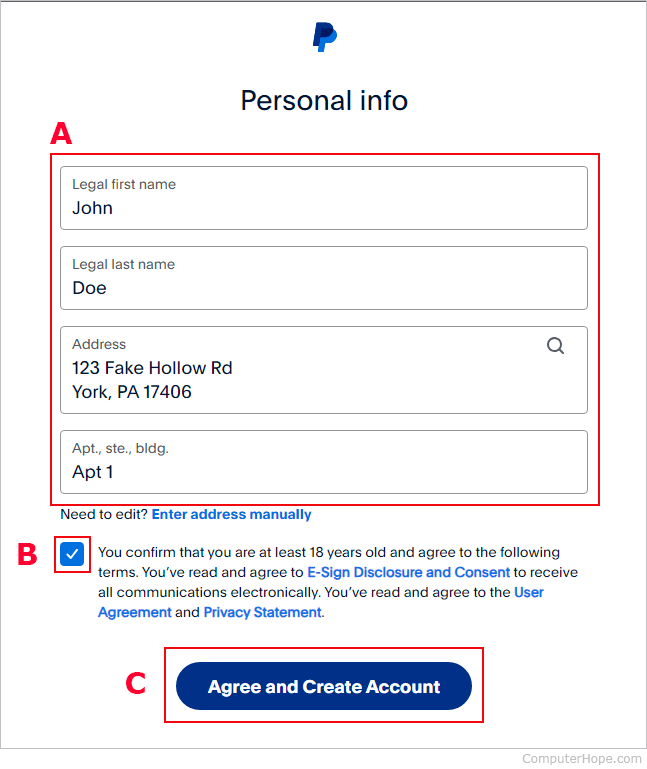
To begin, navigate to the PayPal website or download the mobile application. You will be prompted to select your account type (Personal or Business). After providing a primary email address—which will serve as your unique financial identifier—you must create a strong, encrypted password. In the world of digital finance, your email and password are the keys to your treasury; therefore, utilizing a unique combination not found on other platforms is a non-negotiable security practice. You will then be required to provide legal identification details, including your full name, physical address, and contact information. Accuracy here is paramount, as discrepancies can lead to account limitations during the verification phase.
Linking and Verifying Financial Instruments
Once the basic profile is created, the next step is to bridge your PayPal account with the broader financial system. This involves linking a debit card, credit card, or a direct bank account. For those looking to maximize their financial utility, linking a bank account is highly recommended, as it allows for the seamless transfer of funds (withdrawals and deposits) between your digital wallet and your traditional savings or checking accounts.
To verify your bank account, PayPal typically employs a “micro-deposit” strategy, where two small amounts (less than $1.00) are sent to your bank. Once these appear in your bank statement, you enter the amounts into your PayPal dashboard to confirm ownership. This verification process is a critical security layer that increases your transaction limits and enhances your credibility within the PayPal network.
3. Optimizing Your PayPal Experience for Personal Wealth Management
Once your account is active, the focus shifts from setup to optimization. PayPal offers a suite of financial tools designed to help you manage your capital more effectively, beyond simple peer-to-peer transfers.
Navigating Currency Conversion and Global Transactions
For the modern investor or digital nomad, managing multiple currencies is a common challenge. PayPal’s platform allows you to hold balances in various global currencies, providing a hedge against local market volatility. However, it is vital to understand the financial implications of currency conversion. PayPal applies a conversion spread that may differ from mid-market rates. Savvy users monitor these rates and choose to hold funds in a specific currency until the exchange rate is favorable, or they utilize the platform’s “Balance” feature to pay for international goods in the local currency to avoid redundant conversion fees.
Utilizing PayPal Savings and Credit Features
In certain regions, PayPal has expanded into high-yield savings and credit products. The PayPal Savings feature (often partnered with reputable banking institutions) offers competitive interest rates compared to traditional “big bank” checking accounts. This makes it an excellent tool for building an emergency fund or a “sinking fund” for future purchases. Furthermore, tools like “PayPal Credit” or “Pay in 4” provide short-term liquidity solutions. From a personal finance standpoint, these should be used strategically to manage cash flow without incurring high-interest debt, ensuring that your digital wallet serves your wealth-building goals rather than detracting from them.
4. Leveraging PayPal for Entrepreneurial Success and Scalable Income
For those using PayPal as a vehicle for business finance, the platform serves as a central hub for managing revenue streams and operational costs.
Streamlining Invoicing and Cash Flow
Cash flow is the lifeblood of any business. PayPal’s professional invoicing tool allows entrepreneurs to create, send, and track invoices in minutes. By providing clients with a “One-Click” payment option, you significantly reduce the “days sales outstanding” (DSO), ensuring that capital is returned to your business as quickly as possible. Furthermore, the ability to set up recurring billing is invaluable for service providers with subscription models, creating a predictable and scalable income stream that requires minimal administrative overhead.
Managing Business Expenses and Tax Documentation
A common mistake in personal finance is the commingling of personal and business funds. Using a dedicated PayPal Business account simplifies the tracking of deductible business expenses. Whether you are paying for software subscriptions, digital advertising, or raw materials, having these transactions centralized in one dashboard makes end-of-year tax preparation much more efficient. PayPal provides downloadable financial reports that can be directly imported into accounting software like QuickBooks or Xero, allowing for a professional-grade overview of your business’s financial health.
5. Protecting Your Assets: Financial Security and Best Practices
In the digital realm, security is synonymous with financial preservation. As your PayPal balance grows, so does the importance of safeguarding your account against unauthorized access and fraudulent activity.
Implementing Multi-Factor Authentication (MFA)
The single most effective way to protect your digital capital is the implementation of Multi-Factor Authentication (MFA). By requiring a secondary code—typically sent via a dedicated authenticator app or SMS—you ensure that even if your password is compromised, your funds remain inaccessible to bad actors. In the context of financial tools, MFA should be viewed as a mandatory safety vault for your money.
Recognizing Phishing and Utilizing Purchase Protection
Financial literacy includes the ability to identify and avoid scams. Users should be aware that PayPal will never ask for sensitive credentials via email. Always verify the sender’s address and log in directly through the official website or app rather than clicking on suspicious links. Additionally, for buyers, the “Purchase Protection” program provides a financial safety net, ensuring that if a product is not delivered or is significantly not as described, your capital can be recovered. For sellers, adhering to “Seller Protection” guidelines—such as providing valid tracking numbers and shipping to verified addresses—is essential for mitigating the risk of chargebacks and disputes.

Conclusion: The Path to Digital Financial Empowerment
Learning how to make and manage a PayPal account is a foundational step in mastering the modern financial landscape. It is more than just a utility for online shopping; it is a sophisticated tool for wealth management, business scaling, and global capital movement. By choosing the right account type, meticulously following verification protocols, and leveraging the platform’s advanced financial features, you position yourself to thrive in an increasingly digital economy. As you move forward, treat your PayPal account as a vital component of your broader financial portfolio, maintaining the same level of discipline and security as you would with any traditional investment or banking institution. In doing so, you turn a simple payment app into a powerful engine for financial growth and security.
aViewFromTheCave is a participant in the Amazon Services LLC Associates Program, an affiliate advertising program designed to provide a means for sites to earn advertising fees by advertising and linking to Amazon.com. Amazon, the Amazon logo, AmazonSupply, and the AmazonSupply logo are trademarks of Amazon.com, Inc. or its affiliates. As an Amazon Associate we earn affiliate commissions from qualifying purchases.