
The landscape of personal finance has undergone a seismic shift over the last decade. As traditional banking institutions grapple with the demands of a mobile-first generation, fintech platforms like Cash App have stepped in to bridge the gap between digital convenience and physical currency. At the heart of this ecosystem is the Cash App Card—a customizable Visa debit card that allows users to spend their Cash App balance at physical and online retailers. However, a digital balance is only useful if it is accessible and easily replenished. For many users, particularly those who participate in the gig economy or receive cash payments, knowing exactly where and how to load a Cash App card is a critical component of their financial literacy.
Understanding the mechanics of reloading your card is not just about convenience; it is about managing liquidity and minimizing transactional friction. This guide explores the various avenues for funding your Cash App account, from retail partnerships to digital integrations, ensuring you can navigate the modern financial world with confidence.
Major Retail Locations for Physical Cash Deposits
For users who handle physical currency, the “Paper Money” feature within Cash App is a revolutionary tool. It effectively turns thousands of brick-and-mortar retail locations into personal bank tellers. This functionality is vital for the “underbanked” population or anyone who prefers the tangibility of cash but needs the utility of a digital debit card.
Top-Tier Retail Partners: Walmart, Walgreens, and 7-Eleven
Cash App has established robust partnerships with some of the largest retail chains in the United States. These locations are the most reliable spots to load your card due to their ubiquity and standardized training for employees.
- Walmart: As the world’s largest retailer, Walmart offers a seamless experience at their Customer Service desks or MoneyCenters. Because they handle high volumes of financial transactions, the process is usually swift.
- Walgreens and Duane Reade: These pharmacies are excellent options for those living in urban or suburban areas where a massive superstore might not be nearby.
- 7-Eleven: For 24/7 access, 7-Eleven is the gold standard. Many users find this the most convenient option for late-night reloads.
Secondary Convenience Stores and Pharmacies
Beyond the giants, several other chains facilitate Cash App reloads. These include:
- CVS Pharmacy: A reliable alternative to Walgreens with similar coverage.
- Dollar General and Family Dollar: These are essential for users in rural areas where large supermarkets may be miles away.
- Rite Aid: Another strong contender in the pharmacy space.
- Sheetz and Kwik Trip: Regional convenience stores that have integrated fintech services into their daily operations.
The In-Store Process: A Step-by-Step Walkthrough
To load cash at these locations, you do not simply hand over your card. The process is digital and secure:
- Open Cash App: Navigate to the “Banking” tab (the house or balance icon).
- Select Paper Money: This will open a map showing nearby locations.
- Generate Barcode: Once at the store, tap “Show Barcode.” This unique code is what the cashier will scan.
- Transaction Execution: Tell the cashier you want to load money onto your Cash App using a barcode. Hand over the cash plus the required service fee (typically $4).
- Confirmation: Once scanned and paid, the funds typically appear in your balance instantly, though it can occasionally take a few minutes.
Leveraging Digital Transfers and Bank Links
While physical cash is important, the primary strength of Cash App lies in its digital-first architecture. For most users, the most efficient way to maintain a balance is through automated or semi-automated digital transfers. This eliminates the need for travel and avoids the flat fees associated with retail deposits.
Linking Your Traditional Bank Account
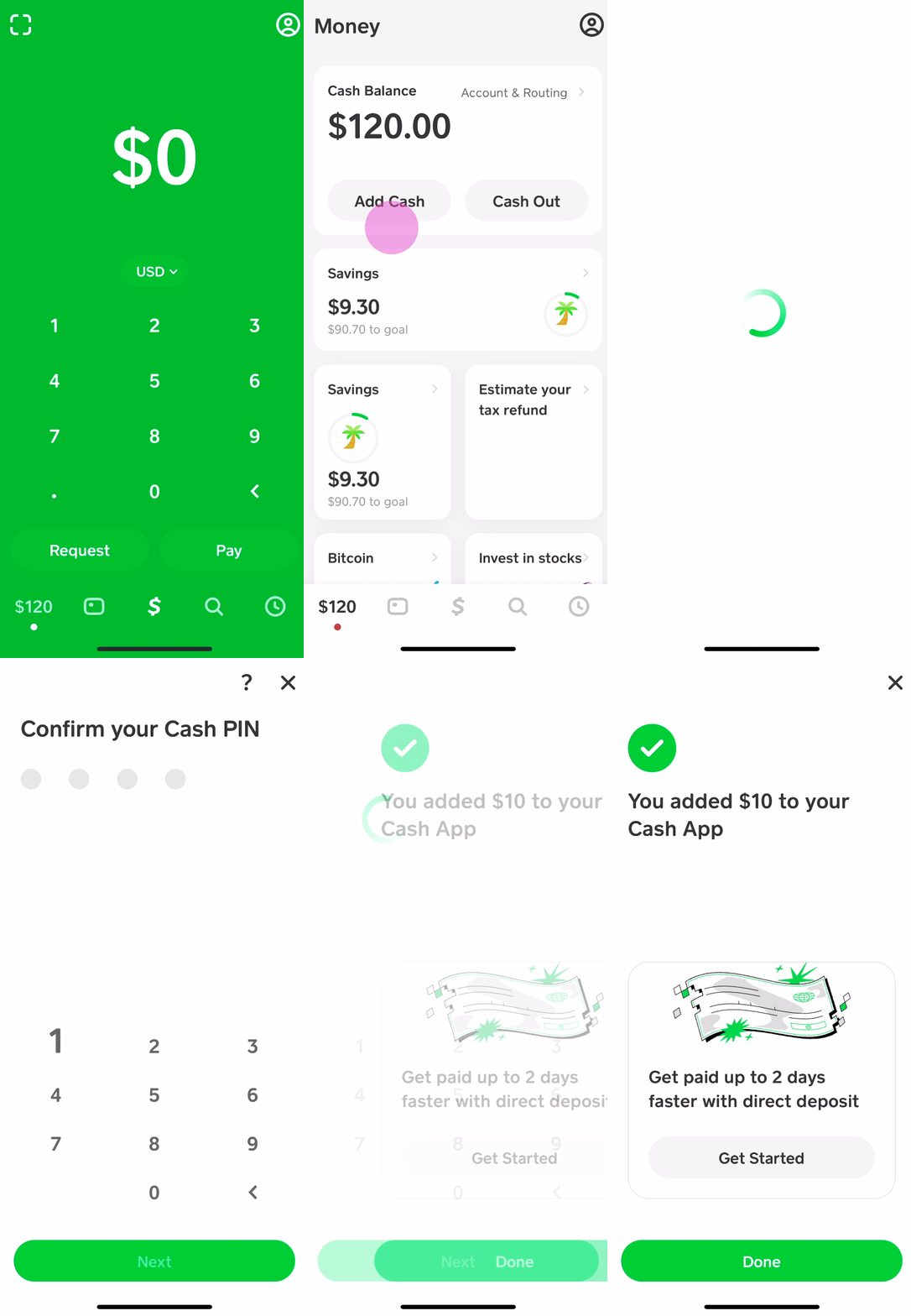
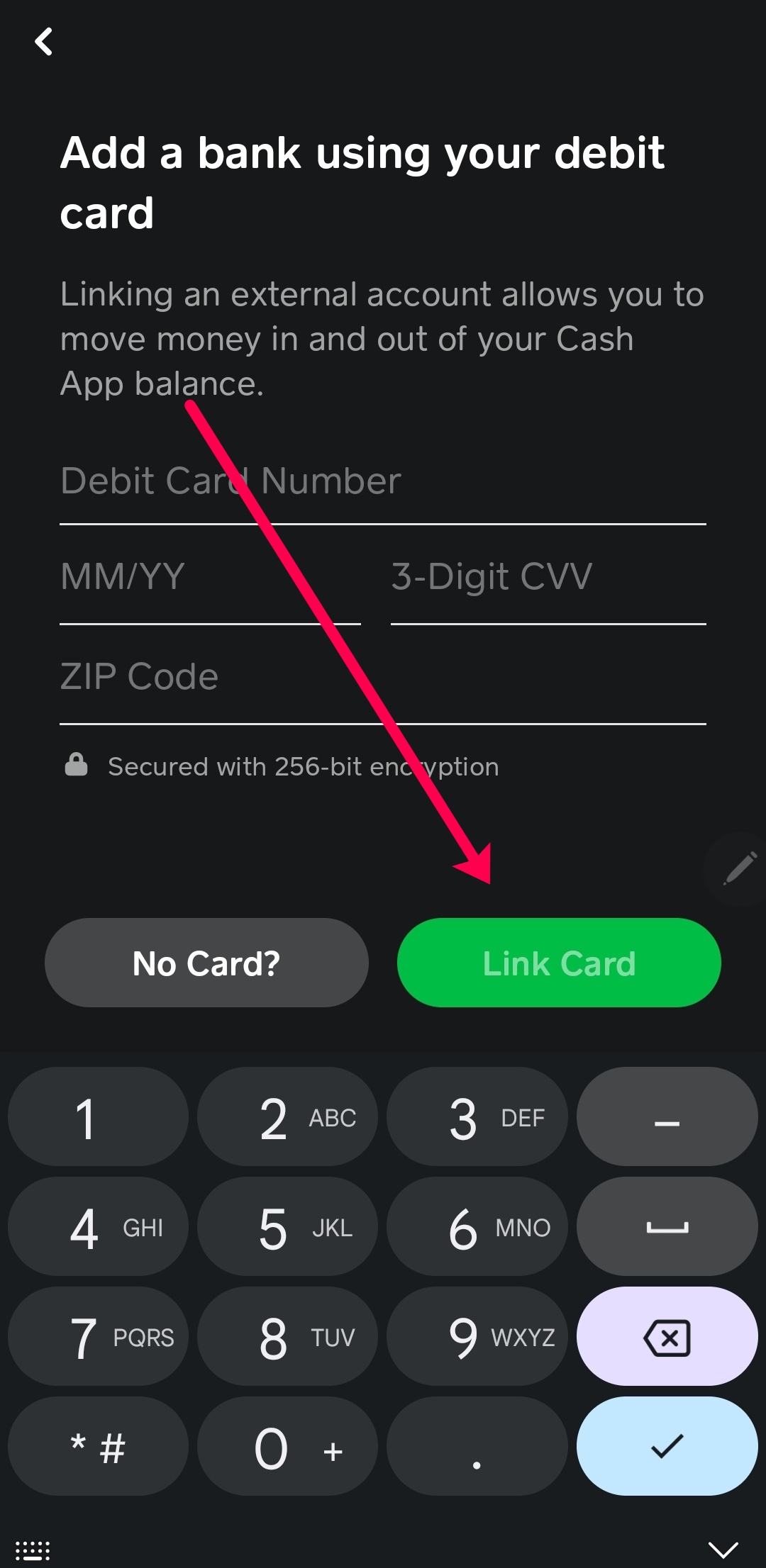
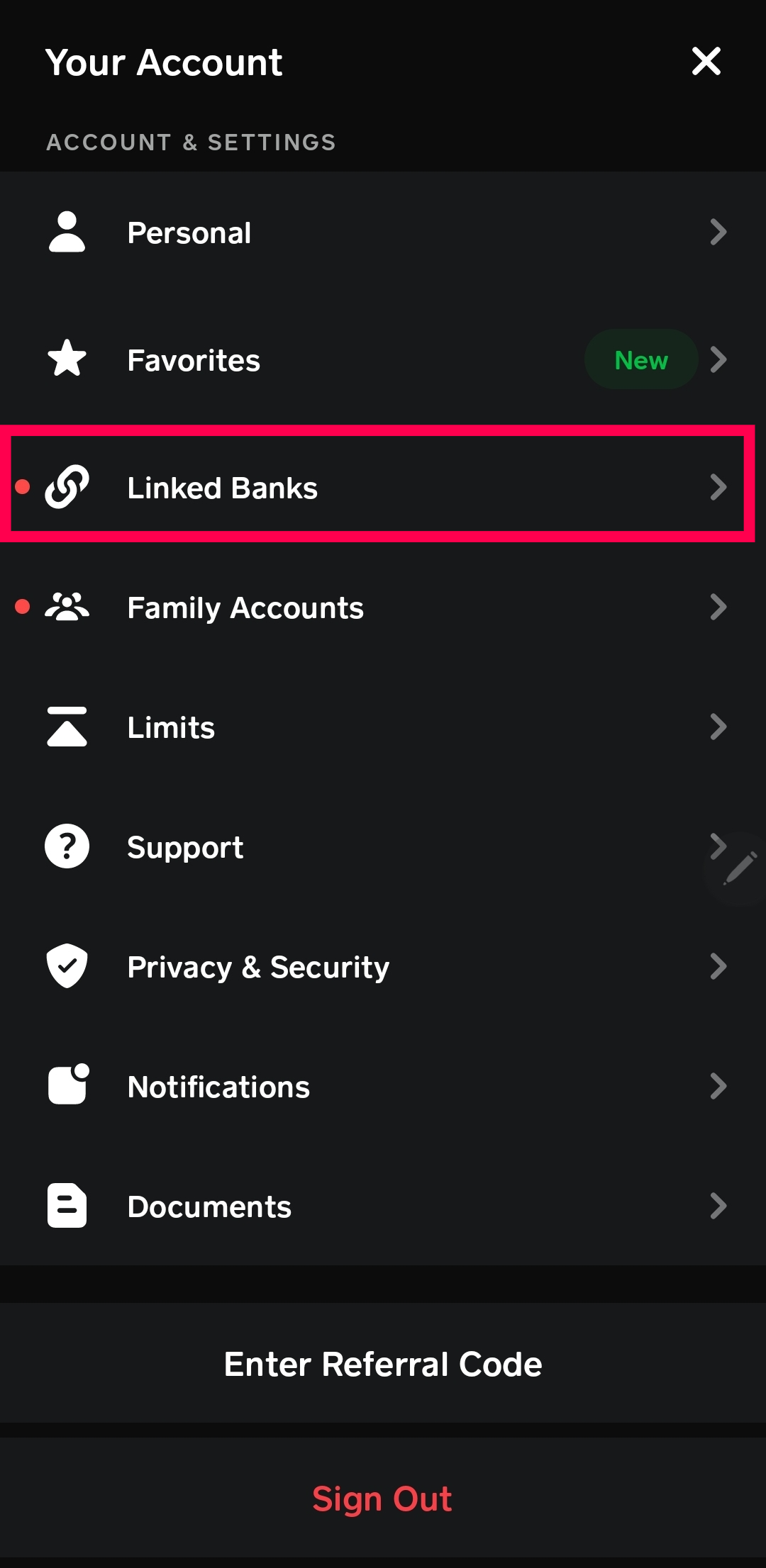
The most common way to load a Cash App card is by linking a legacy bank account or a traditional debit card. This creates a bridge between your long-term savings and your daily spending money. By navigating to the “Linked Banks” section of the app, you can securely attach your credentials. Once linked, you can “Add Cash” to your balance at any time. Standard transfers from your bank are free, though they may take 1-3 business days. If you require immediate liquidity, “Instant Transfers” are available for a small percentage fee.
Peer-to-Peer (P2P) Transfers as a Funding Source
One of the unique aspects of the Cash App ecosystem is the ability to load your card through social transactions. In the gig economy, many freelancers and service workers receive tips or payments directly via their $Cashtag. These funds are immediately available on the Cash App Card. This peer-to-peer liquidity makes the app a favorite for roommates splitting bills or friends sharing a meal. Effectively, your social circle becomes a decentralized network for “loading” your card.
Direct Deposit: Making Your Paycheck Work for You
To truly treat Cash App as a primary financial hub, users can set up Direct Deposit. Cash App provides users with a routing and account number, just like a traditional bank. By directing all or a portion of your paycheck to these numbers, your Cash App card is automatically loaded every payday.
An added financial benefit of this method is that Cash App often offers “Early Payday,” which can make funds available up to two days earlier than traditional banks. For those managing tight weekly budgets, this accelerated access to capital is a significant advantage.
Understanding Fees, Limits, and Financial Security
Managing money effectively requires a keen eye on the hidden costs of transactions. While Cash App offers immense utility, users must be aware of the “cost of doing business” within the app to avoid eroding their capital through unnecessary fees.
Retail Service Fees vs. Digital Transfer Costs
As mentioned, loading cash at a retail location almost always incurs a $4 service fee. While this may seem small, if you load $40 ten times a month, you are losing 10% of your principal to fees. Strategically, it is better to load larger amounts less frequently if you must use cash. Conversely, ACH transfers from a linked bank are free, making them the most cost-effective way to manage your personal finance within the app.
Load Limits and Transaction Thresholds
Cash App imposes certain limits on how much you can load and spend, primarily to prevent fraud and comply with Anti-Money Laundering (AML) regulations.
- Paper Money Limits: Usually, you can deposit up to $500 per transaction, $1,000 every 7 days, and $4,000 every 30 days.
- Account Verification: Users who have not verified their identity (by providing a SSN and birthdate) face much stricter limits. Verifying your account is a crucial step for anyone intending to use the Cash App card as a serious financial tool.
Protecting Your Account During the Reload Process
Security is paramount when dealing with digital finance. When loading your card, especially at retail locations, ensure you are using the official app. Never share your PIN or sign-in code with a cashier; they only need to scan the barcode. Additionally, enabling “Security Lock” (which requires FaceID or a PIN for every transfer) ensures that even if you lose your physical card, your digital balance remains protected.
Advanced Financial Strategies with Your Cash Card
Once you understand where to load your card, the next step is understanding how to use it as a tool for wealth management and disciplined spending. The Cash App card is more than just a piece of plastic; it is a gateway to several sophisticated financial features.
Budgeting with Cash App Sub-accounts
Many savvy users use their Cash App card as a “discretionary spending” account. By loading a specific amount of “fun money” onto the card at the beginning of the month, they create a hard ceiling for their spending. Once the Cash App balance is zero, the spending stops. This “envelope method” of budgeting is made much easier by the instant notifications and clean interface of the app.
Utilizing “Boosts” for Instant Savings
One of the most powerful reasons to keep your Cash App card loaded is the “Boost” program. Boosts are instant discount offers at specific merchants (e.g., 5% off at grocery stores, $1 off at coffee shops). These are not points-based systems that require months of accumulation; they are immediate reductions in the transaction price. By keeping your card funded, you ensure you never miss out on these micro-savings, which can add up to hundreds of dollars over a year.
Transitioning from Unbanked to Fully Integrated
For individuals who have struggled to maintain traditional bank accounts due to fees or credit history, the ability to load a Cash App card at a local CVS or Walmart is a path toward financial inclusion. It allows for the payment of utility bills online, the booking of rental cars, and the security of not carrying large sums of physical cash. It acts as a transitional tool that provides the benefits of modern banking without the bureaucratic hurdles of traditional institutions.
Conclusion
The question of “where to load a Cash App card” is the starting point of a much larger conversation about financial empowerment in the digital age. Whether you are scanning a barcode at a 7-Eleven, receiving a P2P transfer from a friend, or setting up a direct deposit for your salary, the flexibility of the Cash App ecosystem is its greatest strength.
By understanding the various deposit methods—and the fees associated with them—you can optimize your cash flow and ensure that your money is always where you need it, when you need it. As fintech continues to evolve, the lines between our physical wallets and our digital balances will continue to blur, making the Cash App card an essential tool for the modern consumer’s financial toolkit. Professional management of these tools ensures not just convenience, but long-term financial stability.
aViewFromTheCave is a participant in the Amazon Services LLC Associates Program, an affiliate advertising program designed to provide a means for sites to earn advertising fees by advertising and linking to Amazon.com. Amazon, the Amazon logo, AmazonSupply, and the AmazonSupply logo are trademarks of Amazon.com, Inc. or its affiliates. As an Amazon Associate we earn affiliate commissions from qualifying purchases.