
The physical wallet is rapidly becoming a relic of the past. For decades, the ritual of reaching for leather and plastic was the universal standard for commerce. However, the convergence of high-speed mobile processing, secure hardware architecture, and sophisticated software has shifted the epicenter of our financial lives into our smartphones. If you have ever wondered, “how do I pay with my phone,” you are not just asking for a tutorial; you are inquiring about a sophisticated technological ecosystem that leverages radio frequency, advanced encryption, and biometric security to facilitate seamless transactions.
The Mechanics of Contactless Connectivity: How It Works
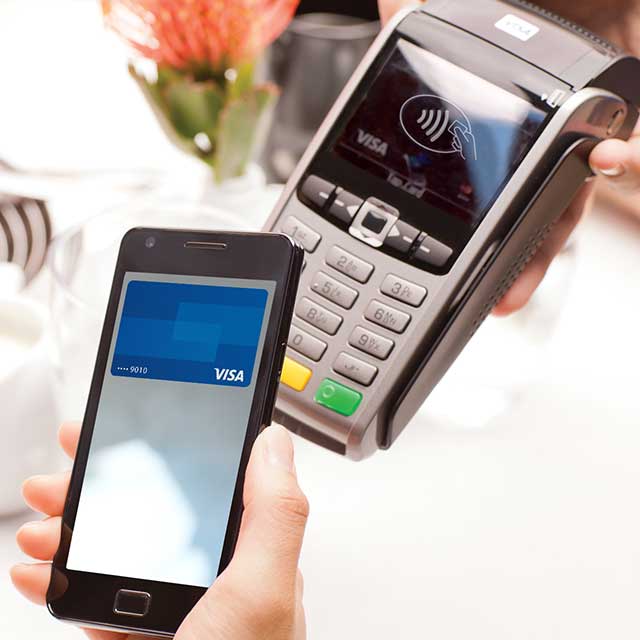
To understand how to pay with your phone, one must first understand the invisible architecture that allows two devices to talk to each other without a physical connection. The backbone of this technology is a protocol known as Near Field Communication, or NFC.
Understanding Near Field Communication (NFC)
NFC is a specialized branch of Radio Frequency Identification (RFID) technology. Unlike Wi-Fi or Bluetooth, which are designed for long-range data transmission, NFC is intentionally limited to a very short range—typically less than four centimeters. This limitation is a deliberate security feature. For a transaction to occur, the smartphone and the Point of Sale (POS) terminal must be in close proximity, preventing accidental payments or “skimming” by third parties. When you hold your phone near a reader, the two devices establish a connection via electromagnetic radio waves, exchanging encrypted data packets in milliseconds.
The Secure Element: The Hardware Vault
Many users worry that their credit card numbers are stored directly on their phones in a way that hackers could easily access. In reality, modern smartphones utilize a “Secure Element” (SE). This is a dedicated, tamper-resistant chip embedded in the phone’s hardware. It is isolated from the rest of the operating system, meaning that even if your phone is infected with malware, the sensitive payment data remains locked away in this hardware vault. Alternatively, some systems use Host Card Emulation (HCE), which stores the secure data in the cloud, but the hardware-based Secure Element remains the gold standard for tech-focused security.
Leading Mobile Wallet Ecosystems
The software that manages your digital payment methods is commonly referred to as a “mobile wallet.” Depending on your device’s operating system, you will likely interact with one of three major tech players.
Apple Pay and the iOS Infrastructure
For iPhone users, Apple Pay is the integrated solution. It leverages the “Wallet” app and is deeply integrated into the iOS ecosystem. The tech brilliance of Apple Pay lies in its hardware-software synergy. It utilizes the aforementioned Secure Element and requires a biometric “handshake”—either through FaceID (3D facial mapping) or TouchID (capacitive fingerprint sensing)—before the NFC controller is even activated. This ensures that the hardware is physically incapable of transmitting data unless the authorized user is present.
Google Pay and the Android Framework
Google Pay is the primary solution for the Android landscape. Because Android is an open-source platform used by various manufacturers (like Pixel, OnePlus, and Motorola), Google Pay is designed for high compatibility. It primarily utilizes Host Card Emulation (HCE) and Google’s robust cloud encryption to facilitate transactions. For many Android users, the tech offers additional flexibility, such as the ability to store loyalty cards, transit passes, and even digital car keys within the same software framework.
Samsung Pay and MST Technology
Samsung Pay occupies a unique technological niche. While it supports NFC like its competitors, older Samsung flagship devices also featured Magnetic Secure Transmission (MST). This technology emitted a magnetic signal that mimicked the “swipe” of a traditional magnetic stripe card. This allowed users to pay at older terminals that didn’t have NFC readers. While Samsung has phased out MST in newer models in favor of the now-ubiquitous NFC, it remains a fascinating example of how hardware was engineered to bridge the gap between analog and digital commerce.
Step-by-Step: Setting Up Your Digital Wallet

Transitioning from plastic to digital is a straightforward process, but it requires a few specific technological prerequisites: a device with an NFC chip, a supported banking app or card, and a secure lock screen.
Adding Cards and Verification Protocols
To begin, you open your respective wallet app (Apple Wallet, Google Wallet, or Samsung Pay) and use the camera to scan your physical card. The software uses Optical Character Recognition (OCR) to instantly pull the card number and expiration date. However, the process doesn’t end there. To prevent fraud, the “provisioning” process begins. Your phone sends an encrypted request to your bank’s servers. The bank then verifies your identity—often via a one-time passcode (OTP) sent through SMS or an in-app push notification. Once verified, the bank sends a unique digital “token” back to your phone.
Configuring Default Payment Methods
Modern wallet software allows for “Smart Selection.” In your settings, you can designate a default card for everyday purchases. However, the tech is intelligent enough to allow for context-specific overrides. For example, some transit systems (like those in London or New York) allow for “Express Mode,” where the phone can be tapped against a turnstile without needing to wake the screen or provide biometric authentication, streamlining the flow of commuters through high-traffic tech interfaces.
Digital Security: Protecting Your Virtual Vault
The most common question regarding phone payments isn’t just “how,” but “is it safe?” From a technical standpoint, paying with your phone is significantly more secure than using a physical credit card.
Tokenization vs. Traditional Card Data
When you swipe a traditional card, your actual 16-digit card number is transmitted to the merchant. If that merchant’s database is hacked, your card info is compromised. Mobile payments solve this through “Tokenization.” When you pay with your phone, your real card number is never shared with the merchant. Instead, the software generates a Device Account Number (DAN)—a random string of numbers that acts as a surrogate. Each transaction also includes a “dynamic security code” that changes every time. Even if a hacker intercepted the data from a specific transaction, it would be useless for any future purchases.
Biometric Authentication: The Human Key
The integration of biometrics represents a massive leap in security tech. Physical cards can be stolen and used until they are reported. A smartphone, however, is a brick to a thief. Since Apple Pay and Google Pay require a biometric “unlock” (FaceID, Fingerprint, or a complex PIN) at the exact moment of the transaction, the “stolen card” scenario is virtually eliminated. Furthermore, services like “Find My iPhone” or “Find My Device” allow users to remotely de-authorize the payment chips on their phones, killing the digital wallet instantly if the hardware is lost.
The Next Frontier: QR Codes and Ultra-Wideband (UWB)
As we look toward the future of mobile payments, the technology is moving beyond simple “tapping.” New protocols are emerging that could change the merchant-consumer interface once again.
QR Code Payments in Global Markets
While NFC is the standard in the West, QR code-based payments (like WeChat Pay and Alipay) dominate markets in Asia. This technology is software-based rather than hardware-dependent. The merchant displays a unique QR code, the user scans it with their phone camera, and the transaction is processed via a cloud-based ledger. This lowers the barrier to entry for small vendors who may not want to invest in expensive NFC-capable POS hardware.

UWB and Seamless “Walk-Out” Transactions
The next major evolution involves Ultra-Wideband (UWB) technology. Unlike NFC, which requires a close tap, UWB is highly spatial and can track a device’s location within a few centimeters over a longer distance. This is the technology behind “Just Walk Out” shopping experiences. As you enter a store and place items in your bag, the store’s sensors communicate with your phone’s UWB chip, tallying your total and processing the payment automatically as you exit the building.
The transition from physical cash to mobile payments is not merely a convenience; it is a sophisticated shift in how we utilize hardware encryption and wireless protocols to secure our lives. By understanding the tech—from NFC chips to tokenization—you can use your phone to pay with the confidence that your data is protected by some of the most advanced software engineering in the world.
aViewFromTheCave is a participant in the Amazon Services LLC Associates Program, an affiliate advertising program designed to provide a means for sites to earn advertising fees by advertising and linking to Amazon.com. Amazon, the Amazon logo, AmazonSupply, and the AmazonSupply logo are trademarks of Amazon.com, Inc. or its affiliates. As an Amazon Associate we earn affiliate commissions from qualifying purchases.