
In the contemporary financial landscape, the boundary between traditional banking and digital commerce has effectively dissolved. As we move toward a more decentralized and digitized economy, tools that facilitate the seamless movement of capital are no longer luxuries; they are fundamental requirements for anyone participating in the global marketplace. At the forefront of this evolution is PayPal, a pioneer in the digital wallet space that has transformed from a simple payment button into a comprehensive financial ecosystem. Whether you are looking to streamline your personal expenditures, manage a burgeoning side hustle, or scale a global enterprise, understanding how to properly open and optimize a PayPal account is a critical step in modern financial management.
1. Understanding PayPal as a Pillar of Modern Personal Finance
Before diving into the mechanics of account creation, it is essential to understand the strategic role a digital wallet plays in your broader financial portfolio. PayPal acts as an intermediary layer between your sensitive banking information and the vast, sometimes volatile, world of online commerce. By utilizing this platform, you are not merely “opening an account”; you are implementing a sophisticated financial tool designed to enhance liquidity, security, and transaction efficiency.
The Digital Wallet Revolution
The primary appeal of PayPal within the personal finance niche is its ability to centralize various funding sources—credit cards, debit cards, and bank accounts—into a single, secure interface. This centralization allows for better tracking of discretionary spending and provides a buffer that protects your primary savings or checking accounts from direct exposure to third-party vendors. In an era where data breaches are increasingly common, the ability to transact without sharing your 16-digit card number with every merchant is a significant asset in preserving your financial integrity.
Choosing Between Personal and Business Accounts
A pivotal decision in your financial journey involves selecting the right account type. PayPal offers two primary categories, each tailored to specific economic activities:
- Personal Accounts: Ideal for the casual user. These are designed for peer-to-peer transfers (sending money to friends and family) and online shopping. They offer a streamlined interface focused on ease of use and buyer protection.
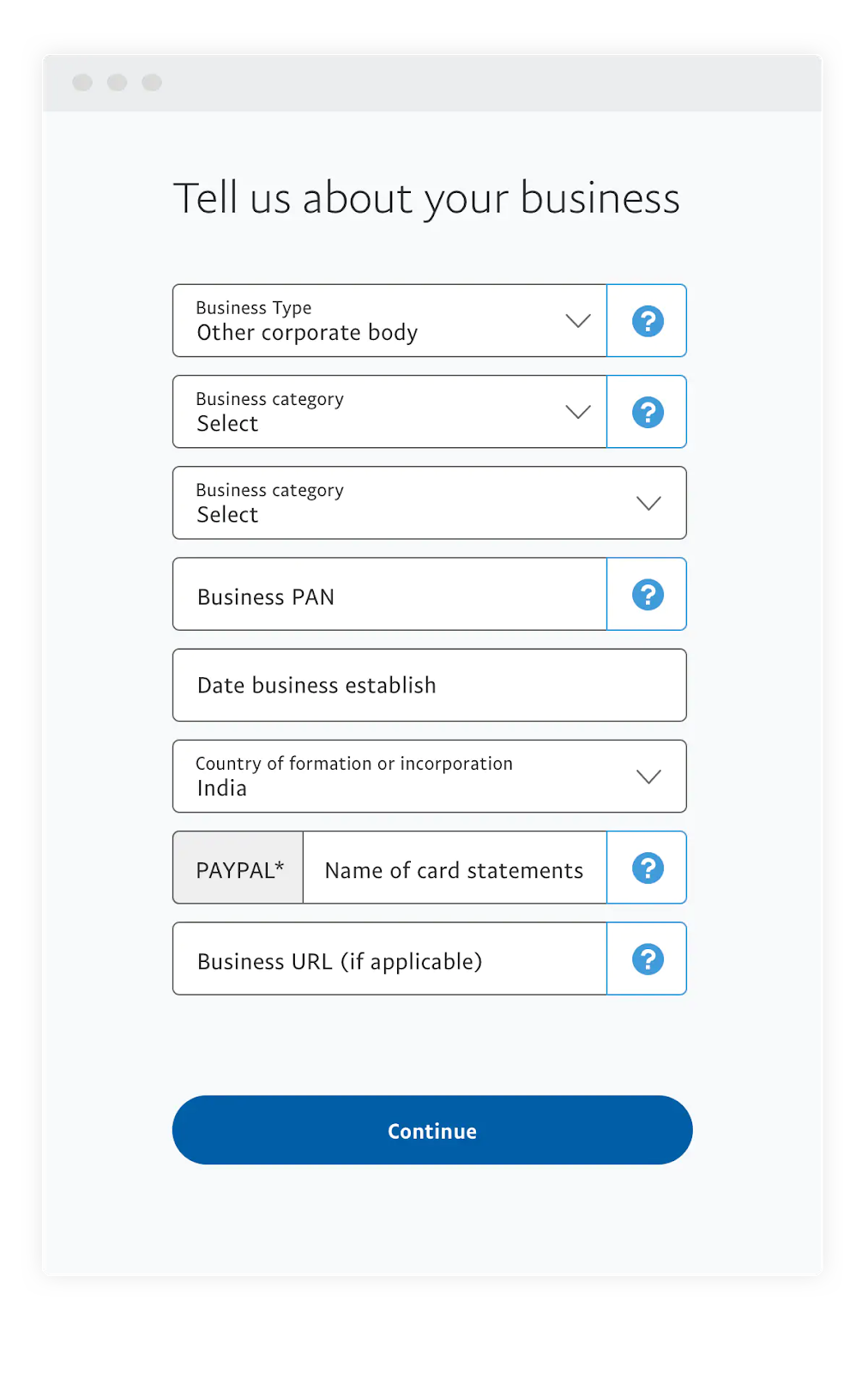
- Business Accounts: Tailored for entrepreneurs, freelancers, and established corporations. These accounts allow for payments to be received under a company name, provide access to more robust reporting tools, and allow for multiple employee logins. From a financial management perspective, a Business Account is essential for separating personal and professional finances—a cornerstone of sound accounting.
2. A Step-by-Step Guide to Setting Up Your Account for Maximum Efficiency
Opening an account is a straightforward process, but doing so with a focus on financial precision requires attention to detail. Every piece of information provided during the setup phase serves as a foundation for your future financial transactions and tax compliance.
Initial Registration and Verification
To begin, navigate to the official website or download the mobile application. You will be prompted to provide an email address and create a password. In the context of financial security, your email should be one that is highly secure and ideally dedicated to financial services.
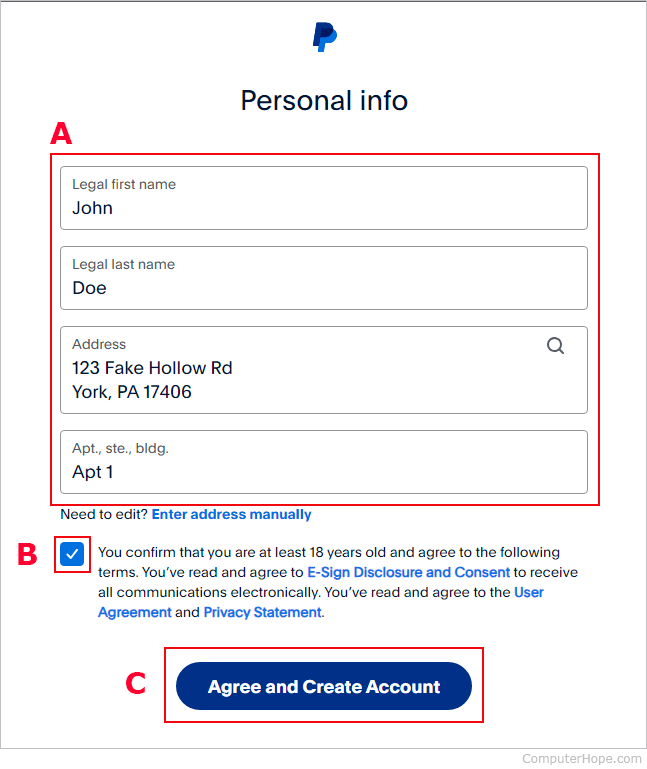
Once the initial profile is created, you must provide your legal name, address, and phone number. It is imperative that this information matches your government-issued identification and bank records exactly. Discrepancies here can lead to “account freezes” or “holds,” which interrupt your cash flow—a situation every savvy money manager seeks to avoid.
Linking Your Bank and Card Assets
The true utility of PayPal is realized when it is connected to your existing capital. You have the option to link a debit/credit card or a direct bank account. For those looking to maximize their “Money” strategy, linking a bank account is often preferred for long-term use. It allows for the easy withdrawal of funds (transferring digital balance to “hard” bank credit) and often bypasses some of the percentage-based fees associated with certain credit card transactions.
PayPal utilizes a “micro-deposit” system for bank verification. They will send two small deposits (usually a few cents) to your bank account. You must then log back into PayPal and enter those amounts to prove ownership. This step is a vital security protocol that ensures your capital remains under your exclusive control.
Confirming Your Identity for Higher Limits
To comply with global Anti-Money Laundering (AML) and Know Your Customer (KYC) regulations, PayPal will eventually require you to verify your identity more deeply, especially as your transaction volume increases. This usually involves providing a Social Security Number (SSN) or a Taxpayer Identification Number (TIN). While this may seem like a hurdle, it is actually a beneficial milestone. Verification removes spending and withdrawal limits, allowing for the unhindered movement of larger sums of capital, which is essential for investing or high-level commerce.
3. Optimizing Your Financial Security and Transaction Safety
In the world of personal finance, defense is just as important as offense. Once your account is open, your focus must shift toward protecting the capital within it. PayPal provides several layers of security that, when utilized correctly, make it one of the safest ways to move money online.
Two-Factor Authentication and Encrypted Payments
The first line of defense for any digital financial tool is Two-Factor Authentication (2FA). By requiring a secondary code sent to your mobile device or generated by an authenticator app, you significantly reduce the risk of unauthorized access. Furthermore, PayPal uses end-to-end encryption for all transactions. This means that even if data is intercepted, the financial details remain unreadable. From a money management perspective, this level of security is non-negotiable for protecting your net worth.
Identifying and Avoiding Phishing Scams
As you begin using your account, you may become a target for “phishing” attempts—fraudulent emails designed to look like official PayPal communications. These often claim there is a “problem with your account” and ask you to click a link. A professional approach to financial digital literacy involves knowing that PayPal will never ask for your password or sensitive data via email. Always navigate directly to the official site to check your account status. Protecting your login credentials is the most effective way to prevent the unauthorized outflow of funds.
4. Leveraging PayPal for Global Income and Wealth Management
Beyond simple purchases, PayPal is a powerful engine for generating and managing income. In the gig economy and the world of digital entrepreneurship, it has become the standard for cross-border payments.
Receiving International Payments and Currency Conversion
One of the most complex aspects of international finance is currency exchange. PayPal simplifies this by allowing you to hold balances in multiple currencies simultaneously. For a freelancer working with international clients, this is a strategic advantage. You can choose when to convert your funds based on fluctuating exchange rates, potentially maximizing your returns. However, it is important to be mindful of PayPal’s conversion fees, which are typically baked into the exchange rate. A disciplined financial actor tracks these costs to ensure they are not eroding profit margins.
Using PayPal for E-commerce and Side Hustles
If you are using your account to generate income—whether through selling goods or providing services—PayPal offers integrated invoicing tools. These tools allow you to send professional, itemized requests for payment. From a business finance standpoint, this is invaluable for record-keeping. At the end of the fiscal year, PayPal provides detailed transaction histories and, in many jurisdictions, 1099-K forms for tax reporting. This automation of financial data makes the “Money” aspect of your business much easier to manage, allowing you to focus on growth rather than administrative overhead.
5. Integrating PayPal into Your Long-Term Financial Strategy
As you become more comfortable with the platform, you will see that it is not just a checkout button, but a versatile component of your financial life. Modern updates to the platform even allow users in certain regions to buy, hold, and sell cryptocurrencies, or earn interest on their balances through various partnership programs.
Strategic Cash Flow Management
A sophisticated user treats their PayPal balance as a “liquid reserve.” By keeping a portion of your earnings within the digital ecosystem, you can facilitate instant payments for business expenses or opportunistic investments without waiting for traditional banking “clearing times.” This speed of capital movement is a hallmark of successful modern financial planning.

Conclusion: The Future of Your Digital Capital
Opening a PayPal account is more than a technical task; it is an entry point into the future of money. By following a structured approach to account setup, prioritizing rigorous security protocols, and understanding the nuances of international currency management, you position yourself to thrive in a digital-first economy.
As you navigate your financial journey, remember that tools like PayPal are most effective when they are integrated into a broader, disciplined strategy. Whether you are saving for the future, building a business, or simply looking for a safer way to shop, the mastery of your digital wallet is a cornerstone of 21st-century financial success. Secure your account, verify your identity, and leverage the global reach of digital finance to ensure your capital is always working as hard as you are.
aViewFromTheCave is a participant in the Amazon Services LLC Associates Program, an affiliate advertising program designed to provide a means for sites to earn advertising fees by advertising and linking to Amazon.com. Amazon, the Amazon logo, AmazonSupply, and the AmazonSupply logo are trademarks of Amazon.com, Inc. or its affiliates. As an Amazon Associate we earn affiliate commissions from qualifying purchases.