
In an era defined by instant digital transfers and mobile banking, the act of mailing a physical check to a government agency can feel like a relic of the past. However, for millions of Americans—ranging from small business owners and freelancers to high-net-worth investors—mailing a payment to the Internal Revenue Service (IRS) remains a necessary or preferred method of settling tax liabilities. Whether you are paying your annual income tax, making quarterly estimated payments, or settling a balance from a previous year, ensuring your payment reaches the correct destination is a critical component of sound personal financial management.

Directing your funds to the wrong processing center can result in delayed credits, unnecessary late fees, and the logistical headache of tracking down a “lost” payment. This guide provides a detailed roadmap on where to mail your IRS payments, how to ensure they are processed correctly, and the financial implications of choosing traditional mail over digital alternatives.
Understanding Why You Might Need to Mail a Physical Payment
While the IRS heavily promotes electronic filing and payment systems, there are several strategic and practical reasons why a taxpayer might opt for the postal service. Understanding these scenarios is the first step in managing your liquidity and tax compliance.
The Paper Trail and Financial Record-Keeping
For many individuals focused on meticulous personal finance, a physical check provides a tangible paper trail. When a check is cashed, the cleared image becomes a permanent record in your bank statement, offering an additional layer of verification beyond a digital confirmation number. For those managing complex business finances or side hustles, this “hard copy” approach can simplify the reconciliation of accounts during an audit or when working with a CPA.
Common Scenarios for Physical Payments
You might find yourself needing to mail a payment if:
- You filed a paper return: If you did not e-file, you likely need to include a payment voucher (Form 1040-V) and a check.
- You are making Estimated Tax Payments: Freelancers and independent contractors often use Form 1040-ES to send quarterly installments.
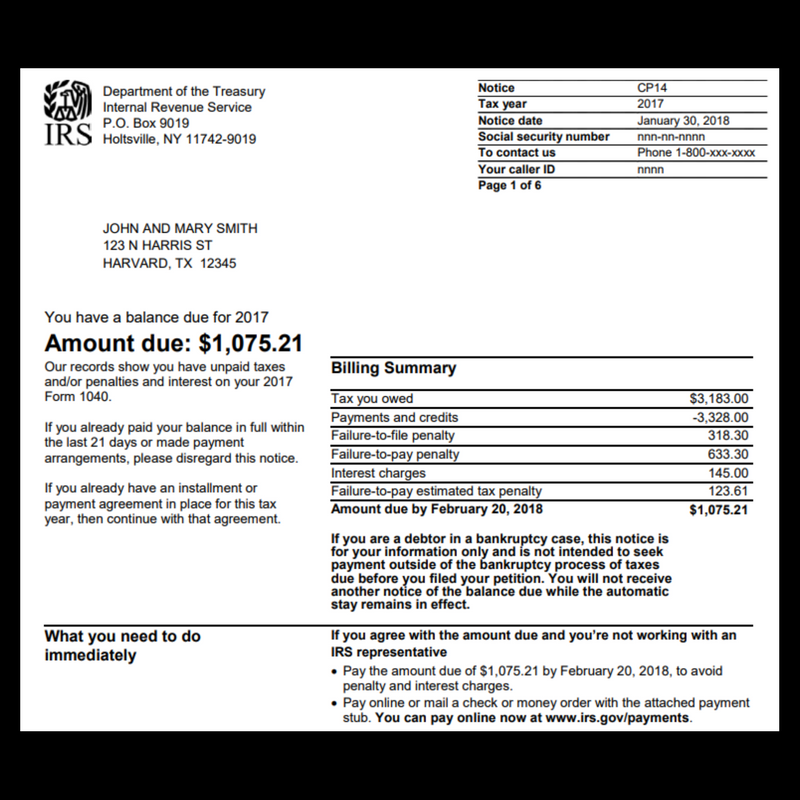
- You are responding to a specific notice: If you received a bill (such as a CP2000 notice) for unpaid taxes from a prior year, the IRS usually requests the payment be sent to a specific address listed on that notice.
- System outages or lack of internet access: Occasionally, digital portals like IRS Direct Pay experience downtime, making the mail the only reliable fallback to meet a deadline.
Locating the Correct IRS Mailing Address Based on Your Situation
One of the most common mistakes taxpayers make is assuming all IRS mail goes to Washington, D.C. In reality, the IRS utilizes various processing centers across the United States, categorized by the taxpayer’s state of residence and the specific type of tax form being filed.
State-by-State Variations for Form 1040
The address you use depends entirely on where you live. For example, a taxpayer living in New York will mail their Form 1040-V and check to a different location than someone living in California. The IRS frequently updates these addresses to balance the workload across their service centers (such as those in Charlotte, Cincinnati, or Louisville).
It is vital to check the official IRS website or the instructions for your specific tax form (e.g., the “Where Do You File?” section of the Form 1040 instructions) every single year. A center that handled your payment last year may not be the designated center this year.
Differentiating Between 1040, 1040-ES, and Business Taxes
The “where” also depends on the “what.”
- Individual Income Tax (1040): These payments are typically sent to a processing center paired with your state.
- Estimated Taxes (1040-ES): These are often directed to a central processing hub, such as a P.O. Box in Cincinnati or Louisville, regardless of your home state, though this varies by region.
- Business Taxes (941 or 1120): Corporate and payroll taxes have their own set of dedicated addresses. Sending a business payroll tax payment to an individual processing center can lead to significant delays in account posting.
Best Practices for Preparing and Mailing Your Payment
Sending money through the mail involves inherent risks, including theft or loss. To mitigate these risks and ensure your payment is applied to the correct tax year and account, you must follow a strict protocol when preparing your envelope.
Writing the Check Correctly
The IRS has specific requirements for how a check should be written to ensure it is not rejected or misapplied.
- Payee: Make the check or money order payable to the “United States Treasury,” not “IRS.”
- Information on the Check: In the memo line, you must include your Social Security Number (SSN) or Individual Taxpayer Identification Number (ITIN). If you are filing a joint return, use the SSN shown first on the return.
- Specific Details: Clearly write the tax year (e.g., “2023”) and the form number (e.g., “Form 1040”). This ensures that if the check becomes separated from your voucher, the IRS clerk knows exactly where to apply the funds.
Essential Enclosures and the “No Staples” Rule
When mailing your payment, always include the appropriate payment voucher (like Form 1040-V). This voucher contains a scannable barcode that speeds up the processing time. Never staple your check to the voucher or the tax return; use a paperclip if necessary, though most instructions prefer the check to be loose within the envelope. Staples can damage the high-speed scanning equipment used by the IRS, leading to manual processing delays.
Certified Mail and Proof of Delivery
In the world of personal finance, “the check is in the mail” is not a valid legal defense unless you can prove it. The IRS considers a payment to be “on time” if it is postmarked by the due date. To protect yourself against late payment penalties, always send your payment via Certified Mail with a Return Receipt Requested. This provides you with a federal postmark and a signature confirming that the IRS received the package. If the IRS claims they never received your payment, this receipt is your primary evidence to have penalties waived.
Modern Alternatives to Mailing Physical Checks
While mailing a payment is a valid option, it is often not the most efficient for managing cash flow. Modern financial tools offer faster, more secure ways to settle debt with the Treasury.
IRS Direct Pay and EFTPS
For individual taxpayers, IRS Direct Pay is a free service that allows you to pay directly from your checking or savings account. The primary benefit here is the “Confirmation Number,” which serves as instant proof of payment. For businesses and individuals with large, frequent liabilities, the Electronic Federal Tax Payment System (EFTPS) is the gold standard. It allows for scheduled payments, ensuring you never miss a deadline and helping you manage your business’s working capital more effectively.
Credit and Debit Card Options
While the IRS does not collect the fees itself, it uses third-party processors to allow taxpayers to pay via credit or debit card. From a financial strategy perspective, this can be a double-edged sword. While it allows you to earn reward points or “float” the payment over a billing cycle, the processing fees (often between 1.8% and 2%) usually outweigh the value of any rewards earned. However, in an emergency where cash is tight, paying via credit card can be cheaper than the IRS’s late payment interest rates.
The Financial Impact of Missing Deadlines or Mailing Errors
Accuracy in mailing your payment is not just a matter of clerical neatness; it is a matter of financial preservation. Errors in this process can lead to a cascade of costs that erode your net worth.
Late Payment Penalties and Interest
If your payment is mailed to the wrong address and does not reach the IRS by the deadline, you may be hit with a “failure-to-pay” penalty. This is typically 0.5% of the unpaid taxes for each month or part of a month the tax remains unpaid, up to 25%. Additionally, the IRS charges underpayment interest that compounds daily. By the time a misdirected check is found or reissued, the interest alone can represent a significant unnecessary expense.
How the IRS Handles Misdirected Mail
If you mail a check to the wrong service center, the IRS will generally forward it to the correct one. However, they do not guarantee this will happen before the deadline. Furthermore, if a payment is sent without the proper identifying information (SSN or Tax Year), it may be placed in a “suspense account” while the IRS attempts to identify the owner. During this time, you may receive automated collection notices, which can cause undue stress and potentially impact your credit considerations if a tax lien were ever to be filed.
Conclusion: Mastering the Logistics of Tax Finance
Whether you are a seasoned investor or a first-time filer, knowing exactly where and how to mail your IRS payment is a fundamental skill in financial literacy. By verifying the correct address for your specific state and form, preparing your check with the necessary identifiers, and utilizing certified mail, you protect your capital from avoidable penalties. While digital tools offer speed, the disciplined execution of a mailed payment remains a reliable pillar of tax compliance for those who prefer the traditional paper trail. Keep your records organized, verify your addresses annually, and always prioritize the security of your financial transmissions.
aViewFromTheCave is a participant in the Amazon Services LLC Associates Program, an affiliate advertising program designed to provide a means for sites to earn advertising fees by advertising and linking to Amazon.com. Amazon, the Amazon logo, AmazonSupply, and the AmazonSupply logo are trademarks of Amazon.com, Inc. or its affiliates. As an Amazon Associate we earn affiliate commissions from qualifying purchases.