
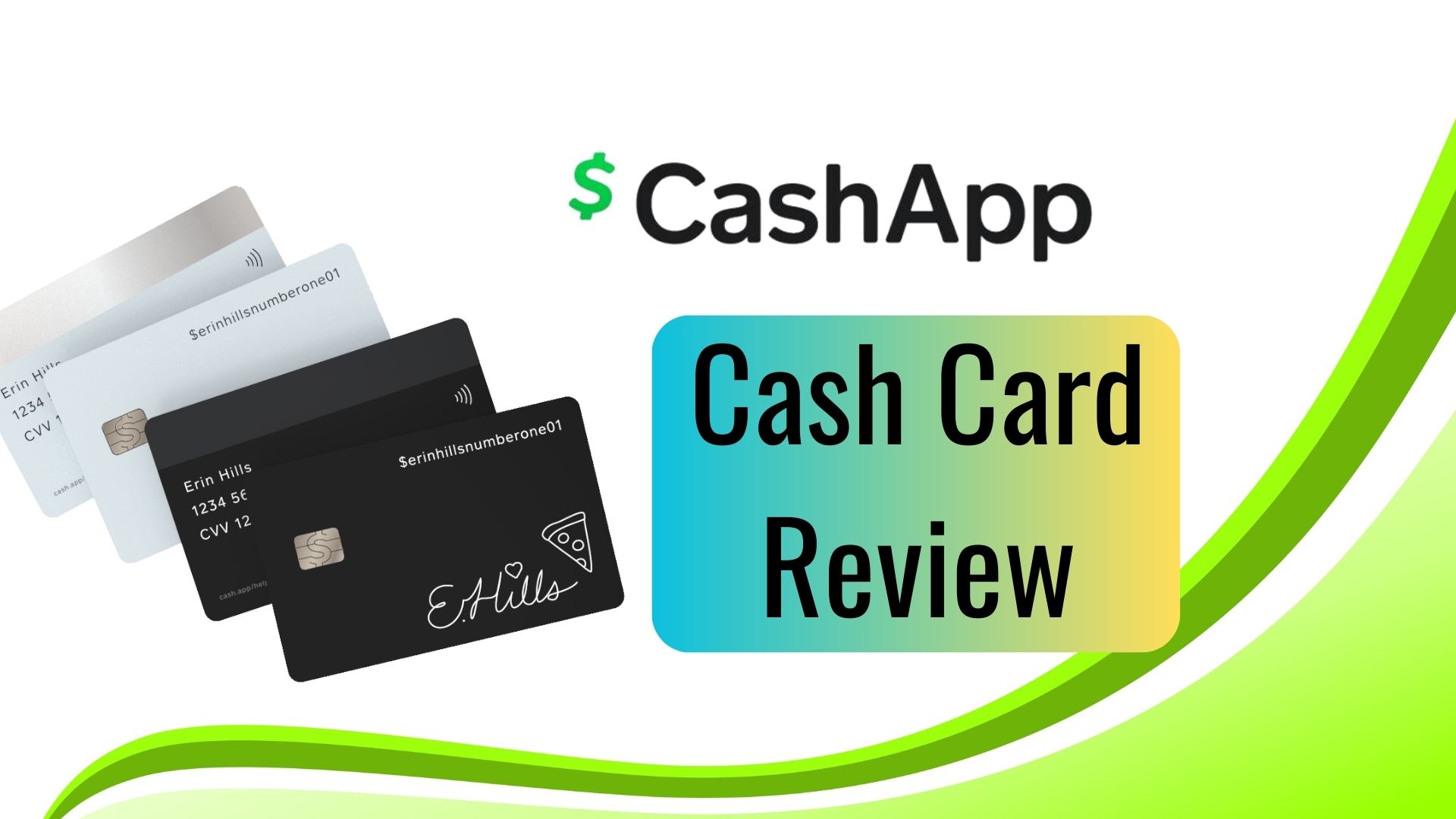
In the rapidly evolving landscape of personal finance, the boundary between traditional banking and digital liquidity has become increasingly blurred. For many, the transition from a standard brick-and-mortar checking account to a streamlined, app-based ecosystem is not just a matter of convenience—it is a strategic move to gain better control over their capital. At the center of this digital revolution is the Cash App Card (formally known as the Cash Card), a customizable Visa debit card that links directly to your Cash App balance.
Unlike traditional bank cards that often come with hidden maintenance fees and rigid structures, the Cash App Card offers a flexible, tech-forward approach to spending, saving, and investing. This guide explores the strategic financial advantages of the Cash App Card and provides a meticulous walkthrough of how to obtain and leverage this tool to enhance your personal financial management.
Understanding the Role of the Cash Card in Modern Personal Finance
Before diving into the mechanics of ordering a card, it is essential to understand where this tool fits within the broader spectrum of financial tools. The Cash App Card is a prepaid debit card, meaning your spending power is limited to the funds you have available in your Cash App account. This structural difference from a traditional credit card makes it an exceptional tool for budgeting and debt prevention.
Bridging the Gap Between Digital and Physical Assets
The primary utility of the Cash App Card is its ability to make digital currency tangible. In the past, peer-to-peer (P2P) payment apps were often “walled gardens”—you could receive money from a friend, but to spend it at a grocery store, you had to initiate a transfer to a traditional bank, a process that could take several business days.
The Cash Card eliminates this friction. By linking a physical piece of plastic (or a digital equivalent in a mobile wallet) to your P2P balance, your digital “credits” become immediate legal tender at any merchant that accepts Visa. For freelancers, gig workers, and those receiving secondary income via the app, this immediate liquidity is a significant upgrade in cash flow management.
The Shift from Traditional Banking to Neo-Banking Solutions
We are currently witnessing a massive migration toward “neo-banking.” Consumers are increasingly weary of the fee-heavy models of “Big Banking” and are looking for transparent, mobile-first solutions. The Cash App Card functions as a gateway to this new world. By offering features like direct deposit, tax filing, and even the ability to buy fractional shares of stock or Bitcoin, the ecosystem surrounding the card serves as a comprehensive financial hub. For the modern consumer, the card is not just a tool for commerce; it is a physical extension of a sophisticated financial dashboard.
Step-by-Step Guide: How to Order and Activate Your Cash App Card
The process of obtaining a Cash App Card is designed to be frictionless, reflecting the app’s overall philosophy of user-centric design. However, from a financial security standpoint, there are several verification steps that ensure your assets remain protected.
Eligibility and Initial Requirements
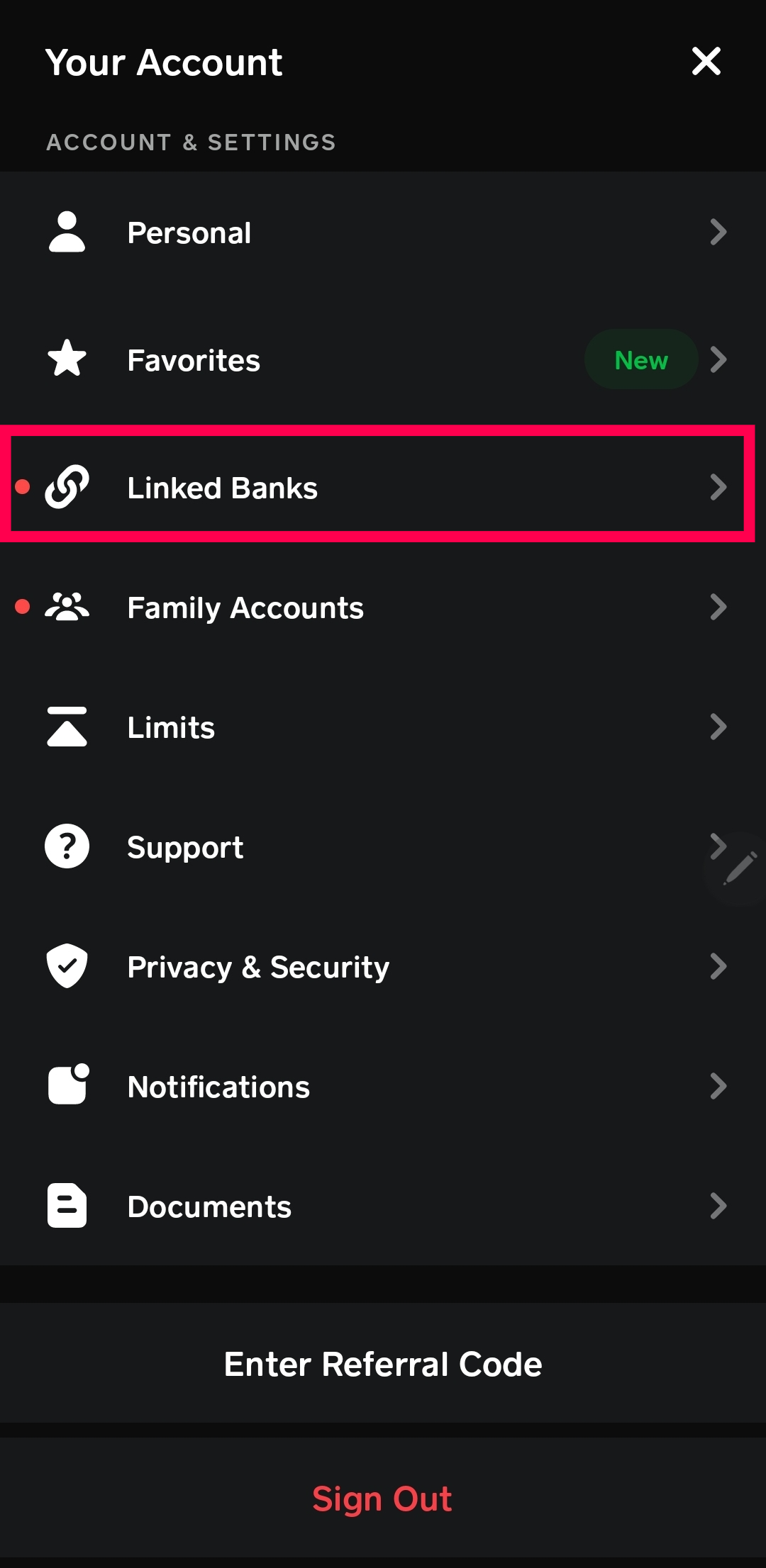
To be eligible for a Cash App Card, you must be at least 13 years old (with parental sponsorship for those under 18) and a resident of the United States or the United Kingdom. From a personal finance perspective, the “Family Account” feature is a powerful tool for teaching teenagers the fundamentals of digital spending and budgeting under the supervision of a legal guardian.
To begin the process:
- Open the Cash App on your mobile device.
- Tap the “Cash Card” icon (the rectangular card shape) located at the bottom of the home screen.
- Select “Get Free Cash Card.”
Customizing Your Financial Experience
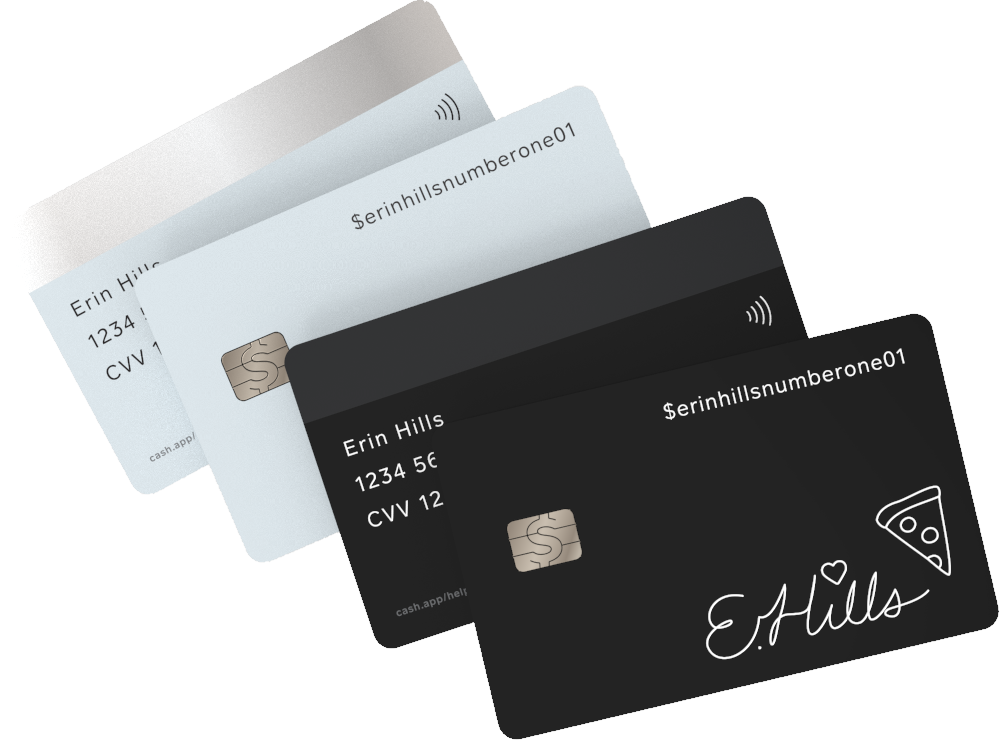
One of the unique aspects of the Cash App Card is the ability to customize its physical appearance. While this may seem like a purely aesthetic choice, it plays into the concept of “personal branding” in finance. Users can choose between various colors, add “glow in the dark” features, or even laser-etch their own signature or “Cashtag” onto the card.
Once you have selected your design and confirmed your personal details—including your legal name, date of birth, and the last four digits of your Social Security Number—your request is processed. This verification is a standard “Know Your Customer” (KYC) requirement, ensuring that the platform complies with federal anti-money laundering regulations.
Activation and Initial Setup
After ordering, your physical card typically arrives via mail within 5 to 10 business days. Upon arrival, the activation process is handled entirely within the app. You will use your smartphone camera to scan the unique QR code provided with the card. If you do not have the QR code, you can activate it manually by entering the CVV and expiration date.
From a strategic standpoint, the moment of activation is the best time to set your “Security Lock.” Cash App allows you to toggle the card on or off instantly. For those practicing strict financial discipline, keeping the card “locked” until the moment of purchase can prevent unauthorized transactions and curb impulsive spending.
Maximizing Financial Benefits: Boosts, Bitcoin, and Rewards
The real value of the Cash App Card lies not in its ability to spend money, but in its ability to save and grow it. The “Money” niche focus here is on the “Boost” program and the integration of micro-investing.
Utilizing Instant Rewards through Cash Card Boosts
“Boosts” are essentially instant-gratification coupons that are applied at the point of sale. Unlike traditional credit card rewards that require you to accumulate points over months, Boosts provide an immediate percentage or dollar-off discount on your purchase.
Common Boosts include:
- 10-15% off at specific coffee shops or fast-food chains.
- 5-10% off at major retailers like DoorDash or grocery stores.
- Occasional “Anywhere” boosts that apply to any transaction.
To maximize these, a savvy user should check their available Boosts before every shopping trip. Because you can only have one Boost active at a time, managing these becomes a tactical part of your weekly budgeting.
Round-Ups: Automating Your Savings and Investments
One of the most effective ways to build wealth is through automation. The Cash App Card offers a “Round-Ups” feature that automatically rounds up every transaction to the nearest dollar. The “spare change” can be directed into a separate savings folder, or more ambitiously, into Bitcoin or a specific stock.
Over the course of a year, these micro-investments can add up to hundreds of dollars. By leveraging the Cash Card for daily transactions, you are essentially creating a passive investment strategy that requires zero manual intervention once set up.
Direct Deposit and Early Paycheck Access
To truly treat Cash App as a primary financial tool, users can set up direct deposits. By routing your paycheck to your Cash App account, you often gain access to your funds up to two days earlier than you would with a traditional bank. Furthermore, having a consistent direct deposit often unlocks higher-tier Boosts and increases your “Borrow” limit—a feature that allows eligible users to take out small, short-term loans directly through the app.
Security Protocols and Financial Safety in a Digital Age
When dealing with digital-first financial tools, security is a paramount concern. The Cash App Card is issued by Sutton Bank or Lincoln Savings Bank, and while the funds are held in a P2P environment, they are FDIC-insured up to $250,000 if you have a verified account and a Cash Card.
Card Control Features: Toggle Spending and Locking
The most powerful security feature is the “Disable Card” toggle. If you misplace your wallet, you do not need to call a bank or wait on hold for twenty minutes. A single tap in the app freezes the card. This level of autonomy is a hallmark of modern financial tools, giving the user total agency over their physical security.
Identifying and Avoiding Financial Scams
As with any popular financial tool, the Cash App ecosystem is a target for “phishing” and “social engineering” scams. It is vital to remember that Cash App support will never ask for your PIN, sign-in code, or ask you to send a “test payment.” Because the Cash Card is linked to your primary balance, your “Money” security depends on your “Digital” security. Using biometric locks (FaceID or Fingerprint) for every transaction is a non-negotiable best practice for any serious user.
Comparing the Cash Card to Traditional Debit and Credit Options
To conclude this guide, we must evaluate where the Cash Card sits in the hierarchy of financial products. Is it a replacement for a traditional bank, or a supplement?
Fee Structures and Transparency
Standard banking often involves “overdraft protection fees” that can cost $35 per occurrence. The Cash App Card generally lacks these predatory fees. There are no monthly maintenance fees, no inactivity fees, and no minimum balance requirements. The primary cost associated with the card is the ATM fee ($2.50), which Cash App actually reimburses if you have at least $300 in direct deposits coming in each month.
Accessibility and Financial Inclusion
Perhaps the greatest contribution of the Cash App Card to the world of personal finance is its accessibility. For individuals who have been “blacklisted” by traditional banks due to poor ChexSystems reports, the Cash Card offers a path back to financial inclusion. It provides a dignified, high-tech way to manage money without the barriers to entry that define the old guard of the banking industry.
In summary, getting a Cash App Card is more than just a way to spend money—it is a strategic decision to adopt a more agile, rewarding, and transparent way of handling your personal finances. By following the steps to order, activate, and optimize the card’s features, you can transform a simple piece of plastic into a powerful engine for savings and financial growth.
aViewFromTheCave is a participant in the Amazon Services LLC Associates Program, an affiliate advertising program designed to provide a means for sites to earn advertising fees by advertising and linking to Amazon.com. Amazon, the Amazon logo, AmazonSupply, and the AmazonSupply logo are trademarks of Amazon.com, Inc. or its affiliates. As an Amazon Associate we earn affiliate commissions from qualifying purchases.