
For many individuals and business owners, the prospect of sending money to the Internal Revenue Service (IRS) is met with a mix of anxiety and confusion. However, in the modern financial landscape, understanding the mechanics of tax payments is a vital component of personal finance management. Whether you are a high-net-worth investor, a burgeoning entrepreneur with a side hustle, or a W-2 employee with a one-time tax liability, knowing how to efficiently move funds to the treasury is essential for maintaining your financial health and avoiding unnecessary penalties.
The IRS has undergone a significant digital transformation over the last decade, moving away from a primary reliance on paper checks toward a diverse ecosystem of electronic payment options. This evolution provides taxpayers with greater flexibility, but it also requires a nuanced understanding of which payment method suits specific financial situations.
Streamlining Your Payments: The Primary Electronic Channels
In the realm of personal finance, efficiency is key. Electronic payments are the gold standard because they provide an immediate digital trail, ensuring that you have proof of payment the moment the transaction is initiated.
IRS Direct Pay: The No-Cost Solution
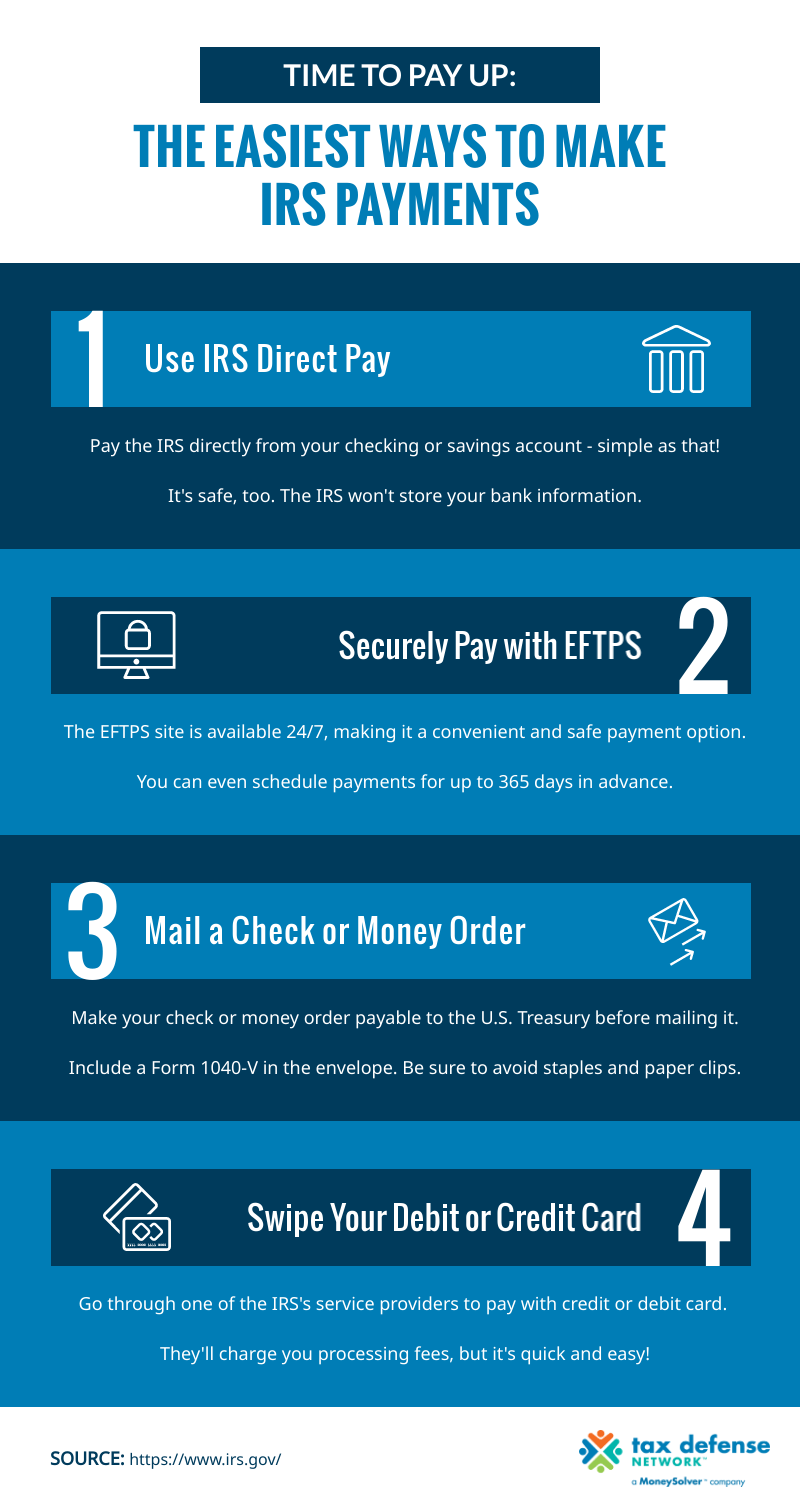
For most individual taxpayers, IRS Direct Pay is the most efficient tool available. This service allows you to pay your income tax directly from your checking or savings account without any additional fees. It is particularly useful for those paying their 1040 individual income tax, estimated taxes, or an extension of time to file. The primary advantage of Direct Pay is its simplicity; there is no registration required, and you receive instant confirmation. From a financial planning perspective, utilizing a no-fee service like Direct Pay ensures that 100% of your allocated funds go toward your tax liability rather than being eroded by processing fees.
The Electronic Federal Tax Payment System (EFTPS)
While Direct Pay is excellent for individuals, the EFTPS is the preferred vehicle for business finance and high-frequency taxpayers. EFTPS is a free service provided by the U.S. Department of the Treasury that allows for the payment of federal taxes via the internet or phone. Unlike Direct Pay, EFTPS requires an initial enrollment process, which involves receiving a PIN via mail. However, once set up, it offers a robust platform for scheduling payments up to 365 days in advance. For business owners managing payroll taxes or complex corporate filings, EFTPS provides a higher level of reporting and tracking that is indispensable for professional bookkeeping.
Paying via Debit or Credit Card
The IRS does not collect fees for credit or debit card payments directly, but they utilize third-party payment processors that do. These processors charge a percentage-based convenience fee, typically ranging from 1.82% to 1.98% for credit cards, or a flat fee for debit cards. From an investing and personal finance standpoint, this method requires a cost-benefit analysis. Some savvy taxpayers use high-reward credit cards to pay their taxes, aiming to earn points or miles that exceed the value of the 2% processing fee. However, if the rewards do not outweigh the fees, or if you cannot pay off the credit card balance immediately, this can become a costly financial mistake due to high interest rates.
Traditional and Alternative Payment Methods
Despite the push toward digitalization, several traditional and alternative methods remain viable for those who prefer physical transactions or find themselves in unique financial circumstances.
Paper Checks and Money Orders
The traditional method of mailing a check or money order is still available, though it is generally discouraged by financial advisors due to the risks of mail theft or loss. If you choose this route, the payment must be made out to the “U.S. Treasury” and include your name, address, Social Security number (or EIN), the tax year, and the specific tax form number. To safeguard your financial interests, it is highly recommended to send tax payments via USPS Certified Mail with a return receipt requested. This provides legal proof of the postmark date, which is critical if a payment is delayed in transit.
Cash Payments at Retail Partners
In an effort to provide “financial inclusion” for those who may not have traditional bank accounts, the IRS allows for cash payments through various retail partners. By using the Official Payments or ACI Worldwide portals, taxpayers can generate a code to pay their taxes in person at participating locations such as 7-Eleven, Walgreens, or CVS. While this method is convenient for some, it comes with lower daily limits (often $1,000 per day) and requires several days of lead time to process.

Same-Day Wire Transfers
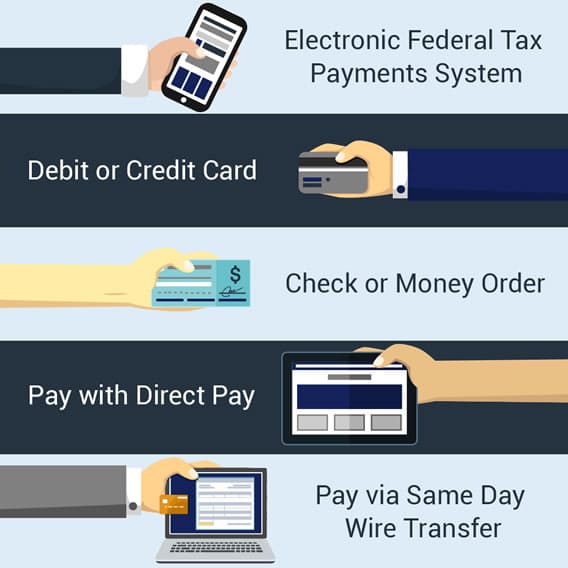
For high-stakes business finance or large-sum individual payments where time is of the essence, a same-day wire transfer is an option. This involves your bank sending funds directly to the Federal Reserve Bank. While the IRS does not charge a fee for this, most commercial banks charge a wire fee (typically $25 to $50). This is often used on the final day of a tax deadline to ensure the “Money” reaches the government before the stroke of midnight, avoiding late-payment penalties that could dwarf the wire fee.
Strategic Tax Management for the Modern Professional
Paying the IRS is not just about the transaction; it is about the strategy behind the timing and the amount. In the world of online income and side hustles, proactive management of your tax liability is what separates successful entrepreneurs from those who struggle with seasonal cash flow.
Quarterly Estimated Payments
For those with significant online income, freelance earnings, or investment gains, the “pay-as-you-go” system is mandatory. The IRS expects taxpayers to pay their liability in four installments throughout the year (April, June, September, and January). Failing to do so can result in an underpayment penalty, even if you pay the full balance by April 15. Integrating these payments into your monthly business finance workflow ensures that you are not hit with a massive, unmanageable bill in the spring, which could otherwise deplete your emergency fund or investment capital.
Navigating Installment Agreements and Extensions
Financial hardships are a reality of the economic cycle. If you find yourself in a position where you cannot pay your tax bill in full, the IRS offers several “payment plans” or installment agreements. From a personal finance perspective, an installment agreement is essentially a government loan. While it incurs interest and a setup fee, it prevents the IRS from taking more aggressive collection actions like wage garnishments or bank levies. Exploring an “Offer in Compromise” is a more advanced strategy for those in deep financial distress, allowing them to settle their debt for less than the full amount owed—though this requires a rigorous disclosure of all assets and income.
Digital Tools for Financial Oversight and Security
Maintaining a clear view of your financial standing with the government is easier than ever thanks to dedicated online portals. Security is paramount when dealing with tax information, and the IRS has implemented multi-factor authentication to protect these sensitive financial records.
The IRS Online Account
Every taxpayer should consider creating an IRS Online Account. This portal acts as a central hub for your financial relationship with the government. You can view your total balance owed, see your payment history for the last 24 months, and even view key data from your most recent tax return. For those focused on personal branding and professional organization, having this data at your fingertips simplifies the process when applying for mortgages or business loans, where tax transcripts are often a prerequisite.
Protecting Your Financial Identity
In the digital age, “Money” and “Digital Security” are inextricably linked. When making payments, always ensure you are on a verified .gov website. Scammers often use “spoofing” techniques to create look-alike sites to steal your bank details. Never respond to unsolicited emails or text messages asking for tax payments. The IRS will never initiate contact via social media or text to demand a payment via a specific method like a prepaid debit card or wire transfer.
Tracking and Confirmation Codes
Regardless of the method used, the most critical step in the payment process is the confirmation code. Whether it is an EFTPS tracking number or a Direct Pay confirmation, this digital receipt is your ultimate defense in case of a dispute. Financial experts recommend saving these confirmations as PDF files in a secure, encrypted cloud storage folder alongside your annual tax returns. This level of organization ensures that if the IRS ever claims a payment was missed, you can provide the exact transaction ID and timestamp to rectify the error immediately.
Conclusion: Mastering Your Financial Relationship with the Treasury
Understanding how to make a payment to the IRS is a fundamental skill in the broader context of financial literacy. By moving away from the stress of the “tax season scramble” and toward a disciplined, year-round approach to tax liability management, you can protect your assets and maintain your focus on building wealth.
Whether you choose the simplicity of Direct Pay, the structured nature of EFTPS, or the strategic use of credit cards for rewards, the goal remains the same: compliance and efficiency. By mastering these payment channels, you transition from being a reactive taxpayer to a proactive financial manager, ensuring that your obligations to the government are met with the same precision you apply to your investments and business ventures. In the end, a well-managed tax strategy is one of the most effective ways to ensure long-term financial stability and peace of mind.
aViewFromTheCave is a participant in the Amazon Services LLC Associates Program, an affiliate advertising program designed to provide a means for sites to earn advertising fees by advertising and linking to Amazon.com. Amazon, the Amazon logo, AmazonSupply, and the AmazonSupply logo are trademarks of Amazon.com, Inc. or its affiliates. As an Amazon Associate we earn affiliate commissions from qualifying purchases.