
The question “Where do I pay my student loans?” is far more common and complex than it might initially appear. For many graduates and current students, navigating the world of student loan repayment can feel like deciphering an intricate financial labyrinth. With billions of dollars in outstanding student debt across the nation, understanding precisely who to pay and how to pay them is not just a logistical detail, but a foundational step towards effective personal financial management. This guide aims to demystify the process, providing a clear roadmap to successfully manage your student loan obligations and empower you to take control of your financial future.

The journey begins not with a bank statement, but with identifying your specific loan servicer. Unlike other types of debt where your lender is often straightforward, student loans—especially federal ones—are typically handled by a third-party organization called a loan servicer. This distinction is crucial, as your servicer is your primary point of contact for all payment-related inquiries, repayment plan adjustments, and financial assistance. Without knowing who your servicer is, making a payment becomes impossible.
Beyond simply finding your servicer, understanding the various payment methods, exploring different repayment plans, and being aware of critical considerations such as interest accumulation and credit implications are all vital components of responsible student loan management. This article will break down each of these elements, offering actionable advice to ensure you’re not just paying your loans, but paying them wisely and strategically.
Identifying Your Student Loan Servicer
The first and most critical step in paying your student loans is to identify who is managing your debt. Your loan servicer is the company that handles all billing, customer service, and other administrative tasks associated with your loans. They are the intermediary between you and the original lender (e.g., the federal government or a private bank).
The Role of a Loan Servicer
A loan servicer acts as your primary point of contact for everything related to your student loans. Their responsibilities include:
- Sending out monthly billing statements.
- Processing your payments.
- Keeping track of your loan balance and payment history.
- Helping you understand your repayment options.
- Assisting with applications for deferment, forbearance, or income-driven repayment plans.
- Providing tax documents (like Form 1098-E for student loan interest deduction).
It’s important to understand that your loan servicer is not the original lender, but rather the company contracted to manage your loan on behalf of the lender. For federal loans, the U.S. Department of Education uses a handful of servicers, while private loans can be serviced by the originating bank or a third-party company.
How to Find Your Federal Loan Servicer
For federal student loans, the process of finding your servicer is centralized and relatively straightforward.
- StudentAid.gov: The definitive source for all your federal student loan information is the National Student Loan Data System (NSLDS) via StudentAid.gov. Log in using your FSA ID (the same ID you used to fill out the FAFSA). Once logged in, navigate to your Dashboard, and you’ll find a complete list of all your federal student loans, including the loan servicer(s) assigned to each. This platform will also provide their contact information, including phone numbers and website links.
- Previous Correspondence: Check any old emails or physical mail you may have received regarding your student loans. When your loans were disbursed, or when they entered repayment, you would have received notifications from your assigned servicer.
It’s common for borrowers to have multiple federal loans, potentially managed by different servicers, especially if you attended school for several years. Always check StudentAid.gov to get a comprehensive overview.
How to Find Your Private Loan Servicer
Private student loans are not part of the federal system, meaning they won’t appear on StudentAid.gov. Finding your private loan servicer requires a different approach:
- Credit Report: Your credit report is an excellent resource for identifying all types of debt, including private student loans. You are entitled to a free copy of your credit report from each of the three major credit bureaus (Equifax, Experian, and TransUnion) once every 12 months through AnnualCreditReport.com. Your credit report will list all your loan accounts, including the lender and often the servicer, along with their contact information.
- Original Loan Documents: If you still have access to the original promissory notes or loan agreements you signed, these documents will clearly state the lender and servicer.
- Bank Statements: Check old bank statements for automatic withdrawals or manual payments made to your private loan servicer. The payee name will likely be your servicer.
Once you identify your servicer(s), the next step is to create an online account with each of them. This will be your primary portal for managing your loans, making payments, and accessing important information.
Navigating the Payment Process
With your loan servicer(s) identified and accounts established, the focus shifts to understanding and executing the actual payment process. This involves more than just sending money; it requires attention to detail, understanding your statements, and choosing the right payment method.
Setting Up Your Account Online
Most loan servicers offer robust online portals that serve as a central hub for managing your loans. After identifying your servicer, visit their website and register for an online account. You’ll typically need your social security number, date of birth, and possibly your loan account number.
Through your online account, you can usually:
- View your loan balances, interest rates, and payment history.
- Make one-time payments.
- Set up recurring automatic payments (auto-debit).
- Update your contact information.
- Access electronic billing statements and tax documents.
- Explore different repayment plan options.
Setting up auto-debit is highly recommended. Many servicers offer a small interest rate reduction (e.g., 0.25%) as an incentive for enrolling in auto-debit, and it significantly reduces the risk of missed payments.
Understanding Your Billing Statement
Your monthly billing statement contains vital information that helps you understand your loan’s status and your payment obligations. Key components include:
- Minimum Payment Due: This is the lowest amount you must pay by the due date to avoid late fees and negative credit reporting.
- Due Date: The specific date your payment must be received by your servicer.
- Total Balance: The remaining principal amount of your loan.
- Interest Rate: The annual percentage rate charged on your loan.
- Interest Accrued: The amount of interest that has accumulated since your last payment.
- Payment Breakdown: How your payment will be applied (usually first to fees, then interest, then principal).
Always review your statements carefully. If anything looks incorrect or confusing, contact your servicer immediately.
Payment Methods
Loan servicers offer several ways to make your payments:
- Online Portal (Recommended): The most convenient and reliable method. You can link your bank account (checking or savings) and initiate one-time payments or set up auto-debit.
- Auto-Debit/Automatic Payments: Your servicer automatically withdraws the payment from your bank account on the due date. This is generally the safest way to ensure on-time payments and often comes with a slight interest rate reduction.
- Mail: You can send a check or money order through the mail. Ensure you include your account number on the payment and mail it well in advance of the due date to account for processing time.
- Phone: Most servicers allow you to make payments over the phone, though some may charge a small fee for this service.
- Third-Party Bill Pay Services: Some banks offer bill pay services that can send payments to your servicer. Be cautious to ensure the payments are sent electronically and arrive on time.
For security and convenience, online payments, especially auto-debit, are generally the preferred method.
Making Extra Payments
One of the most effective strategies for saving money on interest and paying off your loans faster is to make extra payments.
- How it Works: When you send an extra payment, or pay more than your minimum due, specify to your servicer that the additional funds should be applied directly to the principal balance. This is crucial because if you don’t specify, the servicer might apply it to future payments or accrued interest first, which reduces the impact on your principal.
- Benefits: Paying down the principal balance reduces the amount on which interest accrues, leading to significant savings over the life of the loan and a faster payoff date. Even small extra payments can make a big difference over time.
You can often designate extra payments through your online portal, or by calling your servicer directly to ensure the funds are applied correctly.
Exploring Repayment Options and Strategies
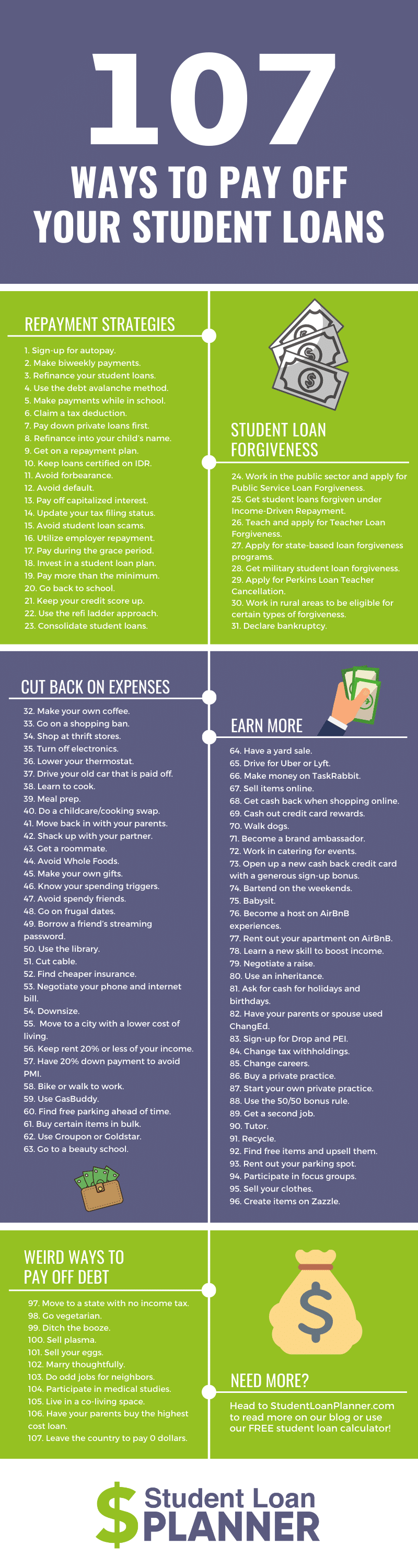
Paying your student loans isn’t a one-size-fits-all endeavor. The federal government, in particular, offers a variety of repayment plans designed to accommodate different financial situations. Understanding these options, as well as strategies like refinancing, is key to managing your debt effectively.
Federal Repayment Plans
Federal student loans come with several repayment plan options, each with distinct features:
- Standard Repayment Plan: This is the default plan, typically amortized over 10 years with fixed monthly payments. It’s designed to pay off your loans quickly and with the least amount of interest.
- Graduated Repayment Plan: Payments start lower and gradually increase, usually every two years. The repayment period is also 10 years, but you’ll pay more interest overall compared to the Standard Plan.
- Extended Repayment Plan: Available for borrowers with more than $30,000 in direct loans or FFEL loans, this plan extends the repayment period up to 25 years. Payments can be fixed or graduated, resulting in lower monthly payments but significantly more interest paid over time.
- Income-Driven Repayment (IDR) Plans: These plans (REPAYE, PAYE, IBR, ICR) adjust your monthly payment based on your income and family size. Payments are typically capped at 10-20% of your discretionary income and can be as low as $0. Any remaining balance after 20 or 25 years of payments is forgiven, though the forgiven amount may be taxable. IDR plans are particularly helpful for borrowers with low income relative to their debt.
Choosing the right plan depends on your current income, career path, and financial goals. You can switch between plans if your circumstances change.
Deferment and Forbearance
If you encounter financial hardship, deferment and forbearance offer temporary relief from making student loan payments.
- Deferment: Allows you to temporarily postpone payments. Interest typically does not accrue on subsidized federal loans during deferment, but it usually does on unsubsidized federal loans and all private loans. Common reasons for deferment include unemployment, active duty military service, or returning to school.
- Forbearance: Also allows you to temporarily stop or reduce payments, but interest accrues on all loan types during forbearance. It’s generally easier to obtain than deferment and is often used for short-term financial difficulties.
Both options should be used as a last resort, as they increase the total amount you will pay due to accumulating interest. Always apply for these programs before you miss a payment.
Student Loan Refinancing
Refinancing involves taking out a new private loan to pay off one or more existing student loans (federal or private). This is typically done to:
- Secure a lower interest rate: If your credit score has improved or market rates have dropped, you might qualify for a lower rate, saving you money.
- Simplify payments: Consolidate multiple loans into a single monthly payment with one servicer.
- Change repayment terms: Adjust your loan term (e.g., shorten it to pay off faster or extend it to lower monthly payments).
Considerations:
- Loss of Federal Protections: Refinancing federal loans into a private loan means losing access to federal benefits like IDR plans, deferment, forbearance, and potential forgiveness programs. This is a significant trade-off to weigh carefully.
- Creditworthiness: Eligibility for refinancing depends heavily on your credit score, income, and debt-to-income ratio.
Refinancing can be a powerful tool for eligible borrowers, but it requires careful evaluation of the pros and cons.
Strategies for Accelerated Payoff
Beyond refinancing, several strategies can help you pay down your loans faster:
- Bi-Weekly Payments: Instead of one monthly payment, make half a payment every two weeks. This results in 26 half-payments (or 13 full payments) per year, effectively making an extra payment annually.
- Debt Avalanche Method: Focus on paying off the loan with the highest interest rate first, while making minimum payments on all others. Once the highest-interest loan is paid off, apply that payment amount to the next highest-interest loan, and so on. This method saves the most money on interest.
- Debt Snowball Method: Focus on paying off the smallest loan balance first, while making minimum payments on all others. Once the smallest loan is paid off, apply that payment amount to the next smallest loan. This method provides psychological wins that can keep you motivated, though it may cost more in interest than the avalanche method.
- Windfalls and Bonuses: Use any unexpected income, such as tax refunds, work bonuses, or inheritance, to make extra payments.
These strategies, combined with extra payments whenever possible, can dramatically reduce the total cost and time of your student loan repayment.
Crucial Considerations and Best Practices
Managing student loans extends beyond simply making payments; it involves proactive engagement, awareness of tax implications, and protecting yourself from potential pitfalls.
The Importance of On-Time Payments
Making your student loan payments on time is paramount for several reasons:
- Credit Score: Payment history is the most significant factor in your credit score. Late payments (typically 30 days or more past due) can severely damage your credit, making it harder to secure future loans, housing, or even employment.
- Avoiding Default: Consistent missed payments can lead to default, which has severe consequences, including wage garnishment, seizure of tax refunds, and loss of eligibility for future federal student aid.
- Late Fees: Missed payments often incur late fees, adding to your debt.
Enroll in auto-debit, set up payment reminders, or mark your due dates on your calendar to ensure you never miss a payment.
Communicating with Your Servicer
Your loan servicer is your primary resource for all student loan-related questions and challenges.
- Proactive Contact: If you anticipate difficulty making a payment, or if your financial situation changes (e.g., job loss, reduction in income), contact your servicer immediately. They can discuss options like changing your repayment plan, deferment, or forbearance before you miss a payment.
- Document Everything: Keep records of all communications with your servicer, including dates, names of representatives, and a summary of the conversation. If communicating by mail or email, keep copies.
Don’t wait until you’re in distress; reaching out early can prevent bigger problems.
Tax Implications of Student Loan Interest
The interest you pay on your student loans can be tax-deductible.
- Student Loan Interest Deduction: You may be able to deduct the amount of interest paid on qualified student loans, up to $2,500 annually, from your taxable income. This deduction can reduce your overall tax liability.
- Form 1098-E: Your loan servicer will send you Form 1098-E, Statement of Student Loan Interest, if you paid $600 or more in interest during the year. If you paid less, you might still be able to deduct it, but you’ll need to calculate the amount yourself or retrieve it from your online account.
Consult a tax professional or IRS resources to understand how this deduction applies to your specific situation.
Protecting Yourself from Scams
Unfortunately, the complexity of student loans makes borrowers targets for scams. Be wary of companies promising:
- Instant Loan Forgiveness: Legitimate forgiveness programs have specific eligibility requirements and application processes, often handled by your servicer or the Department of Education.
- Guaranteed Lower Payments: While servicers can help you explore options, no third party can guarantee a specific payment reduction without reviewing your specific financial situation.
- Fees for Services: Never pay a third party for services you can get for free directly from your loan servicer or the Department of Education (e.g., help applying for an IDR plan).
Always verify the legitimacy of any communication regarding your student loans. Stick to official channels like StudentAid.gov or your known loan servicer’s website. If in doubt, contact your servicer directly using contact information found on their official website or on StudentAid.gov, not from an unsolicited email or phone call.
Conclusion
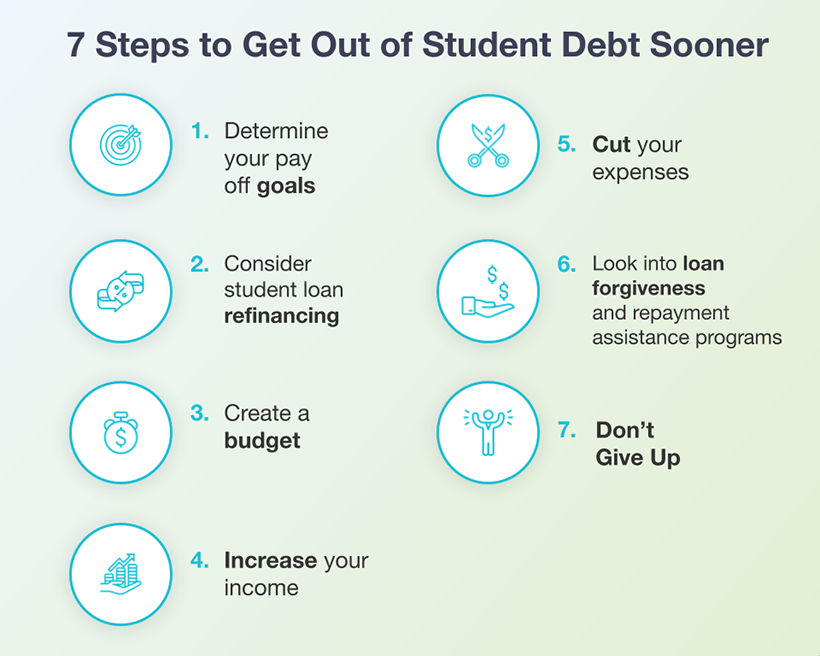
Paying your student loans can seem daunting, but by systematically identifying your loan servicer, understanding your billing and payment options, and exploring suitable repayment strategies, you can transform a complex obligation into a manageable financial goal. The question “where do I pay my student loans?” is the first step on a journey that, with careful planning and proactive engagement, leads to financial freedom.
Take the time to familiarize yourself with your loans, leverage the resources available through your servicer and government websites, and never hesitate to ask questions. Your financial future is in your hands, and mastering your student loan repayment is a powerful demonstration of your commitment to long-term fiscal health.
aViewFromTheCave is a participant in the Amazon Services LLC Associates Program, an affiliate advertising program designed to provide a means for sites to earn advertising fees by advertising and linking to Amazon.com. Amazon, the Amazon logo, AmazonSupply, and the AmazonSupply logo are trademarks of Amazon.com, Inc. or its affiliates. As an Amazon Associate we earn affiliate commissions from qualifying purchases.