
For millions of Americans, student loans are a significant financial commitment, often representing one of the largest debts they will carry for years, if not decades. Yet, in the whirlwind of college applications, financial aid forms, and post-graduation transitions, it’s surprisingly common for borrowers to lose track of exactly how many loans they have, who their servicers are, or even the total outstanding balance. This oversight can lead to missed payments, damaged credit, and missed opportunities for better repayment plans or refinancing options.
The imperative to locate and understand every single one of your student loans cannot be overstated. It’s not just about knowing a number; it’s about taking control of your financial future, making informed decisions, and ultimately, strategizing your path to debt freedom. Whether you’re nearing repayment, struggling with current payments, or simply trying to get a clearer picture of your financial health, this comprehensive guide will walk you through the essential steps to unearth every student loan you hold, both federal and private.
The Indispensable Need to Locate Your Student Loans
Before diving into the “how-to,” it’s crucial to understand the profound “why.” Locating all your student loans is more than just a clerical task; it’s a foundational step towards effective personal finance management and can prevent a cascade of negative financial consequences.
Understanding Your Financial Landscape
Your student loans are a significant part of your overall financial picture. Just as you wouldn’t manage a budget without knowing your income or track investments without knowing your portfolio, you cannot effectively manage your debt without a complete inventory of your loans. Knowing the principal amount, interest rate, repayment terms, and servicer for each loan empowers you to understand your total financial obligation. This clarity allows you to budget more accurately, plan for future financial goals like homeownership or retirement, and generally make more intelligent financial decisions. Without this knowledge, you’re navigating your financial life with a blindfold on.
Avoiding Default and Missed Payments
One of the most immediate and critical reasons to find all your student loans is to prevent missed payments and potential default. Each loan, whether federal or private, will have its own payment schedule and servicer. If you don’t know who to pay or when to pay them, you risk falling behind. Defaulting on a student loan carries severe consequences, including significant damage to your credit score, wage garnishment, tax refund offsets, and even the inability to obtain new lines of credit. By proactively identifying all your loans, you can set up payment reminders, understand grace periods, and ensure you meet your obligations, safeguarding your credit and financial well-being.
Preparing for Repayment or Refinancing
Whether you’re graduating soon and entering repayment, or years into your repayment journey, having a complete list of your loans is essential for optimizing your strategy. If you’re looking to consolidate federal loans, apply for an income-driven repayment plan, or explore refinancing options with a private lender, you’ll need precise details for every loan. Lenders and servicers will require this information to provide accurate quotes and eligible options. Attempting to pursue these avenues without a full picture of your debt can lead to delays, errors, and potentially missing out on the best terms available to you.
Unearthing Your Federal Student Loans
Federal student loans are often easier to track because they are managed through a centralized system. There are several key resources designed to help you find these loans.
The National Student Loan Data System (NSLDS) – Your First Stop
The National Student Loan Data System (NSLDS) is the U.S. Department of Education’s central database for student aid. It contains information on federal grants, scholarships, and loans. This is arguably the most reliable and comprehensive source for tracking down your federal student loans.
To access the NSLDS:
- Visit the official NSLDS website.
- Log in using your Federal Student Aid (FSA) ID. If you don’t have one, you can create one on the FSA website. Your FSA ID is the same login you used to complete the Free Application for Federal Student Aid (FAFSA).
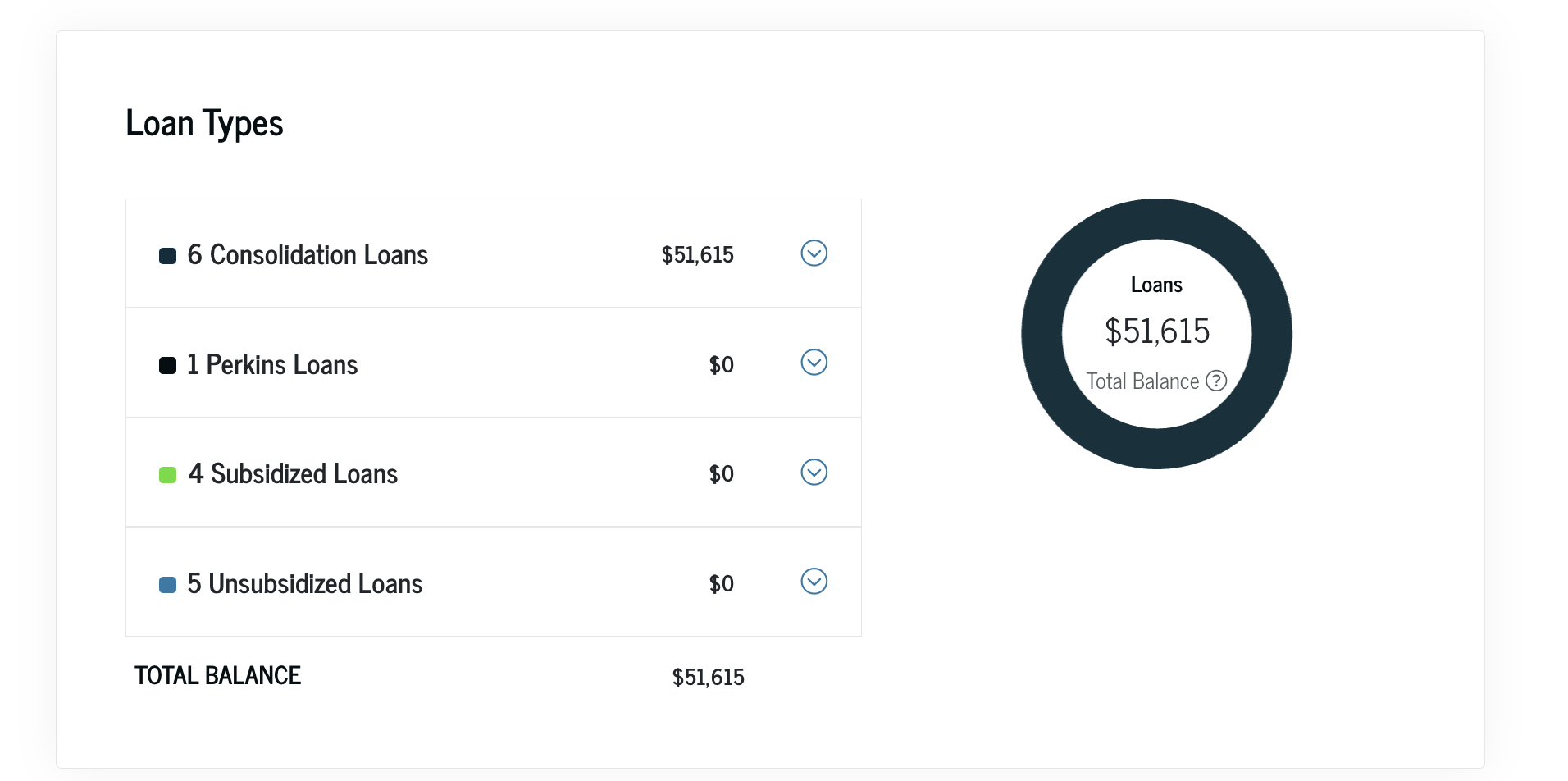
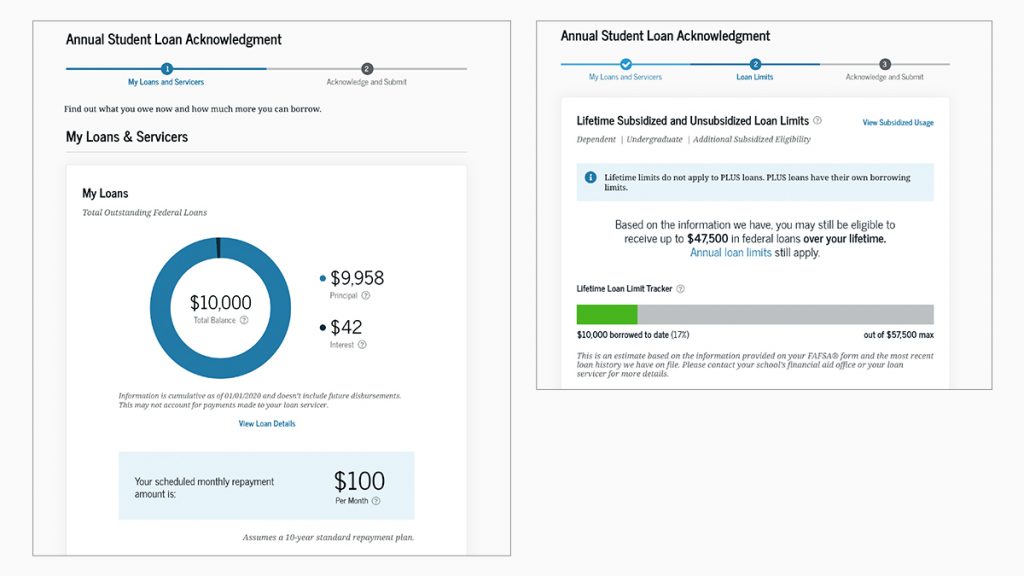
- Once logged in, you’ll be able to view a detailed summary of all your federal student loans, including:
- The loan servicer’s name and contact information.
- The original loan amount.
- The outstanding balance.
- The loan status (in-school, grace period, repayment, etc.).
- Disbursement dates and interest rates.
This system is invaluable for getting a holistic view of your federal debt.
Contacting Your Loan Servicer
Once you’ve identified your loan servicers through NSLDS, a direct call to each servicer can provide even more granular detail and confirm account specifics. A loan servicer is the company that handles the billing and other services for your federal student loan. Common servicers include Nelnet, Great Lakes, MOHELA, and Edfinancial.
Even if you only have one servicer listed for multiple loans, contact them. They can provide:
- Your current repayment plan details.
- Information on available deferment or forbearance options.
- Guidance on income-driven repayment plans.
- The exact payment due date and amount.
Having this direct communication can clarify any discrepancies and help you understand your options fully.
Reviewing Your Credit Report
Your credit report is another powerful tool for identifying all your loans, federal and private alike. Student loans are reported to the major credit bureaus (Equifax, Experian, and TransUnion) by your servicers. You are entitled to a free copy of your credit report from each of the three major credit bureaus once every 12 months through AnnualCreditReport.com.
When reviewing your credit report:
- Look for accounts listed under “student loans” or “educational loans.”
- Pay attention to the lender’s name, the account number, and the date the account was opened.
- Cross-reference these with the information you found on NSLDS to ensure all federal loans are accounted for. Any loans not appearing on NSLDS are likely private loans.
This step serves as an excellent double-check for federal loans and a primary source for identifying private ones.
Discovering Your Private Student Loans
Private student loans are issued by banks, credit unions, and other financial institutions, not the federal government. They don’t appear on the NSLDS, making them a bit trickier to track if you’ve lost records.
Scrutinizing Your Bank Statements and Personal Records
Think back to when you took out the loans. Did you receive any initial paperwork? Check old email accounts, filing cabinets, or even boxes of college documents. Look for:
- Loan agreements or promissory notes: These documents will detail the lender, loan amount, interest rate, and terms.
- Bank statements: Look for recurring payments to specific lenders. Even if you don’t remember the loan, a regular payment to a financial institution might jog your memory or point you to a specific lender.
- Tax documents: In some cases, student loan interest might have been reported on your tax forms (Form 1098-E). This can reveal the lenders you’ve paid interest to.
The Importance of Your Credit Report
As mentioned for federal loans, your credit report is paramount for finding private student loans. Since private lenders report to credit bureaus, any private loan you’ve taken out should be listed there.
When examining your credit report for private loans:
- Carefully review every tradeline.
- Look for entries from banks, credit unions, or private lending companies with “student loan” or similar descriptions.
- Note the lender’s name, contact information, and account number. These will be crucial for contacting them directly.
If you find a loan but don’t recognize the lender, use the contact information provided on the credit report to inquire further.
Reaching Out to Past Lenders
If you recall borrowing from a specific bank or financial institution during your college years, but don’t see it on your credit report or in your NSLDS data, contact them directly. Even if you’re unsure, providing your personal information might allow them to search their records for any loans associated with your name. This is particularly helpful if the loan is very old or if there was an issue with reporting to credit bureaus.
Consolidating Information and Managing Your Debt
Once you’ve painstakingly gathered information on all your loans, the next critical step is to organize it and create a clear management strategy.
Creating a Comprehensive Loan Inventory
Don’t rely on memory. Create a spreadsheet or use a dedicated notebook to compile all the information you’ve gathered. For each loan (federal and private), record:
- Loan Name/Type: (e.g., Stafford Subsidized, Parent PLUS, Sallie Mae Private Loan)
- Original Lender/Servicer:
- Current Servicer (if different):
- Account Number:
- Original Loan Amount:
- Current Outstanding Balance:
- Interest Rate and Type (fixed or variable):
- Repayment Start Date:
- Minimum Monthly Payment:
- Due Date:
- Repayment Plan (if applicable):
- Contact Information for Servicer:
This inventory will become your central hub for all student loan-related decisions.
Utilizing Financial Tracking Tools
Beyond a manual spreadsheet, consider leveraging personal finance apps or budgeting software (e.g., Mint, YNAB, Personal Capital). Many of these tools allow you to link your student loan accounts, providing a real-time overview of your balances, payments, and overall debt progress. They can also help you track payments and integrate your loan management into your broader financial planning.
Understanding Repayment Options and Strategies
With your comprehensive inventory in hand, you can now thoroughly research and understand the repayment options available to you. For federal loans, this includes:
- Standard Repayment Plan: Fixed monthly payments over 10 years.
- Graduated Repayment Plan: Payments start lower and increase over time.
- Extended Repayment Plan: Lower monthly payments over a longer period (up to 25 years).
- Income-Driven Repayment (IDR) Plans: Payments are based on your income and family size (e.g., REPAYE, PAYE, IBR, ICR). These plans can also lead to loan forgiveness after 20-25 years.
- Public Service Loan Forgiveness (PSLF): Forgiveness after 120 qualifying payments while working for a qualifying employer.
For private loans, options are typically more limited but may include forbearance or modified payment plans directly through your lender. Knowledge of these options empowers you to choose the best strategy for your financial situation.
Next Steps After Locating All Your Loans
Finding your loans is the first major hurdle. What you do next can significantly impact your financial health and accelerate your journey to becoming debt-free.
Assessing Your Total Debt Burden
With your complete loan inventory, you can now accurately assess your total student loan debt. This figure is crucial for understanding the scale of your financial commitment and for developing a realistic repayment strategy. Don’t be discouraged by a large number; instead, view it as a clear starting point for taking control. This holistic view enables you to prioritize loans (e.g., those with the highest interest rates) or identify opportunities for consolidation.
Exploring Repayment Plans and Relief Programs
Armed with a full list of your federal loans, revisit the various income-driven repayment plans offered by the Department of Education. These plans can significantly reduce your monthly payments if your income is low relative to your debt. Additionally, investigate any specific relief programs or temporary measures that might be available, especially in times of economic hardship or policy changes (e.g., past CARES Act provisions). For private loans, reach out to your lenders to discuss hardship programs, temporary payment reductions, or deferment options if you’re struggling.
Considering Refinancing or Consolidation
- Federal Loan Consolidation: This process combines multiple federal student loans into a single Direct Consolidation Loan. It can simplify payments by giving you one loan servicer and one monthly payment, and may extend your repayment period. However, it can also lead to a slightly higher overall interest rate (a weighted average of the consolidated loans, rounded up).
- Refinancing (Federal and Private): This involves taking out a new private loan to pay off one or more existing federal and/or private student loans. The primary goal is often to secure a lower interest rate, which can save you a substantial amount of money over the life of the loan. Refinancing can also simplify payments. However, be aware that refinancing federal loans into a private loan means you lose access to valuable federal loan benefits like income-driven repayment plans, generous deferment options, and potential loan forgiveness programs. This decision requires careful consideration of your financial stability and long-term goals.
Seeking Professional Financial Guidance
If the process feels overwhelming, or if your situation is particularly complex, consider consulting with a non-profit credit counselor or a certified financial planner. These professionals can help you:
- Review your loan inventory and repayment options.
- Develop a personalized budget and debt repayment strategy.
- Navigate the application process for income-driven plans or loan forgiveness.
- Evaluate whether refinancing is the right choice for your specific circumstances.
They can offer unbiased advice and support, ensuring you make the most informed decisions for your financial future.
Finding all your student loans might seem like a daunting task, but it’s an empowering step towards financial literacy and debt management. By systematically using the resources available and meticulously organizing your information, you can transform uncertainty into clarity, paving the way for a more secure and debt-free future.
aViewFromTheCave is a participant in the Amazon Services LLC Associates Program, an affiliate advertising program designed to provide a means for sites to earn advertising fees by advertising and linking to Amazon.com. Amazon, the Amazon logo, AmazonSupply, and the AmazonSupply logo are trademarks of Amazon.com, Inc. or its affiliates. As an Amazon Associate we earn affiliate commissions from qualifying purchases.