
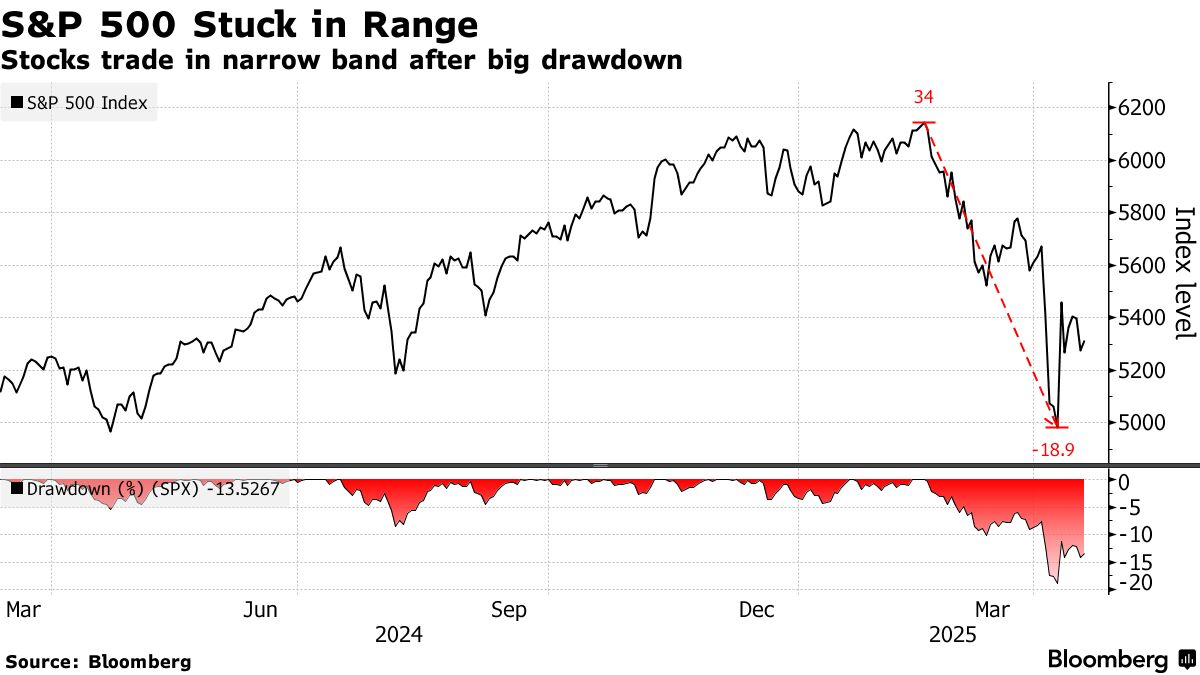
The stock market, a dynamic reflection of global economic health and human sentiment, is in constant flux. Each day brings a fresh set of data points, news headlines, and shifts in investor perception that collectively dictate its movements. For both seasoned investors and curious onlookers, understanding “what’s going on” is not merely about checking a ticker; it’s about deciphering a complex interplay of economic indicators, corporate performance, geopolitical events, and psychological factors. Today, like any other day, the market is a nexus of these forces, presenting both challenges and opportunities. Discerning the underlying currents requires a systematic approach, moving beyond surface-level volatility to grasp the fundamental drivers at play.
Navigating the Daily Market Pulse
The immediate movements of the stock market on any given day are rarely isolated incidents. They are often direct responses to a cascade of information and events that unfold globally. Understanding this daily pulse requires keen attention to several key components that shape market sentiment and trading decisions.
The Interplay of Economic Indicators
Economic indicators serve as the vital signs of the economy, providing crucial context for market movements. On a daily basis, investors process a stream of data points ranging from inflation reports and employment figures to manufacturing indices and consumer confidence surveys. For instance, a stronger-than-expected jobs report might signal economic robustness, potentially leading to upward market movement as investors anticipate higher corporate earnings. Conversely, an uptick in inflation could spark concerns about rising interest rates, which tend to depress stock valuations, especially in growth sectors. Today’s market reaction is invariably a nuanced interpretation of these indicators, weighed against expectations and previous forecasts. Central bank commentary on monetary policy, often influenced by these very indicators, also plays a pivotal role, guiding investor expectations for future economic conditions and the cost of capital.
Corporate Earnings and Market Reactions
Corporate earnings announcements are undoubtedly one of the most significant short-term catalysts for stock price movements. When a company reports its quarterly or annual results, the market scrutinizes not just the headline profit and revenue figures, but also the management’s outlook for future performance. Positive surprises, where earnings exceed analyst expectations, often lead to a rally in the company’s stock and can even buoy the broader market if it’s a large, influential company. Conversely, an earnings miss or a cautious outlook can trigger significant sell-offs. Beyond individual stocks, aggregate earnings trends across sectors provide a vital snapshot of overall corporate health, which in turn informs the market’s assessment of the economy’s trajectory. Today, if several major companies have released their reports, their collective performance and forward guidance will heavily influence the market’s tone.
Geopolitical Events and Their Ripple Effects
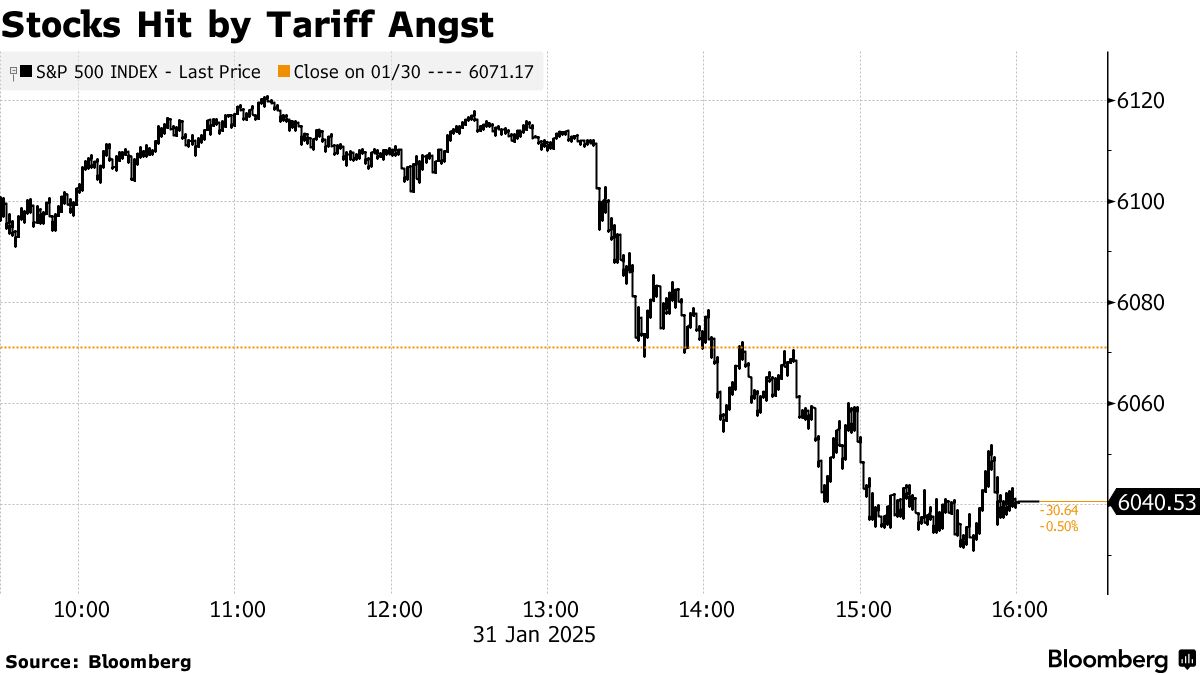
The interconnectedness of the global economy means that geopolitical events, even those seemingly distant, can have immediate and profound impacts on stock markets worldwide. Trade disputes, political instability in key regions, international conflicts, or even major elections can introduce significant uncertainty, often leading to increased volatility. For example, tensions in critical supply chain regions can cause disruptions that impact corporate profitability, leading investors to re-evaluate their positions. Policy announcements from major governments regarding international relations or economic sanctions can also ripple through various industries, affecting commodity prices, exchange rates, and ultimately, stock valuations. Today’s market may be reacting to a newly announced trade policy, a shift in international alliances, or ongoing geopolitical tensions, which often manifest as a flight to safety (e.g., into bonds or gold) or increased caution in equity markets.
Understanding Key Market Drivers
While the daily pulse reflects immediate reactions, underlying drivers dictate the market’s broader direction and long-term trends. These fundamental forces shape the economic landscape in which companies operate and investors make decisions.
Inflation and Interest Rate Expectations
Perhaps the most potent drivers of modern stock markets are inflation and interest rate expectations. Inflation, the rate at which prices for goods and services are rising, erodes the purchasing power of money and, consequently, the real returns on investments. Central banks typically combat high inflation by raising interest rates. Higher interest rates increase the cost of borrowing for businesses, potentially dampening expansion plans and reducing future earnings. They also make bonds and other fixed-income investments more attractive relative to stocks, as the risk-free rate of return increases. Therefore, today’s market is highly sensitive to any signals regarding inflation trends and central bank policy decisions, with investors constantly re-pricing assets based on anticipated shifts in interest rates. A hawkish stance by a central bank (indicating rate hikes) can lead to market apprehension, while a more dovish outlook (indicating stable or lower rates) might provide a tailwind for equities.
Technological Advancements and Sectoral Shifts
Technological innovation has always been a powerful force shaping economies, and its impact on the stock market is more pronounced than ever. Breakthroughs in artificial intelligence, biotechnology, renewable energy, and digital connectivity consistently create new industries, disrupt existing ones, and shift investment capital towards burgeoning sectors. Companies at the forefront of these advancements often see rapid growth in valuation, while those failing to adapt may face obsolescence. Today’s market is frequently characterized by ongoing sectoral shifts, where capital flows out of traditional industries into high-growth tech or innovation-driven sectors, or vice-versa during periods of risk aversion. Understanding which technologies are gaining traction and which industries are being transformed is crucial for long-term investment success and helps explain differential performance across various market segments.
Consumer Sentiment and Spending Patterns
Consumer spending is the engine of many economies, particularly in developed nations. Consequently, consumer sentiment—how optimistic or pessimistic individuals feel about their financial prospects and the broader economy—is a critical market driver. When consumers are confident, they are more likely to spend on goods and services, which translates into higher revenues and profits for businesses. This, in turn, boosts investor confidence and stock prices. Conversely, declining consumer sentiment can signal a potential slowdown or recession, leading to reduced spending and pressure on corporate earnings. Today’s market performance can often be traced back to recent consumer confidence reports, retail sales figures, and indicators of household savings rates, providing insights into the robustness of demand-side economic activity.
Investor Psychology and Market Volatility
Beyond the hard data and economic fundamentals, the collective psychology of investors plays an enormous, often irrational, role in market movements. Emotional responses, herd behavior, and cognitive biases can amplify trends and contribute significantly to market volatility.
The Impact of Fear and Greed
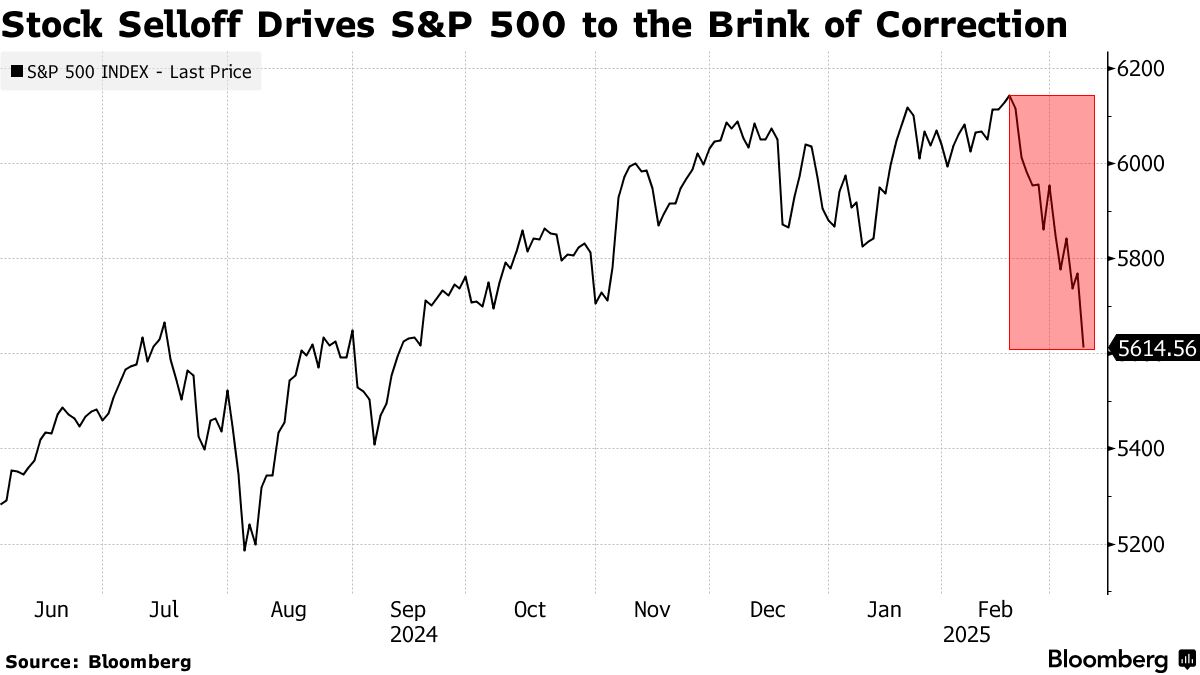
The emotions of fear and greed are perhaps the two most powerful drivers of investor behavior. Greed, fueled by rising markets and the desire for quick profits, can lead to excessive risk-taking, speculative bubbles, and an overvaluation of assets. Investors might chase returns, buying into popular stocks at inflated prices. Conversely, fear, often triggered by market downturns, negative news, or economic uncertainty, can lead to panic selling, liquidating assets at low prices, and missing out on subsequent recoveries. The daily swings in the market are often a battleground between these two emotions. Today’s market, whether trending up or down, will reflect the prevailing sentiment, demonstrating how rapidly fear can spread, leading to sharp declines, or how optimism can build, propelling rallies.
Herd Mentality and Market Bubbles
Herd mentality, the tendency for individuals to follow the actions of a larger group, is a common phenomenon in financial markets. When a particular stock, sector, or asset class starts to perform exceptionally well, more investors are drawn to it, not necessarily due to fundamental analysis, but due to the perceived success of others. This can lead to self-reinforcing cycles, where increasing demand drives prices higher, attracting even more investors, eventually forming a market bubble. When the bubble inevitably bursts, often triggered by a loss of confidence or a fundamental shift, the ensuing panic can lead to steep and rapid declines. Understanding the signs of herd behavior and potential speculative excesses is crucial for investors to avoid being swept up in euphoria or despair. Today, observing which sectors are disproportionately gaining or losing can provide clues about whether herd mentality is influencing trading decisions.
Strategies for Emotional Resilience
Given the powerful influence of emotions, developing emotional resilience is paramount for long-term investment success. This involves sticking to a well-defined investment plan, avoiding impulsive decisions based on daily news or market noise, and maintaining a long-term perspective. Strategies include setting clear financial goals, diversifying one’s portfolio to mitigate single-point risk, and regularly rebalancing investments to stay aligned with risk tolerance. During periods of heightened volatility, a disciplined approach, often involving dollar-cost averaging (investing a fixed amount regularly), can help average out purchase prices and reduce the impact of short-term market fluctuations. For investors trying to understand today’s market, the goal should not be to perfectly time entries and exits, but to understand the underlying currents and react rationally, not emotionally.
Adapting Your Investment Strategy
The dynamic nature of the stock market necessitates a flexible and well-informed investment strategy. What works in one market environment may be less effective in another. Therefore, adapting one’s approach based on current market conditions and long-term objectives is crucial.
Diversification as a Cornerstone
Diversification remains one of the most fundamental principles of sound investing. Spreading investments across different asset classes (equities, bonds, real estate), various industries, geographical regions, and company sizes helps to mitigate risk. When one segment of the market performs poorly, another might perform well, cushioning the overall impact on the portfolio. For instance, during periods of economic uncertainty, defensive sectors like utilities or consumer staples might outperform more cyclical sectors. Today, with ongoing global uncertainties and potential sectoral shifts, a well-diversified portfolio is more critical than ever, ensuring that an investor is not overly exposed to any single event or trend. This strategy acknowledges that predicting short-term market movements is nearly impossible, and thus focuses on long-term resilience.
Long-Term vs. Short-Term Perspectives
How an investor views “today’s market” depends heavily on their investment horizon. For day traders or short-term speculators, today’s market movements are everything. They seek to capitalize on fleeting price changes, relying on technical analysis and rapid execution. For long-term investors, however, today’s fluctuations are often mere noise. Their focus is on the fundamental health and growth potential of companies over many years, looking past temporary volatility. They understand that historically, equity markets have delivered substantial returns over the long run, despite numerous crises and downturns. Therefore, a long-term perspective encourages patience, discourages impulsive reactions to daily news, and emphasizes consistent investing in quality assets. Today’s market narrative, while compelling, should be filtered through the lens of one’s personal investment goals and time horizon.
The Role of Professional Guidance
Navigating the complexities of the stock market can be daunting, especially given the constant influx of information and the psychological challenges involved. This is where professional financial guidance becomes invaluable. A qualified financial advisor can help individuals define their financial goals, assess their risk tolerance, construct a diversified portfolio tailored to their needs, and provide objective advice during periods of market stress. They can help investors avoid common pitfalls, understand the implications of economic indicators, and ensure that their investment strategy remains aligned with their long-term objectives, regardless of what “today’s market” brings. For many, delegating the intricate details of portfolio management to an expert allows them to focus on other aspects of their lives while ensuring their investments are handled prudently.
Looking Ahead: Future Trends and Outlook
While understanding today’s market is important, smart investing also involves anticipating the forces that will shape the market tomorrow. Several key trends are already emerging that will likely define the investment landscape for years to come.
The Rise of Sustainable Investing
Sustainable investing, also known as ESG (Environmental, Social, and Governance) investing, is rapidly gaining traction. Investors are increasingly considering not only financial returns but also the impact of their investments on society and the environment. This trend is driven by growing awareness of climate change, social inequality, and corporate responsibility. Companies with strong ESG practices are often seen as more resilient, innovative, and better positioned for long-term success, attracting a growing pool of capital. Today’s market may show signs of this shift, with ESG-focused funds attracting significant inflows and companies with strong sustainability profiles potentially outperforming peers. This trend is not just a niche; it’s becoming a mainstream investment philosophy, redefining what “value” means in the financial world.
Emerging Markets and Global Opportunities
While developed markets often dominate headlines, emerging markets continue to offer significant growth potential. Countries in Asia, Latin America, and Africa often boast younger populations, rapidly expanding middle classes, and untapped economic resources. Investing in these markets comes with higher risks, including political instability and currency fluctuations, but also promises potentially higher rewards as these economies mature and integrate further into the global system. Today’s market movements may reflect varying degrees of confidence in different emerging economies, influenced by their local policies, commodity prices, and global trade dynamics. For a truly diversified and forward-looking portfolio, understanding the opportunities and risks inherent in emerging markets is crucial.
Regulatory Changes and Market Structure
The regulatory environment constantly evolves, impacting market structure, trading practices, and corporate governance. Changes in financial regulations, tax laws, or antitrust policies can have profound implications for specific industries or the market as a whole. For example, increased scrutiny of tech giants could lead to changes in their business models, while new tax incentives could spur investment in particular sectors. Technology is also reshaping market structure itself, with the rise of algorithmic trading, decentralized finance (DeFi), and new digital assets like cryptocurrencies. While these new frontiers offer innovation, they also bring regulatory challenges and potential disruptions. Today’s stock market operates within the current regulatory framework, but savvy investors keep an eye on proposed changes and technological shifts that could redefine how markets function in the future.
In conclusion, “what’s going on with the stock market today” is never a simple answer. It’s a rich tapestry woven from economic data, corporate performance, geopolitical events, and the complex psychology of millions of investors. By understanding these multifaceted drivers, adopting a disciplined approach, embracing diversification, and maintaining a long-term perspective, investors can navigate the daily ebbs and flows with greater confidence and position themselves for success in the ever-evolving world of finance.
aViewFromTheCave is a participant in the Amazon Services LLC Associates Program, an affiliate advertising program designed to provide a means for sites to earn advertising fees by advertising and linking to Amazon.com. Amazon, the Amazon logo, AmazonSupply, and the AmazonSupply logo are trademarks of Amazon.com, Inc. or its affiliates. As an Amazon Associate we earn affiliate commissions from qualifying purchases.