
Securing a home loan is perhaps the most significant financial transaction the average person will undertake in their lifetime. It is a multi-step process that bridges the gap between the dream of homeownership and the reality of a deed in hand. However, the path to a mortgage is paved with complex terminology, rigorous financial scrutiny, and a series of strategic decisions that can impact your net worth for decades. To navigate this landscape successfully, one must move beyond the basic question of “how” and delve into the “what, when, and why” of personal finance management.
1. Establishing Financial Readiness and Credit Worthiness
Before you even step foot in a real estate office or browse online listings, your journey begins with a deep dive into your own financial data. Lenders are not just looking at your income; they are assessing your “risk profile.”
The Importance of Your Credit Score
In the world of personal finance, your credit score is your reputation. Most mortgage lenders rely on FICO scores to determine your eligibility and interest rate. A higher score—typically 740 or above—grants you access to the lowest interest rates, which can save you tens of thousands of dollars over the life of a 30-year loan. If your score is on the lower end (below 620), you may find it difficult to secure a conventional loan, though government-backed options may still be available. Improving your score involves paying down credit card balances, ensuring all payments are made on time, and avoiding opening new lines of credit in the six months leading up to your application.
Managing Debt-to-Income (DTI) Ratios
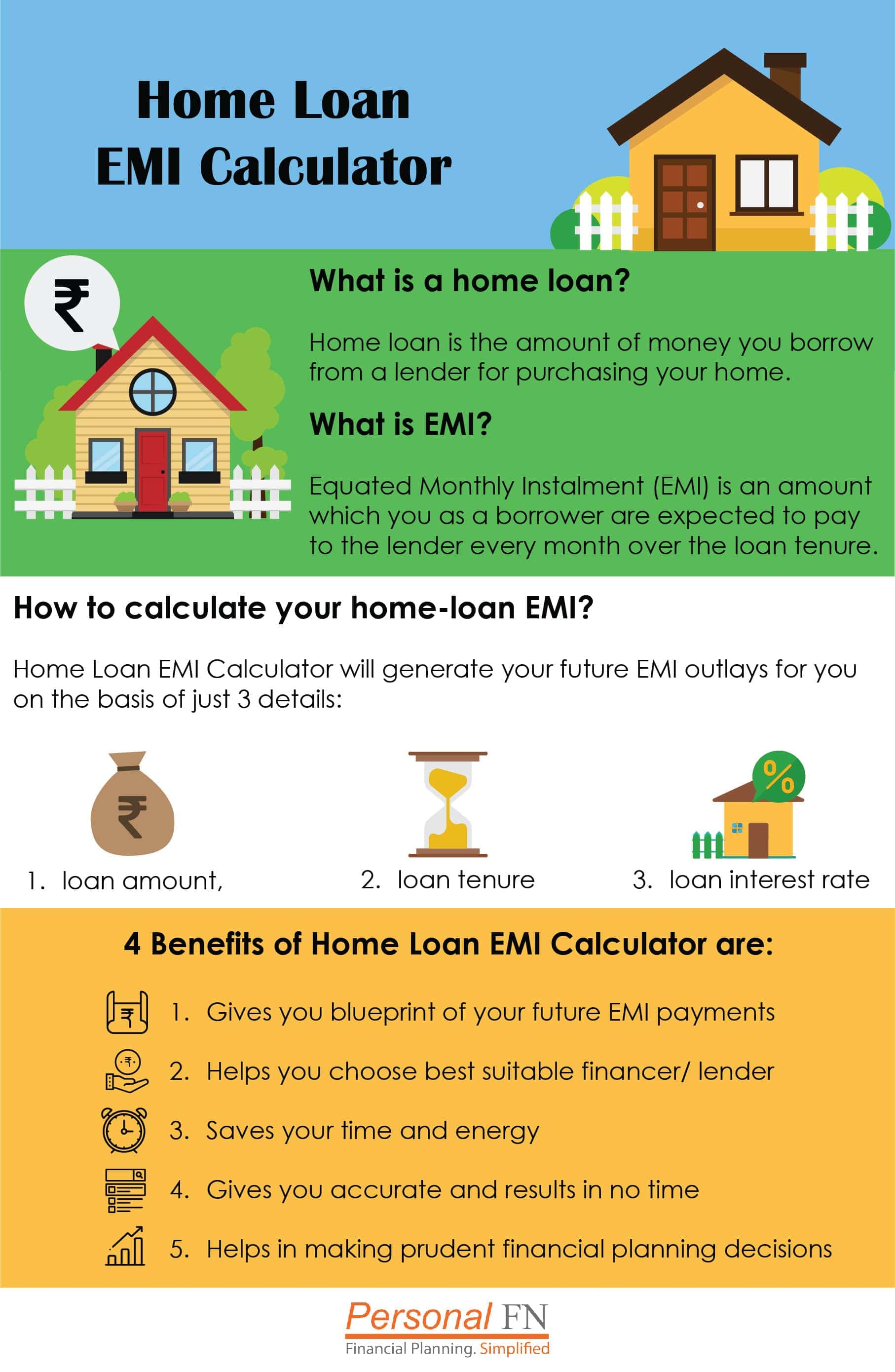
Lenders use the Debt-to-Income (DTI) ratio to measure your ability to manage monthly payments. This is calculated by dividing your total monthly debt obligations (student loans, car payments, credit card minimums) by your gross monthly income. Most lenders prefer a front-end ratio (housing costs only) of 28% and a back-end ratio (all debts) of no more than 36% to 43%. If your DTI is too high, it signals to the bank that you are “over-leveraged,” making you a high-risk borrower regardless of your income level.
Building a Robust Down Payment
While the 20% down payment is often cited as the gold standard, it is no longer a strict requirement. However, the amount of capital you bring to the table significantly alters your loan’s architecture. A 20% down payment allows you to avoid Private Mortgage Insurance (PMI), which is an extra monthly fee that protects the lender—not you. If you opt for a lower down payment (some programs allow as little as 3% or 3.5%), you must factor the cost of PMI into your monthly budget. Furthermore, a larger down payment reduces the total loan amount, thereby reducing the interest paid over time.
2. Understanding the Landscape of Mortgage Products
Not all home loans are created equal. The “right” loan depends on your financial stability, how long you plan to stay in the home, and your tolerance for market fluctuations.
Conventional Loans: The Industry Standard
Conventional loans are not insured by the federal government and typically follow the guidelines set by Fannie Mae or Freddie Mac. They often require higher credit scores and more substantial down payments than government-backed loans. However, they offer more flexibility in terms of property types and do not have the lifelong insurance premiums associated with some government programs. For those with strong financial backgrounds, conventional loans often provide the most cost-effective long-term path.
Government-Backed Loans (FHA, VA, and USDA)
To encourage homeownership across different demographics, the government offers several insured loan programs:
- FHA Loans: Insured by the Federal Housing Administration, these are popular among first-time buyers because they allow for credit scores as low as 580 and down payments of just 3.5%.
- VA Loans: Available to veterans and active-duty service members, these are among the best financial tools available, often requiring 0% down and offering very competitive interest rates.
- USDA Loans: Designed for rural and suburban homebuyers who meet certain income requirements, these also offer 100% financing (0% down).
Fixed-Rate vs. Adjustable-Rate Mortgages (ARMs)
A Fixed-Rate Mortgage offers stability; your interest rate remains the same for the entire duration of the loan (usually 15 or 30 years). This is the preferred choice in a low-interest-rate environment. Conversely, an Adjustable-Rate Mortgage (ARM) typically offers a lower “teaser” rate for an initial period (5, 7, or 10 years) before adjusting annually based on market indices. ARMs can be beneficial if you plan to sell the home or refinance before the adjustment period begins, but they carry the risk of significantly higher payments in the future.
3. The Pre-Approval Process and Documentation
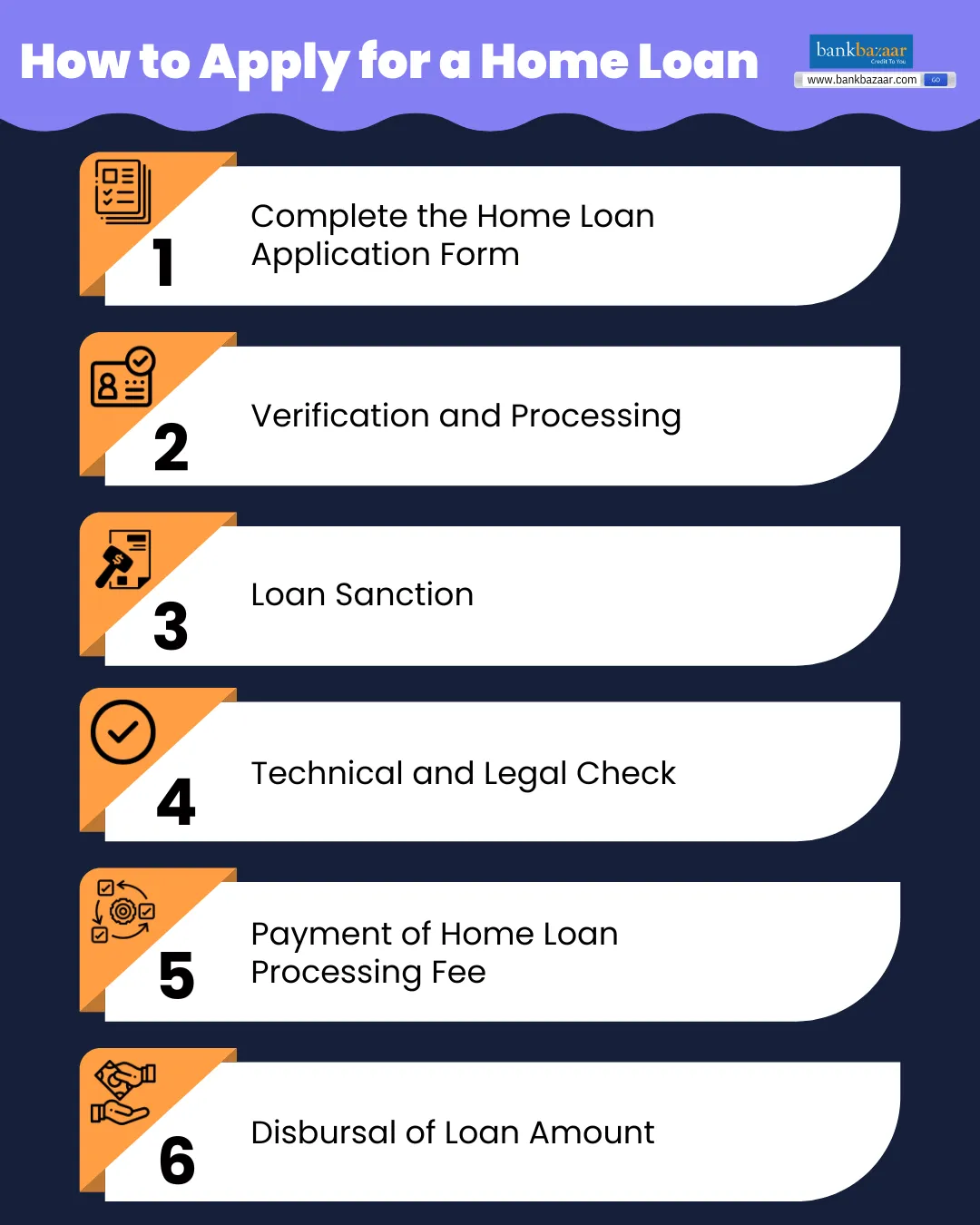
Once your finances are in order and you understand the loan types, it is time to engage with a lender. This phase is critical because, in a competitive real estate market, a seller will rarely consider an offer that isn’t backed by a lender’s commitment.
Pre-Qualification vs. Pre-Approval
It is essential to distinguish between these two terms. A “pre-qualification” is a superficial estimate based on self-reported data. It carries little weight. A “pre-approval,” however, involves a hard credit check and a preliminary review of your financial documents. A pre-approval letter is a formal statement from a lender specifying the exact amount they are willing to lend you. This document transforms you from a “browser” into a “buyer” in the eyes of real estate agents and sellers.
The Essential Paperwork Checklist
The mortgage process is famously document-intensive. To expedite the process, you should have a digital folder ready with the following:
- Proof of Income: The last 30 days of pay stubs and W-2 statements from the last two years.
- Tax Returns: Complete federal filings for the last two years, especially if you are self-employed.
- Asset Statements: Two months of statements for checking, savings, and investment accounts.
- Employment Verification: Contact information for your current employer to verify your status and salary.
- Gift Letters: If a family member is helping with your down payment, you will need a signed letter stating that the money is a gift, not a loan.
Choosing the Right Lender
Do not simply accept the first offer you receive. Financial experts recommend getting quotes from at least three different sources: a national bank, a local credit union, and an independent mortgage broker. Compare the “Loan Estimate” forms carefully. Look beyond the interest rate; pay attention to “origination fees,” “points” (prepaid interest), and “closing costs.” A slightly higher interest rate with lower closing costs might be better for someone who plans to move in five years, whereas a lower rate with higher upfront fees is better for someone staying for thirty.
4. From Underwriting to Closing
After you find a house and your offer is accepted, the loan moves into the final, most rigorous stage: underwriting.
The Underwriting Phase and the “Blackout” Period
Underwriting is where the lender’s team verifies every detail of your financial life. They will double-check your employment, re-run your credit, and ensure your assets are exactly as stated. During this time, it is vital to maintain a “financial freeze.” Do not buy a new car, do not furniture-shop on credit, and do not change jobs. Even a small change in your debt-to-income ratio or a sudden dip in your bank balance can cause the lender to deny the loan at the last minute.
The Role of Appraisal and Inspection
The lender will hire a third-party appraiser to ensure the home is worth the price you are paying. If the appraisal comes in lower than the purchase price, a “gap” is created. You must then either negotiate the price down with the seller, pay the difference out of pocket, or walk away from the deal. While a home inspection is for your benefit (to find structural issues), the appraisal is for the lender’s benefit (to protect their collateral).
Closing Costs and Final Sign-Off
A few days before closing, you will receive a “Closing Disclosure” (CD). Compare this document to your initial Loan Estimate. It details the final interest rate, monthly payment, and the “Cash to Close”—the total amount you need to bring to the table. Closing costs typically range from 2% to 5% of the home’s purchase price and cover title insurance, government recording fees, and attorney fees. Once the documents are signed and the funds are wired, the loan is funded, and the keys are yours.

5. Summary of Financial Strategy
Getting a loan for a house is not a passive event; it is an active financial strategy. By managing your credit score, choosing the right loan product, and meticulously preparing your documentation, you position yourself not just to buy a house, but to build long-term equity. The ultimate goal of the mortgage process is to secure a monthly payment that allows you to live comfortably while your asset appreciates over time. In the world of personal finance, a well-structured mortgage is one of the most powerful tools for wealth creation.
aViewFromTheCave is a participant in the Amazon Services LLC Associates Program, an affiliate advertising program designed to provide a means for sites to earn advertising fees by advertising and linking to Amazon.com. Amazon, the Amazon logo, AmazonSupply, and the AmazonSupply logo are trademarks of Amazon.com, Inc. or its affiliates. As an Amazon Associate we earn affiliate commissions from qualifying purchases.