
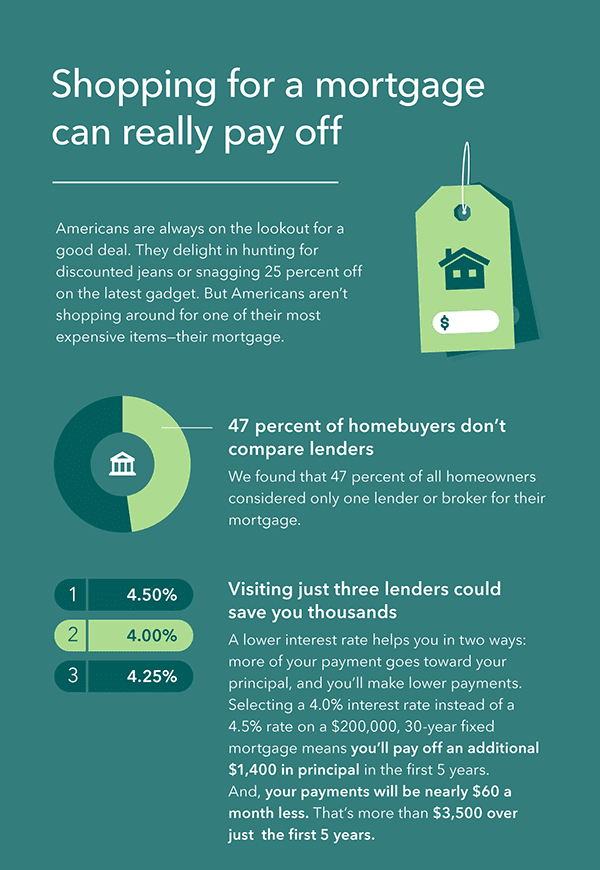
Securing a mortgage is likely the most significant financial commitment you will ever make. While a fraction of a percentage point—say, the difference between 6.5% and 6.25%—might seem negligible on paper, it can translate into tens of thousands of dollars over the life of a 30-year loan. Comparing mortgage rates is not merely about finding the lowest number; it is about understanding the total cost of borrowing, the flexibility of the terms, and the reliability of the lender. In the current economic climate, where volatility is the norm, a disciplined approach to rate comparison is essential for any savvy homebuyer or homeowner looking to refinance.
Understanding the Components of a Mortgage Quote
To compare mortgage rates effectively, you must first understand that the interest rate is only one piece of the puzzle. A lender’s quote is a composite of several financial levers, and adjusting one often moves the others.
The Nominal Interest Rate vs. The APR
The most common mistake borrowers make is looking exclusively at the nominal interest rate. This is the percentage of interest you pay on the principal balance annually. However, the Annual Percentage Rate (APR) provides a more holistic view. The APR includes the interest rate plus other costs, such as lender fees, mortgage insurance, and discount points. When comparing two different lenders, the one with the lower interest rate might actually have a higher APR due to excessive closing costs. Always use the APR as your primary point of comparison to ensure you are looking at an “apples-to-apples” scenario.
Discount Points and Credits
Lenders often give you the option to “buy down” your interest rate by paying discount points at closing. One point typically costs 1% of the loan amount and reduces your interest rate by a specific increment (often 0.25%). Conversely, you might receive “lender credits” where the lender pays some of your closing costs in exchange for a higher interest rate. When comparing rates, ask yourself how long you plan to stay in the home. If you plan to remain for a decade or more, paying points to secure a lower rate is often financially advantageous. If you plan to move in five years, taking a higher rate with credits might be the smarter move.
Fixed-Rate vs. Adjustable-Rate Mortgages (ARMs)
A comparison is only valid if you are looking at the same product type. A 30-year fixed-rate mortgage offers stability, as your principal and interest payment never changes. An Adjustable-Rate Mortgage (ARM) usually offers a lower “teaser” rate for an initial period (e.g., 5, 7, or 10 years) before adjusting based on market indices. When comparing these, evaluate the “fully indexed rate” of the ARM and the periodic caps to understand your maximum potential exposure if rates rise significantly in the future.
The Step-by-Step Process of Comparing Lenders
Comparison shopping should be a systematic process. The market moves quickly, and rates can change multiple times a day based on bond market fluctuations. To get an accurate comparison, you need to act within a tight window.
Research Different Lender Types
Not all lenders are created equal. To get a broad view of the market, you should solicit quotes from at least three different types of institutions:
- Commercial Banks: Often offer competitive rates to existing customers with high balances.
- Credit Unions: Being member-owned, they frequently offer lower fees and more personalized service.
- Mortgage Brokers: They act as intermediaries who can shop your profile across dozens of wholesale lenders, often finding niche products that retail banks don’t offer.
- Online Lenders: These institutions often have lower overhead costs, which can translate into lower interest rates or fees.
Requesting the Loan Estimate (LE)
The Consumer Financial Protection Bureau (CFPB) requires lenders to provide a standardized three-page document called a Loan Estimate once you have submitted a formal application. This document is your most powerful tool. Because the format is identical across all lenders, you can lay them side-by-side to compare “Section A” (Origination Charges), which are the fees the lender controls. If one lender has a lower interest rate but $3,000 more in origination fees, you can easily spot the discrepancy.
The Importance of the “Rate Lock”
When you find a rate you like, you must understand the lender’s “lock” policy. A quote is just a snapshot in time; it isn’t guaranteed until it is locked. Most locks last for 30, 45, or 60 days. When comparing, ask if there is a fee for the lock and whether the lender offers a “float-down” option, which allows you to take advantage of a lower rate if market conditions improve before you close.
Evaluating the Math: Total Cost Over Time
A professional approach to mortgage comparison involves looking past the monthly payment and calculating the total interest paid over the duration you expect to hold the loan.

The Five-Year Cost Analysis
Most homeowners do not keep their original 30-year mortgage for the full term; they either sell the home or refinance. Therefore, a useful metric for comparison is the “five-year cost.” This includes the total of all monthly payments plus all closing costs, minus the principal reduction achieved in those 60 months. This calculation often reveals that a slightly higher interest rate with lower closing costs is actually the cheaper option in the short to medium term.
Impact of Down Payment Tiers
Your Loan-to-Value (LTV) ratio significantly impacts the rate a lender will offer. There are often “pricing tiers.” For example, a borrower putting down 20% will almost always receive a better rate than someone putting down 15%. However, there are also “sweet spots”—sometimes putting down 25% or 30% triggers a significant drop in the interest rate because the lender’s risk is substantially lower. When comparing, ask lenders how your rate might change if you slightly adjusted your down payment amount.
Private Mortgage Insurance (PMI) Considerations
If you are putting down less than 20%, you will likely have to pay PMI. Different lenders work with different mortgage insurance companies, and the rates for PMI can vary. When comparing mortgage quotes, look at the total monthly payment including PMI. A lender might offer a lower interest rate but have a much higher PMI premium, resulting in a higher total monthly outflow.
How Your Financial Profile Dictates the Rate
While market forces set the baseline, your personal “financial DNA” determines the specific “risk premium” a lender adds to that base. Effective comparison requires you to present yourself in the best possible light to every lender.
The Role of Credit Score Ranges
Lenders price loans in “buckets” based on FICO scores, usually in 20-point increments. A score of 740 is often the threshold for the best pricing. If your score is 738, you might be offered a significantly higher rate than if it were 741. Before comparing rates, check your credit report for errors. Improving your score by even a few points before shopping can move you into a different pricing bracket, saving you more than any amount of lender-shopping ever could.
Debt-to-Income (DTI) Ratios
Lenders also look at your DTI to determine your risk profile. While a higher DTI might not always increase your interest rate, it can limit the number of lenders willing to work with you. By reducing the number of competing lenders, you lose your leverage. Paying down a small credit card balance or a car loan before shopping for a mortgage can open doors to more competitive institutions.
Employment and Income Stability
Self-employed borrowers or those with commission-based income often face higher rates or more stringent requirements. When comparing, look for “non-QM” (Non-Qualified Mortgage) lenders if your tax returns don’t reflect your true cash flow. While these rates are higher than standard conventional loans, comparing within the non-QM space is vital to ensuring you aren’t being overcharged for the complexity of your financial situation.
Strategic Timing and Negotiation Techniques
Comparison is the first step; negotiation is the second. Many borrowers do not realize that mortgage rates and fees are often negotiable.
Using Competition as Leverage
Once you have multiple Loan Estimates, use them to your advantage. If “Lender A” offers a better rate but “Lender B” has lower fees, show the Loan Estimate from B to A and ask them to match the fees. Lenders have “loan officers” who are often authorized to offer “pricing concessions” to win a deal, especially if they see a competing offer in writing. This is particularly effective toward the end of the month when lenders are trying to hit volume targets.
Monitoring the 10-Year Treasury Yield
While you don’t need to be an economist, keeping an eye on the 10-Year Treasury Yield can help you time your rate lock. Mortgage rates generally follow the trend of the 10-Year Treasury. If the yield is spiking, it is a sign that mortgage rates will likely follow suit within 24 to 48 hours. Monitoring this allows you to lock in a rate before the lender’s daily pricing update reflects the market’s upward movement.
The “No-Cost” Mortgage Trap
Be wary of advertisements for “no-cost” mortgages. In personal finance, there is no such thing as a free lunch. A no-cost mortgage simply means the closing costs are being financed into a higher interest rate. While this can be a valid strategy for someone with limited liquid cash, you should always compare it against a standard loan to see how much that “free” closing is actually costing you over the long term in interest.
By approaching mortgage rate comparison with a clinical, data-driven mindset, you transition from a passive consumer to an active investor in your own financial future. The goal is to find the intersection of the lowest APR, the most stable terms, and a lender whose execution and service levels ensure a smooth path to homeownership. In the world of personal finance, diligence in this phase pays the highest dividends.
aViewFromTheCave is a participant in the Amazon Services LLC Associates Program, an affiliate advertising program designed to provide a means for sites to earn advertising fees by advertising and linking to Amazon.com. Amazon, the Amazon logo, AmazonSupply, and the AmazonSupply logo are trademarks of Amazon.com, Inc. or its affiliates. As an Amazon Associate we earn affiliate commissions from qualifying purchases.