
The quest for the lowest mortgage rate is often the primary focus for homebuyers and those looking to refinance. In the complex world of personal finance, a difference of even half a percentage point can translate into tens of thousands of dollars saved or spent over the life of a 30-year loan. However, identifying “who” has the lowest rates is rarely as simple as looking at a single billboard or advertisement. Mortgage rates are a fluid intersection of macroeconomic trends, institutional overhead, and individual financial profiles.
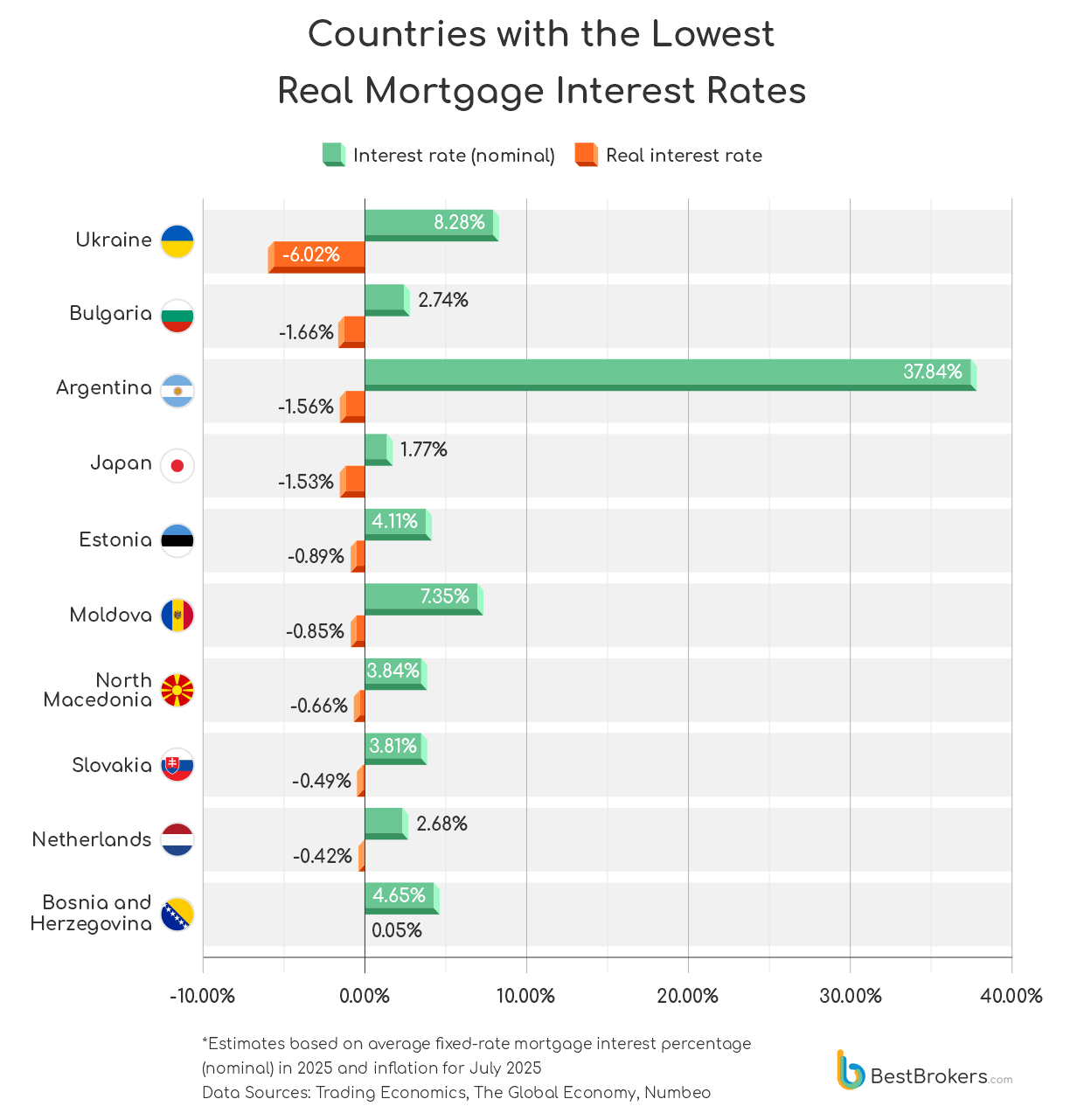
To navigate this landscape effectively, one must understand that the “lowest” rate is a moving target. It is influenced by the type of lender you choose, the loan product you select, and the internal risk assessments performed by financial institutions. This guide explores the various sectors of the lending market and the strategies required to secure the most competitive rates available today.
Navigating the Landscape: Which Lenders Offer the Most Competitive Rates?
The mortgage market is comprised of several different types of institutions, each with its own business model and approach to interest rates. Depending on your financial situation, the lowest rate might be found in a place you haven’t yet considered.
The Member Advantage of Credit Unions
Credit unions are frequently cited as having some of the lowest mortgage rates in the industry. Because credit unions are member-owned, non-profit entities, they do not have to answer to shareholders demanding high profit margins. Instead, they return surplus earnings to their members in the form of lower interest rates on loans and higher yields on savings accounts. While credit unions may require membership based on location, employment, or association, the barrier to entry is often low, and the potential for a lower-than-market rate is high.
Digital and Online Lenders: The Lean Competitors
In the last decade, digital-first lenders have revolutionized the mortgage industry. Companies that operate exclusively online often have significantly lower overhead costs than traditional brick-and-mortar banks. They don’t have to maintain physical branches or employ a massive localized workforce. These savings are frequently passed on to the consumer in the form of lower interest rates and reduced origination fees. Furthermore, their highly automated systems can sometimes offer “real-time” rate adjustments that reflect market drops faster than traditional institutions.
Mortgage Brokers: The Comparison Experts
While not lenders themselves, mortgage brokers play a crucial role for those seeking the lowest rates. A broker acts as an intermediary, maintaining relationships with dozens of different wholesale lenders. Some of these lenders do not work directly with the public. By using a broker, you gain access to a wider net of pricing. A broker can shop your application across multiple platforms simultaneously to find the one lender whose current “appetite” for risk results in the lowest possible quote for your specific profile.
Internal Variables: How Your Financial Profile Dictates Your Rate
It is a common misconception that mortgage rates are “set” for everyone equally. In reality, the rates you see advertised are usually “teaser rates” reserved for the most qualified borrowers. To get the lowest rate a lender has to offer, you must optimize your personal financial metrics.
The Power of the Credit Score
Your credit score is perhaps the single most influential factor in the interest rate you are offered. Lenders view the credit score as a proxy for risk. A borrower with a score of 760 or higher is typically eligible for the “prime” rate. As scores drop into the 600s, lenders add “loan-level price adjustments” (LLPAs). These are essentially surcharges that increase the interest rate to compensate the lender for taking on more risk. To secure the lowest rate, it is often worth spending six months to a year improving your credit profile before applying.
Loan-to-Value (LTV) Ratios and Down Payments
The amount of “skin in the game” you have significantly impacts your rate. The Loan-to-Value ratio represents how much of the home’s value you are borrowing versus how much equity you hold. A 20% down payment (resulting in an 80% LTV) is the traditional benchmark for securing competitive rates and avoiding Private Mortgage Insurance (PMI). However, some lenders offer even better rates for those who can put down 25% or 30%, as the risk of the lender losing money in a foreclosure becomes almost negligible at those levels.
Debt-to-Income (DTI) Impact
While DTI primarily affects your ability to get approved for a specific loan amount, it can also influence the rate. Lenders prefer a DTI ratio where your total monthly debt payments (including the new mortgage) do not exceed 36% to 43% of your gross monthly income. Borrowers who sit at the lower end of this spectrum are seen as more financially stable, which can sometimes lead to preferential pricing or a smoother path to the lowest advertised rates.
Strategic Loan Selection: Choosing the Right Product for Lower Costs
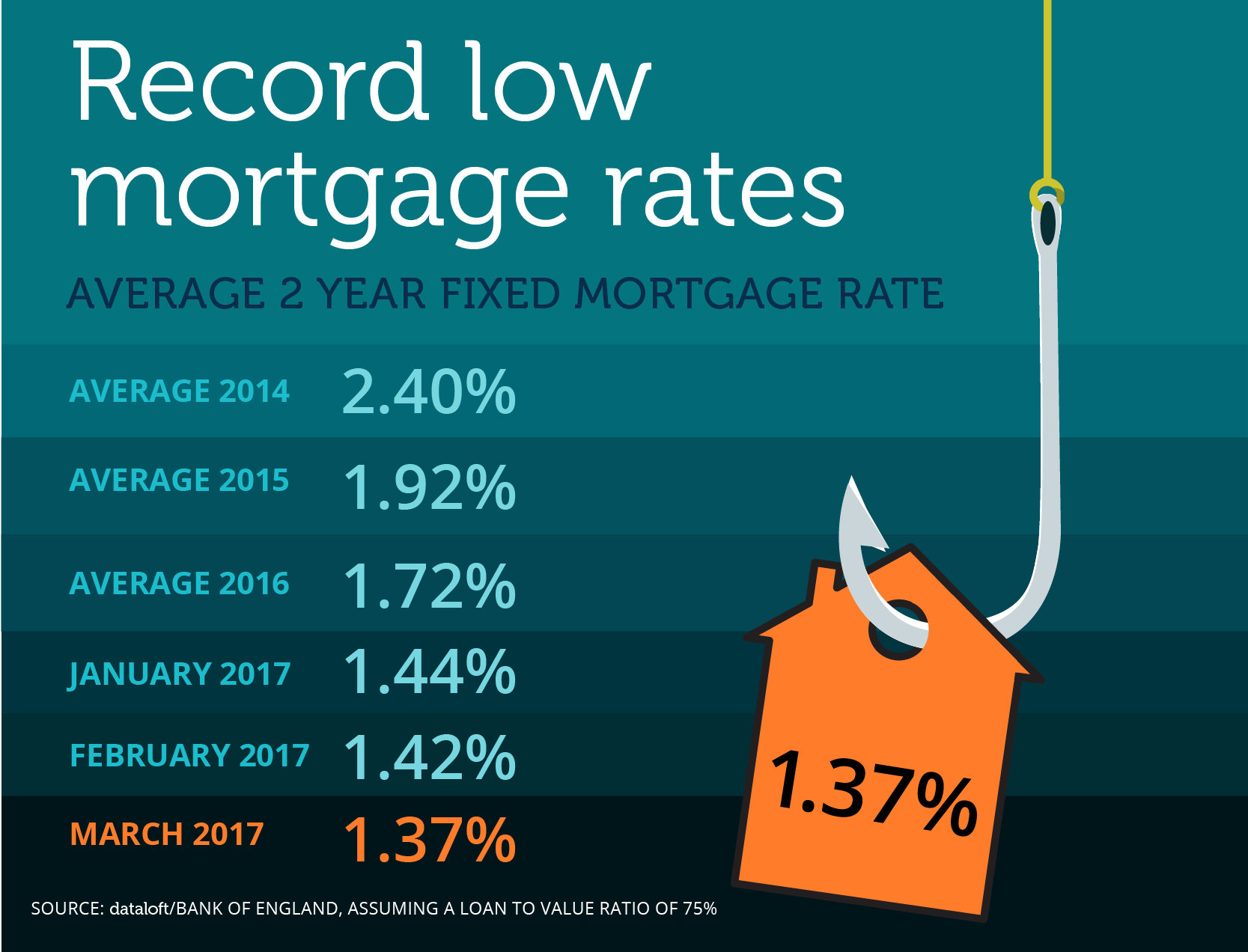
The “lowest rate” can also depend on the type of loan product you select. Not all mortgages are structured the same, and some are specifically designed to offer lower entry-level interest costs.
Fixed-Rate vs. Adjustable-Rate Mortgages (ARMs)
The 30-year fixed-rate mortgage is the gold standard for stability, but it rarely offers the lowest interest rate. If your goal is the absolute lowest rate available at the time of closing, an Adjustable-Rate Mortgage (ARM) is usually the winner. ARMs typically offer a lower “introductory” rate for a set period (such as 5, 7, or 10 years). For homeowners who plan to sell or refinance before the introductory period ends, an ARM can provide significant interest savings compared to a 30-year fixed loan.
Government-Backed Loans: FHA, VA, and USDA
For certain borrowers, government-backed loans offer lower interest rates than conventional loans.
- VA Loans: Available to veterans and active-duty service members, these often boast the lowest average rates in the market and require no down payment.
- FHA Loans: Designed for those with lower credit scores or smaller down payments, FHA rates are often very competitive, though they do come with high insurance premiums that must be factored into the total cost.
- USDA Loans: For those buying in designated rural areas, USDA loans offer competitive rates and zero down payment options, targeting low-to-moderate-income borrowers.
Buying Down the Rate with Mortgage Points
One of the most direct ways to get the lowest rate is to “buy” it. Discount points allow borrowers to pay an upfront fee (one point equals 1% of the loan amount) to lower the interest rate for the life of the loan. This is a purely mathematical decision. If you plan to stay in the home for a long time, paying for points can save you thousands. However, if you plan to move in a few years, the upfront cost may exceed the monthly savings, making it a poor financial move.
External Economic Forces: Why Rates Move
Understanding who has the lowest rates also requires an understanding of why rates change on a daily basis. Lenders do not operate in a vacuum; they are tethered to the broader global economy.
The Role of the Federal Reserve
A common myth is that the Federal Reserve sets mortgage rates. In reality, the Fed sets the “Federal Funds Rate,” which is the rate banks charge each other for overnight loans. While mortgage rates tend to track the movement of the Fed’s actions, they are more closely correlated with the 10-year Treasury bond yield. When the Fed signals that they are fighting inflation by raising rates, bond yields usually rise, and mortgage rates follow suit.
Inflation and Market Sentiment
Inflation is the “arch-nemesis” of fixed-income investments like mortgages. When inflation is high, the purchasing power of the future interest payments a lender receives is eroded. To compensate, lenders raise interest rates. Conversely, when the economy slows down or enters a recession, investors often flock to the safety of bonds, which can drive yields down and result in lower mortgage rates for consumers.
Regional Market Variations
While national averages are a good benchmark, mortgage rates can vary by geography. In regions with high competition among lenders (such as major metropolitan areas), rates may be slightly lower as institutions vie for market share. Conversely, in remote areas with fewer lending options, rates might be slightly higher. Local economic health also plays a role; lenders may offer more aggressive pricing in growing markets where property values are appreciating steadily.
The Art of Comparison: Steps to Ensure You Get the Lowest Quote
Securing the lowest rate is a proactive process. It requires more than just a single phone call; it requires a disciplined approach to shopping and negotiation.
Obtaining Multiple Loan Estimates
Research from the Consumer Financial Protection Bureau (CFPB) consistently shows that borrowers who get at least three quotes save thousands of dollars over the life of their loan. When you apply, ask for an official “Loan Estimate.” This standardized three-page document allows you to compare “apples to apples” across different lenders, looking not just at the interest rate, but also at the closing costs and the Annual Percentage Rate (APR).
Understanding the APR vs. The Interest Rate
When searching for the lowest rates, many people ignore the APR. The interest rate is the cost of borrowing the principal, but the APR includes the interest rate plus other fees like points, mortgage insurance, and loan origination fees. A lender might offer a lower interest rate but charge much higher fees, resulting in a higher APR. To find the true “lowest” cost, the APR is the more accurate metric for comparison.
Timing and Rate Locks
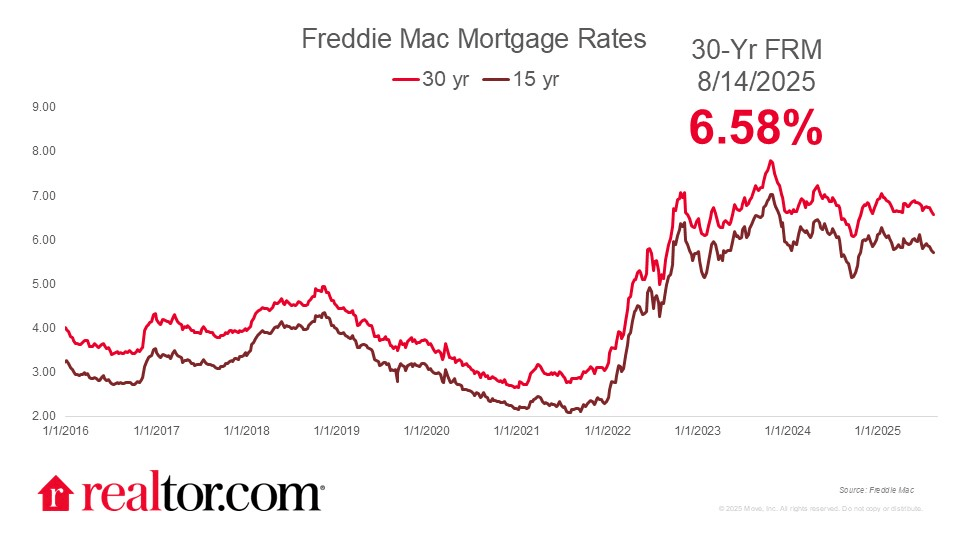
Because mortgage rates can change multiple times in a single day, timing is critical. Once you find a rate you are happy with, you should consider a “rate lock.” This agreement between you and the lender guarantees the interest rate for a specific period (usually 30 to 60 days) while your loan is processed. This protects you from market volatility and ensures that the “low rate” you found doesn’t vanish before you reach the closing table.
In conclusion, finding the lowest mortgage rate is a multifaceted endeavor that blends market timing, financial discipline, and thorough research. By looking beyond the big banks toward credit unions and online lenders, optimizing your personal credit profile, and strategically choosing the right loan product, you can position yourself to secure a rate that minimizes your long-term financial burden and maximizes your home-buying power.
aViewFromTheCave is a participant in the Amazon Services LLC Associates Program, an affiliate advertising program designed to provide a means for sites to earn advertising fees by advertising and linking to Amazon.com. Amazon, the Amazon logo, AmazonSupply, and the AmazonSupply logo are trademarks of Amazon.com, Inc. or its affiliates. As an Amazon Associate we earn affiliate commissions from qualifying purchases.