
In the world of finance, few metrics carry as much weight as the prevailing interest rate. Whether you are a first-time homebuyer, a seasoned stock market investor, or someone simply trying to grow a modest savings account, the question “what is the rate of interest today?” is more than just a search query—it is a fundamental inquiry into the cost of money. Interest rates act as the pulse of the global economy, dictating the flow of capital, the accessibility of credit, and the overall health of the financial markets.
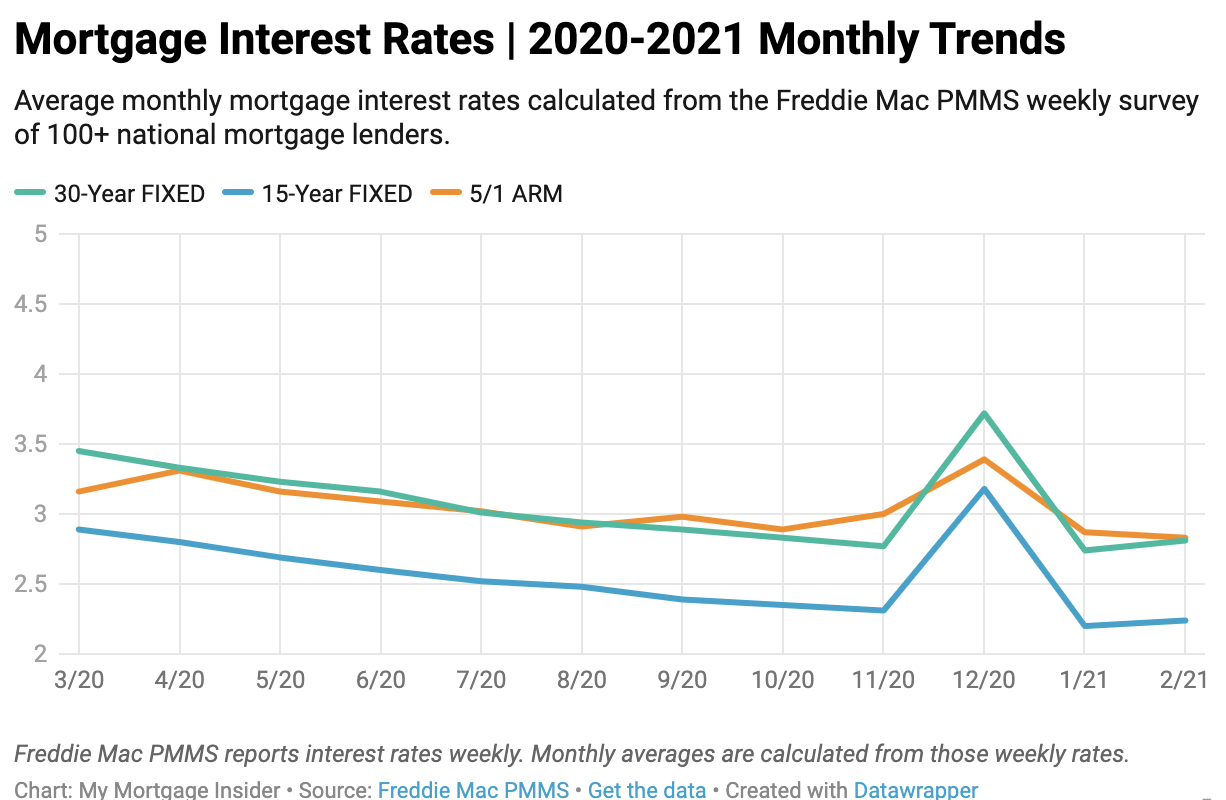
Understanding today’s interest rates requires looking beyond a single percentage point. It involves analyzing how central bank policies, inflationary pressures, and market sentiment converge to influence everything from your monthly mortgage payment to the dividends on your retirement portfolio. In this guide, we will dissect the current interest rate environment and provide actionable insights on how to navigate these financial waters.
Decoding the Current Interest Rate Environment
When people ask about “the” interest rate, they are often referring to the federal funds rate or the benchmark rate set by a nation’s central bank. However, the interest rate environment is a complex ecosystem where various rates coexist and influence one another.
The Role of Central Banks and Federal Policy
Central banks, such as the Federal Reserve in the United States or the European Central Bank in the EU, are the primary architects of interest rate trends. Their primary mandate is usually two-fold: maintaining price stability (controlling inflation) and promoting maximum sustainable employment. To achieve these goals, they adjust the “target range” for the federal funds rate.
When inflation is high, central banks typically raise rates to “cool down” the economy by making borrowing more expensive. Conversely, in times of economic stagnation, they lower rates to encourage spending and investment. Understanding today’s rates begins with monitoring the Federal Open Market Committee (FOMC) meetings, as their decisions set the tone for all other commercial lending.
Why Rates Fluctuate Daily
While central bank policy provides the foundation, market-driven rates—such as those for 10-year Treasury notes or 30-year fixed mortgages—can fluctuate daily. These fluctuations are driven by investor expectations. If investors believe inflation will remain high, they demand higher yields on bonds to compensate for the eroding value of future payments.
Global events, geopolitical shifts, and monthly employment reports also play a role. A “hawkish” tone from a central bank official (suggesting higher rates) can cause immediate spikes in market yields, while “dovish” comments (suggesting lower rates) can lead to a sudden dip. Today’s rate is effectively a reflection of the market’s collective bet on the future of the economy.
The Impact of Inflation on Your Purchasing Power
One cannot discuss interest rates without discussing inflation. The “real” interest rate is the nominal rate minus the rate of inflation. If you are earning 4% interest on a savings account but inflation is at 5%, you are technically losing 1% of your purchasing power annually.
Today’s financial landscape is defined by this tug-of-war. For years, interest rates were near zero, but the recent surge in global inflation forced a rapid pivot toward higher rates. For the average consumer, this means that while their savings might finally be earning a return, the cost of the goods they buy and the debt they carry has increased simultaneously.
How Today’s Rates Affect Your Personal Debt
Interest rates are most tangibly felt in the realm of personal debt. For the borrower, a “high” rate is a burden, while for a lender, it is a source of revenue. The current environment has created a bifurcated reality for those looking to borrow money.
Mortgages: Fixed vs. Variable Rates in a High-Rate Market
The housing market is perhaps the most sensitive sector to interest rate changes. A difference of just 1% in a mortgage rate can result in tens of thousands of dollars in extra interest over the life of a 30-year loan. In today’s market, many prospective buyers are facing a “lock-in” effect—where homeowners with low-rate mortgages from previous years are hesitant to sell and take on a new loan at current higher rates.
Prospective buyers must choose between fixed-rate mortgages, which offer the security of a consistent payment, and Adjustable-Rate Mortgages (ARMs). While ARMs often offer a lower initial rate, they carry the risk of significant increases later. In a high-rate environment, the strategy often shifts from “buying the dream home” to “marrying the house and dating the rate,” with the hope of refinancing when rates eventually decline.
Credit Cards and Annual Percentage Rates (APR)
Credit card interest rates are almost always variable and tied directly to the prime rate. As central banks raise benchmark rates, credit card APRs follow suit almost immediately. Today, many credit cards carry APRs exceeding 20%, making carrying a balance more expensive than it has been in decades. For those focused on personal finance, prioritizing the “debt avalanche” or “debt snowball” method to eliminate high-interest revolving debt is more critical now than ever.

Personal and Student Loans: Strategies for Borrowers
Personal loans and private student loans are also subject to the prevailing interest rate climate. Unlike federal student loans, which often have fixed rates set by legislation, private loans can vary wildly based on your credit score and current market conditions. Borrowers should look for opportunities to consolidate or lock in fixed rates if they anticipate that inflation—and therefore interest rates—will remain “higher for longer.”
Maximizing Returns: Interest Rates and Your Savings
While high rates are a challenge for borrowers, they represent a golden age for savers. For nearly a decade, “cash was trash,” as savings accounts yielded negligible returns. Today, the script has flipped.
High-Yield Savings Accounts (HYSA) and Money Market Accounts
If your money is still sitting in a traditional big-bank savings account earning 0.01%, you are missing out on one of the best risk-free opportunities in the current market. High-yield savings accounts (HYSAs), often offered by online-only banks, are currently offering rates that significantly outperform traditional institutions. These accounts provide liquidity while allowing your emergency fund to grow at a rate that helps offset inflation.
Certificates of Deposit (CDs): Locking in Current Rates
For those who do not need immediate access to their cash, Certificates of Deposit (CDs) allow you to lock in today’s high rates for a set period, ranging from three months to five years. This is a particularly effective strategy if you believe that interest rates have peaked and will likely fall in the future. By “laddering” CDs—investing in multiple certificates with different maturity dates—you can maintain some liquidity while capturing high yields.
The Relationship Between Interest Rates and Bond Yields
Bonds are a cornerstone of conservative investing, but they have an inverse relationship with interest rates: when rates go up, bond prices go down. However, the yield on new bonds increases. Today’s investors are finding attractive yields in Treasury Inflation-Protected Securities (TIPS) and short-term corporate bonds. For a diversified portfolio, understanding the “yield curve”—the difference between short-term and long-term interest rates—is essential for predicting economic shifts and positioning fixed-income investments accordingly.
Interest Rates and the Broader Investment Market
Interest rates are the “gravity” of the financial markets. When rates are low, assets like stocks and real estate tend to soar. When rates rise, that gravity pulls valuations back down to earth.
Stock Market Volatility in Response to Rate Hikes
Higher interest rates impact the stock market in two ways. First, they increase the cost of doing business for corporations, which can eat into profit margins. Second, they change the “discount rate” used by analysts to value future earnings. Growth stocks, particularly in the tech sector, are often hit hardest by rising rates because their value is based on profits expected far in the future. In today’s market, investors have shifted their focus toward “value” stocks—companies with strong cash flows and low debt that can weather a high-interest environment.
Real Estate Investment Trusts (REITs) and Property Values
For those who invest in real estate through REITs, interest rates are a double-edged sword. On one hand, REITs often carry significant debt to finance property acquisitions, making them sensitive to rising rates. On the other hand, high rates can lead to a decrease in new construction, reducing the supply of housing and commercial space, which can drive up rents. Navigating this sector today requires a surgical focus on specific niches, such as industrial or multi-family housing, rather than a broad-market approach.
Emerging Opportunities in Fixed-Income Assets
For the first time in years, the “60/40” portfolio (60% stocks, 40% bonds) is seeing a resurgence. With interest rates at their current levels, bonds are finally providing the “income” portion of fixed income. Investors are looking at government bonds and high-quality corporate debt as a way to secure 4% to 6% returns with significantly less volatility than the equity markets.
Navigating the Future: How to Position Your Finances
The question of “what is the rate of interest today” is ultimately about preparation. The economic cycle is inevitable, and interest rates will continue to rise and fall. The goal of any sound financial strategy is to remain resilient regardless of the direction the needle moves.
Building a Recession-Resistant Portfolio
Higher interest rates are often a precursor to an economic slowdown, as the central bank deliberately tries to curb spending. To protect your finances, focus on liquidity. Ensure your emergency fund is in a high-interest account, and consider diversifying into “defensive” sectors like healthcare or consumer staples that tend to hold their value when the economy cools.
Refinancing Strategies for Existing Debt
If you are currently holding high-interest debt, keep a close watch on the market. While rates are high today, the moment the central bank hints at a “pivot” toward lower rates, there will be a window of opportunity to refinance. Preparing your credit score now will ensure you are at the front of the line to secure a lower rate when the cycle eventually turns.

The Importance of Financial Literacy in Shifting Economies
In an era of rapid information, the most valuable asset you have is financial literacy. Understanding the mechanics of interest rates allows you to move from a reactive state—where you are surprised by a higher credit card bill—to a proactive state, where you are strategically moving assets to capture higher yields.
Today’s interest rates are a reminder that money has a cost and a value. By paying attention to the signals sent by the Federal Reserve and the bond market, you can make informed decisions that protect your wealth and capitalize on the unique opportunities that only a high-rate environment can provide. Whether you are saving, borrowing, or investing, staying informed about the rate of interest today is the first step toward a secure financial tomorrow.
aViewFromTheCave is a participant in the Amazon Services LLC Associates Program, an affiliate advertising program designed to provide a means for sites to earn advertising fees by advertising and linking to Amazon.com. Amazon, the Amazon logo, AmazonSupply, and the AmazonSupply logo are trademarks of Amazon.com, Inc. or its affiliates. As an Amazon Associate we earn affiliate commissions from qualifying purchases.