
Navigating the world of air travel often feels like stepping into a volatile financial market. For the average traveler, the question “how much is a flight ticket?” rarely yields a straightforward answer. You might find a seat for $400 one day, only to see it spike to $1,200 forty-eight hours later. This price volatility is not accidental; it is the result of sophisticated financial modeling, microeconomic variables, and global market shifts.
In the realm of personal finance and business expenditure, airfare represents one of the most significant and unpredictable overheads. To master the cost of travel, one must look beyond the search engine results and understand the underlying economic structures that dictate ticket pricing.
The Core Financial Components of a Flight Ticket
To understand the total cost of a flight, one must first deconstruct the ticket into its fundamental financial layers. A flight ticket is rarely just the “price of the seat.” Instead, it is a bundle of various costs, taxes, and margins that the airline manages to maintain profitability.
Base Fares and Airline Operational Margins
The base fare is the primary revenue generator for the airline. This figure is designed to cover the direct operational costs of the flight, including pilot and cabin crew salaries, aircraft maintenance, and insurance. However, the base fare is also where the airline hides its profit margin. In a highly competitive market, airlines often lower the base fare to near-zero levels—seen frequently with low-cost carriers—to attract customers, intending to recoup costs through ancillary services. From a financial perspective, the base fare is the most elastic part of the ticket price.
Taxes, Regulatory Fees, and Fuel Surcharges
A significant portion of what you pay never actually reaches the airline’s treasury. Governments and airport authorities impose a myriad of fees that are passed directly to the consumer. These include international departure taxes, security fees, and passenger facility charges (PFCs) used for airport infrastructure.
Furthermore, the “fuel surcharge” is a critical financial instrument used by airlines to hedge against the volatility of the oil market. Because jet fuel is one of the largest expenses for any carrier, these surcharges allow airlines to adjust prices in response to global energy fluctuations without needing to refile their entire base fare structure with regulatory bodies.
Dynamic Pricing and the Science of Revenue Management
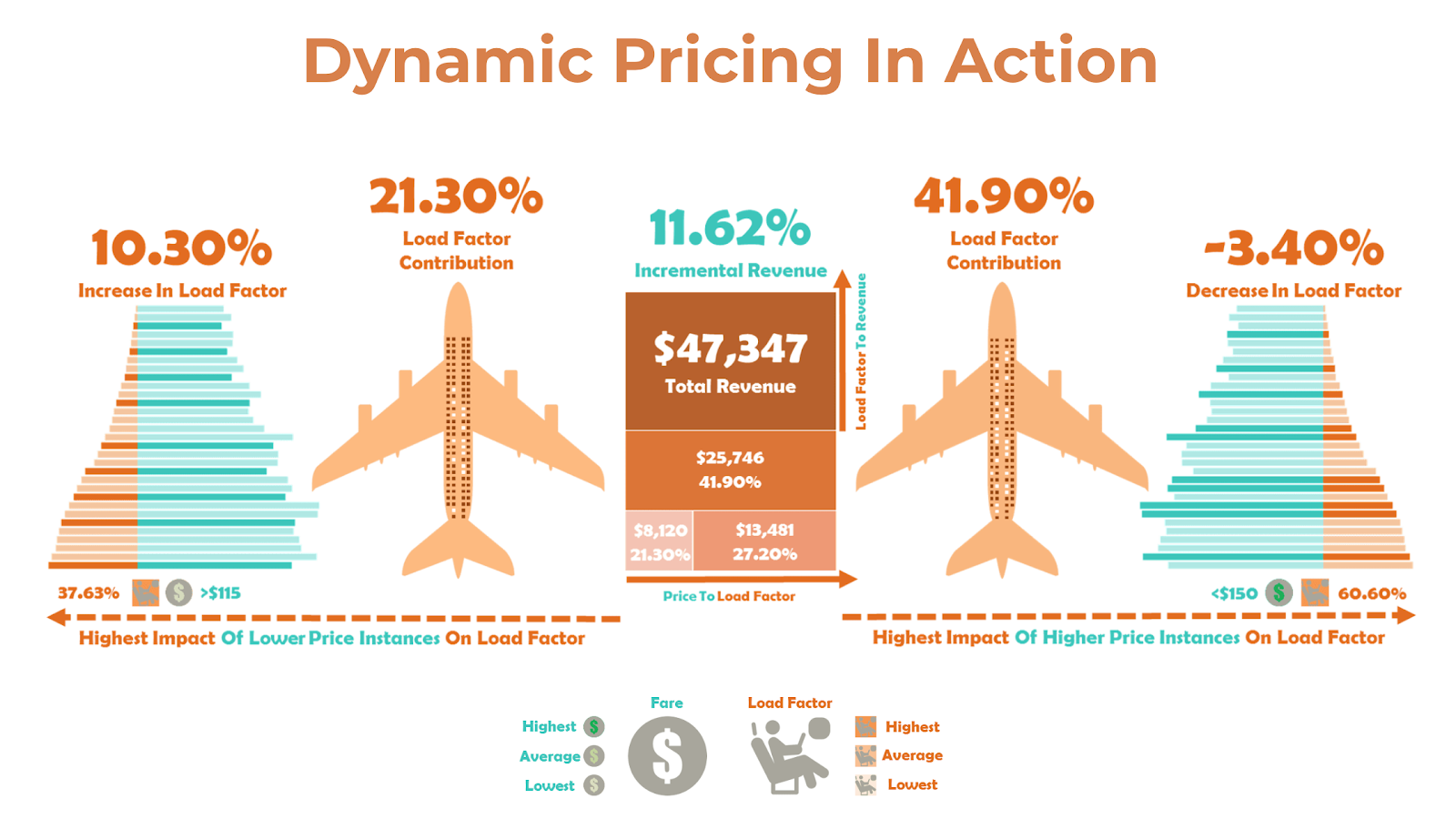
The reason flight prices fluctuate by the hour is a practice known as “Yield Management” or “Revenue Management.” This is a sophisticated financial strategy used to maximize the revenue generated from a fixed, perishable inventory (the seats on a plane).
The Mechanics of Fare Buckets and Booking Classes
Airlines do not sell every seat in economy class at the same price. Instead, they divide the cabin into “fare buckets” or booking classes. Each bucket has a specific price point and a set of restrictions (such as refundability or change fees).
As the cheaper buckets sell out, the system automatically opens the next, more expensive bucket. This is why prices rise as the departure date approaches. From a business finance perspective, this allows the airline to capture the “consumer surplus”—charging more to last-minute business travelers who have a higher willingness to pay, while filling the plane early with price-sensitive leisure travelers.
Supply and Demand Fluctuations in Real Time
The price of a ticket is a living reflection of supply and demand. Airlines use historical data and predictive algorithms to estimate how many people want to fly a specific route at a specific time. During peak financial periods—such as holidays, major sporting events, or international summits—demand skyrockets, and the “floor” price of the ticket rises accordingly. Conversely, during “dead zones” (such as mid-week in February for a vacation destination), airlines may drop prices below the cost of operation just to maintain cash flow and prevent flying empty “ghost” flights.

Strategic Budgeting for Travel: Optimizing Your Financial Outlay
For the savvy individual or business owner, managing the cost of flight tickets is an exercise in strategic financial planning. By understanding the cycles of the travel market, one can significantly reduce their annual travel expenditure.
The ROI of Timing and Purchase Windows
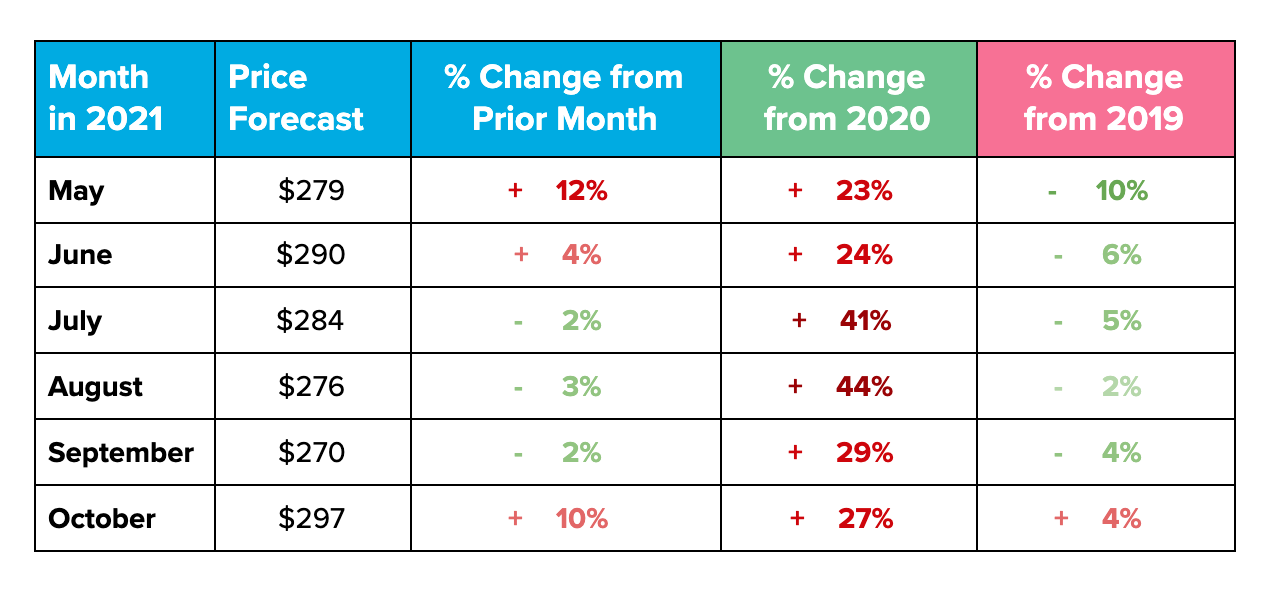
Financial experts often debate the “optimal” time to buy a flight. While the old myth of “buying on a Tuesday” has largely been debunked by automated pricing, the concept of the “booking curve” remains vital. For domestic travel, the financial sweet spot usually lies between one and three months before departure. For international routes, this window extends to six months.
Purchasing too early can be just as financially inefficient as purchasing too late; airlines often set high “placeholder” prices a year in advance and only begin to compete on price once they have a clearer picture of the season’s demand.
Leveraging Credit Rewards and Travel Arbitrage
In the modern financial landscape, the “cost” of a ticket can often be offset through the strategic use of credit card rewards and loyalty programs. Many professionals treat frequent flyer miles as a secondary currency. By utilizing high-yield travel rewards cards for everyday business expenses, the “out-of-pocket” cost of a flight can be reduced to almost zero, covering only the mandatory government taxes. This form of “travel arbitrage” is a core component of modern personal finance for those who travel frequently.
Global Economic Factors Influencing the Market
The price of a flight ticket is not just determined by the airline’s internal logic; it is also a reflection of the global economy. Macroeconomic shifts can cause ticket prices to rise globally, regardless of individual demand.
Fuel Prices and Inflationary Pressures
Jet fuel (kerosene) is a commodity traded on the global market. When geopolitical tensions rise in oil-producing regions, the cost of fuel spikes. Because fuel can account for 20% to 30% of an airline’s total operating expenses, these costs are almost immediately passed on to the consumer.
Additionally, general inflation affects the cost of labor, catering, and aircraft parts. As the cost of living increases, airlines must raise ticket prices to maintain their debt-to-equity ratios and satisfy shareholders. For the traveler, this means that the “baseline” price for travel tends to creep upward over time, independent of seasonal discounts.
Currency Fluctuations and Route Efficiency
For international travel, exchange rates play a massive role in ticket pricing. If you are buying a ticket in a currency that is weakening against the US Dollar (the standard currency for fuel and aircraft leases), your ticket will effectively become more expensive.
Furthermore, the “cost of distance” is changing. Advances in aerospace engineering have made long-haul, point-to-point flights more fuel-efficient. However, the closure of certain airspaces due to geopolitical conflict can force planes to take longer routes, increasing fuel burn and, consequently, the ticket price. These are “invisible” costs that the consumer pays for, often without realizing the complex geopolitical reasons behind the price hike.
Conclusion: Mastering the Cost of the Skies
The question of “how much is a flight ticket” is less about a single number and more about a complex intersection of economics, timing, and global market health. To effectively manage travel costs, one must view airfare through the lens of a financial analyst.
By understanding that a ticket price is composed of fixed regulatory costs and variable “fare buckets,” travelers can better time their purchases. By recognizing the impact of global fuel prices and currency shifts, they can budget more accurately for future expenditures. Ultimately, the cost of a flight is a lesson in market efficiency: the more you understand the underlying financial drivers, the better equipped you are to find value in an ever-changing sky. Whether for personal enrichment or business growth, treating airfare as a strategic financial variable rather than a random expense is the key to sustainable and affordable travel.
aViewFromTheCave is a participant in the Amazon Services LLC Associates Program, an affiliate advertising program designed to provide a means for sites to earn advertising fees by advertising and linking to Amazon.com. Amazon, the Amazon logo, AmazonSupply, and the AmazonSupply logo are trademarks of Amazon.com, Inc. or its affiliates. As an Amazon Associate we earn affiliate commissions from qualifying purchases.