
Since its inception in 2009, Bitcoin has evolved from an obscure cryptographic experiment into a global financial powerhouse. To the uninitiated, the price tag of a single Bitcoin—often fluctuating between the tens of thousands and record-breaking highs—can seem irrational or driven purely by speculation. However, when viewed through the lens of monetary theory and market dynamics, the valuation of Bitcoin is the result of a complex interplay of supply-side constraints and a massive shift in global demand.
To understand why Bitcoin is so expensive, one must look past the digital interface and analyze the underlying economic principles that govern its ecosystem: scarcity, institutional adoption, and its emerging role as a sovereign store of value.

1. The Fundamental Law of Supply and Demand
At the heart of any asset’s price is the relationship between how much of it exists and how many people want to buy it. Bitcoin represents a radical departure from traditional “fiat” currencies (like the US Dollar or the Euro) because its supply is governed not by a central bank, but by immutable code.
The Hard Cap of 21 Million
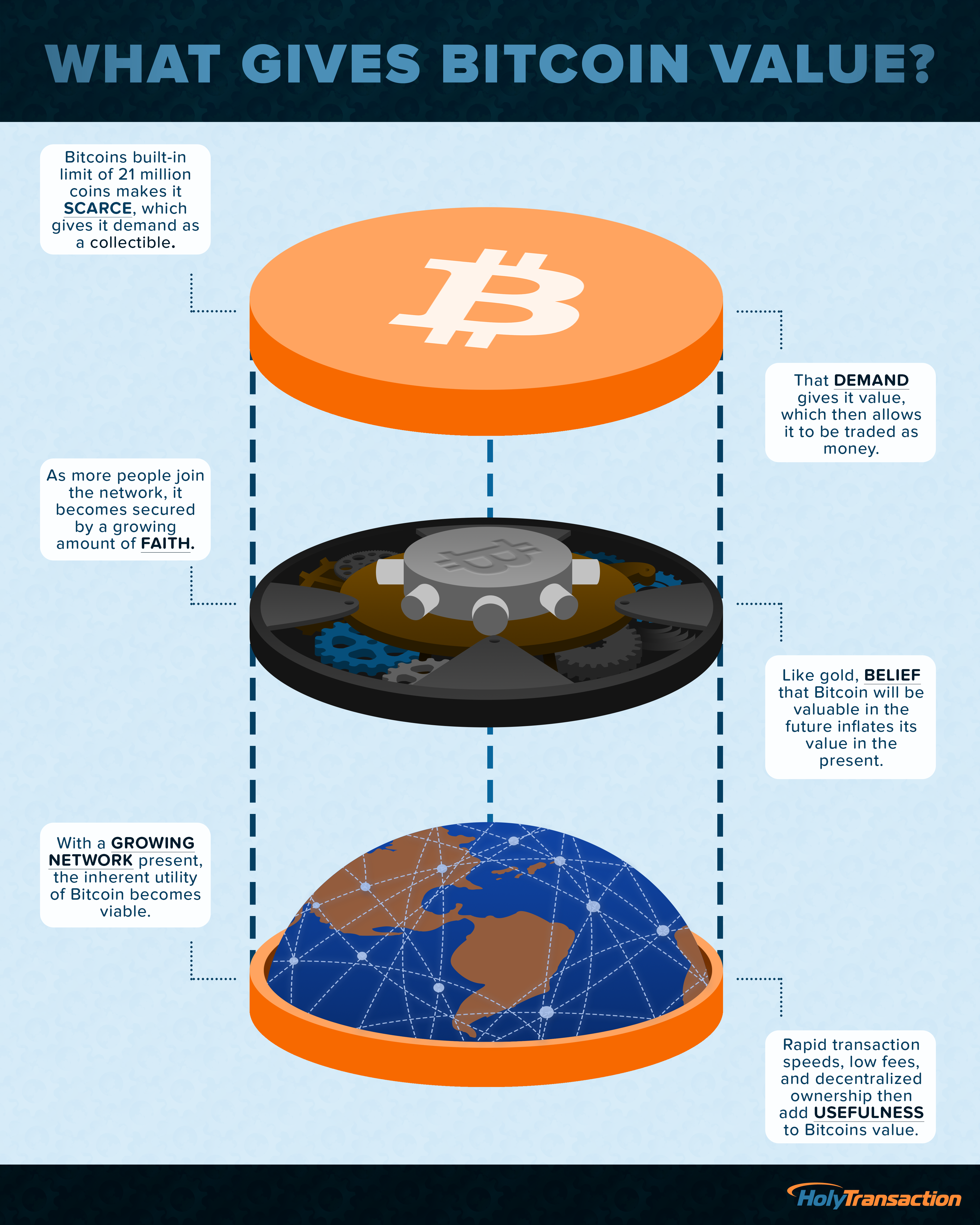
The most significant driver of Bitcoin’s long-term price appreciation is its absolute scarcity. There will only ever be 21 million Bitcoins in existence. Unlike gold, where a massive price increase might incentivize more aggressive mining and exploration to increase supply, Bitcoin’s supply is inelastic. No matter how high the price goes, the rate at which new Bitcoin enters circulation cannot be increased. This “hard cap” creates a deflationary pressure; as the global population and wealth grow while the supply of Bitcoin remains fixed, the value of each unit naturally tends to rise.
The Halving Mechanism and Programmatic Scarcity
Roughly every four years, the Bitcoin network undergoes an event known as “The Halving.” During this event, the reward given to miners for securing the network is cut by 50%. This effectively slashes the daily production of new Bitcoin in half. Historically, these halving events have served as major catalysts for “bull runs.” By tightening the supply side of the equation while demand remains constant or grows, the market experiences a supply shock that forces the price upward to reach a new equilibrium.
2. Bitcoin as the “Digital Gold” Standard
In the world of personal finance and investing, Bitcoin is increasingly referred to as “Digital Gold.” This comparison isn’t merely metaphorical; it is based on the shared characteristics that make an asset a reliable store of value.
A Hedge Against Monetary Inflation
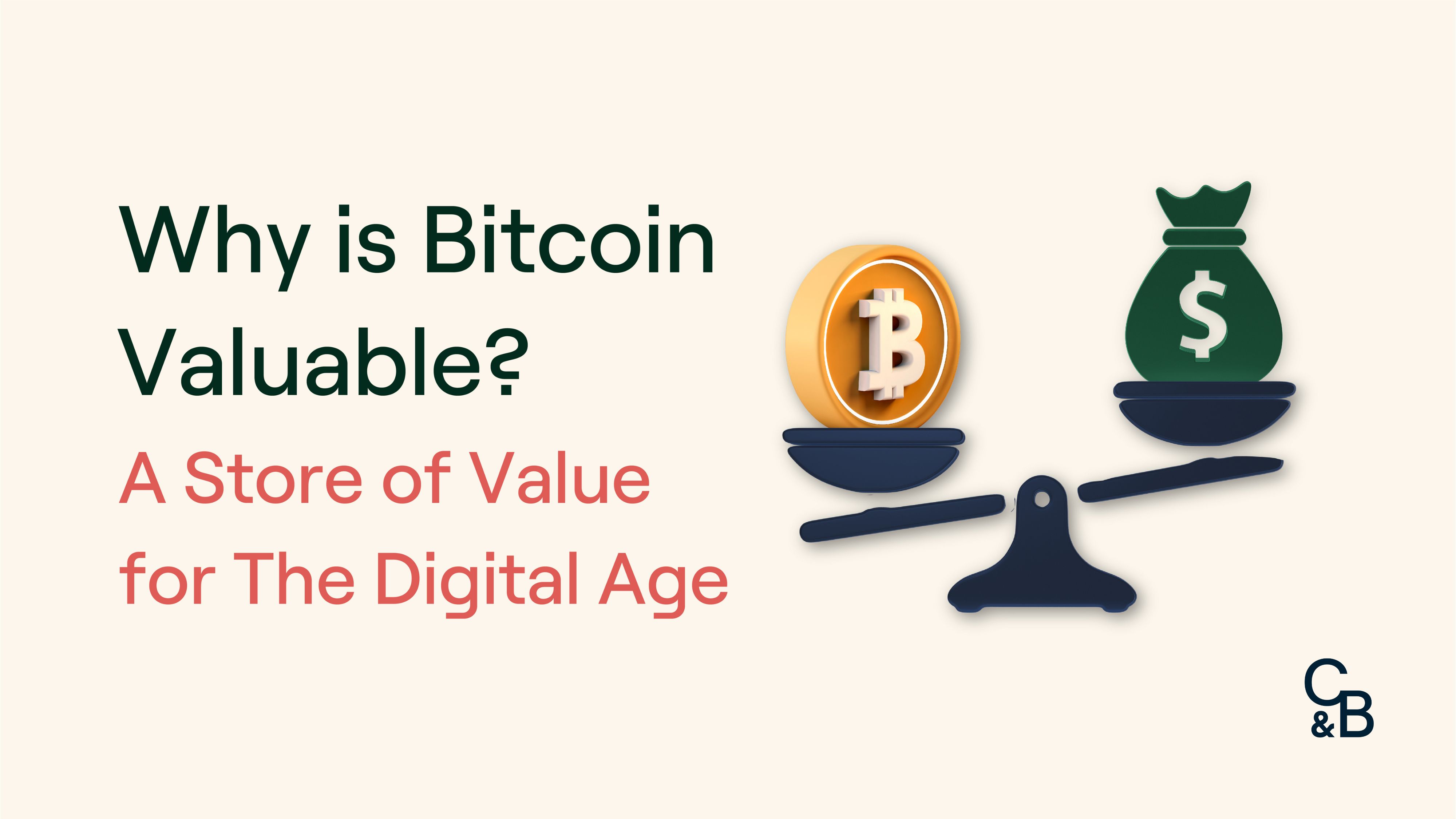
For decades, investors used gold to protect their purchasing power against the devaluation of paper currency. In recent years, central banks around the world have engaged in unprecedented levels of quantitative easing and money printing. As the supply of fiat currency expands, the “cost” of finite assets like real estate, stocks, and Bitcoin increases. Many investors view Bitcoin as a superior version of gold because it is easier to transport, verify, and divide, leading them to move capital out of depreciating cash and into the “pristine collateral” of the Bitcoin network.
Portability, Divisibility, and Verifiability
Part of why Bitcoin commands such a high price is its utility as a financial instrument. Unlike physical gold, which is heavy and expensive to store or move across borders, Bitcoin can be sent anywhere in the world in minutes. Furthermore, you do not have to buy a whole Bitcoin; it is divisible down to eight decimal places (the smallest unit being a “Satoshi”). This accessibility, combined with the ability for anyone to verify the authenticity of a Bitcoin via the blockchain without a third-party auditor, adds a significant “trust premium” to its market value.
3. Institutional Adoption and Market Maturity
For the first decade of its existence, Bitcoin was primarily a retail-driven asset, traded by hobbyists and early tech adopters. The recent explosion in price is largely attributed to the entry of “big money”—institutional investors, hedge funds, and publicly traded corporations.
The Impact of Spot ETFs
The approval of Spot Bitcoin Exchange-Traded Funds (ETFs) in major markets like the United States represented a watershed moment for the asset’s valuation. Before ETFs, institutional investors faced significant regulatory and custodial hurdles to owning Bitcoin. Now, massive pension funds and insurance companies can gain exposure to Bitcoin through traditional brokerage accounts. This has opened a “liquidity floodgate,” bringing billions of dollars of fresh capital into a market with a limited supply, naturally driving the price to new heights.
Corporate Treasury Allocations
Another pillar of Bitcoin’s high valuation is its adoption as a corporate reserve asset. Companies like MicroStrategy and Tesla have famously moved portions of their cash reserves into Bitcoin. By treating Bitcoin as a treasury asset rather than a speculative trade, these corporations take massive amounts of supply off the liquid market. When large entities “HODL” (hold on for dear life) their coins for the long term, it reduces the “free float” available for purchase, making the remaining coins significantly more expensive for everyone else.
4. The Network Effect and Global Utility
In economics, Metcalfe’s Law states that the value of a network is proportional to the square of the number of its users. As more people, merchants, and institutions join the Bitcoin network, its utility and value increase exponentially.
Global Liquidity and Borderless Transfers
Bitcoin operates 24/7/365, independent of banking holidays or geopolitical borders. In regions experiencing hyperinflation or political instability—such as Argentina, Turkey, or Nigeria—Bitcoin is not seen as an “expensive” luxury, but as a necessary financial life raft. The demand from these emerging markets provides a constant floor for Bitcoin’s price. As it becomes a global standard for cross-border settlement and a hedge against local currency collapse, its total addressable market expands to include the entire global population.
The “First Mover” Advantage
While there are thousands of other cryptocurrencies, Bitcoin remains the most expensive because it possesses the strongest network effect. It has the highest level of security (hash rate), the most established brand recognition, and the deepest liquidity. In the world of finance, liquidity begets liquidity. Large investors choose Bitcoin because they can enter and exit positions worth hundreds of millions of dollars without moving the market as drastically as they would with a smaller “altcoin.” This safety and dominance earn Bitcoin a “dominance premium.”
5. The Psychology of Value and Speculative Premium
Finally, it is essential to acknowledge the role of market sentiment and the psychological perception of value. Price is not just a reflection of utility; it is a reflection of what the market believes something will be worth in the future.
High Risk, High Reward
Bitcoin is often characterized by its volatility. While this volatility can lead to significant price drops, it also attracts speculative capital looking for high-growth opportunities. Many investors are willing to pay a high price today because they anticipate that Bitcoin will eventually capture a larger share of the $14 trillion gold market or the global offshore wealth market. This forward-looking speculation is baked into the current price.
Trust in Decentralization
In an era of declining trust in centralized institutions, the “un-fudgable” nature of the Bitcoin ledger is highly valued. The fact that no government can seize it (if held properly) and no bank can freeze it makes it an attractive asset for those seeking financial sovereignty. The premium price reflects the cost of an insurance policy against the systemic failures of the traditional financial system.
Conclusion
Bitcoin is expensive not because of a single factor, but because it represents a “perfect storm” of economic conditions. It is the first asset in human history to achieve absolute, programmatic scarcity. When you combine that scarcity with the massive influx of institutional capital, the security of a global decentralized network, and its growing reputation as “Digital Gold,” the high price begins to look less like a bubble and more like the market-driven repricing of a new global asset class.
As the world continues to digitize and traditional fiat currencies face ongoing inflationary pressures, the demand for a finite, borderless, and secure financial tool is likely to persist. While the price will undoubtedly remain volatile, the fundamental drivers—supply cap, institutional adoption, and the network effect—suggest that Bitcoin’s “expensiveness” is simply a reflection of its growing role as a cornerstone of the modern financial landscape.
aViewFromTheCave is a participant in the Amazon Services LLC Associates Program, an affiliate advertising program designed to provide a means for sites to earn advertising fees by advertising and linking to Amazon.com. Amazon, the Amazon logo, AmazonSupply, and the AmazonSupply logo are trademarks of Amazon.com, Inc. or its affiliates. As an Amazon Associate we earn affiliate commissions from qualifying purchases.