
In the modern digital economy, Amazon has redefined the concept of “cost of living” for the average consumer and the “cost of doing business” for the entrepreneur. When we ask “How much is shipping on Amazon?”, we are not just asking for a flat rate; we are inquiring about a complex ecosystem of subscription models, threshold-based incentives, and logistics overhead. Whether you are a household budgeter trying to shave off unnecessary expenses or a side-hustler calculating profit margins, understanding the financial mechanics of Amazon’s shipping is essential.
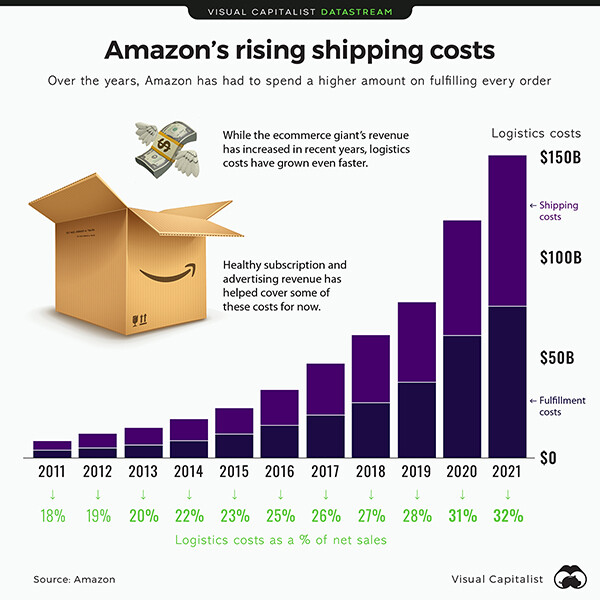
This guide breaks down the monetary implications of Amazon shipping from both the consumer and the seller perspectives, ensuring you can navigate the platform’s costs with financial precision.
1. Decoding the Consumer Cost Structure: Is Prime Worth the Investment?
For the individual consumer, the cost of shipping is primarily dictated by their membership status. Amazon utilizes a “freemium” logistics model that incentivizes an upfront annual or monthly payment in exchange for the elimination of per-item shipping fees.
The ROI Analysis of Amazon Prime
As of 2024, an Amazon Prime membership costs approximately $14.99 per month or $139 per year. From a personal finance standpoint, determining if this is a “saving” requires a Return on Investment (ROI) calculation. If standard shipping on a single item averages $5.99 to $9.99, a consumer must place at least 14 to 24 orders per year to break even on the membership cost purely through shipping savings.
However, the “Money” perspective suggests looking deeper. Prime isn’t just shipping; it’s a bundle of services. When you subtract the market value of streaming services (Video/Music) and cloud storage, the “effective cost” of shipping may drop significantly. For heavy users, the cost of shipping becomes a negligible fixed expense, but for the infrequent shopper, the $139 annual fee represents a significant leakage of capital.
Free Shipping Thresholds for Non-Prime Members
For those who opt out of the subscription model, Amazon typically offers free shipping on orders that exceed a specific threshold—usually $35 for eligible items. While this sounds like a financial win, it often leads to “spending to save.” To avoid a $6.99 shipping fee, consumers frequently add a $10 “filler” item to their cart. Financially speaking, you have spent $3.01 more than necessary. Strategic shoppers must weigh the cost of the shipping fee against the utility of the extra item to maintain a lean household budget.
2. Hidden Costs and Strategic Savings for Global Shoppers
Shipping costs on Amazon are rarely transparent once you cross international borders or deal with oversized goods. These variables can turn a “good deal” into a financial liability if not monitored.
International Shipping and Import Fees
When ordering from an Amazon marketplace outside of your home country (e.g., a US customer ordering from Amazon.uk), shipping is just the beginning. The “Money” niche professional looks at the Total Landed Cost. This includes the base shipping rate, which can range from $20 to over $100 depending on weight, plus the Import Fees Deposit.
Amazon estimates customs duties and taxes at checkout. If the actual duties are lower than the deposit, Amazon refunds the difference. If they are higher, you aren’t charged more. This provides a level of financial predictability, but the high upfront cost means international shipping is rarely cost-effective for low-value items.
Utilizing “No-Rush” Credits and Amazon Day
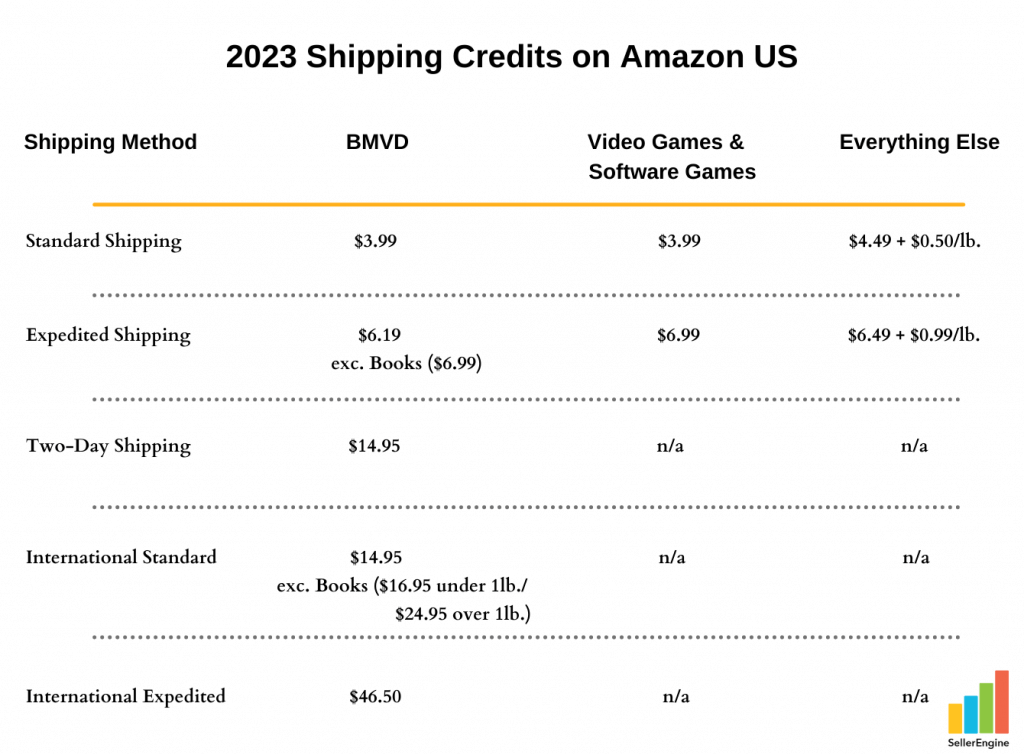
For the patient consumer, shipping can actually become a source of “digital income.” By selecting “No-Rush Shipping” at checkout, Amazon often rewards the user with $1 to $3 in digital credits (for eBooks, movies, or apps). Over a year, a frequent shopper can accumulate $50 to $100 in credits, effectively offsetting the cost of their digital entertainment budget.
Similarly, “Amazon Day” delivery—where all orders arrive on a single designated day—reduces the environmental and logistical cost for the company, and occasionally, Amazon offers small financial incentives for choosing this consolidation. In the world of personal finance, these micro-savings are the equivalent of “found money.”
3. The Seller’s Perspective: Shipping as a Business Expense
For those looking to generate online income through Amazon, shipping is not a convenience; it is a major line item on the Profit and Loss (P&L) statement. The cost of shipping can make or break a small business.
FBA vs. FBM: Analyzing Profit Margins
Sellers must choose between Fulfillment by Amazon (FBA) and Fulfillment by Merchant (FBM).
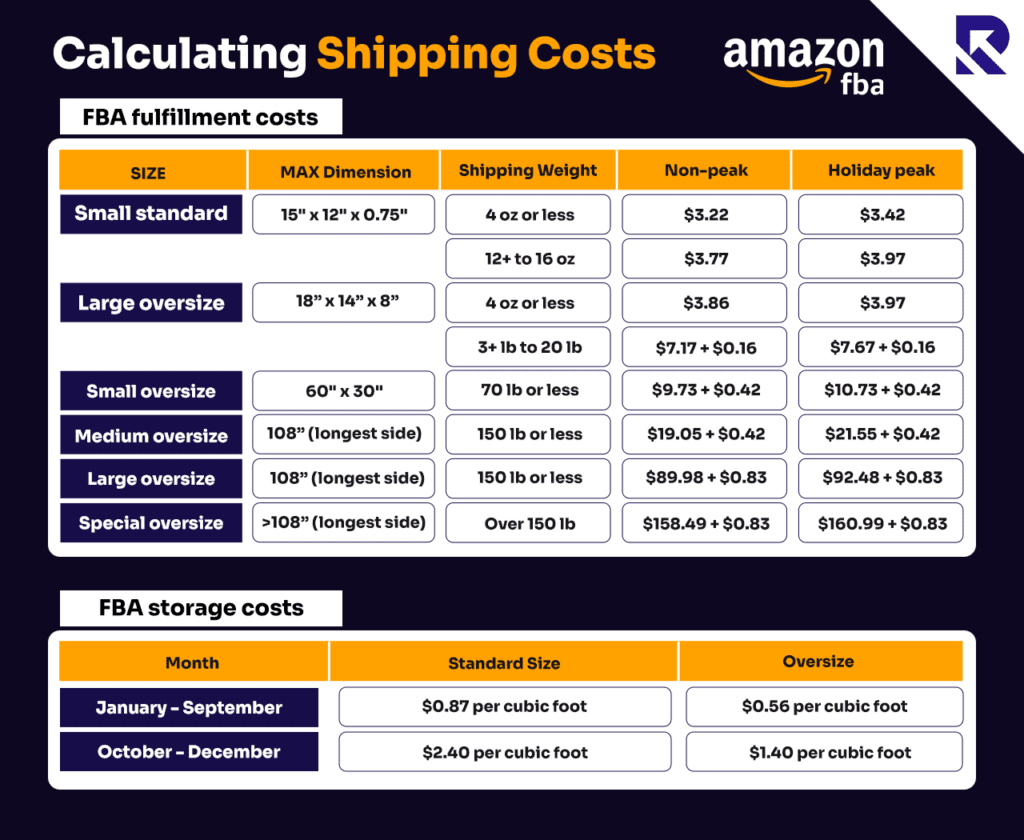
- FBA (Fulfillment by Amazon): You pay Amazon to store and ship your products. The fees are based on size and weight. While this often costs more per unit than self-shipping, FBA items are “Prime Eligible,” which usually leads to a much higher sales velocity. The financial trade-off is a lower margin per unit in exchange for higher total volume.
- FBM (Fulfillment by Merchant): You handle the shipping yourself. This allows for tighter control over costs, especially for lightweight items that can be sent via USPS Ground Advantage. For businesses with their own warehouse infrastructure, FBM can significantly improve the bottom line by avoiding Amazon’s storage and “pick and pack” fees.
Calculating Dimensional Weight and Surcharges
A common pitfall in business finance is failing to account for “Dimensional Weight.” Amazon (and major carriers) charges based on the amount of space a package occupies, not just its actual weight. If you sell a large but light item (like a pillow), you will be billed as if it were much heavier.
Furthermore, “Peak Fulfillment Fees” during the holiday season (October through January) can see shipping costs rise by 10-20%. A business that doesn’t adjust its pricing strategy during these months will see its profit margins evaporated by increased logistics costs.
4. Financial Tools and Strategies to Offset Shipping Costs
In a landscape of rising inflation and fuel surcharges, managing the “how much” of Amazon shipping requires proactive financial strategy.
Leveraging Cash-Back Cards and Store Cards
One of the most effective ways to neutralize the cost of Amazon shipping is through strategic credit use. The Amazon Prime Visa, for instance, offers 5% back on all Amazon purchases. If a Prime member spends $3,000 a year on the platform, they earn $150 in cash back—more than covering the $139 annual membership fee. This turns the shipping cost into a net-zero or even a net-positive financial equation.
Navigating Subscription Hikes and “Subscription Fatigue”
Amazon has historically raised the price of Prime every few years. From a business finance perspective, it is important to treat this as a recurring “overhead” cost. For households, it is vital to perform an annual “subscription audit.” If your shopping habits have shifted toward local pickup or other retailers like Walmart+ or Target Circle, the $139 for Amazon shipping may no longer be a sound investment.
Shipping as a Tax-Deductible Expense
For business owners and freelancers, it is important to remember that Amazon shipping costs are often tax-deductible. Whether it is the cost of shipping products to customers or the Prime membership itself (if used exclusively for business purchases), these expenses can lower your taxable income. Keeping meticulous records of “shipping and delivery” line items in your accounting software is essential for maximizing your year-end financial health.
Conclusion: Mastering the Economics of the Last Mile
So, how much is shipping on Amazon? The answer is fluid. It ranges from “free” (at the cost of a $139 annual commitment) to several hundred dollars for international freight.
For the consumer, the goal is to maximize the utility of the Prime ecosystem while avoiding the “over-spending” traps created by free shipping thresholds. For the entrepreneur, the goal is to master the granular details of FBA fees and dimensional weight to protect profit margins. By viewing Amazon shipping not as a flat fee, but as a strategic financial variable, you can ensure that your digital commerce habits support your broader financial goals rather than undermining them. Whether you are saving $5 on a one-time delivery or optimizing a $10,000 monthly shipping budget, financial literacy remains the most important tool in your cart.
aViewFromTheCave is a participant in the Amazon Services LLC Associates Program, an affiliate advertising program designed to provide a means for sites to earn advertising fees by advertising and linking to Amazon.com. Amazon, the Amazon logo, AmazonSupply, and the AmazonSupply logo are trademarks of Amazon.com, Inc. or its affiliates. As an Amazon Associate we earn affiliate commissions from qualifying purchases.