
In today’s digital economy, subscription services have become an integral part of many households’ financial landscapes. Among these, Amazon Prime stands out as a behemoth, offering a vast array of benefits from expedited shipping to extensive digital entertainment. However, the fundamental question for any financially astute consumer remains: “How much does Amazon Prime cost yearly, and is it truly worth the investment?” This article delves into a comprehensive financial breakdown of Amazon Prime, equipping you with the insights needed to make an informed decision for your personal budget.
The Core Financial Outlay: Understanding Amazon Prime’s Subscription Models
Understanding the fundamental cost of Amazon Prime is the first step in evaluating its financial impact. While the benefits often steal the spotlight, the annual (or monthly) fee represents a direct recurring expenditure that must be reconciled with your financial priorities.
Standard Annual and Monthly Membership Fees
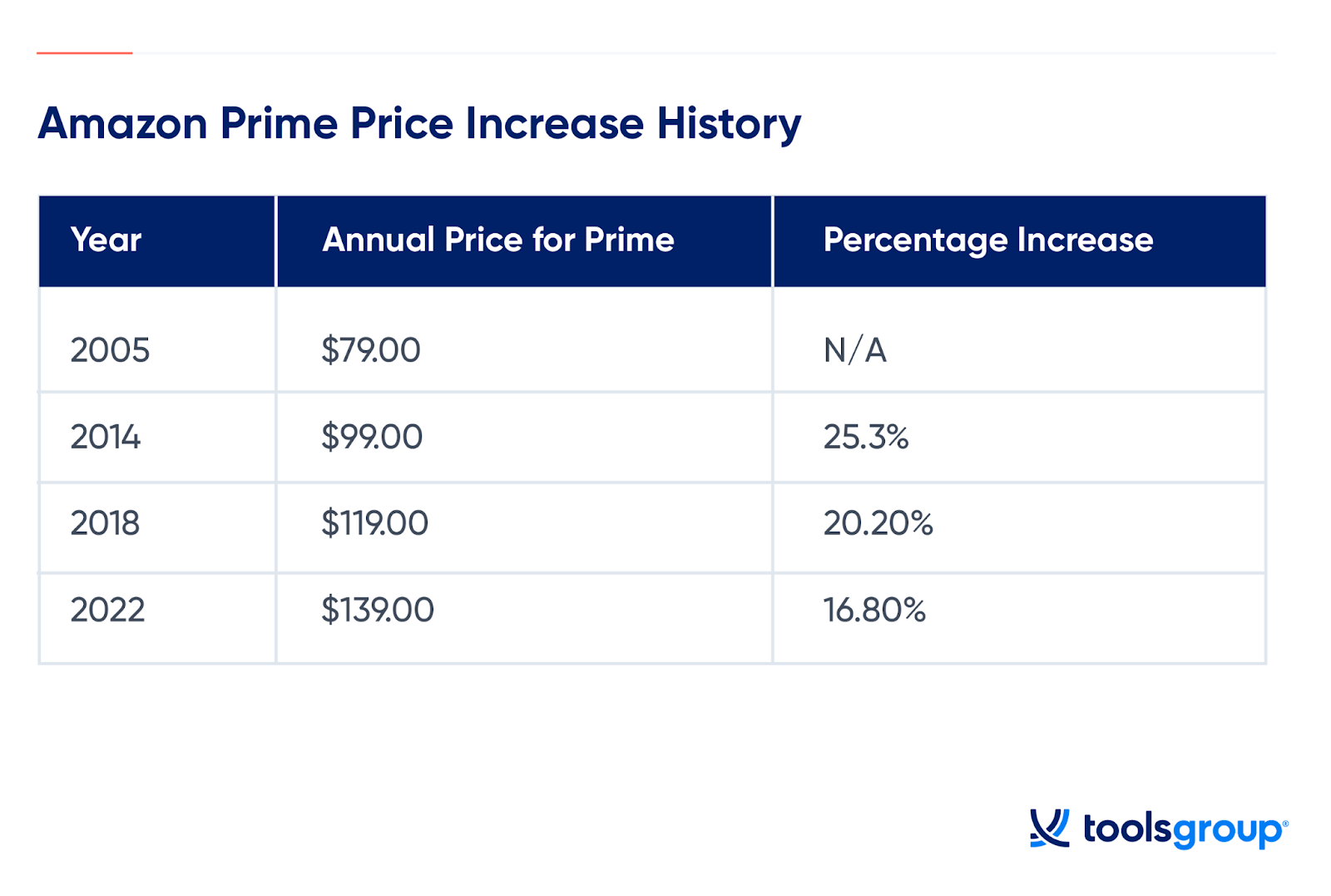
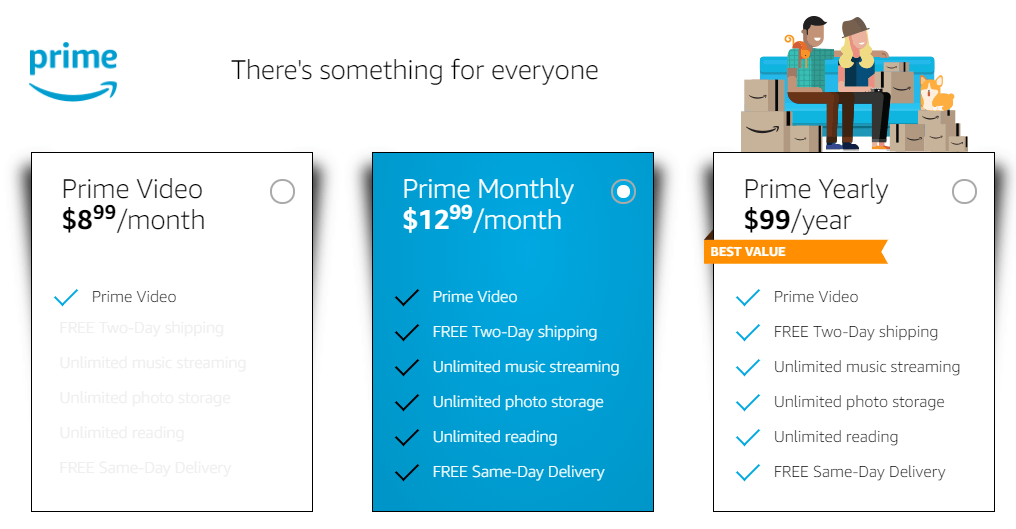
For the majority of users, Amazon Prime offers two primary payment structures: an annual membership and a monthly membership. As of recent updates, the standard annual fee for Amazon Prime in the United States typically hovers around $139 per year. This yearly commitment is often presented as the most cost-effective option for consistent users, translating to an average monthly cost of approximately $11.58.
Alternatively, consumers have the option to subscribe on a monthly basis, usually priced at around $14.99 per month. While this offers greater flexibility, allowing users to subscribe only when needed (e.g., during peak shopping seasons), it ultimately incurs a higher cumulative cost over a year, totaling nearly $180. This significant difference highlights a critical financial decision point: committing to the annual plan offers a direct saving of about $41 per year compared to paying monthly, assuming continuous usage. For budget-conscious individuals who anticipate using Prime throughout the year, the annual subscription is demonstrably the more financially prudent choice.
Discounted Programs: Savings for Specific Demographics
Amazon recognizes that not all financial situations are equal, and consequently offers reduced-rate Prime memberships for specific eligible demographics. These programs are a crucial consideration for those looking to access Prime’s benefits without the full financial burden.
One of the most significant discounted offerings is Prime Student. For eligible college students, the annual membership fee is typically reduced to around $69 per year, representing a substantial 50% discount off the standard rate. This program also often includes an initial free trial period, sometimes lasting six months, providing ample time for students to evaluate the value without immediate financial commitment. Eligibility usually requires a valid .edu email address or other proof of enrollment, making it an accessible financial relief for those navigating educational expenses.
Another vital discounted program is for recipients of qualifying government assistance programs, such as EBT (Electronic Benefits Transfer) or Medicaid. These individuals can typically subscribe to Prime for a reduced monthly rate, often around $6.99 per month. This significantly lowers the barrier to entry, making Prime’s benefits more accessible to individuals and families facing financial constraints. It underscores Amazon’s effort to broaden its customer base while also providing a service that can potentially help these communities save money on essential goods through free shipping and exclusive discounts. These programs highlight Amazon’s strategy of leveraging price elasticity to capture a wider market segment, acknowledging the varying financial capacities of its potential subscribers.
Global Variations: Geographic Impact on Pricing
It’s important to acknowledge that the cost of Amazon Prime is not uniform across the globe. The pricing structure varies significantly from country to country, reflecting local economic conditions, market competition, currency exchange rates, and the specific suite of services offered in each region. For instance, Prime in the UK, Germany, Canada, or Australia will have different annual and monthly fees than in the US.
These geographic variations mean that the “how much” question requires a localized answer. While the core benefits like free shipping and streaming are often consistent, the financial outlay can differ substantially. For individuals who live abroad, or those considering purchasing a Prime membership as a gift for someone in another country, it is crucial to consult the local Amazon website for accurate pricing information. This global diversity in pricing underscores the complexity of a universal financial assessment and highlights the necessity of country-specific financial planning when considering an Amazon Prime subscription.
Quantifying the Financial Value: Are You Getting Your Money’s Worth?
Beyond the initial outlay, the true financial assessment of Amazon Prime lies in evaluating the monetary value derived from its extensive list of benefits. Many subscribers focus solely on free shipping, but a holistic financial review requires considering all included services and how they might replace or complement existing expenditures.
Shipping Savings: The Tangible Value of Expedited Delivery
For many, the cornerstone benefit of Amazon Prime is the free, fast shipping, primarily two-day delivery on eligible items. To truly quantify the financial value of this benefit, consider your typical online shopping habits. If you frequently order items from Amazon that would normally incur shipping charges (which can range from $5 to $10 or more per order), Prime can quickly pay for itself.
Imagine you place just two orders per month that would otherwise cost $7 in shipping each. Over a year, this amounts to $168 in saved shipping fees ($7 x 2 orders/month x 12 months). Compared to the annual Prime fee of $139, you’ve already saved $29, effectively making the subscription pay for itself and then some. For heavy Amazon shoppers, the savings can escalate dramatically. Even for moderate shoppers, avoiding just a few shipping fees can significantly offset the annual cost. This direct, calculable saving is often the easiest way for consumers to justify the subscription financially, turning a potential series of small, irritating shipping costs into a single, predictable annual expense that often yields a net positive return.
Entertainment & Digital Benefits: Evaluating “Free” Inclusions
Amazon Prime isn’t just about shopping; it’s a bundled digital entertainment and utility package that, from a financial perspective, can replace or reduce the need for other paid subscriptions.
Prime Video offers a vast library of movies and TV shows, including Amazon Originals. If you currently subscribe to other streaming services (e.g., Netflix, Hulu, HBO Max) and find that Prime Video adequately meets a portion of your entertainment needs, you might consider canceling a redundant subscription. For instance, if you pay $10-$15 per month for another streaming service, Prime Video could represent a direct saving of $120-$180 annually.
Similarly, Amazon Music Prime provides ad-free access to millions of songs and thousands of stations and playlists. While not as extensive as Amazon Music Unlimited or Spotify Premium, it can serve as a substitute for basic music streaming needs, potentially saving another $5-$10 per month if you don’t require a premium service.
Other digital perks like Prime Reading (access to a rotating selection of ebooks and magazines), Amazon Photos (unlimited full-resolution photo storage), and Prime Gaming (free games and in-game content) also contribute to the overall financial value. While these may not directly replace major subscriptions for everyone, they offer supplementary benefits that, if purchased separately, would incur additional costs. For instance, cloud storage services can cost several dollars a month; Prime Photos effectively eliminates that expense for photo storage. By aggregating these services, Prime aims to deliver perceived value that extends well beyond its initial financial outlay.
Exclusive Deals & Discounts: Maximizing Your Purchasing Power
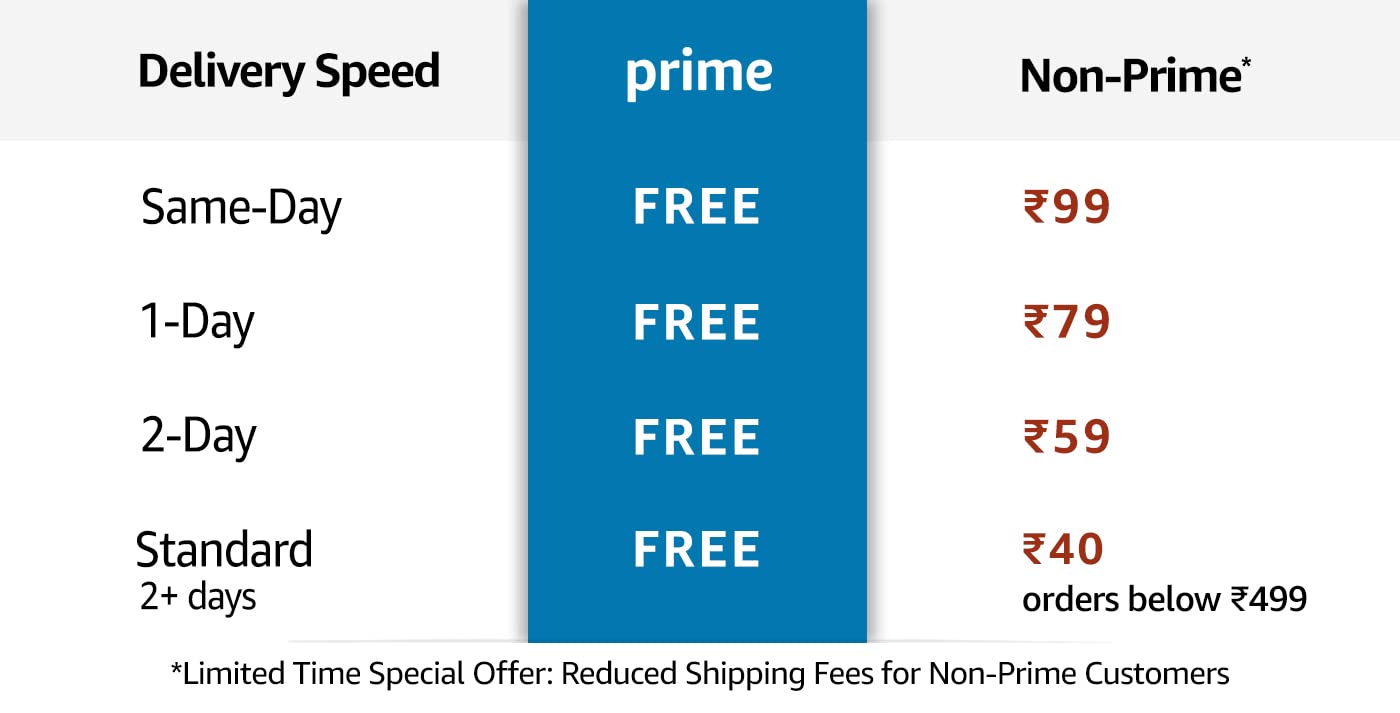
Beyond the ongoing benefits, Prime members gain exclusive access to special deals and discounts that can significantly enhance their purchasing power throughout the year. The most prominent example is Prime Day, an annual sales event exclusively for Prime members, offering substantial discounts across virtually all product categories. Savvy shoppers who plan their major purchases around Prime Day can achieve significant savings that alone could outweigh the annual membership fee.
Furthermore, Prime members often receive exclusive discounts at Whole Foods Market, including an extra 10% off sale items and other rotating weekly deals. For regular Whole Foods shoppers, these discounts can translate into substantial savings on grocery bills over the course of a year. Additional perks like early access to Lightning Deals, Prime-exclusive coupon codes, and special pricing on specific items also contribute to the financial advantage. By strategically utilizing these member-exclusive offers, a Prime subscription can transition from a recurring expense to a tool for strategic savings, allowing consumers to stretch their budget further on essential and discretionary purchases.
Making an Informed Financial Decision: Is Prime Right for Your Budget?
Ultimately, the decision to subscribe to Amazon Prime is a personal financial one. It requires more than just knowing the fee; it demands a clear understanding of your own spending habits, consumption patterns, and financial priorities.
Calculating Your Personal Breakeven Point
To determine if Prime is a worthwhile financial investment for you, calculate your personal breakeven point. Start with the annual cost of your chosen Prime membership (e.g., $139). Then, estimate how much you typically spend on shipping fees (if you weren’t a Prime member), other streaming services you could replace, and the value of any exclusive discounts you realistically expect to use.
For example, if you save $80 in shipping, $60 by canceling a redundant streaming service, and anticipate $30 in Prime Day discounts, your total annual savings are $170. Compared to the $139 annual fee, you’re ahead by $31. If your projected savings are less than the annual fee, then Prime might not be a net financial gain for you. This personalized calculation helps you move beyond anecdotal value to a concrete financial justification.
Opportunity Cost: What Else Could Your Prime Dollars Buy?
Every dollar spent on one thing is a dollar not spent on another. This is the concept of opportunity cost, and it’s crucial when evaluating recurring subscriptions like Amazon Prime. Is $139 per year the best use of your money? Could that money be better allocated to:
- Savings: Adding to an emergency fund or retirement account.
- Debt Repayment: Making an extra payment on a credit card or loan.
- Investments: Contributing to a brokerage account.
- Other Essential Needs: Groceries, utilities, or transportation.
- Alternative Entertainment: A different streaming service, magazine subscriptions, or experiences.
By considering what else you could do with $139 annually, you gain a clearer perspective on the true financial impact of an Amazon Prime subscription within your broader financial strategy. For some, the convenience and benefits outweigh the opportunity cost; for others, that money is better deployed elsewhere.
Budgeting Strategies for Recurring Subscriptions
Incorporating recurring subscriptions into your personal budget is essential for maintaining financial control. When considering Amazon Prime:
- Allocate a dedicated budget category: Create a specific line item for “Subscriptions” or “Digital Services” in your monthly or annual budget.
- Prioritize: Evaluate all your subscriptions (Netflix, Spotify, gym memberships, etc.) and decide which ones truly offer the most value for your money. Be prepared to cut back on less-used services if your budget is tight.
- Opt for annual payments when possible: As demonstrated with Prime, paying annually often provides a significant discount over monthly payments. If you know you’ll use a service consistently, this is a smart financial move.
- Review regularly: Periodically (e.g., quarterly or annually) review all your subscriptions. Are you still using them? Are the benefits still relevant to your needs? This proactive approach prevents forgotten subscriptions from silently draining your bank account.
Managing Your Prime Investment: Financial Administration and Flexibility
Once you’ve decided to subscribe to Amazon Prime, ongoing financial management is key to ensuring you maximize its value and avoid any unexpected costs. Proactive administration can save you money and headaches.
Monitoring Your Membership and Auto-Renewal Settings
Amazon Prime memberships are set to auto-renew by default, typically charging your primary payment method on file on the anniversary of your sign-up (for annual plans) or on the monthly due date. It is financially prudent to be aware of your renewal date. Amazon usually sends an email reminder shortly before renewal, but it’s wise to mark your calendar or set a personal reminder.
To manage your membership details, including the renewal date and auto-renewal settings, navigate to “Your Prime Membership” section on the Amazon website. Here, you can toggle the auto-renewal feature off if you prefer to make a manual decision each year, preventing an unwanted charge if your financial situation or usage habits change. This level of oversight empowers you to remain in control of your recurring expenditures.
Cancelling or Pausing Your Membership: Financial Prudence
Life circumstances change, and there may come a time when Amazon Prime no longer aligns with your financial priorities or needs. Amazon provides a straightforward process for cancelling your membership.
If you cancel during your free trial period, you will not be charged. If you cancel a paid membership, you might be eligible for a full or partial refund, depending on how much you’ve used the Prime benefits since your last payment. Typically, if you haven’t used any Prime benefits (like free shipping or Prime Video) since your last charge, you’re eligible for a full refund. If you’ve used some benefits, you might receive a partial refund based on the remaining unused portion of your membership term. This refund policy offers a degree of financial flexibility, ensuring you’re not entirely out of pocket if your circumstances change shortly after renewal. Knowing this policy can inform your decision to cancel or pause without fear of losing money unnecessarily.
Payment Methods and Financial Security
Managing your payment methods within your Amazon account is also a critical aspect of financial administration. Ensure that your primary payment method is up-to-date to avoid lapses in service or issues with auto-renewal. Regularly review the payment methods on file to remove any expired cards or accounts you no longer use, enhancing your financial security.
Amazon encrypts your payment information, but maintaining strong, unique passwords for your account and enabling two-factor authentication adds an extra layer of protection against unauthorized access. Being proactive about these financial security measures ensures that your Prime subscription remains a convenient service rather than a potential financial vulnerability.
In conclusion, “how much is Amazon Prime yearly” is a question with a multi-faceted answer. While the direct annual fee is straightforward, a comprehensive financial evaluation involves assessing its value against your personal spending, budgeting for recurring costs, and strategically managing your membership. By adopting a financially savvy approach, you can determine if Amazon Prime truly represents a valuable investment for your household.
aViewFromTheCave is a participant in the Amazon Services LLC Associates Program, an affiliate advertising program designed to provide a means for sites to earn advertising fees by advertising and linking to Amazon.com. Amazon, the Amazon logo, AmazonSupply, and the AmazonSupply logo are trademarks of Amazon.com, Inc. or its affiliates. As an Amazon Associate we earn affiliate commissions from qualifying purchases.