
In the modern financial landscape, your bank account number serves as the foundational identifier for almost every transaction you perform. Whether you are setting up a direct deposit for a new job, authorizing an automatic bill payment for your mortgage, or receiving a wire transfer from a family member, knowing how to quickly and securely access this number is a fundamental skill in personal finance.
Despite its importance, many people find themselves momentarily stuck when asked for their account number. Because of security protocols designed to protect your identity, banks often mask these numbers in public views. This guide provides a detailed roadmap for locating your bank account number across various platforms while maintaining the highest standards of financial security.
Accessing Your Bank Account Number Digitally
In the era of fintech, the most convenient way to access your financial data is through digital channels. Most major financial institutions have invested heavily in user experience, making it relatively simple to find your information if you know where to look.
Using Mobile Banking Apps
Mobile apps have become the primary touchpoint for modern banking. To see your account number via a mobile app, you generally need to follow these steps:
- Log in Securely: Use biometric authentication (FaceID or fingerprint) or your secure passcode.
- Select the Specific Account: If you have multiple accounts (checking, savings, money market), tap on the specific one you need the number for.
- Look for “Account Details” or “Show Info”: Most apps will display only the last four digits of your account number by default to prevent “shoulder surfing.” Look for a small “eye” icon or a link labeled “Account Details.”
- Verification: Some high-security apps may require a second layer of authentication, such as a one-time password (OTP) sent to your phone, before they reveal the full number.
Navigating Online Banking Portals
If you prefer using a desktop or laptop, online banking portals offer a more expansive view of your financial data. Once logged in, the process is similar to the mobile app but often provides more direct access to downloadable documents.
- The Dashboard View: Often, the account number is hidden under a “Settings” or “Account Management” tab.
- Electronic Statements (e-Statements): One of the most reliable ways to find your full account number is to open a PDF of your most recent bank statement. These documents almost always list the full account and routing numbers in the header or footer section.
- Account Summary: Look for a “Printable Version” of your account summary, which frequently displays the full numeric string for record-keeping purposes.
Traditional Methods: Finding Your Number on Paper
While the world is moving toward a paperless future, physical documents remain a legally binding and highly reliable source for your banking information. If you don’t have access to your digital login, you can turn to your physical files.
Reading the Bottom of a Personal Check
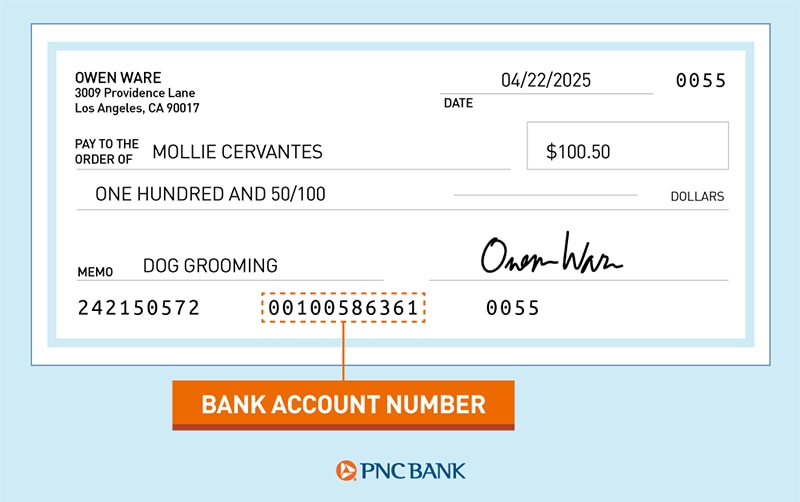
If you still use paper checks, they are perhaps the easiest way to identify your bank account number. At the bottom of every check is a string of numbers printed in a special font known as MICR (Magnetic Ink Character Recognition). This line consists of three distinct sets of numbers:
- The Routing Number: This is a nine-digit code that identifies your specific bank. It is usually the first set of numbers on the left.
- The Account Number: This is typically the second set of numbers. It can vary in length (usually 10 to 12 digits) and is unique to your specific account.
- The Check Number: This is the shortest set of numbers, corresponding to the sequential number of the check in your checkbook.
It is important to note that you should not include the check number when providing your account information for a transaction like a direct deposit.
Locating Details on Monthly Bank Statements
For those who receive paper statements in the mail, your account number is usually prominently displayed at the top of the first page. It is often located near your name, address, and the statement period date.
If you have discarded your paper statements, remember that banks are required to keep these records for several years. You can often request a physical copy of a past statement by visiting a branch, though some institutions may charge a nominal fee for research and printing.

Distinguishing Between Account Numbers and Routing Numbers
A common point of confusion in personal finance is the difference between an account number and a routing number. Using the wrong one can lead to failed transactions, late fees, or money being sent to the wrong institution.
What is a Routing Number (ABA)?
The routing number, also known as an ABA (American Bankers Association) routing transit number, is a nine-digit code that identifies the financial institution within the United States. Think of the routing number as the “address” of the bank building, while the account number is your “apartment number” within that building.
Routing numbers are not secret. In fact, many banks list their routing numbers publicly on their websites. However, large banks may have different routing numbers for different states or for different types of transactions (such as wire transfers versus ACH transfers). Always confirm you are using the correct routing number for the specific type of transaction you are performing.
Why the Distinction Matters for Electronic Transfers
When you set up an Automated Clearing House (ACH) transfer—such as for a utility bill or a paycheck—the system needs both numbers to ensure the funds land in the right spot.
- ACH vs. Wire: Be aware that “Domestic Wire” routing numbers are often different from “Electronic/ACH” routing numbers. If you use your ACH routing number for an incoming international wire, the transaction will likely be rejected.
- Validation: Most financial software will “validate” a routing number immediately because the nine-digit format follows a specific mathematical formula (a checksum). However, the software cannot validate your account number in real-time, meaning a typo in your account number could lead to a long recovery process for misdirected funds.
Security Best Practices for Protecting Your Account Details
Your bank account number is a sensitive piece of financial data. While it is not as “all-access” as a Social Security number, a malicious actor with your account and routing numbers could theoretically initiate unauthorized ACH withdrawals.
The Risks of Sharing Your Account Number
You should only share your account number with trusted entities. This includes your employer’s HR department, government agencies (like the IRS), and reputable utility or service providers.
- Phishing Scams: Be wary of emails or texts asking you to “verify” your account number. Banks will never ask you to provide your full account number via an unencrypted email link.
- Public Wi-Fi: Never log into your bank account to retrieve your number while connected to a public, unsecured Wi-Fi network (like at a coffee shop). Hackers can use “packet sniffing” software to intercept your data.
How to Safely Store Your Banking Information
If you find yourself needing your account number frequently, avoid writing it on a sticky note or saving it in a plain text file on your computer. Instead, consider these more secure alternatives:
- Password Managers: Use a reputable password manager (like 1Password or LastPass) to store “Secure Notes” containing your banking details. These are encrypted and require a master password or biometrics to access.
- Encrypted Mobile Wallets: Some smartphones allow you to store sensitive notes within a “Locked” folder that requires secondary authentication.
- Physical Safes: If you keep a paper record, ensure it is stored in a fireproof, locked safe at home.
Alternative Steps If You Still Can’t Find Your Information
There are instances where digital access is blocked—perhaps you’ve been locked out of your app or you’ve lost your checkbook—and you need your account number urgently. In these cases, you must rely on the bank’s internal verification systems.
Visiting a Local Branch in Person
This is the most foolproof way to retrieve your information. By visiting a branch with a valid, government-issued photo ID (such as a driver’s license or passport), a banker can provide you with your full account details.
- Verification: The banker will verify your identity against the records on file.
- Printed Verification: You can ask the banker for a “Direct Deposit Authorization Form.” This is a professional document provided by the bank that lists your name, routing number, and account number clearly, which is often required by employers.

Contacting Customer Support Safely
If you cannot visit a branch, you can call the customer service number located on the back of your debit card.
- Identity Questions: Prepare to answer several “out-of-wallet” questions to verify your identity. These might include your Social Security number, recent transaction amounts, or your mother’s maiden name.
- Voice Privacy: For security reasons, many phone representatives are prohibited from reading your full account number out loud over the phone. Instead, they may offer to mail a physical letter to your address on record or send a secure message to your online banking inbox.
By understanding these various methods—from the high-tech convenience of mobile apps to the traditional reliability of paper checks—you can manage your personal finances with confidence. Always prioritize security, double-check your digits before hitting “submit,” and keep your sensitive information shielded from prying eyes. Knowing how to find and protect your bank account number is a small but vital component of long-term financial health.
aViewFromTheCave is a participant in the Amazon Services LLC Associates Program, an affiliate advertising program designed to provide a means for sites to earn advertising fees by advertising and linking to Amazon.com. Amazon, the Amazon logo, AmazonSupply, and the AmazonSupply logo are trademarks of Amazon.com, Inc. or its affiliates. As an Amazon Associate we earn affiliate commissions from qualifying purchases.