
In the fast-paced world of modern finance, the question “What time do the banks close today?” remains a frequent inquiry for millions of consumers. Despite the rise of digital banking and 24/7 mobile access, the physical bank branch remains a cornerstone of personal and business finance. Whether you need to secure a cashier’s check, access a safety deposit box, or discuss a complex mortgage application with a human advisor, understanding the operating rhythms of financial institutions is essential for effective money management.
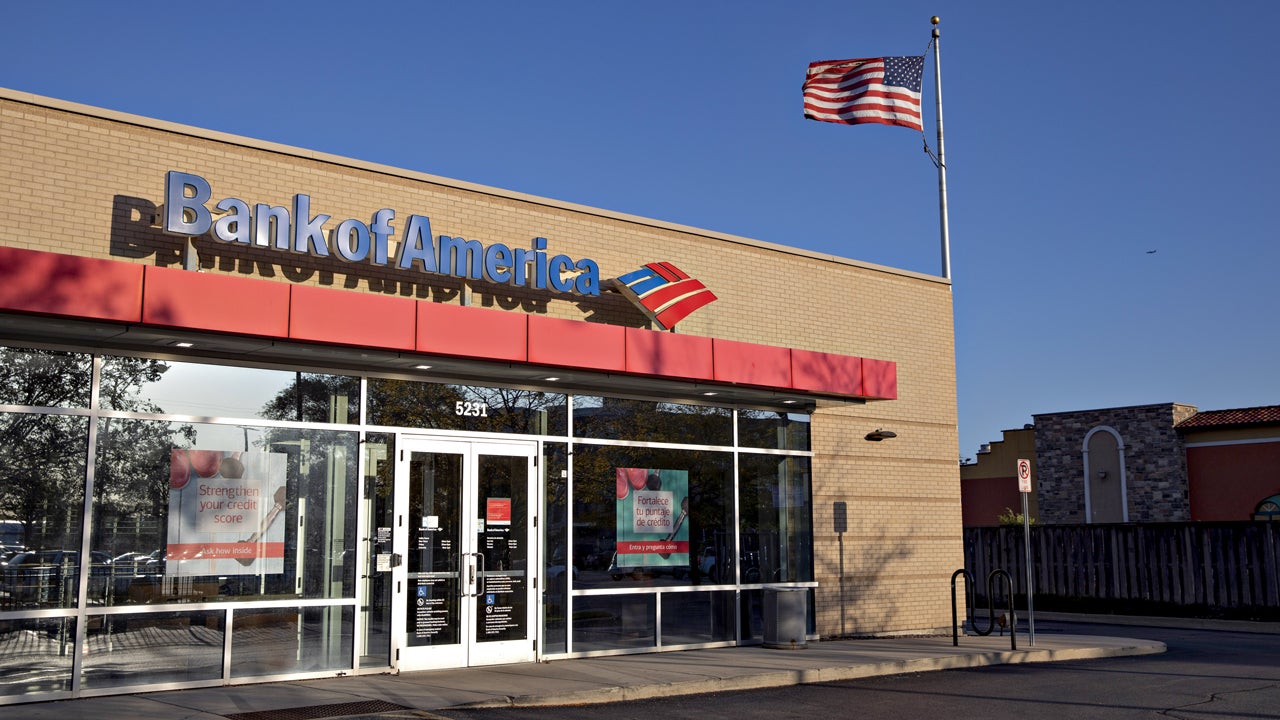
The traditional concept of “banker’s hours” has evolved significantly. While we no longer live in an era where every bank shuttered its doors at 3:00 PM, the constraints of physical locations still dictate how we handle specific financial tasks. This guide explores the standard operating hours of major financial institutions, the nuances of holiday schedules, and how to navigate your financial needs when the doors are locked.
Understanding Standard Banking Hours and Regional Variations
For most large national banks in the United States and many parts of the world, standard operating hours follow a predictable pattern, though local variations are common. Typically, a retail bank branch opens between 8:00 AM and 9:00 AM and closes between 5:00 PM and 6:00 PM on weekdays. However, the specific closing time can vary based on the day of the week and the location’s setting—urban branches often stay open later than rural ones to accommodate commuters.
The Typical Weekday and Weekend Schedule
Most major institutions, such as JPMorgan Chase, Bank of America, and Wells Fargo, maintain a standard 9-to-5 or 9-to-6 schedule from Monday through Friday. Thursdays and Fridays occasionally see extended hours at certain branches to accommodate end-of-week payroll activities.
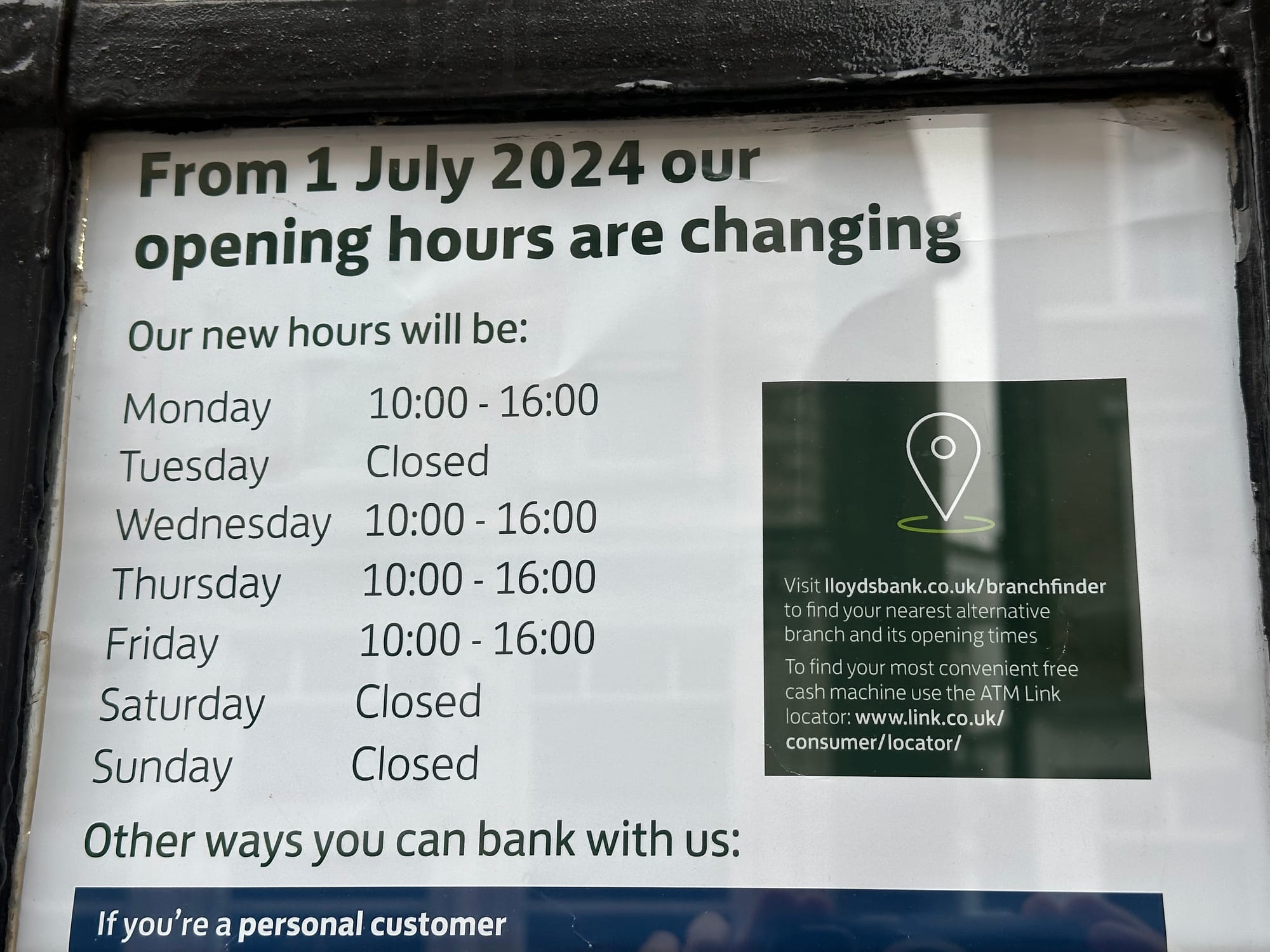
Saturdays present a different scenario. Many branches operate on a limited schedule, typically opening at 9:00 AM and closing by noon or 2:00 PM. It is also important to note that many smaller community banks or credit unions may remain closed entirely on Saturdays. Sundays are almost universally observed as a day of closure for physical branches, with very few exceptions found in high-traffic retail environments like grocery store branches.
The Impact of Federal and Banking Holidays
One of the most critical aspects of knowing when banks close is staying aware of the banking holiday calendar. In the United States, banks follow the Federal Reserve Schedule. If a federal holiday falls on a Monday, banks will be closed for the entire day, effectively creating a three-day window where in-person transactions are impossible.
Common closures include New Year’s Day, Martin Luther King Jr. Day, Presidents’ Day, Memorial Day, Juneteenth, Independence Day, Labor Day, Columbus Day (Indigenous Peoples’ Day), Veterans Day, Thanksgiving Day, and Christmas Day. Planning your liquidity needs around these dates is a hallmark of sound personal financial planning.
The Shift Toward Digital Banking: Why “Closing Time” Matters Less
While the physical clock still dictates when you can walk through a door, the digital transformation of the “Money” sector has redefined what it means for a bank to be “open.” For the modern consumer, the most critical financial tools are now accessible 24/7, rendering the physical closing time irrelevant for the majority of daily transactions.
24/7 Access Through Mobile Apps and Web Portals
The advent of robust mobile banking applications has transitioned the industry into a “service-on-demand” model. Users can check balances, pay bills, and transfer funds between accounts at 2:00 AM just as easily as they could during high noon. This shift has significantly reduced the foot traffic in physical branches, as the “Money” niche moves toward a more automated, user-centric experience.
Furthermore, mobile check deposit features have revolutionized how individuals and small business owners manage their cash flow. By simply snapping a photo of a check, the funds enter the banking system without the recipient ever needing to beat the 5:00 PM closing bell.
Real-Time Payments and the End of the Waiting Game
Historically, a major reason for rushing to the bank before it closed was to ensure a transaction was processed on the same business day. Today, the implementation of real-time payment systems (like RTP or the FedNow Service) is beginning to eliminate the “dead time” associated with bank closures. While traditional ACH transfers may still be subject to “business day” processing windows, the financial landscape is moving toward a reality where money moves instantly, regardless of whether a physical branch is open or closed.
Strategies for Managing Your Money After the Bank Closes
Even with digital tools, there are moments when you might find yourself needing a service after the physical branch has locked its doors. Managing your money effectively requires knowing the alternatives to the teller window.
Utilizing ATMs for More Than Just Cash
Modern Automated Teller Machines (ATMs) have become sophisticated mini-branches. Most allow for more than just cash withdrawals; you can often deposit cash and checks, transfer funds between linked accounts, and even print out mini-statements. Many banks now offer “Enhanced ATMs” or “ITMs” (Interactive Teller Machines) that feature live video feeds to a remote teller, extending the “human” service hours well into the evening.
When the bank is closed, the ATM remains your primary touchpoint for physical currency. For those in the “Money” and “Personal Finance” niche, it is wise to know the daily withdrawal and deposit limits of your specific ATM card to avoid being caught in a financial pinch during off-hours.
Managing Business Deposits with Night Drop Boxes
For business owners, the closing of a bank doesn’t stop the flow of cash. Night deposit boxes are a secure, time-tested feature of the business finance world. Located on the exterior of the bank building, these allow businesses to drop off large cash deposits or stacks of checks in a secure pouch after hours. The bank then processes these deposits the following business morning. This is a critical tool for maintaining safety and ensuring that large amounts of cash are not kept on-site at a business location overnight.
Essential Financial Tools for the Modern Consumer
Navigating the limitations of banking hours is made significantly easier by incorporating specific financial tools into your routine. These tools bridge the gap between traditional banking and the modern need for constant financial agility.
Digital Wallets and Instant Payment Systems
Services like PayPal, Venmo, and Cash App have become essential for peer-to-peer transactions that occur outside of banking hours. Because these platforms operate on their own internal ledgers, they allow for the instantaneous movement of value between users. For those focused on “Online Income” or “Side Hustles,” these tools are indispensable, as they allow for payment collection and distribution at any hour of the day or night.
The Importance of the “Cut-off Time”
In the world of professional finance, the “closing time” of a bank is often different from the “cut-off time” for transactions. For instance, a bank might close its doors at 6:00 PM, but the cut-off time for a wire transfer or a same-day deposit might be 4:00 PM. Understanding these nuances is vital for anyone managing business finance or significant personal investments. If you miss the cut-off, your money may not move until the next business day, which could have implications for interest accrual or meeting payment deadlines.
Future Trends: Will Physical Branches Disappear?
As we look toward the future of the financial industry, the relevance of “banking hours” continues to be a topic of debate among economists and financial strategists. The trend is leaning toward a “phygital” model—a blend of physical presence and digital excellence.
The Rise of “Phygital” Banking
Banks are increasingly transforming their physical locations into “advice centers” rather than transaction hubs. This means that while hours may become more flexible or even shrink, the quality of interaction during those hours will likely increase. We are seeing more “bank cafes” and community-centered spaces where financial planning, wealth management, and investment strategy take center stage, while routine transactions are pushed entirely to digital platforms.

The Impact on Local Economies and Personal Finance
For the individual, the move away from traditional hours means a greater responsibility for self-service. Financial literacy now includes the ability to navigate digital tools effectively. While the closing of physical branches in rural areas remains a concern for financial inclusion, the overall trend suggests that “banking hours” will eventually become a relic of the past, replaced by a 24/7 global financial ecosystem.
In conclusion, while the answer to “What time do the banks close today?” is still rooted in the 9-to-5 tradition for physical branches, the true answer for the modern consumer is that the bank never truly closes. By leveraging digital tools, understanding transaction cut-off times, and utilizing after-hours services like enhanced ATMs, you can manage your personal and business finances with a level of flexibility that was once unimaginable. In the realm of money management, staying informed about these schedules and tools is the best way to ensure your capital is always working for you, regardless of the time on the clock.
aViewFromTheCave is a participant in the Amazon Services LLC Associates Program, an affiliate advertising program designed to provide a means for sites to earn advertising fees by advertising and linking to Amazon.com. Amazon, the Amazon logo, AmazonSupply, and the AmazonSupply logo are trademarks of Amazon.com, Inc. or its affiliates. As an Amazon Associate we earn affiliate commissions from qualifying purchases.