
For many individual investors, owning a piece of Amazon (NASDAQ: AMZN) is more than just a financial transaction; it is a stake in one of the most transformative companies in corporate history. From its humble beginnings as an online bookstore to its current status as a global powerhouse in e-commerce, cloud computing, and digital advertising, Amazon represents a pillar of the modern economy. However, the process of transitioning from a consumer to a shareholder can seem daunting to those who are new to the world of personal finance.
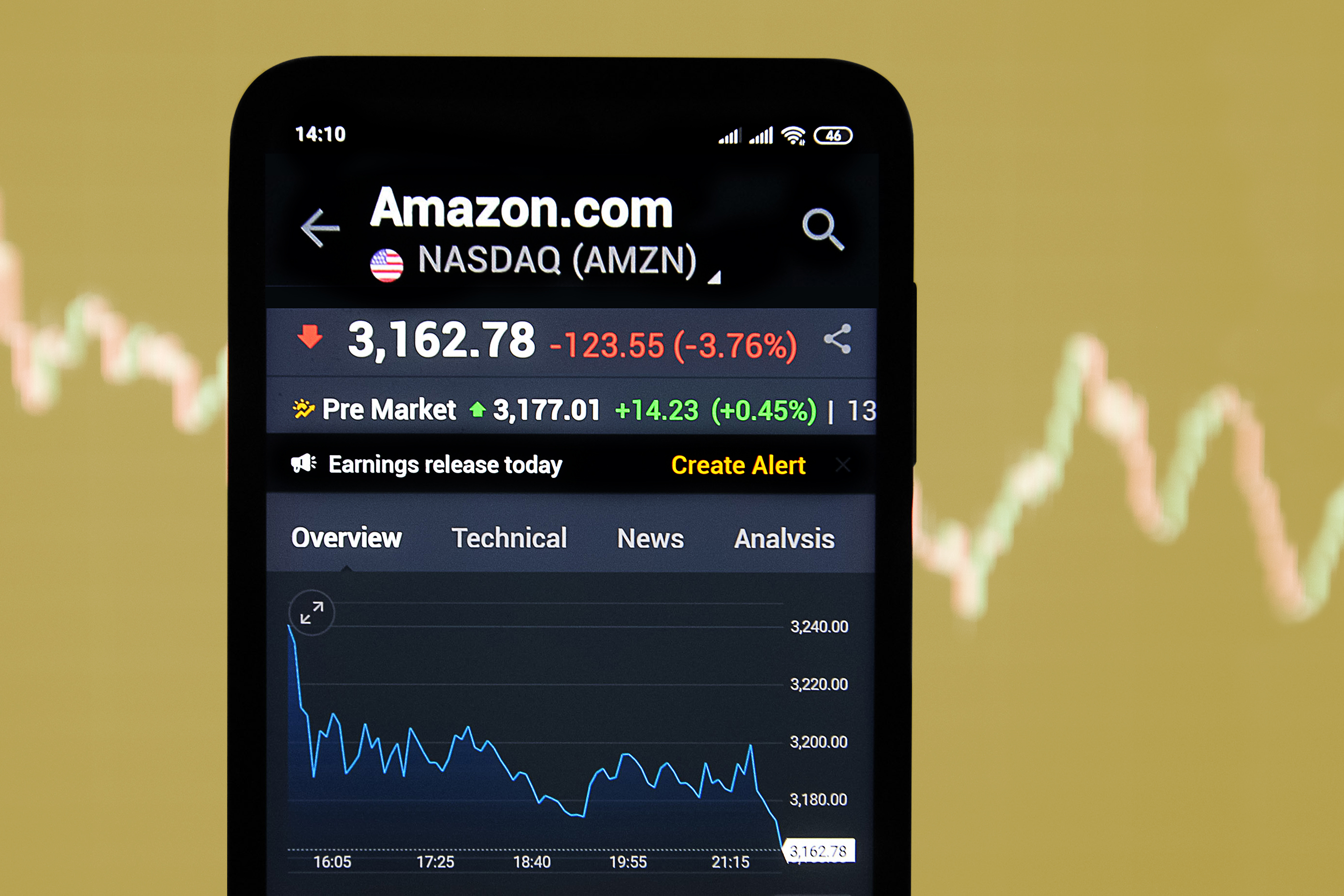
Buying Amazon stock is a straightforward process, provided you understand the financial landscape and the tools available to you. Whether you are looking to build a long-term retirement portfolio or simply want to put your savings to work, this guide will walk you through the essential steps of investing in Amazon, the financial considerations you must weigh, and the strategic approaches to managing your investment.
Understanding Amazon (AMZN) as a Financial Asset
Before clicking the “buy” button, it is crucial to understand what you are actually purchasing. When you buy a share of Amazon, you are buying a fractional ownership of a massive conglomerate. In the world of investing, Amazon is categorized as a “Blue Chip” stock, meaning it is a well-established, financially sound company with a history of growth.
The Evolution of the Stock Value
Historically, Amazon was known for its high share price, which often exceeded $3,000 per share. This created a barrier to entry for smaller investors. However, in mid-2022, the company executed a 20-for-1 stock split. This did not change the total value of the company, but it lowered the price per individual share, making it significantly more accessible to retail investors. Understanding this history helps investors realize that Amazon’s management is conscious of shareholder accessibility and market liquidity.
Revenue Streams and Profitability
Unlike many tech companies that rely on a single product, Amazon’s financial strength is diversified. While the e-commerce platform is the most visible part of the business, Amazon Web Services (AWS)—its cloud computing division—is often the primary driver of its operating income. As an investor, you aren’t just betting on people buying packages; you are betting on the infrastructure of the internet itself. Additionally, Amazon’s burgeoning advertising business and its physical retail presence through Whole Foods add layers of financial stability that make the stock a unique proposition in a diversified portfolio.
Preparing Your Financial Foundation for Investing
Successful investing begins long before you enter a ticker symbol into a trading platform. It requires a solid financial foundation to ensure that your investment in Amazon supports your overall wealth-building goals without exposing you to unnecessary risk.
Establishing an Investment Budget
The first rule of investing is to never invest money that you might need for immediate expenses. Financial experts generally recommend having an emergency fund—three to six months of living expenses—before venturing into the stock market. Once your “safety net” is in place, you can determine how much capital you want to allocate to Amazon. Because individual stocks carry more risk than diversified index funds, many financial advisors suggest that a single company should not make up more than 5% to 10% of your total investment portfolio.
Choosing the Right Brokerage Account
To buy Amazon stock, you need a brokerage account. In the modern era, you have a wealth of options, ranging from traditional firms to mobile-first apps.
- Full-Service Brokerages: Companies like Charles Schwab, Fidelity, or Vanguard offer robust research tools, retirement account options (like IRAs), and excellent customer service.
- Discount and App-Based Brokers: Platforms like Robinhood or Webull are popular for their user-friendly interfaces and zero-commission structures.
- The Importance of Fractional Shares: If the current price of Amazon is still higher than what you want to spend at once, look for a broker that offers “fractional shares.” This allows you to buy $10 or $50 worth of Amazon stock rather than committing to the price of one full share.

The Step-by-Step Process of Purchasing Amazon Shares
Once your brokerage account is funded and your budget is set, the actual mechanics of buying the stock are relatively simple. Most modern platforms have streamlined this process to be as intuitive as any other online purchase.
Navigating the Brokerage Platform
Log into your account and search for the ticker symbol “AMZN.” This is the unique identifier for Amazon on the NASDAQ exchange. Once you select the stock, you will see the current “Bid” (what buyers are willing to pay) and “Ask” (what sellers are asking for) prices. Don’t be intimidated by the fluctuating numbers; in the long run, small cent-level fluctuations are less important than the overall trajectory of the company.
Selecting Your Order Type
This is where many new investors get confused. There are two primary ways to buy the stock:
- Market Order: This tells the broker to buy the stock immediately at the best available current price. It guarantees your order will be filled quickly, but the price might be slightly different than the last one you saw on the screen.
- Limit Order: This allows you to set a maximum price you are willing to pay. For example, if AMZN is trading at $185, you might set a limit order for $180. Your purchase will only execute if the price drops to that level. This gives you more control over your entry price but runs the risk of the order never being filled if the price stays high.
Finalizing the Transaction
After selecting your order type, enter the number of shares (or the dollar amount, if using fractional shares) you wish to purchase. Review the order details for any errors and click “Confirm” or “Place Order.” Once the trade is executed, you will receive a confirmation, and the shares will appear in your portfolio. You are now officially a part-owner of Amazon.
Long-Term Management and Strategic Considerations
Buying the stock is just the beginning. The “Money” aspect of investing requires ongoing management to ensure that your assets are performing according to your financial plan.
The Power of Dollar-Cost Averaging (DCA)
Market volatility is inevitable. Amazon’s stock price will go up and down based on quarterly earnings, interest rates, and global economic news. A popular strategy to mitigate this risk is Dollar-Cost Averaging. Instead of investing a large lump sum all at once, you invest a fixed amount of money at regular intervals (e.g., $200 every month). When the price is high, your $200 buys fewer shares; when the price is low, it buys more. Over time, this often results in a lower average cost per share and removes the emotional stress of trying to “time the market.”
Monitoring and Rebalancing
While Amazon is a “buy and hold” candidate for many, you should still check in on your investment periodically. Financial news regarding Amazon’s cloud growth or regulatory challenges can affect its long-term outlook. Furthermore, if your Amazon stock grows so much that it now represents 50% of your total wealth, you might consider “rebalancing”—selling a small portion to reinvest in other sectors. This protects you from being too heavily exposed to a single company’s fortunes.
Tax Implications of Your Investment
Finally, keep in mind that the government is a silent partner in your investments. If you hold Amazon stock in a standard taxable brokerage account and sell it for a profit, you will owe capital gains taxes.
- Short-term Capital Gains: If you hold the stock for less than a year, gains are taxed as ordinary income.
- Long-term Capital Gains: If you hold for more than a year, you qualify for lower tax rates (usually 0%, 15%, or 20% depending on your income).
To maximize your wealth, many investors choose to hold their Amazon shares for the long term to benefit from these favorable tax rates.

Conclusion
Buying Amazon stock is an accessible way to participate in the growth of the digital economy. By understanding the company’s financial structure, choosing a reputable brokerage, and utilizing disciplined strategies like dollar-cost averaging, you can move from being a consumer of Amazon’s services to a beneficiary of its financial success. Remember that investing is a marathon, not a sprint. With patience and a clear financial plan, your stake in AMZN can serve as a cornerstone of your personal wealth-building journey.
aViewFromTheCave is a participant in the Amazon Services LLC Associates Program, an affiliate advertising program designed to provide a means for sites to earn advertising fees by advertising and linking to Amazon.com. Amazon, the Amazon logo, AmazonSupply, and the AmazonSupply logo are trademarks of Amazon.com, Inc. or its affiliates. As an Amazon Associate we earn affiliate commissions from qualifying purchases.