
When you decide to add a premium card like the American Express® Gold Card or the Platinum Card® to your wallet, you aren’t just applying for a piece of plastic or metal; you are entering a sophisticated financial ecosystem. For those who take their personal finances seriously, one of the most critical questions before hitting the “submit” button is: What credit bureau does Amex use?
Understanding which credit reporting agency American Express (Amex) queries is vital for strategic credit management. It allows you to ensure that specific report is accurate, decide which bureau to unfreeze, and predict your likelihood of approval. In the world of high-stakes personal finance, data is leverage. This guide explores the intricacies of Amex’s credit reporting preferences, their unique “soft pull” policy for existing members, and how you can optimize your financial profile for a successful application.
The Primary Partner: Why Experian is Amex’s Go-To Bureau
For the vast majority of applicants in the United States, American Express relies primarily on Experian for its credit decisions. While all three major bureaus—Experian, Equifax, and TransUnion—collect similar data, lenders often develop deep institutional relationships with one particular agency to streamline their risk assessment algorithms.
The Experian Dominance
Data from thousands of crowd-sourced credit applications suggests that Experian is pulled in nearly 90% of American Express applications. If you are preparing to apply, your Experian FICO® Score 8 is typically the most relevant metric. Amex values the depth of Experian’s data, particularly regarding revolving credit history and debt-to-income ratios.
When Amex Might Look Elsewhere
While Experian is the default, American Express reserves the right to pull from Equifax or TransUnion. This usually occurs under two circumstances:
- Geographic Variations: In certain states, or if Experian data is “thin” or unavailable for a specific applicant, Amex may query a secondary bureau.
- Verification Needs: If there is a fraud alert or a discrepancy in your identity verification, Amex might pull a second report from TransUnion or Equifax to cross-reference your information.
The Role of FICO vs. VantageScore
It is important to distinguish between the scores you see on free apps and what Amex actually uses. While many “fintech” apps provide a VantageScore 3.0, American Express almost exclusively utilizes FICO Score 8 for its lending decisions. Before applying, ensure you are checking your actual FICO score via Experian to get the most accurate reflection of what the Amex underwriters will see.
The “Amex Advantage”: Soft Pulls for Existing Customers
One of the most significant reasons American Express is a favorite among personal finance enthusiasts is its internal underwriting logic. Unlike many other major issuers who perform a “hard” credit inquiry for every single card application, Amex has a famously consumer-friendly policy for those already within their ecosystem.
Hard Pull vs. Soft Pull Dynamics
For a first-time applicant, American Express will perform a “hard inquiry” (usually on Experian). This can temporarily lower your credit score by a few points. However, once you are a cardmember in good standing, Amex transitionally relies on “soft inquiries” for subsequent card applications.
A soft pull does not impact your credit score. Amex monitors your credit behavior monthly and maintains an internal “Internal Risk Score.” When you apply for your second or third Amex card, they often use this internal data and a soft pull to approve you. This allows enthusiasts to expand their portfolio of rewards cards without the “penalty” of multiple hard inquiries hitting their credit report.
The “Apply with Confidence” Feature
In a move that revolutionized the digital application process, Amex introduced the “Apply with Confidence” tool. This allows prospective cardmembers to find out if they are approved for a card with a soft pressure pull. You only receive a hard inquiry if you are approved and choose to accept the card. This transparency is a massive boon for individuals who are protective of their credit scores and want to avoid unnecessary “hard” hits for a denial.
Internal Limits and “The Blacklist”
Because Amex relies heavily on internal data, your history with the brand matters more than your score with the bureaus over time. If you have ever defaulted on an American Express account in the past, they may maintain an internal record that supersedes a high credit score from Experian. Conversely, a long history of on-time payments and high spend can lead to approvals even if your external credit score has taken a temporary dip.
Business vs. Personal: How Credit Reporting Shifts
For entrepreneurs and side-hustlers, the question of which bureau Amex uses takes on an extra layer of complexity. American Express offers some of the most robust business credit cards on the market, but the way they report this data differs from personal accounts.
The Personal Guarantee
When you apply for an Amex Business card (such as the Business Platinum® or the Blue Business Plus®), Amex will still pull your personal Experian credit report. Even though it is a business card, the lender requires a “personal guarantee.” This means your personal creditworthiness is the primary factor in the approval process, especially for small businesses or sole proprietorships.
Impact on Credit Utilization
A major “Money” niche secret is the benefit of business cards on personal credit utilization. While Amex pulls your personal report for the application, they typically do not report the monthly activity of business cards to your personal credit bureaus (unless you default).
This is a strategic advantage for those who carry large balances for business expenses. On a personal card, a $20,000 balance might skyrocket your utilization rate and tank your score. On an Amex Business card, that $20,000 balance is “invisible” to the personal credit bureaus, keeping your personal score high while you manage your business cash flow.
Which Bureau for Business Credit?
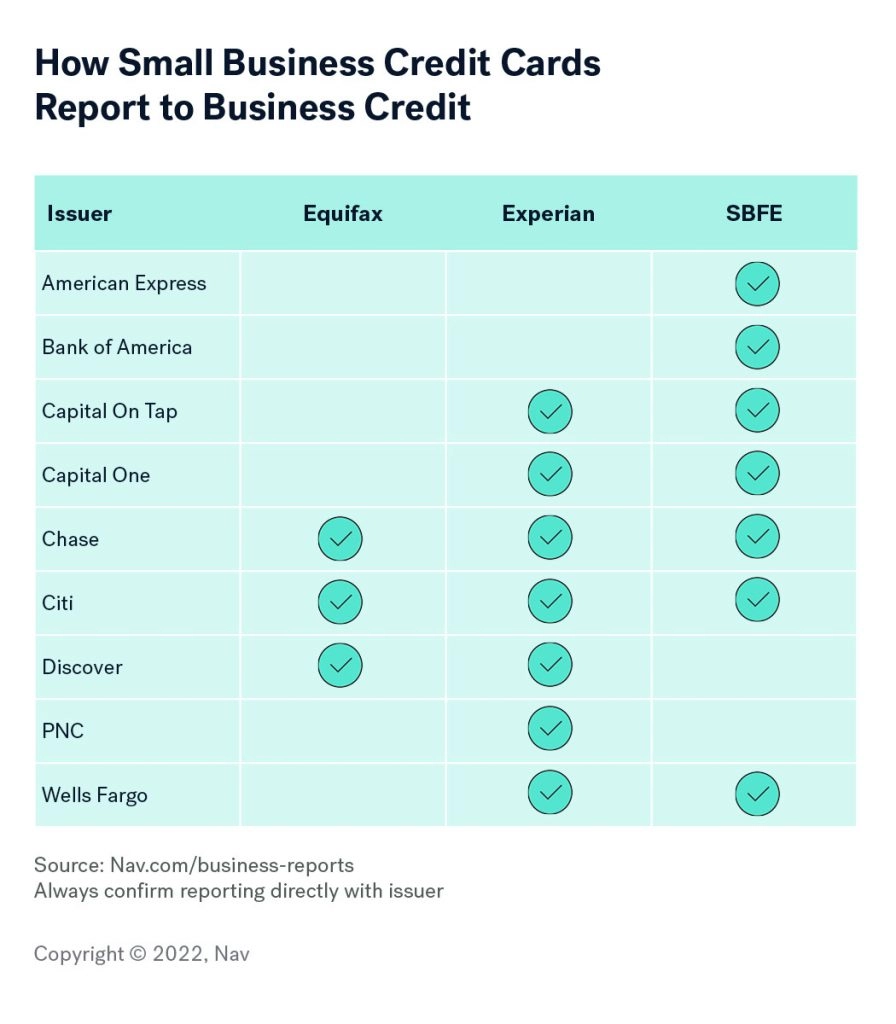
While they pull personal reports for approval, Amex may report your business payment history to commercial credit bureaus like Dun & Bradstreet or the Small Business Financial Exchange (SBFE). Building a positive history here is essential if you eventually want to secure large-scale corporate loans or lines of credit that do not require a personal guarantee.
Strategic Preparation: How to Optimize Your Profile for Amex
Knowing that Amex primarily uses Experian is only half the battle. To ensure approval for high-tier cards, you must curate your financial profile to meet their specific preferences.
The 3-Statement Rule
Amex is known for being sensitive to “velocity”—the speed at which you open new accounts. If you have opened more than two or three cards with other issuers in the last six months, Amex might view you as a high-risk “churner.” Strategically, it is wise to wait until your most recent accounts have at least three months of statement history before applying for a new Amex product.
Managing Your Debt-to-Income (DTI) Ratio
While Amex loves high spenders, they are wary of high DTI ratios. Before applying, ensure your reported income is accurate and that your revolving balances are low. Even if you pay your bills in full every month, a high balance on the day your statement closes can result in a high utilization rate being reported to Experian. Paying your current cards down to under 5% utilization a week before your statement date can provide a significant boost to the score Amex sees.
The Importance of the “Income” Field
On Amex applications, you are asked for your total annual income. In the context of personal finance, remember that you can legally include any income to which you have a “reasonable expectation of access.” This includes not just your salary, but also bonuses, investment dividends, and even a spouse’s income if it is used to pay household expenses. Providing a comprehensive (but honest) income figure can be the difference between a $2,000 limit and a $20,000 limit.
Conclusion: Mastering the Amex Ecosystem
In the landscape of personal finance, American Express stands out for its predictable reliance on Experian and its rewarding treatment of existing customers. By focusing your efforts on polishing your Experian FICO 8 score, you align yourself with Amex’s primary data source.
Furthermore, the ability to apply for subsequent cards via soft pulls makes Amex an elite partner for long-term wealth and credit building. Whether you are seeking your first “Blue Cash Everyday®” card or looking to unlock the luxury of the Centurion Lounge, understanding the mechanics of their credit pulls is your first step toward financial mastery. Keep your Experian report clean, manage your internal relationship with the brand, and use their “Apply with Confidence” tool to navigate your credit journey with precision and intelligence.
aViewFromTheCave is a participant in the Amazon Services LLC Associates Program, an affiliate advertising program designed to provide a means for sites to earn advertising fees by advertising and linking to Amazon.com. Amazon, the Amazon logo, AmazonSupply, and the AmazonSupply logo are trademarks of Amazon.com, Inc. or its affiliates. As an Amazon Associate we earn affiliate commissions from qualifying purchases.