
Gift cards have become a ubiquitous form of currency in the modern economy, offering convenience, flexibility, and a thoughtful alternative to traditional cash gifts. From major retailers to online marketplaces, these prepaid instruments empower recipients to choose what they want, when they want it. However, the journey from receiving a gift card to enjoying its benefits isn’t always as simple as tearing open the envelope. A fundamental, yet often overlooked, step in this process is activation. Understanding how to activate gift cards isn’t just a technicality; it’s a critical aspect of safeguarding your financial value, ensuring seamless transactions, and effectively managing a segment of your personal finances.
This guide will delve into the various methods of gift card activation, the underlying reasons for this security measure, common pitfalls to avoid, and best practices for treating these financial tools with the diligence they deserve. By demystifying the activation process, we aim to equip consumers with the knowledge to confidently use their gift cards, maximizing their financial utility and preventing common frustrations.
Understanding the “Why” Behind Gift Card Activation
At first glance, the need to activate a gift card might seem like an unnecessary hurdle. After all, if the money has already been paid for it, why isn’t it ready to use immediately? The answer lies in a combination of financial security, fraud prevention, and operational efficiency for both consumers and merchants. Activation isn’t a mere formality; it’s a deliberate step designed to protect your prepaid funds and the integrity of the transaction system.
Safeguarding Your Financial Value
The primary reason for activation is security. Unactivated gift cards are essentially inert plastic or digital codes with no monetary value attached to them in the eyes of the issuing system. This state is crucial for protecting the funds loaded onto the card from the moment it leaves the issuer’s inventory until it safely reaches the intended recipient. Without activation, a stolen or lost card would be useless to a thief, as it wouldn’t be loaded with any transferable value. Once activated, the card’s unique identification number becomes linked to its monetary balance, making it a live financial instrument. This “activation barrier” significantly reduces the risk of fraud and theft during the distribution and sale phases. For consumers, this means peace of mind, knowing that their gift’s value is protected until they are ready to use it.
Ensuring Funds Availability
Activation is the digital signal that communicates to the card issuer’s financial system that a specific amount of money has been paid for and assigned to that particular card. Without this signal, the card’s balance remains zero. When you attempt to use an unactivated card, the point-of-sale system or online checkout will query the issuer’s database, find no associated funds, and decline the transaction. The activation process essentially ‘unlocks’ the prepaid funds, making them available for spending. This immediate availability, once activated, ensures that the recipient can spend their gift without delay, as long as the activation was successful. It’s a fundamental step in making the financial value accessible.
Merchant Reconciliation and Tracking
For retailers and gift card issuers, activation is a vital component of their financial reconciliation and inventory management. Each activation event is recorded, associating a specific card number with a specific monetary value and often a purchase date. This data is critical for tracking sales, managing liabilities (the outstanding value of all activated gift cards represents a liability on the issuer’s balance sheet), and preventing internal fraud. It also helps in customer service scenarios, allowing companies to verify a card’s status and balance accurately. In essence, activation serves as a financial ledger entry, confirming the transfer of funds and preparing the card for use within the company’s financial ecosystem.
Navigating the Various Activation Methods
The process of activating a gift card is typically straightforward, though the exact method can vary depending on the issuer and the type of card. Most commonly, activation happens automatically at the point of purchase, but for cards bought online or received as gifts from third parties, manual activation may be required. Understanding these different methods is key to a hassle-free experience.
Online Activation Portals
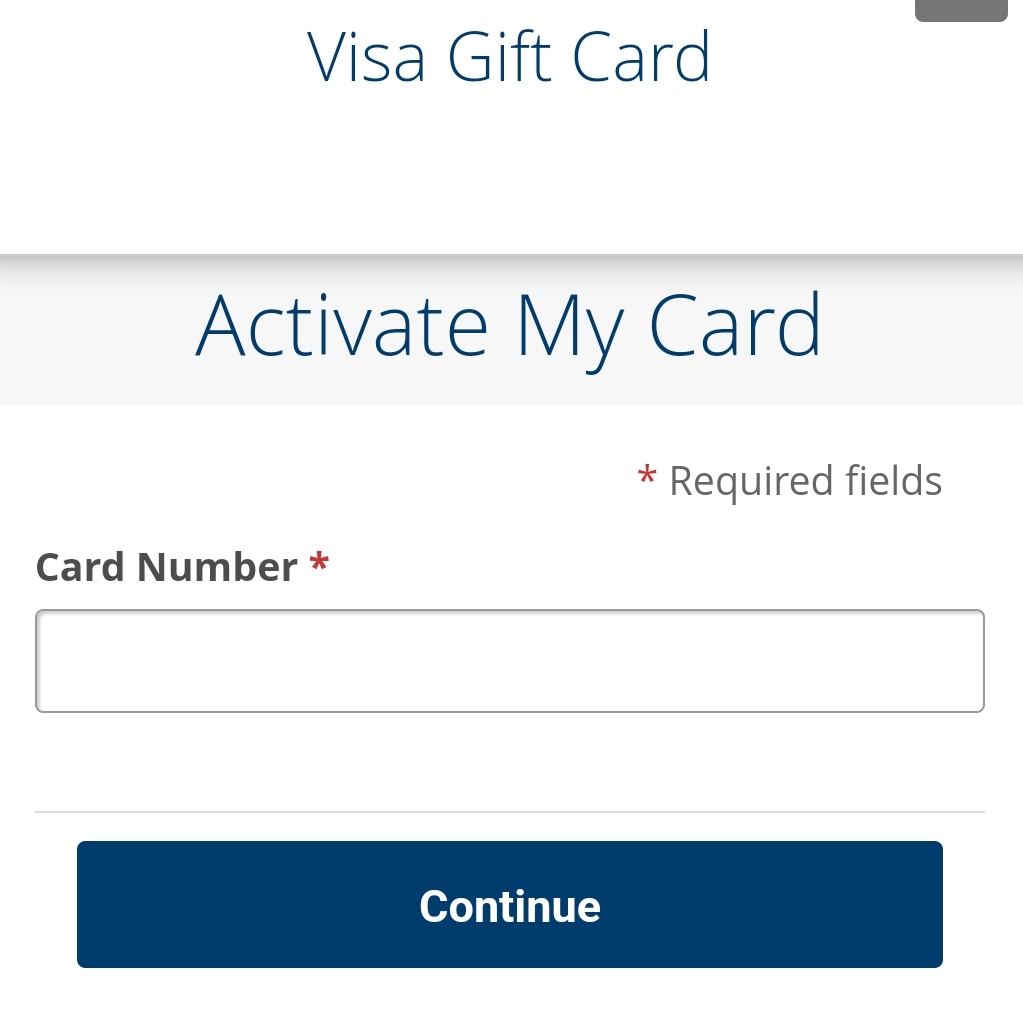
Many modern gift cards, especially those purchased online or general-purpose cards (like Visa or MasterCard gift cards), come with instructions to activate them via a dedicated website. This is often the most convenient method. The process typically involves:
- Locating the Activation Website: Usually printed on the back of the card, on an accompanying sticker, or within the packaging.
- Entering Card Details: You’ll be prompted to enter the card number, security code (CVV), and sometimes an activation code or PIN also found on the card. Some sites may also ask for personal information for verification, though this is less common for simple activation.
- Confirming Activation: Once the details are entered correctly, the website will confirm that the card has been activated and its balance is ready for use. It’s always a good idea to check the balance immediately after activation to ensure the correct funds are loaded.
Phone Activation: A Direct Approach
For those who prefer speaking to a representative or for cards without a clear online portal, phone activation is a common alternative. The process is similar:
- Finding the Activation Number: This toll-free number is usually printed on the back of the gift card.
- Following Automated Prompts: You’ll typically navigate an automated system, entering the card number and security code using your phone’s keypad.
- Speaking to a Representative (if needed): If the automated system doesn’t suffice or you encounter issues, you may have the option to speak with a customer service agent who can manually assist with activation. Have the card details and any proof of purchase handy.
In-Store Activation at Point of Sale
This is the most common method for gift cards purchased directly from a retail store. In these scenarios, the activation happens automatically as part of the checkout process.
- Swipe/Scan at Checkout: When the cashier processes the gift card purchase, they will swipe or scan the card.
- Loading Funds: The funds are loaded onto the card by the cashier as part of the transaction.
- Receipt Confirmation: The sales receipt should clearly indicate that the gift card has been activated and the amount loaded onto it. It’s crucial to retain this receipt as proof of purchase and activation, treating it like a financial statement for your gift card.
Automatic Activation: The Exception, Not the Rule
While most gift cards require a deliberate step for activation, some e-gift cards or promotional cards might be automatically active upon delivery or receipt. This is less common for physical cards but can occur with digital codes sent via email. Always check the terms and conditions or the email itself for specific instructions regarding activation. Even if it’s “auto-activated,” it’s a good financial practice to verify the balance before attempting a purchase.
Common Pitfalls and Financial Troubleshooting
Even with clear instructions, issues can arise during the gift card activation process. Understanding common problems and how to resolve them can save you time, frustration, and potential financial loss. Treating a gift card like cash means being prepared to troubleshoot financial discrepancies.
Unactivated Card Scenarios: What to Do
The most common issue is attempting to use a gift card that hasn’t been properly activated. The transaction will be declined, often with an error message like “card not activated” or “insufficient funds” (even if funds are technically available, they are not yet accessible).
- Check the Card and Packaging: Re-read all instructions on the card, its packaging, or the accompanying email for activation steps.
- Try Online/Phone Activation: If you received the card as a gift, assume it might require manual activation and follow the online or phone instructions.
- Contact the Purchaser: If you’re the recipient, reach out to the person who gave you the card. They might have the purchase receipt which could confirm activation or provide details needed for troubleshooting.
Dealing with Activation Errors
Occasionally, you might follow the activation steps, but the process fails or the balance doesn’t reflect correctly.
- Double-Check Entered Information: Ensure card numbers, PINs, and security codes are entered accurately during online or phone activation.
- Wait a Few Hours: Sometimes, there’s a slight delay in the system updating. Give it a bit of time before trying again or contacting support.
- Contact Customer Service: If issues persist, contact the customer service number on the back of the card. Be prepared to provide the card number, security code, and ideally, proof of purchase.
The Importance of Proof of Purchase
This cannot be stressed enough: keep the purchase receipt for any gift card, whether you bought it or received it. The receipt serves as your crucial financial record. It proves:
- That the card was purchased: Essential for combating claims of theft or non-payment.
- The value loaded onto the card: Critical if there’s a discrepancy in the activated balance.
- The activation status: Many receipts explicitly state “Card Activated” or similar.
- The date and time of purchase: Important for dispute resolution and tracking.
Without proof of purchase, resolving issues like unactivated cards, incorrect balances, or lost/stolen cards becomes significantly more challenging, as there’s no financial trail to verify your claim. Treat this receipt as you would a bank statement or an investment record for a smaller, but still valuable, financial asset.
Scams and Fraud Prevention
Unfortunately, gift cards are a target for scammers. Being aware of potential pitfalls is part of smart financial management:
- Never Share PINs/Codes with Strangers: Real activation processes will only ask for this on secure, designated websites or automated phone lines.
- Inspect Cards Before Purchase: If buying in-store, check for any signs of tampering (scratched-off PINs, altered packaging). This could indicate a card number has been stolen.
- Beware of “Activation Fees” from Unofficial Sources: While some cards have purchase fees, no legitimate issuer charges a separate “activation fee” after the fact, especially not via unsolicited emails or calls.
Best Practices for Gift Card Financial Management
Once activated, a gift card represents real money. Therefore, managing them effectively requires similar principles to managing cash, debit cards, or other financial assets. Proactive management can prevent loss and ensure you get full value.
Treating Gift Cards Like Cash
The most fundamental rule of gift card management is to treat them as you would physical cash. If you lose a $50 gift card, it’s the same financial loss as losing a $50 bill.
- Store Securely: Keep activated cards in a safe place, like your wallet, alongside other financial instruments.
- Don’t Post Pictures Online: Avoid sharing images of your gift cards (especially with visible numbers/codes) on social media, as this exposes their financial value to potential thieves.
- Report Loss/Theft Immediately: If a gift card is lost or stolen, report it to the issuer immediately, just as you would with a credit or debit card. While recovery isn’t guaranteed, some issuers offer protection if you have the card number and proof of purchase.
Prompt Activation and Usage
Once you receive a gift card, activate it promptly. There’s no benefit to delaying.
- Reduces Risk: An activated card, even if lost, has a greater chance of being recovered or its funds frozen if reported promptly. An unactivated card cannot be traced.
- Prevents Forgetting: Activating it immediately adds it to your active financial assets, reducing the chance of forgetting about it or misplacing it before use.
- Mitigates Expiry Concerns: While many states have laws regarding gift card expiry, some promotional cards or cards from smaller merchants might still have expiration dates. Activating and using it promptly ensures you don’t miss out on its value.
Tracking Balances and Expiration Dates
Effective financial management involves knowing your assets and liabilities. Gift cards are micro-assets that require tracking.
- Check Balances Regularly: Most issuers provide a way to check your balance online or via phone. Do this before making a purchase to avoid surprises, especially if you’ve made partial redemptions.
- Note Expiration Dates: If your card has an expiration date, make a note of it in your calendar or a financial tracker. Prioritize using cards nearing their expiration.
- Consolidate (if possible): If you have multiple small-value cards from the same retailer, see if the merchant allows consolidation onto a single card or account, simplifying management.
Secure Storage and Record-Keeping
Maintain a secure record of your gift cards, similar to how you’d manage other financial documents.
- Digital Inventory: Consider keeping a digital list of your gift card numbers, PINs, balances, and activation dates in a secure, encrypted document or password manager. This is invaluable if a physical card is lost or stolen.
- Physical Safekeeping: For physical cards, store them securely in your wallet or a dedicated slot in your home finance organizer.
- Retain Packaging: Keep the original packaging or activation slips until the card is fully spent, as they often contain critical information for troubleshooting.
The Broader Financial Landscape of Gift Cards
Beyond the immediate act of activation and use, gift cards fit into a larger financial ecosystem, influencing consumer behavior, budgeting, and even regulatory frameworks. Understanding this broader context enriches your ability to manage these tools effectively.
Gift Cards as a Budgeting Tool
For some, gift cards serve as an effective budgeting tool. Receiving a gift card for a specific store or category (e.g., groceries, entertainment) can help segment spending. By using the gift card for its designated purpose, individuals can free up cash from their regular budget for other expenses or savings goals. This pre-defined spending limit can be a subtle but powerful way to maintain financial discipline in certain areas.
Consumer Protection for Prepaid Instruments
Given their widespread use and monetary value, gift cards are subject to various consumer protection laws. In the United States, the CARD Act of 2009 introduced federal protections for gift cards, including:
- Minimum Expiration Periods: Most gift cards cannot expire for at least five years from the date of purchase or the date funds were last loaded.
- Inactivity Fees: Inactivity fees can only be charged after one year of non-use, and only one fee per month is allowed.
- Clear Disclosure: Issuers must clearly disclose any fees or expiration dates.
These protections are crucial for safeguarding the financial value stored on gift cards and ensuring consumers don’t lose their money due to obscure terms or rapid expirations. Familiarizing yourself with these rights is an important aspect of managing your prepaid finances.
The Secondary Market and Financial Risks
A secondary market exists for unwanted gift cards, with websites allowing consumers to sell or exchange cards for cash or cards from different retailers, often at a slight discount to their face value. While this offers a way to convert unwanted gifts into more usable funds, it comes with financial risks:
- Value Loss: You’ll typically receive less than the card’s face value.
- Fraud Risk: Both buyers and sellers can be susceptible to scams, such as selling a card that has since been depleted or receiving a fraudulent card.
- Verification Challenges: Verifying the true balance and validity of a card purchased on the secondary market can be difficult, highlighting the importance of using reputable platforms.
While an option for liquidity, engaging with the secondary market requires heightened caution and due diligence to protect your financial interests.
Conclusion
Activating a gift card might seem like a small, procedural step, but it is foundational to its utility and security as a financial instrument. By understanding the “why” behind activation, navigating the various methods, being prepared for troubleshooting, and adopting best practices for management, consumers can ensure they maximize the value of their gift cards. Treating these prepaid assets with the same diligence as other financial tools—from safeguarding proof of purchase to tracking balances—empowers you to seamlessly integrate them into your personal finance strategy, turning thoughtful gifts into tangible purchasing power without unnecessary friction or financial loss.
aViewFromTheCave is a participant in the Amazon Services LLC Associates Program, an affiliate advertising program designed to provide a means for sites to earn advertising fees by advertising and linking to Amazon.com. Amazon, the Amazon logo, AmazonSupply, and the AmazonSupply logo are trademarks of Amazon.com, Inc. or its affiliates. As an Amazon Associate we earn affiliate commissions from qualifying purchases.