
The world of cryptocurrency has rapidly evolved from a niche topic for tech enthusiasts to a significant, albeit volatile, asset class capturing the attention of investors worldwide. Bitcoin, Ethereum, and a myriad of other digital assets have demonstrated unprecedented growth and market fluctuations, prompting many to consider dipping their toes into this exciting new frontier of finance. However, for the uninitiated, the prospect of starting to invest in crypto can feel daunting, shrouded in technical jargon and tales of both immense riches and spectacular losses.
This guide aims to demystify the process, providing a professional, insightful, and engaging roadmap for individuals looking to embark on their cryptocurrency investment journey. We’ll cut through the noise, focusing strictly on the financial considerations, strategies, and practical steps necessary to make informed decisions and build a responsible crypto portfolio.
Understanding the Crypto Landscape Before You Invest
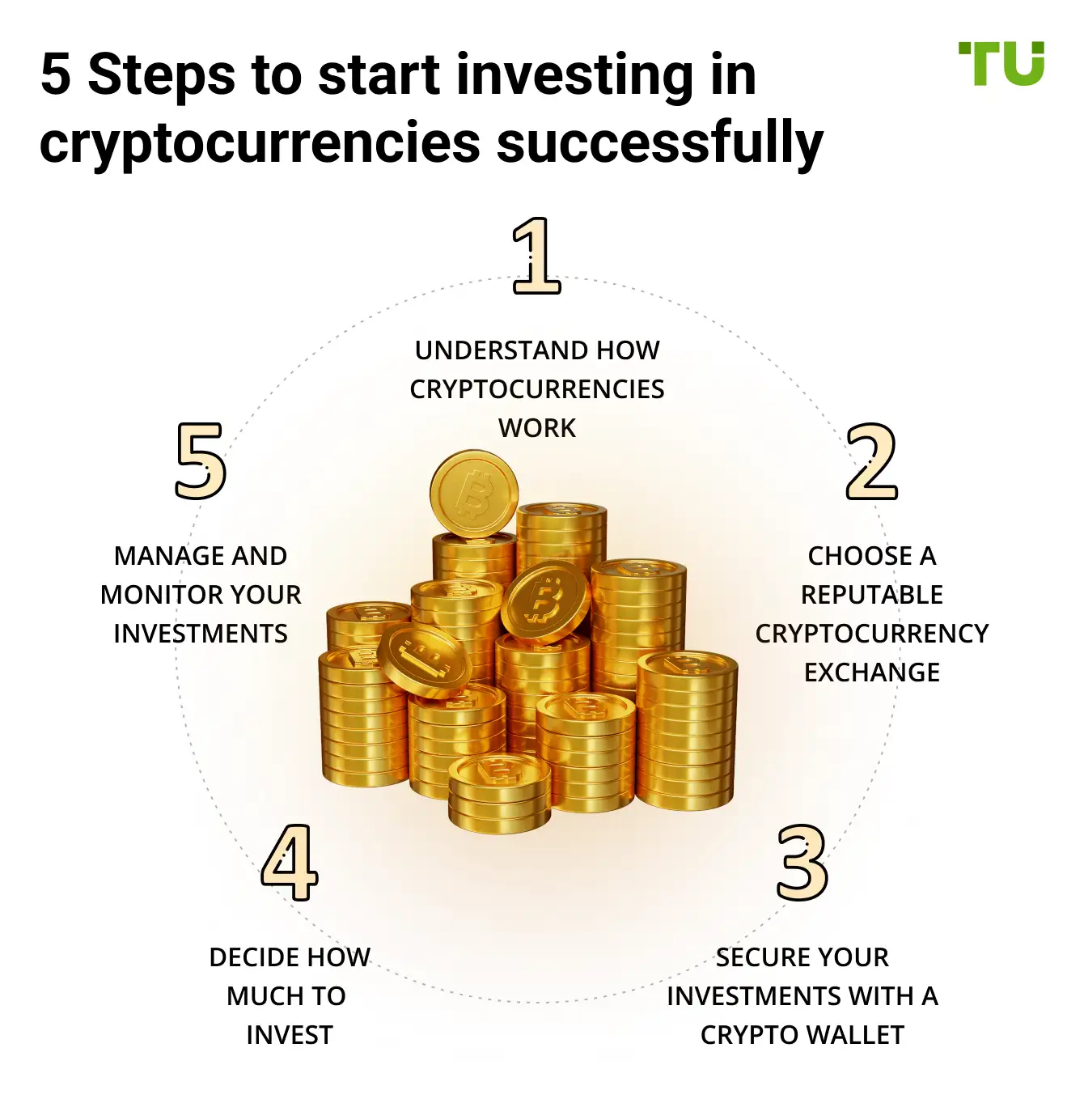
Before you even consider allocating your hard-earned money to digital assets, it’s paramount to grasp the fundamental nature of cryptocurrencies and the unique environment in which they operate. This foundational understanding is crucial for any responsible investment strategy.
What is Cryptocurrency?
At its core, a cryptocurrency is a digital or virtual currency secured by cryptography, making it nearly impossible to counterfeit or double-spend. Unlike traditional currencies issued by central banks, cryptocurrencies are generally decentralized, meaning they are not subject to government or financial institution control. Most cryptocurrencies are built on blockchain technology—a distributed ledger enforced by a disparate network of computers. This technology ensures transparency, immutability, and security for all transactions. Investing in crypto, therefore, means investing in a piece of this decentralized future, often tied to a specific project, technology, or vision.
Key Concepts: Volatility, Risk, and Potential Rewards
The most defining characteristic of the cryptocurrency market is its inherent volatility. Prices can swing dramatically within hours, days, or weeks, influenced by everything from regulatory news and technological advancements to social media sentiment and macroeconomic factors. This volatility presents both significant risk and considerable potential for reward. Unlike traditional stocks or bonds, which often have established valuation models, crypto assets are still relatively new, and their value is often driven by speculation, adoption rates, and future potential rather than historical earnings or dividends. As such, any investment in crypto should be considered high-risk capital, meaning you should only invest what you are prepared to lose entirely.
Different Types of Cryptocurrencies
While “crypto” often conjures images of Bitcoin, the ecosystem is vast and diverse. Bitcoin (BTC) is the original and largest cryptocurrency, often seen as “digital gold.” Ethereum (ETH) is the second-largest, known for its smart contract capabilities that power decentralized applications (dApps) and entire ecosystems like Decentralized Finance (DeFi) and Non-Fungible Tokens (NFTs). Beyond these giants are thousands of “altcoins” (alternative coins) – from other layer-one blockchains like Solana and Cardano to meme coins like Dogecoin and Shiba Inu. Stablecoins, like USDT or USDC, are a unique category designed to maintain a stable value relative to a fiat currency (e.g., USD), offering a bridge between traditional and crypto finance, and often used by traders to park profits without exiting the crypto ecosystem entirely. Understanding these distinctions helps in assessing the potential utility and risk profile of different assets.
The Importance of Due Diligence
In an unregulated and rapidly evolving market, relying on hearsay or social media hype is a recipe for disaster. Thorough due diligence is non-negotiable. Before investing in any cryptocurrency, research its whitepaper (the foundational document outlining its technology, purpose, and economic model), evaluate the development team’s credibility, assess its real-world utility and adoption, understand its tokenomics (how the currency is created, distributed, and managed), and analyze its community support. Look for projects solving real problems, with robust technology and clear roadmaps, rather than those promising unrealistic returns.
Setting Up Your Crypto Investment Strategy
A successful journey into crypto investing isn’t about blind luck; it’s about a well-thought-out strategy tailored to your financial situation and risk appetite. Without a clear plan, emotional decisions and market volatility can quickly lead to unfavorable outcomes.
Define Your Financial Goals and Risk Tolerance
Before making any investment, ask yourself: What are my financial goals for investing in crypto? Am I looking for short-term gains, or am I playing the long game? How much money can I genuinely afford to lose without impacting my financial stability? Crypto is not a get-rich-quick scheme, and a realistic assessment of your goals (e.g., diversification, long-term growth, speculative play) and an honest understanding of your risk tolerance are paramount. Never invest money you need for essential living expenses, debt repayment, or other critical financial goals.
Start Small and Diversify
For beginners, the advice is almost universally the same: start small. Allocate a small percentage of your overall investment portfolio (e.g., 1-5%) to cryptocurrencies. This allows you to gain experience and learn the ropes without exposing yourself to undue risk. Furthermore, while tempting to go all-in on one promising altcoin, diversification is key. Instead of putting all your eggs in one basket, spread your investment across a few different, well-researched cryptocurrencies. This could mean investing in Bitcoin and Ethereum as foundational assets, alongside a couple of other altcoins with strong fundamentals and different use cases. Consider implementing a strategy like Dollar-Cost Averaging (DCA), where you invest a fixed amount of money at regular intervals, regardless of the asset’s price. This strategy helps mitigate the impact of market volatility by averaging out your purchase price over time.
Long-Term vs. Short-Term Approaches
Crypto investing broadly falls into two categories: long-term holding (often referred to as “HODLing,” a misspelling of “hold” that became a meme) and short-term trading. For most beginners, HODLing is the recommended approach. This involves buying assets you believe in and holding them for an extended period, riding out short-term market fluctuations with the expectation of significant long-term growth. Short-term trading, on the other hand, involves frequent buying and selling to capitalize on smaller price movements. This requires extensive knowledge, significant time commitment, advanced tools, and a high tolerance for risk, making it generally unsuitable for novice investors. Focusing on long-term conviction helps to reduce stress and the temptation for impulsive decisions.
Budgeting for Crypto Investments
Just like any other financial commitment, your crypto investments need to be part of a disciplined budget. Determine a specific, manageable amount that you can regularly contribute to your crypto portfolio without compromising your existing financial health. This could be a fixed monthly sum, a portion of a bonus, or money saved from discretionary spending. Treat crypto investments as a line item in your personal finance budget, ensuring it’s funded after essential expenses, emergency savings, and traditional retirement contributions are accounted for. This structured approach prevents overspending and ensures your crypto ventures remain within a healthy financial framework.
Practical Steps to Making Your First Crypto Investment
With a foundational understanding and a clear strategy in place, you’re ready to take the practical steps to acquire your first cryptocurrencies. This involves choosing the right platform and executing your initial trades.
Choosing a Reputable Cryptocurrency Exchange
The first crucial step is selecting a reliable and secure cryptocurrency exchange. This is where you will buy, sell, and potentially store your digital assets. Key factors to consider include:
- Security: Look for exchanges with strong security measures like two-factor authentication (2FA), cold storage for a significant portion of assets, and insurance policies.
- Fees: Understand the fee structure for deposits, withdrawals, and trades (maker/taker fees). Fees can significantly eat into your profits, especially for frequent transactions.
- Supported Cryptocurrencies: Ensure the exchange lists the cryptocurrencies you are interested in investing in.
- User Interface (UI): For beginners, a user-friendly and intuitive interface is beneficial.
- Regulatory Compliance: Choose exchanges that comply with local regulations, as this often implies a higher level of consumer protection and financial stability. Popular choices for beginners include Coinbase, Binance, Kraken, and Gemini, among others, depending on your geographic location.

Setting Up and Funding Your Account
Once you’ve chosen an exchange, you’ll need to create an account. This typically involves:
- Registration: Providing an email address and creating a strong password.
- Identity Verification (KYC): Due to anti-money laundering (AML) regulations, most reputable exchanges require Know Your Customer (KYC) verification. This usually involves submitting government-issued ID (driver’s license, passport) and sometimes a selfie or proof of address. This process can take anywhere from a few minutes to several days.
- Enabling 2FA: Crucially, enable two-factor authentication (2FA) immediately using an authenticator app (like Google Authenticator or Authy) rather than SMS-based 2FA, which is less secure.
- Funding Your Account: Link your bank account, debit card, or credit card to deposit fiat currency (e.g., USD, EUR) into your exchange account. Bank transfers often have lower fees but can take longer, while debit/credit card purchases are faster but usually incur higher fees.
Making Your First Purchase
With your account funded, you can now make your first crypto purchase. Most exchanges offer a straightforward “Buy Crypto” option.
- Select Asset: Choose the cryptocurrency you wish to buy (e.g., Bitcoin, Ethereum).
- Enter Amount: Specify the amount of fiat currency you want to spend or the amount of crypto you wish to acquire.
- Review Order: Double-check the details, including the current price, fees, and the total amount of crypto you will receive.
- Confirm Purchase: Execute the trade. The purchased crypto will then appear in your exchange wallet.
Start with a small, manageable amount to familiarize yourself with the process and the exchange’s interface.
Understanding Transaction Fees
Fees are an unavoidable part of crypto investing. Be aware of different types:
- Trading Fees: These are charged by the exchange for buying and selling. They are often tiered based on your trading volume and can be structured as “maker” (for adding liquidity to the order book) and “taker” (for taking liquidity from the order book) fees.
- Deposit/Withdrawal Fees: Some exchanges charge fees for depositing fiat currency, while most charge a fee for withdrawing crypto to an external wallet (this covers the network transaction cost, which varies by blockchain).
- Network Fees (Gas Fees): When you transfer cryptocurrency from one wallet to another, especially on networks like Ethereum, you pay a “gas fee” to the miners or validators who process and secure the transaction. These fees can fluctuate significantly based on network congestion. Always factor these into your investment calculations.
Securing Your Crypto Assets and Managing Your Portfolio
Investing in crypto is only half the battle; securely managing your assets and portfolio is equally, if not more, important. The decentralized nature of crypto means you are ultimately responsible for your own security.
The Importance of Wallet Security
Once you purchase crypto on an exchange, it’s typically held in a “custodial wallet” managed by the exchange. While convenient, holding significant amounts of crypto on an exchange carries inherent risks, as exchanges can be targets for hackers or face regulatory issues. For larger holdings, transferring your assets to a “non-custodial wallet” where you control the private keys is strongly recommended.
- Hot Wallets: These are connected to the internet (e.g., mobile apps, desktop software, browser extensions). They are convenient for frequent transactions but generally less secure than cold wallets.
- Cold Wallets (Hardware Wallets): These are physical devices that store your private keys offline (e.g., Ledger, Trezor). They offer the highest level of security for long-term storage, as they are immune to online hacks. You sign transactions on the device itself, and the keys never leave the hardware.
Regardless of the type, always back up your “seed phrase” (a series of words that can recover your wallet) and store it in multiple secure, offline locations. Losing your seed phrase means losing access to your funds forever.
Best Practices for Digital Security
Beyond wallet choice, general digital security hygiene is critical:
- Strong, Unique Passwords: Use complex, unique passwords for all crypto-related accounts (exchanges, wallets, email) and never reuse them.
- Two-Factor Authentication (2FA): Always enable 2FA using an authenticator app for all accounts, not just exchanges.
- Beware of Phishing: Be highly suspicious of unsolicited emails, messages, or links. Always verify URLs before entering credentials. Legitimate exchanges will never ask for your private keys or seed phrase.
- Software Updates: Keep your operating system, browser, and antivirus software up to date.
- Private Keys: Never, ever share your private keys or seed phrase with anyone, under any circumstances. They are the ultimate key to your funds.
Monitoring Your Investments
The crypto market is dynamic, and continuous monitoring is essential, even for long-term investors.
- Track Performance: Regularly check the value of your holdings using portfolio trackers, exchange dashboards, or third-party apps.
- Stay Informed: Keep abreast of market news, regulatory developments, technological upgrades to the projects you’ve invested in, and broader economic trends that might impact crypto. Follow reputable news sources, not just social media hype.
- Rebalancing: Periodically review your portfolio against your initial strategy. If one asset has significantly outperformed, you might consider rebalancing by selling some of it to buy others that are underperforming or to maintain your desired asset allocation. This is a disciplined approach to risk management.
Understanding Crypto Taxes
While the specifics vary greatly by jurisdiction, it’s crucial to understand that cryptocurrency transactions are generally taxable events. This includes selling crypto for fiat, trading one crypto for another, or using crypto to purchase goods and services. Capital gains (and losses) from crypto often need to be reported to tax authorities. Keep meticulous records of all your transactions—purchase dates, prices, sale dates, prices, and any associated fees. Consult with a tax professional experienced in cryptocurrency to ensure compliance with local tax laws and avoid potential penalties. Ignorance of tax obligations is not an excuse.
Common Pitfalls and How to Avoid Them
The allure of quick riches in crypto can blind new investors to significant risks and common mistakes. Avoiding these pitfalls is as crucial as having a sound investment strategy.
Falling for Scams and Pump-and-Dumps
The crypto space is rife with scams. Be wary of projects promising guaranteed, unrealistic returns, unsolicited investment advice, or offers that pressure you into quick decisions. Common scams include phishing attacks, fake ICOs/airdrops, Ponzi schemes disguised as crypto projects, and “pump-and-dump” schemes where malicious actors artificially inflate a coin’s price before selling off their holdings, leaving others with worthless assets. Always do your own research, verify information from official sources, and if something sounds too good to be true, it almost certainly is.
Emotional Investing and FOMO
Fear Of Missing Out (FOMO) and the inverse, fear of losing money, are powerful emotions that can derail even the most disciplined investor. Seeing a coin rapidly rise in value can trigger FOMO, leading to impulsive buys at the peak, only for the price to crash shortly after. Conversely, panic selling during a market downturn can lock in losses that might have recovered over time. Stick to your predefined investment strategy and risk tolerance. Do not let market hype or fear dictate your decisions. Discipline and patience are invaluable virtues in crypto investing.
Neglecting Security Measures
The decentralized and self-sovereign nature of crypto means you are your own bank. If you lose your private keys, your funds are gone. If your exchange account is hacked due to poor security, your funds might be lost. Many stories of lost fortunes stem directly from neglecting basic security protocols—using weak passwords, falling for phishing, or failing to back up seed phrases securely. Regularly review and strengthen your security practices. Treat your crypto like physical cash; you wouldn’t leave it lying around for anyone to take.
Over-leveraging or Investing More Than You Can Afford to Lose
One of the most dangerous pitfalls is over-leveraging, often through margin trading, or simply investing more capital than you can financially bear to lose. Margin trading amplifies both gains and losses and is strictly for experienced traders with a deep understanding of market mechanics and risk management. For beginners, it’s a fast track to liquidation. Furthermore, if your crypto investments represent a significant portion of your net worth, or if you’ve invested money needed for rent, food, or an emergency fund, you are exposing yourself to unacceptable financial risk. The crypto market is inherently speculative; always maintain a balanced financial portfolio with diversified assets, ensuring crypto is a calculated, manageable part of it.
Conclusion
Starting your journey into cryptocurrency investing can be an exciting and potentially rewarding endeavor, offering exposure to innovative technologies and a rapidly evolving financial landscape. However, it is a journey that demands respect, diligence, and a disciplined approach. By understanding the underlying technology, clearly defining your financial goals, meticulously researching your chosen assets, and prioritizing robust security measures, you can navigate the volatile crypto markets with greater confidence and responsibility.
Remember, the goal is not just to invest, but to invest wisely. Start small, commit to continuous learning, and always be prepared for the inherent risks. With a professional mindset and a commitment to sound financial principles, you can responsibly explore the opportunities that the world of digital assets has to offer, making informed decisions that align with your broader financial aspirations.
aViewFromTheCave is a participant in the Amazon Services LLC Associates Program, an affiliate advertising program designed to provide a means for sites to earn advertising fees by advertising and linking to Amazon.com. Amazon, the Amazon logo, AmazonSupply, and the AmazonSupply logo are trademarks of Amazon.com, Inc. or its affiliates. As an Amazon Associate we earn affiliate commissions from qualifying purchases.