
Since its inception in 2009, Bitcoin has transitioned from a niche experiment among cryptographers to a globally recognized financial asset. Often referred to as “digital gold,” it represents a fundamental shift in how we perceive value, scarcity, and monetary sovereignty. For many individual investors and financial enthusiasts, the primary question has shifted from “What is it?” to “How can I get it?”
Acquiring Bitcoin is no longer the technical hurdle it once was. However, the path you choose depends on your financial goals, risk tolerance, and the amount of effort you wish to exert. This guide explores the diverse avenues for obtaining Bitcoin, focusing on the financial strategies, platforms, and security measures necessary to navigate the modern digital economy.
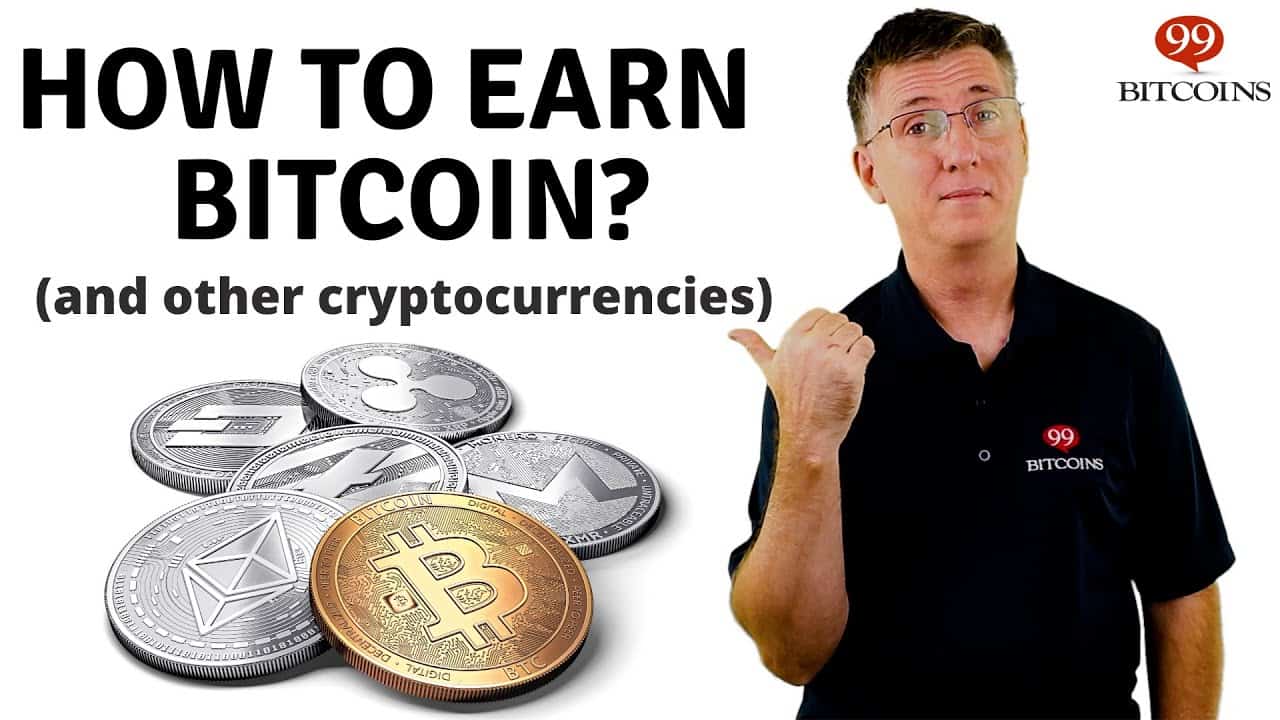
1. Utilizing Centralized Cryptocurrency Exchanges
The most common and user-friendly way to acquire Bitcoin is through a centralized exchange (CEX). These platforms act as intermediaries, much like traditional stock brokerages, connecting buyers with sellers while providing a streamlined interface for transactions.
Choosing the Right Cryptocurrency Exchange
Not all exchanges are created equal. When selecting a platform, the primary considerations should be security, fees, and regulatory compliance. Reputable exchanges like Coinbase, Kraken, and Binance provide a high level of liquidity, ensuring that you can buy or sell Bitcoin at market prices without significant “slippage.”
From a financial perspective, you must evaluate the fee structure. Some platforms charge a flat fee for small transactions, while others use a “maker-taker” model that rewards those who provide liquidity to the book. Additionally, ensure the exchange is licensed to operate in your jurisdiction. This provides a layer of legal protection and ensures the platform adheres to Anti-Money Laundering (AML) and Know Your Customer (KYC) regulations, which are standard for institutional-grade financial services.
The Mechanics of Spot Trading vs. Direct Purchases
Most exchanges offer two primary ways to buy: a “Direct Buy” feature or “Spot Trading.” A direct purchase is the simplest method; you link a bank account or credit card and buy a specific dollar amount of Bitcoin instantly. While convenient, this often carries higher convenience fees.
Spot trading involves using the exchange’s trading interface to place limit orders or market orders. For those looking to optimize their entry price, limit orders allow you to set a specific price at which you are willing to buy. This requires more patience and technical understanding but is generally the more cost-effective strategy for serious investors looking to build a position over time.
2. Passive and Active Income Streams
Beyond simply buying Bitcoin with fiat currency (like USD or EUR), you can acquire it by participating in the network’s ecosystem or by integrating it into your professional life. This “earning” approach allows for the accumulation of the asset without necessarily depleting your traditional savings.
Mining: The Financial Path to New Bitcoin
Mining is the process by which new Bitcoins are entered into circulation and the network is secured. In the early days, one could mine Bitcoin on a home computer. Today, it has evolved into a highly competitive industrial sector. To mine profitably, you must invest in specialized hardware known as ASICs (Application-Specific Integrated Circuits) and have access to low-cost electricity.
For the individual investor, “Mining Pools” are the most viable option. By joining a pool, you combine your computational power with others to increase the chances of earning a block reward, which is then distributed proportionally. While the capital expenditure (CAPEX) is high, mining offers a way to “produce” the asset at a cost basis that may be lower than the market price, depending on your operational efficiency.
Earning Bitcoin through Services and Side Hustles
The gig economy and remote work have opened new doors for Bitcoin acquisition. Many freelancers now accept Bitcoin as payment for services in web development, writing, and digital marketing. Platforms like Bitwage allow employees to receive a portion of their traditional salary in Bitcoin, automatically converting fiat to crypto before it hits their wallet.
Furthermore, “Bitcoin Cashback” apps and browser extensions have gained popularity. These tools allow users to earn small amounts of Bitcoin (often called “Sats,” short for Satoshis) on everyday purchases at major retailers. While this won’t make you a “whale” overnight, it is a risk-free way to stack sats and build a long-term position through regular consumer behavior.
3. Peer-to-Peer and Alternative Acquisition Methods
For those who prefer to avoid centralized intermediaries or seek more flexible payment methods, peer-to-peer (P2P) markets and physical infrastructure provide viable alternatives.
Peer-to-Peer (P2P) Marketplaces
P2P platforms like Paxful or the P2P sections of larger exchanges connect individual buyers and sellers directly. This method offers a wide array of payment options that traditional exchanges might not support, such as gift cards, local bank transfers, or even cash in person.
The financial risk in P2P trading is higher due to the potential for fraud. To mitigate this, reputable P2P platforms use escrow services. When a trade is initiated, the seller’s Bitcoin is held by the platform until the seller confirms receipt of payment. This ensures that both parties fulfill their end of the bargain. For the privacy-conscious or those in regions with limited banking infrastructure, P2P remains a vital corridor for financial inclusion.
Bitcoin ATMs and Over-the-Counter (OTC) Desks
Bitcoin ATMs (BTMs) are physical kiosks that allow you to buy Bitcoin using cash or a debit card. They offer high speed and relative anonymity for smaller amounts, but they are notorious for high transaction fees—often ranging from 7% to 15% above the market rate. From a personal finance standpoint, BTMs should be used sparingly due to these costs.
On the other end of the spectrum are Over-the-Counter (OTC) desks. These are designed for high-net-worth individuals or institutional investors looking to buy large quantities of Bitcoin (typically $50,000 and above) without moving the market price on a public exchange. OTC desks provide personalized service and “deep liquidity,” ensuring that large buy orders are filled at a negotiated, fixed price.
4. Strategic Management and Financial Security
Getting Bitcoin is only the first half of the journey; the second half is managing and securing it. Unlike a traditional bank account, Bitcoin transactions are irreversible, and losing access to your “keys” means losing your funds forever.
Selecting a Wallet Strategy: Hot vs. Cold Storage
In the world of Bitcoin, the adage “Not your keys, not your coins” is a fundamental rule. If you leave your Bitcoin on an exchange, the exchange technically controls the asset. To truly own your Bitcoin, you must move it to a private wallet.
- Hot Wallets: These are apps on your phone or computer. They are convenient for frequent transactions but are connected to the internet, making them susceptible to hacks.
- Cold Storage (Hardware Wallets): These are physical devices that keep your private keys offline. For any significant investment, cold storage is the gold standard of financial security. It removes the “counterparty risk” of an exchange failing and puts you in total control of your wealth.
Tax Implications and Financial Compliance
As Bitcoin becomes more integrated into the global financial system, tax authorities have stepped up their oversight. In many jurisdictions, Bitcoin is treated as property rather than currency. This means that every time you sell Bitcoin, or even use it to buy a cup of coffee, you may be triggering a capital gains tax event.
Proactive financial management requires keeping meticulous records of your “cost basis” (the price at which you acquired the Bitcoin) and the date of each transaction. Utilizing crypto-tax software can help automate this process, ensuring that you remain compliant with local laws while optimizing your tax liability through strategies like tax-loss harvesting.
Conclusion
Acquiring Bitcoin is a multifaceted financial endeavor that ranges from simple exchange purchases to complex mining operations. Whether you are looking to hedge against inflation, diversify a traditional investment portfolio, or participate in a new digital economy, there is a method that fits your profile.
By understanding the nuances of exchanges, the potential of earning digital income, and the absolute necessity of self-custody and tax compliance, you can navigate the Bitcoin landscape with confidence. As the asset matures, the ease of access will likely increase, but the fundamental principles of financial diligence and security will remain the cornerstones of successful Bitcoin ownership.
aViewFromTheCave is a participant in the Amazon Services LLC Associates Program, an affiliate advertising program designed to provide a means for sites to earn advertising fees by advertising and linking to Amazon.com. Amazon, the Amazon logo, AmazonSupply, and the AmazonSupply logo are trademarks of Amazon.com, Inc. or its affiliates. As an Amazon Associate we earn affiliate commissions from qualifying purchases.