
The age-old question, “What movies are in theaters?” used to be answered by a quick glance at the back pages of a local newspaper or a phone call to a recorded “moviefone” line. Today, that question serves as the entry point into a sophisticated technological ecosystem. From the algorithms that recommend titles to the high-end laser projection systems that display them, the modern theatrical experience is a triumph of software engineering, data science, and hardware innovation.
As we look at the current landscape of cinema, the “what” is increasingly dictated by the “how.” Technology doesn’t just help us find movies; it shapes which movies are produced, how they are distributed, and the sensory heights they can reach. This article explores the tech-driven transformation of the theater industry, focusing on the platforms and innovations that define today’s big-screen offerings.

The Evolution of Film Discovery: AI and Algorithmic Curation
In the digital age, the discovery of what is currently playing in theaters is the first step in a complex user journey. This journey is powered by massive data aggregates and machine learning models designed to match the right viewer with the right screen.
Personalized Recommendation Engines
When you search for “what movies are in theaters,” you aren’t just getting a static list. Search engines and specialized apps like Fandango, Atom Tickets, and IMDb utilize personalized recommendation engines. These algorithms analyze your previous viewing habits, location data, and even the time of day to prioritize specific listings. For instance, if a user frequently searches for “Dolby Atmos” or “IMAX,” the search results will prioritize premium large-format (PLF) screenings over standard digital ones. This level of curation ensures that the “theatrical window” remains competitive against the convenience of home streaming.
Integration with Smart Home Ecosystems
The technology behind movie discovery has moved beyond the browser. Integration with smart home ecosystems (like Alexa, Google Assistant, and Siri) allows for frictionless discovery. Voice recognition technology and natural language processing (NLP) enable users to ask, “What’s playing at the nearest IMAX?” and receive real-time data on showtimes, seat availability, and trailer previews. This “Zero-UI” approach to movie-going is part of a broader trend in tech where the interface disappears, leaving only the utility.
Beyond the Screen: The High-Tech Infrastructure of Modern Theaters
The reason we still go to theaters in an era of 85-inch home televisions is the “Tech Gap.” Cinema chains are currently in a technological arms race to provide sensory experiences that are impossible to replicate in a domestic environment.
Laser Projection and HDR Standards
The transition from physical film to digital projection was the first major tech shift of the 21st century. However, we are now in the midst of the second shift: the move from Xenon lamp projectors to Laser projection. Digital Light Processing (DLP) using RGB laser light sources provides a level of brightness and color gamut—specifically Rec. 2020 color space—that traditional bulbs cannot match.
Laser projectors offer significantly higher contrast ratios, meaning the blacks are deeper and the whites are more brilliant. This is essential for High Dynamic Range (HDR) content. When you look at what movies are in theaters today, many are specifically mastered for Dolby Vision or IMAX with Laser, utilizing these hardware specs to deliver images that are up to 40 times brighter than standard cinema screens.
Spatial Audio and Immersive Soundscapes
The “What” of the theater experience is equally defined by what we hear. We have moved past 5.1 and 7.1 surround sound into the era of object-based audio, most notably represented by Dolby Atmos and DTS:X. Unlike channel-based audio, which sends sound to a specific speaker, object-based audio treats every sound—a helicopter, a footstep, a whisper—as an individual “object” in a 3D space.
Sophisticated audio processors in the theater’s “tech rack” calculate in real-time which speakers to fire to create a seamless hemisphere of sound. This requires massive computational power and a sophisticated network of up to 64 unique speaker feeds. This technological ceiling is a primary driver for why action and sci-fi blockbusters dominate theater listings; they are the genres that best exploit this hardware.

The Software Behind the Seat: Data Analytics and Dynamic Pricing
The logistics of theater management have been revolutionized by enterprise-level software. Knowing “what movies are in theaters” also means knowing when they are playing and how much they cost, variables that are now managed by complex data suites.
Mobile Ticketing Ecosystems and API Integration
Modern theater chains operate as tech companies as much as hospitality companies. The backend of a movie theater is now a series of interconnected APIs. When a user buys a ticket on a mobile app, the system must synchronize in real-time with the theater’s point-of-sale (POS), the film distributor’s reporting software, and the digital signage in the lobby. This synchronization allows for features like reserved seating and digital “concession pre-ordering,” which optimizes the flow of traffic through the physical space using heat-map data and queue management software.
Predictive Analytics for Theater Management
Theater owners use predictive analytics to decide how many screens to allocate to a new release. By analyzing social media sentiment, historical “comp” data, and advance ticket sale velocity, AI models can predict with high accuracy how many people will show up on a Tuesday night versus a Friday night.
Furthermore, we are seeing the emergence of dynamic pricing—similar to the tech used by airlines and Uber. Some theater chains are experimenting with software that adjusts ticket prices based on seat location (prime vs. periphery) or the popularity of the time slot. This “Price Optimization Tech” is a controversial but significant trend that determines how movies are consumed.
The Future: VR, AR, and the Future of In-Theater Interactivity
As we look forward, the definition of “what movies are in theaters” may expand to include interactive and immersive media that blurs the line between cinema and gaming.
Gamification of the Cinema Experience
Technology is being developed to turn the theater into an interactive hub. Using high-speed localized Wi-Fi and augmented reality (AR) apps, some theaters are experimenting with pre-show “gamification.” Audiences can use their smartphones to interact with the big screen, participating in trivia or mini-games that utilize the theater’s massive processing power to render real-time results for hundreds of users simultaneously.
The Rise of ScreenX and 4DX: Mechanical Engineering in Cinema
Beyond the pixels, technology is manifesting in the physical environment. ScreenX utilizes multi-projection technology to expand the film onto the side walls of the auditorium, creating a 270-degree panoramic view. This requires specialized “stitching” software to ensure the peripheral images align perfectly with the central screen.
Similarly, 4DX technology uses a sophisticated “Motion Control” system. The seats are programmed with haptic feedback, water effects, and scent dispensers, all synchronized via a “Timecode” embedded in the film’s digital file. This isn’t just a movie; it’s a synchronized performance of mechanical engineering and software precision.
Conclusion: The Tech Stack of the Silver Screen
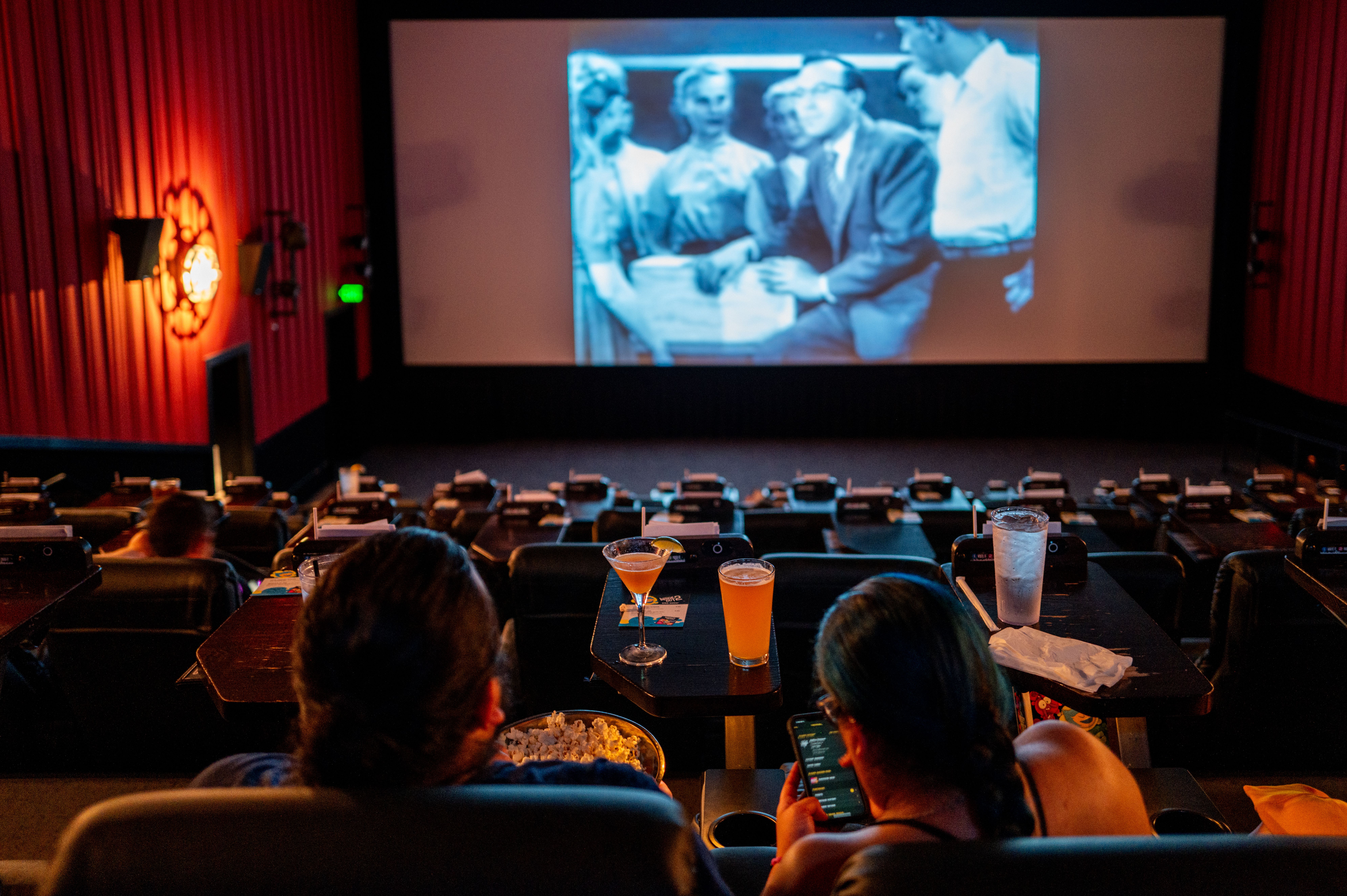
When we search for “what movies are in theaters,” we are looking at the output of a global high-tech industry. The films currently playing are there because they have been optimized for a specific “tech stack” that includes AI-driven marketing, laser-based hardware, and spatial audio software.
The cinema is no longer just a room with a projector; it is a sophisticated data-driven environment designed to provide an experience that exceeds the capabilities of consumer electronics. As AI continues to evolve and projection technology reaches new heights of fidelity, the “theater” will remain the ultimate proving ground for the most advanced audio-visual technology humanity has to offer. The next time you find yourself at the box office, remember that you aren’t just buying a ticket to a story—you are buying a seat in a multi-million dollar technological laboratory.
aViewFromTheCave is a participant in the Amazon Services LLC Associates Program, an affiliate advertising program designed to provide a means for sites to earn advertising fees by advertising and linking to Amazon.com. Amazon, the Amazon logo, AmazonSupply, and the AmazonSupply logo are trademarks of Amazon.com, Inc. or its affiliates. As an Amazon Associate we earn affiliate commissions from qualifying purchases.