
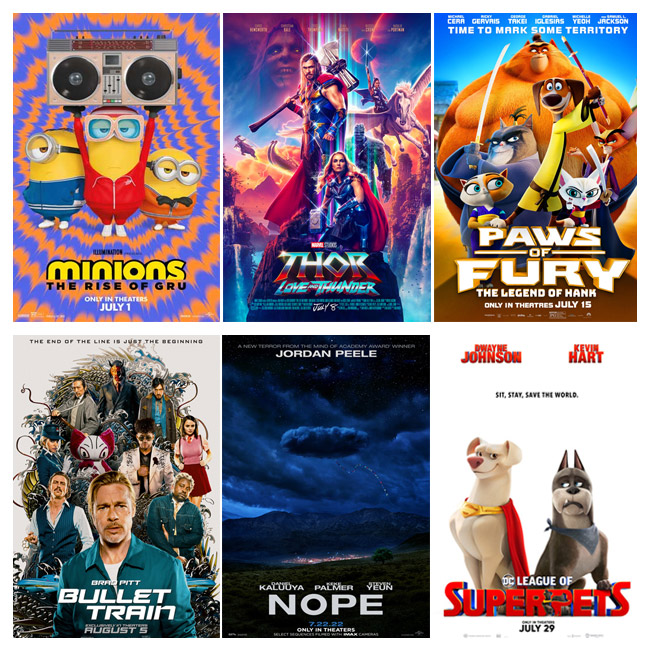
In the decades past, the question of “what movies are in theatres” was answered by a quick glance at the back pages of a local newspaper or a phone call to a recorded “moviefone” line. Today, that query triggers a complex ecosystem of high-speed data, sophisticated algorithms, and integrated software platforms. The transition from physical marquee to digital interface represents one of the most significant shifts in the entertainment technology sector. As we navigate an era defined by instant gratification and personalized content, the technology behind movie discovery and the theatrical experience itself has evolved into a powerhouse of digital innovation.

The Evolution of Movie Discovery Apps and Aggregators
The primary way modern audiences interact with the cinema is through mobile software. The journey begins long before the lights dim, starting instead on a smartphone screen. The technology that powers these discovery platforms is far more complex than a simple database of showtimes; it involves real-time API integration and complex UI/UX design optimized for conversion.
Aggregators and Real-Time Showtimes
Modern apps like Fandango, Atom Tickets, and AMC Theatres rely on robust API (Application Programming Interface) connections to thousands of individual cinema servers. This allows for real-time synchronization of seat availability, dynamic pricing, and showtime adjustments. When a user searches for “what movies are in theatres,” these apps are querying massive datasets that cross-reference geolocation with theater inventory. The backend infrastructure must be capable of handling millions of concurrent requests, especially during the “opening weekend” peaks of major blockbusters.
UX Design and Seamless Ticket Purchasing
The user experience (UX) of theatrical apps has shifted from mere information delivery to transactional excellence. Modern apps utilize “one-click” purchasing systems, integrated with digital wallets like Apple Pay and Google Pay. The design philosophy centers on reducing friction—using heatmaps to determine the most intuitive placement for seat selection and leveraging biometric security (FaceID/TouchID) to finalize sales. By reducing the steps from “discovery” to “ownership,” these tech platforms have maximized the efficiency of the theatrical business model.
AI-Driven Recommendations: Beyond the Simple Search
When a user asks what is playing, they are often looking for more than a list; they are looking for a recommendation. This is where Artificial Intelligence (AI) and Machine Learning (ML) have revolutionized the industry. The tech stack behind modern cinema discovery uses sophisticated “Collaborative Filtering” and “Content-Based Filtering” to suggest titles based on a user’s digital footprint.
Machine Learning and Audience Sentiment Analysis
Streaming services like Netflix and Disney+ set a high bar for recommendation engines, and theatrical platforms have had to catch up. By analyzing past purchase history, genre preferences, and even the time of day a user typically visits the cinema, AI models can predict which upcoming releases will resonate with specific demographics. Furthermore, natural language processing (NLP) is used to scan social media sentiment and critic reviews in real-time, adjusting the prominence of certain movies in the app interface based on what is “trending” technologically.
Predictive Scheduling for Maximum Throughput
On the business side of the tech, cinema chains use AI-driven predictive analytics to decide how many screens to allocate to a specific title. This software analyzes historical data, pre-sale velocity, and local demographic trends to optimize the “programming” of a theatre. By automating the scheduling process, software ensures that high-demand movies are available exactly when the tech-savvy consumer is most likely to search for them, thereby maximizing “per-screen” revenue through data-driven precision.
The High-Tech Theatre: Hardware and Software in the Modern Cinema
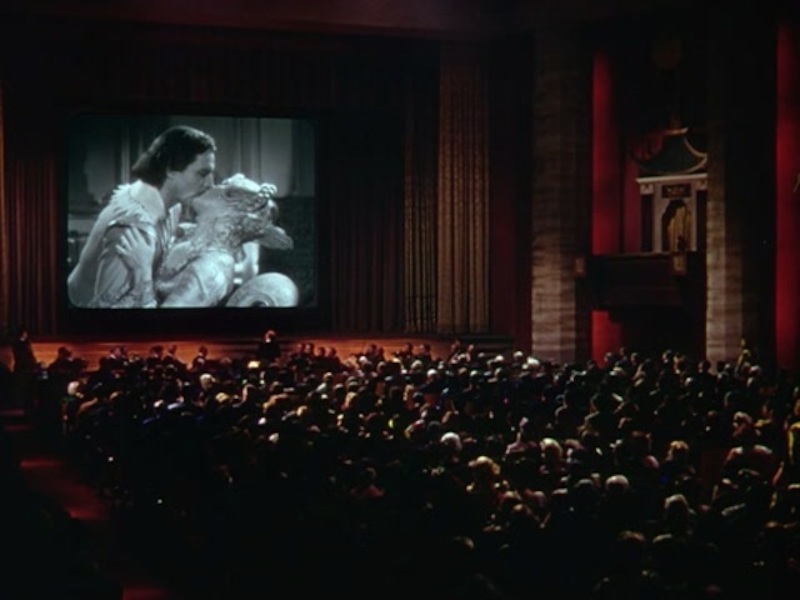
The technology isn’t limited to the discovery phase; the actual experience of watching a movie in a theatre has undergone a hardware revolution. The shift from 35mm film to digital cinema packages (DCP) was only the beginning. Today’s theatres are essentially massive specialized computer hubs.
Laser Projection and Dolby Atmos Integration
The current gold standard in theatrical tech is 4K Laser Projection. Unlike traditional xenon bulb projectors, laser systems provide a significantly higher contrast ratio and a wider color gamut, meeting the technical specifications of HDR (High Dynamic Range) content. Accompanying this is the evolution of spatial audio software, specifically Dolby Atmos. This technology treats sounds as “objects” that can be placed and moved in a three-dimensional space via sophisticated software processing, rather than being limited to traditional channels. The synchronization of these high-bitrate video and audio files requires high-end localized servers capable of processing terabytes of data with zero latency.
Digital Rights Management and Secure Delivery
One of the most critical, yet invisible, technologies in the theatre is Digital Rights Management (DRM). Movies are no longer shipped as physical reels; they are delivered as encrypted DCPs via satellite or high-speed fiber-optic networks. To play a movie, the theatre’s server must receive a KDM (Key Delivery Message)—a digital “key” that is time-locked to a specific projector and server. This level of digital security ensures that “what movies are in theatres” stay in theatres, preventing piracy and ensuring that the high-fidelity digital assets are protected through complex cryptographic protocols.
Mobile Loyalty and the Ecosystem of Subscriptions
In recent years, the theatre industry has adopted the “Software as a Service” (SaaS) model. Instead of one-off transactions, tech-forward cinema chains are focusing on ecosystem retention through subscription-based apps and digital loyalty programs.
Subscription Models and App Integration
Services like AMC Stubs A-List or Regal Unlimited represent a shift toward recurring revenue models powered by integrated software. These platforms require a sophisticated backend to manage millions of monthly billing cycles, fraud detection, and multi-tier membership benefits. The tech must seamlessly reconcile a “free” ticket for the subscriber with the financial payout required for the film studio, all within a fraction of a second at the point of sale. This creates a “closed-loop” ecosystem where the user is incentivized to stay within one brand’s digital environment.
Contactless Entry and the “Digital Ticket” Economy
The final piece of the modern theatrical tech puzzle is the transition to a fully contactless experience. Utilizing Near Field Communication (NFC) and QR code scanning, the physical ticket has been replaced by a dynamic digital asset. These digital tickets often include metadata that can trigger push notifications (such as “Your movie starts in 10 minutes”) or offer targeted mobile ordering for concessions. By integrating the “canteen” experience into the app, theatres use POS (Point of Sale) software to reduce wait times and use data analytics to manage inventory, ensuring that the physical operations are as streamlined as the digital ones.
The Future: Augmented Reality and the Immersive Lobby
As we look toward the future of theatrical technology, the boundaries between the physical and digital worlds are blurring. We are seeing the rise of “smart lobbies” where Augmented Reality (AR) allows moviegoers to interact with digital posters or view trailers simply by pointing their smartphones at a wall.
The technology of “what movies are in theatres” is no longer a static list. It is a dynamic, AI-powered, highly secure, and deeply immersive digital journey. From the moment an algorithm suggests a trailer on a mobile device to the moment a laser projector fires its first beam of light, the cinema is a testament to the power of modern software and hardware integration. As AI continues to evolve and data transfer speeds increase with 6G and beyond, the way we discover and consume theatrical content will only become more personalized, efficient, and technologically advanced. The theatre is no longer just a room with a screen; it is a high-tech node in a global digital network.
aViewFromTheCave is a participant in the Amazon Services LLC Associates Program, an affiliate advertising program designed to provide a means for sites to earn advertising fees by advertising and linking to Amazon.com. Amazon, the Amazon logo, AmazonSupply, and the AmazonSupply logo are trademarks of Amazon.com, Inc. or its affiliates. As an Amazon Associate we earn affiliate commissions from qualifying purchases.