
The allure of Bitcoin has shifted from a niche technological curiosity to a cornerstone of modern personal finance. For many, the volatility and high unit price of Bitcoin create a psychological barrier to entry. However, the digital asset ecosystem has evolved to provide numerous avenues for acquisition that do not require a direct bank transfer to an exchange. In the world of personal finance and side hustles, “stacking sats” (accumulating small fractions of Bitcoin known as Satoshis) has become a legitimate strategy for building long-term wealth.
Obtaining Bitcoin without a direct purchase involves trading time, computing power, or consumer loyalty for digital currency. This guide explores the most effective, professional methods to earn Bitcoin, treating it not as a “get rich quick” scheme, but as a strategic component of a diversified financial portfolio.
1. Leveraging the Gig Economy: Earning Bitcoin through Labor and Content
The most direct way to acquire Bitcoin without spending fiat currency is to treat it as a form of compensation for professional services. As the “Money” niche evolves, the distinction between traditional income and crypto-income is blurring.
Freelancing and Professional Services
For professionals in design, writing, programming, or marketing, the global nature of Bitcoin makes it an ideal payment rail. Platforms like LaborX, Crypto.jobs, and even traditional sites like Upwork (via third-party conversion) allow freelancers to invoice clients and receive payment in Bitcoin. This method is particularly effective for those looking to avoid the high fees associated with international bank transfers. By setting up a professional billing system that accepts BTC, you are essentially converting your “human capital” directly into a hard digital asset.
Micro-tasks and Faucets: The Entry-Level Approach
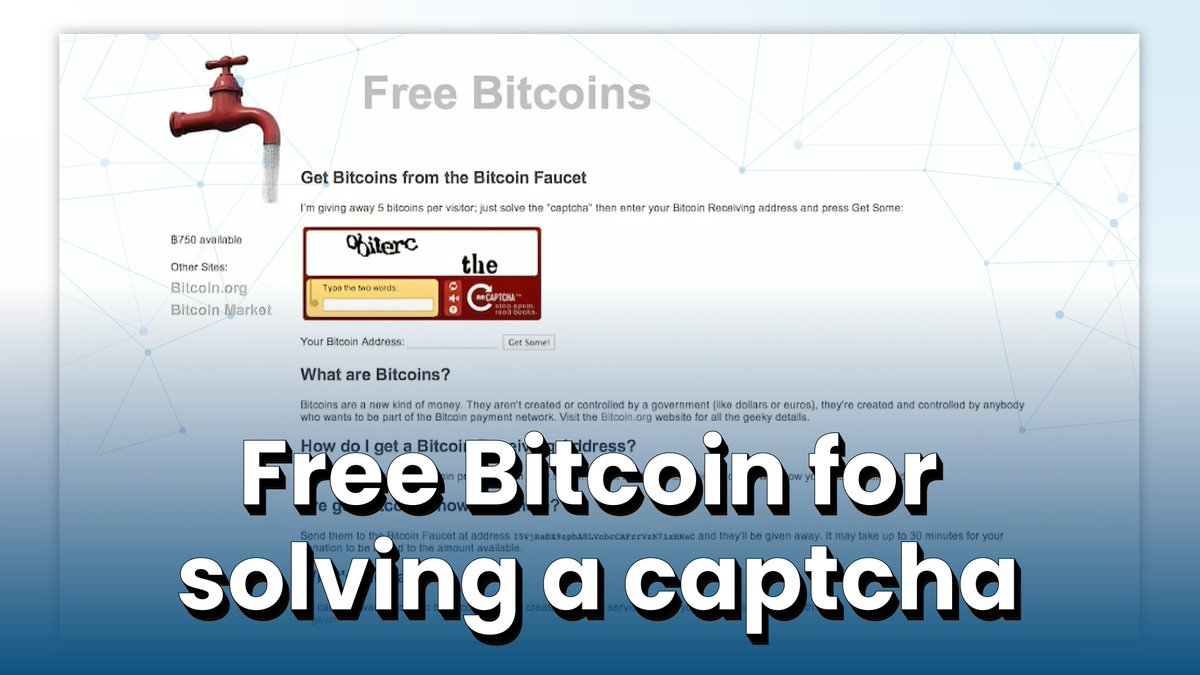
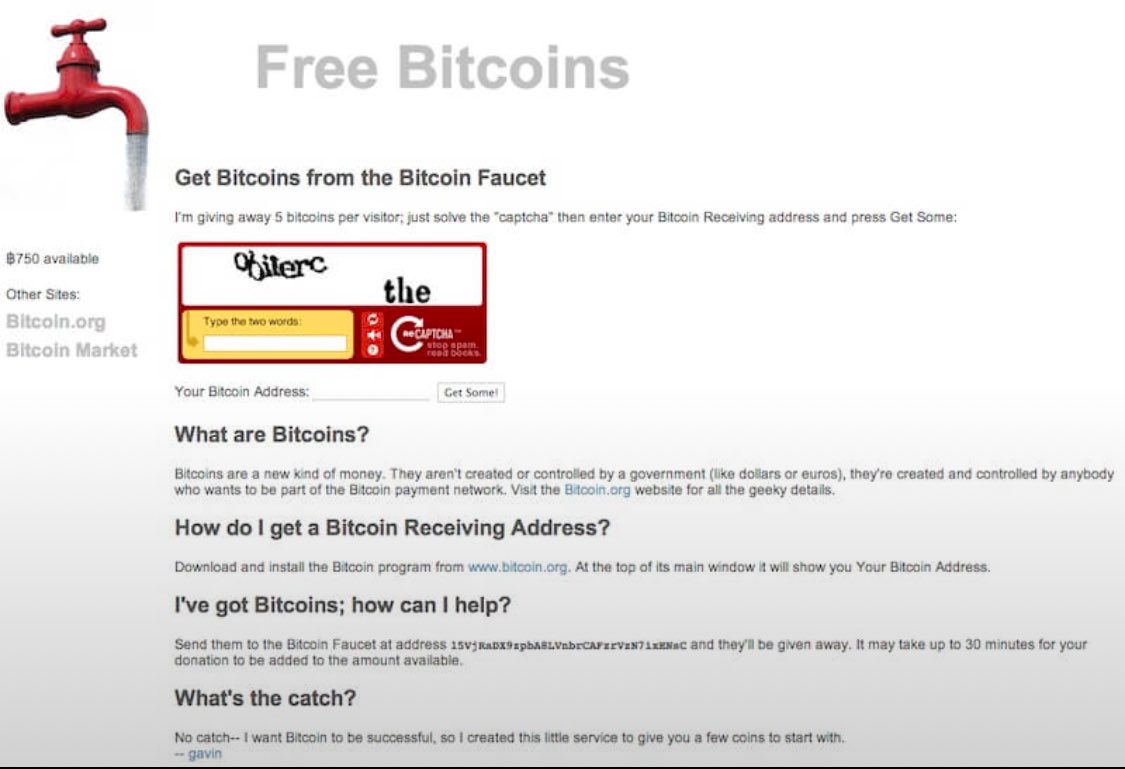
While less lucrative for high-earning professionals, micro-task platforms allow individuals to earn small amounts of Bitcoin by completing surveys, testing apps, or watching videos. While “Bitcoin Faucets”—websites that gave away whole coins in the early 2010s—have largely dwindled to microscopic payouts, modern iterations like Cointiply or FreeCash provide a low-barrier entry point. These should be viewed as a way to understand wallet mechanics rather than a primary income source, as the hourly rate is often significantly below minimum wage.
Value-for-Value Content Creation
The rise of the “Lightning Network” has revolutionized how content creators are compensated. Platforms like Stacker News (a Reddit-like forum for Bitcoiners) or Fountain (a podcasting app) utilize a “value-for-value” model. If you contribute insightful commentary or produce a high-quality podcast, users can send you “tips” in Satoshis instantly. This turns your intellectual property into a direct pipeline for Bitcoin accumulation, bypassing the advertising-heavy models of traditional social media.
2. Optimizing Everyday Spending: Rewards and Cash-Back Ecosystems
In personal finance, one of the most effective strategies is to optimize money you were already going to spend. This is known as “passive accumulation.” By replacing traditional credit cards or shopping habits with Bitcoin-centric alternatives, you can build a position in the asset through routine consumption.
Bitcoin Rewards Cards
Several financial institutions now offer debit and credit cards that provide “Sats-back” instead of traditional airline miles or cash-back points. Cards from providers like Fold, Gemini, or Venmo allow users to earn between 1% and 5% back on every purchase in Bitcoin. For a household with $3,000 in monthly expenses, earning 2% back in Bitcoin can result in a significant accumulation over several years, especially if the price of Bitcoin appreciates. This turns an ordinary liability (spending) into a long-term investment asset.
Shopping Portals and Browser Extensions
Similar to Rakuten or Honey, services like Lolli and Orange Pill have partnered with thousands of major retailers (including Nike, Booking.com, and Sephora). By activating these extensions before making an online purchase, a percentage of the transaction is rebated to the user in Bitcoin. This is particularly powerful for large “lumpy” expenses, such as booking international travel or purchasing home appliances, where a 5% Bitcoin rebate can equate to hundreds of dollars in digital asset value.
Play-to-Earn (P2E) and Incentivized Gaming
The gaming industry is increasingly integrating Bitcoin’s Lightning Network to reward players. Mobile games produced by companies like Zebedee or Viker allow players to earn small amounts of Bitcoin for completing levels or winning competitions. While these are rarely high-paying, they represent a shift in the “Money” landscape where leisure time can be monetized into a deflationary asset.

3. Passive Income Strategies: Staking, Lending, and Learning
For those who already hold some assets or have the patience to engage with educational platforms, the financial sector of the crypto world offers “yield” opportunities. These methods mirror traditional banking products like savings accounts or educational grants.
Learn-and-Earn Programs
Major exchanges like Coinbase and Revolut frequently run “Learn and Earn” campaigns. These programs incentivize users to watch short educational videos about blockchain technology and take a quiz. Upon completion, the user is rewarded with a small amount of a specific cryptocurrency, which can then be immediately swapped for Bitcoin. For a beginner, this is perhaps the most efficient way to get your first $20 to $50 worth of Bitcoin while simultaneously increasing your financial literacy.
Interest-Bearing Accounts and Staking (The Risk-Adjusted View)
Historically, users could deposit Bitcoin into centralized lending platforms to earn interest. However, following the market shifts of 2022, the “Money” niche has moved toward more transparent, decentralized, or “wrapped” versions of yield. While Bitcoin itself is a Proof-of-Work asset and cannot be “staked” in the traditional sense like Ethereum, users can participate in the Lightning Network by running a node and earning routing fees. Alternatively, some platforms offer yield through “Wrapped Bitcoin” (WBTC) on decentralized finance (DeFi) protocols, though this introduces smart contract risk that must be carefully managed.
Airdrops and Network Participation
While Bitcoin airdrops are rare (they usually occur during “hard forks” like the creation of Bitcoin Cash in 2017), participating in the broader crypto ecosystem can lead to “free” assets that are convertible to Bitcoin. Early adopters of new protocols or decentralized applications are often rewarded with governance tokens. A savvy financial strategist can claim these “airdropped” tokens and immediately sell them for Bitcoin, effectively using the broader market’s marketing budgets to fund their Bitcoin position.
4. The Financial Reality: Security, Taxes, and Risk Management
In any professional discussion about money, the focus must eventually turn to preservation and regulation. “Free” Bitcoin is never truly free if it is lost to a scam or if the tax liabilities outweigh the gains.
Identifying Scams and Guarding Private Keys
The “Money” niche is unfortunately rife with bad actors. A primary rule of personal finance in the digital age is: If it sounds too good to be true, it probably is. Common scams include “doubling” services (where you send BTC and are promised twice as much back) and fake cloud mining operations. Furthermore, once you earn Bitcoin through the methods mentioned above, it is imperative to move those assets to a “cold storage” hardware wallet. Earning Bitcoin is only half the battle; securing the private keys is the other half.
Navigating Tax Obligations
From a personal finance perspective, Bitcoin earned through labor or rewards is often treated as taxable income. In the United States, the IRS views earned Bitcoin as ordinary income based on its fair market value at the time of receipt. Similarly, if you earn Bitcoin through a rewards card, the tax treatment may vary (often seen as a post-purchase discount, but crypto laws are evolving). Maintaining meticulous records of when you “stacked” your Bitcoin and at what price is essential for avoiding legal complications during tax season.
The Opportunity Cost of Time
Finally, an insightful investor must consider the opportunity cost. If a “Bitcoin Faucet” pays $0.50 worth of BTC per hour, but your professional hourly rate is $50, you are effectively losing $49.50 of value. The most professional way to “get free Bitcoin” is to focus on high-value activities—like Bitcoin rewards cards for spending you already do, or professional freelancing—where the effort-to-reward ratio aligns with your overall financial goals.
Conclusion: Building a Bitcoin Position with Strategy
Acquiring Bitcoin does not always require a large upfront capital investment. By integrating Bitcoin accumulation into your professional life, your consumption habits, and your educational pursuits, you can build a significant position in the world’s premier digital asset over time.
Whether through “Sats-back” rewards, professional freelancing, or the evolving “Value-for-Value” economy, the opportunities to earn Bitcoin are expanding. However, the most successful individuals in the “Money” niche are those who treat these earned assets with the same discipline as a traditional 401(k) or stock portfolio: focusing on security, staying aware of tax implications, and prioritizing methods that offer the highest return on time invested. In the long run, “stacking sats” through these strategic channels can turn routine activities into a powerful engine for generational wealth.
aViewFromTheCave is a participant in the Amazon Services LLC Associates Program, an affiliate advertising program designed to provide a means for sites to earn advertising fees by advertising and linking to Amazon.com. Amazon, the Amazon logo, AmazonSupply, and the AmazonSupply logo are trademarks of Amazon.com, Inc. or its affiliates. As an Amazon Associate we earn affiliate commissions from qualifying purchases.