
When people ask, “What is Bitcoin’s price?” they are usually looking for a specific dollar amount displayed on a glowing ticker. However, in the world of finance and investing, the “price” of Bitcoin is a multifaceted concept that represents more than just a numerical value. It is a real-time reflection of global sentiment, technological adoption, and a radical shift in how humanity perceives the concept of money. Unlike traditional fiat currencies backed by governments or stocks backed by corporate earnings, Bitcoin’s price is determined by a pure, decentralized market mechanism.
To understand Bitcoin’s price, one must look beyond the daily fluctuations and explore the underlying economic principles that drive this digital asset. As it cements its place in the “Money” category of modern portfolios, the quest to define its value becomes an essential skill for any serious investor or financial enthusiast.
The Mechanics of Bitcoin Pricing: How Value is Established
Unlike a traditional bank account or a national currency, there is no central authority that sets the “official” price of Bitcoin. Instead, the price is established through a complex web of global exchanges where millions of buyers and sellers interact every second.
Supply and Demand Dynamics
At its core, Bitcoin’s price is a product of supply and demand. However, unlike the US Dollar, which can be printed in varying quantities by the Federal Reserve, Bitcoin has a mathematically fixed supply. There will only ever be 21 million Bitcoins in existence. This absolute scarcity is a fundamental pillar of its valuation.
When demand increases—whether due to institutional interest, inflationary fears in traditional markets, or technological breakthroughs—the fixed supply cannot expand to meet that demand. Consequently, the price must move upward to clear the market. Conversely, if demand wanes or a large number of holders decide to sell simultaneously, the price drops. This inelastic supply makes Bitcoin’s price highly sensitive to shifts in market sentiment.
Exchange Liquidity and Global Disparity
Because Bitcoin trades on hundreds of different platforms (such as Coinbase, Binance, or Kraken) across various jurisdictions, the price can actually vary slightly depending on where you look. This is known as “price discovery.” Each exchange has its own order book—a list of buy and sell orders.
If a massive “whale” (an investor with a large amount of capital) sells a significant portion of Bitcoin on one specific exchange, the price on that platform may temporarily dip lower than on others. Arbitrageurs—traders who seek to profit from price differences—quickly buy Bitcoin on the cheaper exchange and sell it on the more expensive one, effectively “smoothing out” the price across the global market. Therefore, the “global price” of Bitcoin is essentially a weighted average of the prices across the highest-volume exchanges.
Key Drivers of Bitcoin’s Market Volatility
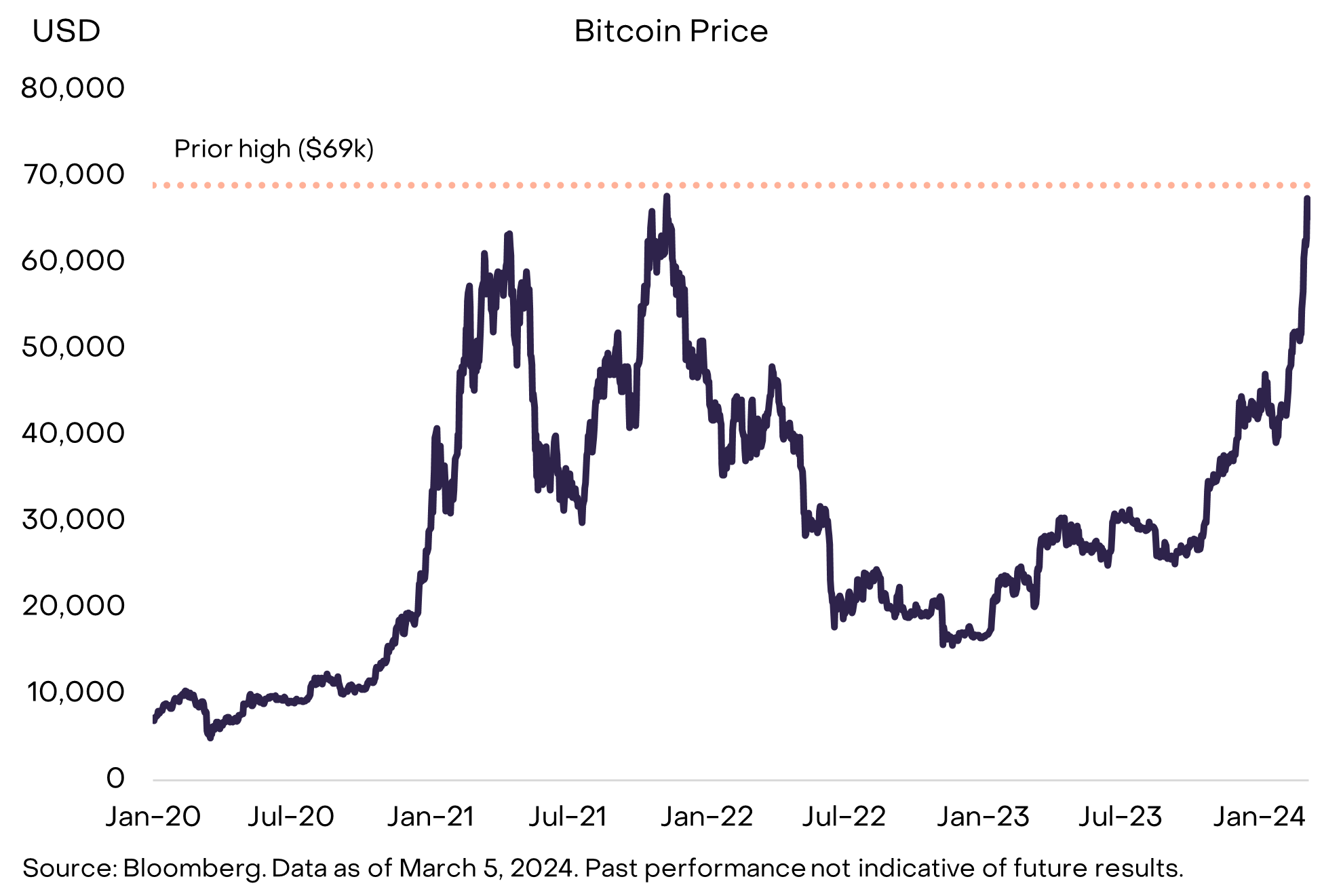
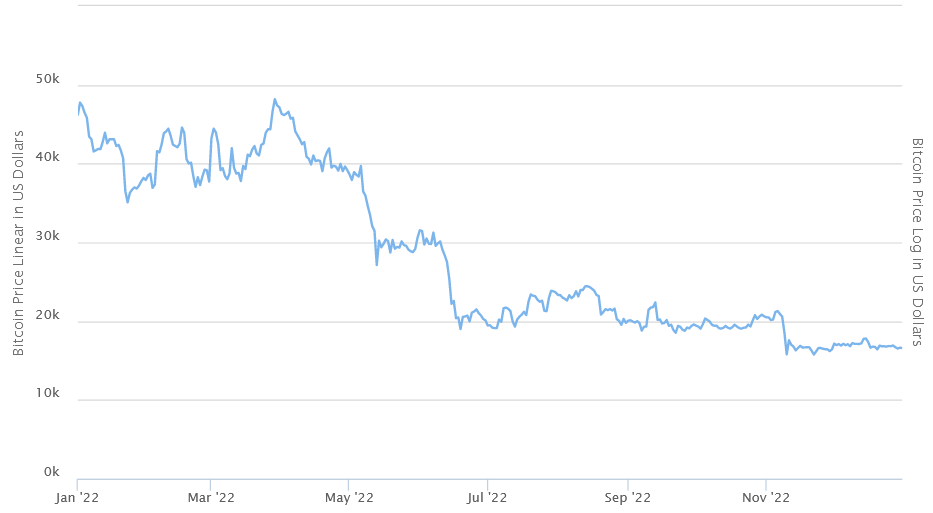
For many investors, the most striking feature of Bitcoin’s price is its volatility. While traditional assets like gold or blue-chip stocks might move 1% or 2% in a day, Bitcoin is known for double-digit swings. Understanding the catalysts behind these movements is crucial for navigating the “Money” niche.
Institutional Adoption and Macroeconomic Trends
In the early days, Bitcoin’s price was driven primarily by retail speculators and tech enthusiasts. Today, the landscape has shifted toward institutional finance. Large corporations, hedge funds, and even some sovereign nations now hold Bitcoin on their balance sheets.
When a major financial institution announces it is integrating Bitcoin into its services, the price often reacts positively. Furthermore, Bitcoin has become increasingly sensitive to macroeconomic indicators. When the Federal Reserve adjusts interest rates or when inflation data (CPI) is released, Bitcoin’s price often moves in tandem with other “risk-on” assets. Investors increasingly view Bitcoin as a hedge against the debasement of fiat currency, meaning its price often rises when confidence in traditional monetary systems falters.
Regulatory Announcements and Geopolitical Shifts
Regulatory clarity—or the lack thereof—is a primary driver of price action. When a major economy like the United States or the European Union announces new frameworks for digital assets, the market reacts. Positive regulation provides a sense of security for big investors, driving prices up. Negative news, such as talk of bans or restrictive tax policies, can trigger “FUD” (Fear, Uncertainty, and Doubt), leading to rapid sell-offs.
Geopolitical events also play a role. In regions experiencing hyperinflation or political instability, Bitcoin often trades at a premium. In these contexts, Bitcoin’s price represents a “flight to safety” outside of a failing local banking system.
The Impact of the “Halving” Cycle
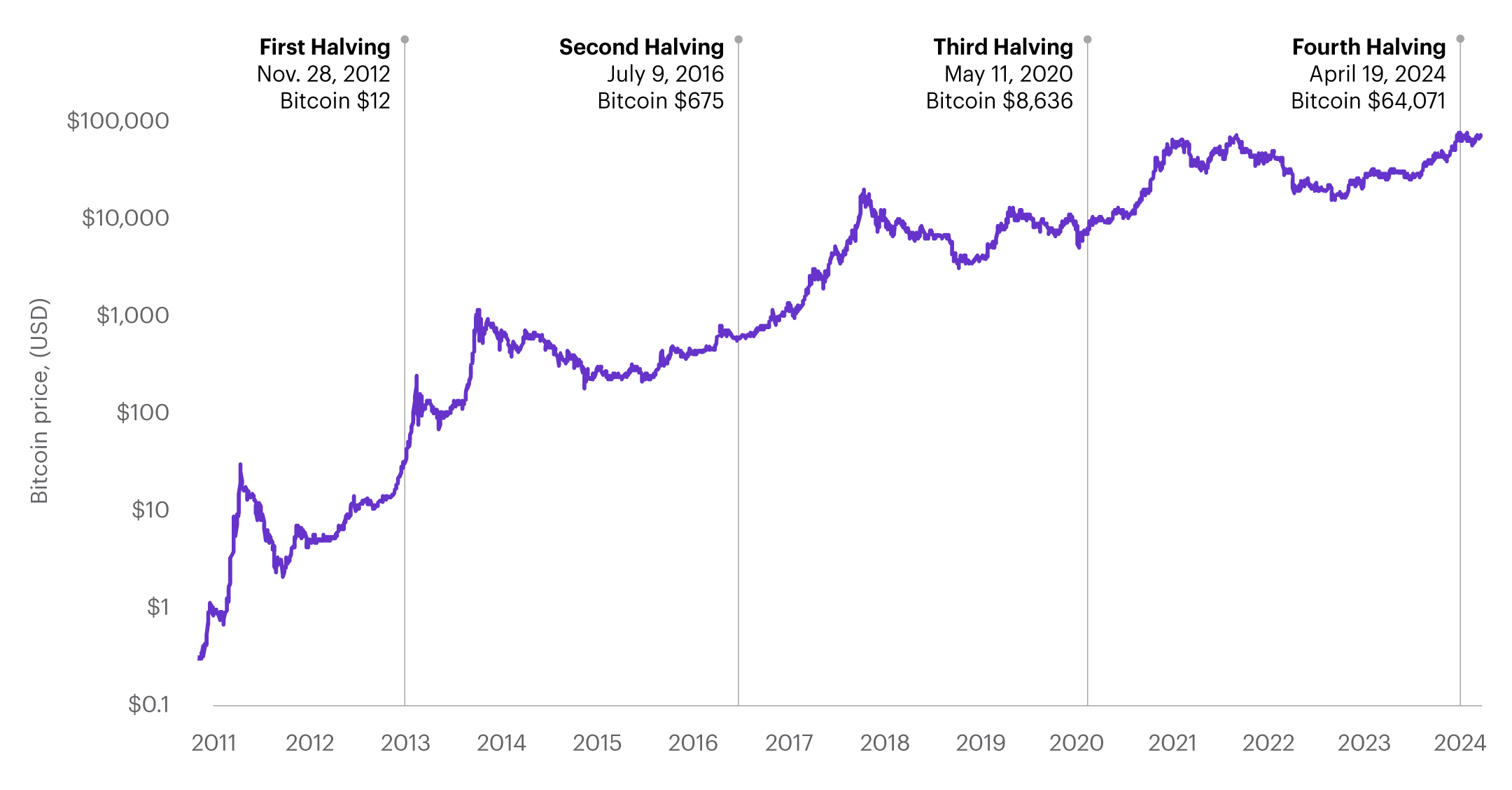
One of the most unique aspects of Bitcoin’s economic model is the “Halving.” Approximately every four years, the reward given to Bitcoin miners for securing the network is cut in half. This reduces the rate at which new Bitcoins enter circulation.
Historically, the Halving has been a major precursor to massive price rallies. By tightening the new supply while demand typically stays constant or grows, the Halving creates a supply shock. Long-term investors often use these four-year cycles as a roadmap for timing their entries and exits in the market.
Evaluating Bitcoin as a Financial Asset
When discussing “what is Bitcoin’s price,” we must also address what that price represents in a modern investment portfolio. Is it a currency, a commodity, or something entirely new?
Store of Value vs. Speculative Asset
The financial world remains divided on Bitcoin’s primary role. Many proponents call it “Digital Gold.” Like physical gold, Bitcoin is scarce, durable, and difficult to produce. From this perspective, its price is a measure of its success as a long-term store of value. Investors who hold this view are less concerned with daily price volatility and more focused on the multi-year trajectory.
On the other hand, critics often view Bitcoin’s price as purely speculative, driven by the “greater fool theory.” To them, the price is a bubble waiting to burst. However, as Bitcoin survives each market cycle and reaches new all-time highs, the “speculative” argument has slowly given way to a broader acceptance of Bitcoin as a legitimate alternative asset class.
Portfolio Diversification and Risk Management
In the context of personal finance and investing, the price of Bitcoin is a tool for diversification. Because Bitcoin often (though not always) moves independently of the traditional bond and stock markets, adding a small percentage of Bitcoin to a portfolio can potentially increase the overall Sharpe ratio—a measure of risk-adjusted return.
However, because of the price volatility mentioned earlier, risk management is paramount. Financial advisors often suggest that investors only allocate what they can afford to lose. The “price” an investor pays is less important than their “time in the market,” as the historical data suggests that long-term holders have fared significantly better than those trying to day-trade the price swings.
The Future Outlook: What Influences Long-Term Valuation?
As we look toward the future, the question of Bitcoin’s price moves away from “what is it today?” to “what could it be tomorrow?” Several factors will determine whether Bitcoin continues its upward ascent or stabilizes into a lower-volatility asset.
Technological Integration and Layer 2 Solutions
While the base layer of Bitcoin is often viewed as a settlement network (similar to how gold bars move between central banks), new technologies like the Lightning Network are allowing Bitcoin to be used for small, instant transactions. As the utility of Bitcoin grows, its value proposition expands. If Bitcoin becomes a global payment rail, its price will likely reflect that increased utility. Increased usage usually leads to increased demand, which, given the fixed supply, exerts upward pressure on the price.
The Shift Toward Mainstream Financial Products (ETFs)
The approval of Spot Bitcoin Exchange-Traded Funds (ETFs) in major markets marks a turning point for Bitcoin’s price. These products allow traditional investors to gain exposure to Bitcoin’s price movements through their standard brokerage accounts without the need to manage private keys or use specialized exchanges.
The influx of capital from pension funds, 401(k)s, and large-scale wealth managers provides a new level of “sticky” liquidity. This institutionalization of the asset may lead to a gradual reduction in volatility over time. As more of the circulating supply is locked away in long-term investment vehicles, the available supply on exchanges shrinks, potentially creating a higher floor for the price.
In conclusion, “what is Bitcoin’s price” is not a static answer. It is a living, breathing metric that balances the innovations of cryptography with the timeless laws of economics. For the modern investor, understanding the price means understanding the confluence of scarcity, psychology, and global finance. Whether viewed as a speculative tool or a digital revolution, Bitcoin’s price remains the most watched and debated number in the world of modern money.
aViewFromTheCave is a participant in the Amazon Services LLC Associates Program, an affiliate advertising program designed to provide a means for sites to earn advertising fees by advertising and linking to Amazon.com. Amazon, the Amazon logo, AmazonSupply, and the AmazonSupply logo are trademarks of Amazon.com, Inc. or its affiliates. As an Amazon Associate we earn affiliate commissions from qualifying purchases.