
The landscape of decentralized finance and blockchain technology is often dominated by the narratives of Proof of Work (PoW) and Proof of Stake (PoS). However, one of the oldest and most resilient pieces of infrastructure in the space operates on a fundamentally different technological premise. The XRP Ledger (XRPL) is a decentralized, public blockchain that has focused on speed, scalability, and sustainability since its inception in 2012.
To understand what “XRPL crypto” is, one must look beyond the digital asset (XRP) and examine the underlying protocol—a sophisticated distributed ledger designed to facilitate the seamless transfer of value without the high latency or environmental costs associated with traditional mining-based networks.
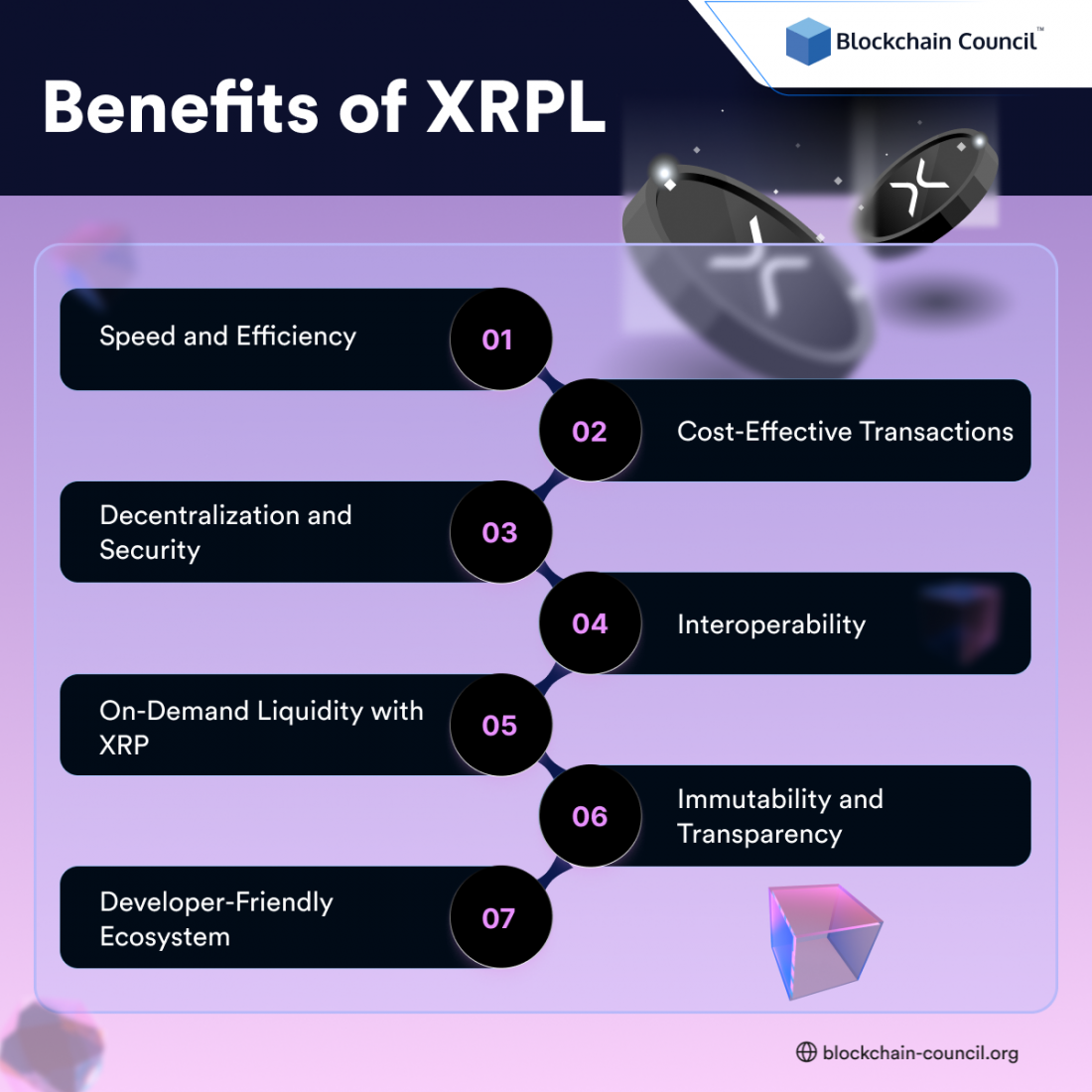
The Architecture of the XRP Ledger
The XRPL does not rely on the energy-intensive mining process found in Bitcoin, nor does it utilize the traditional staking mechanisms found in Ethereum 2.0. Instead, it employs a unique consensus algorithm known as the XRP Ledger Consensus Protocol.
Federated Consensus vs. Proof of Work
In a Proof of Work system, security is derived from computational “work.” In contrast, the XRPL utilizes a Federated Consensus mechanism. In this model, the network reaches an agreement through a series of “rounds.” A set of specialized nodes, known as validators, propose a set of transactions to be included in the next ledger version. The network reaches a consensus when a supermajority of these validators agree on the set of transactions and their specific order. This process happens approximately every 3 to 5 seconds, making the XRPL one of the fastest settlement layers in the technology sector.
The Role of Unique Node Lists (UNLs)
The backbone of XRPL’s security is the Unique Node List (UNL). A UNL is a list of validators that a specific participant trusts not to collude against them. While anyone can run a validator, the network functions by having nodes listen to a subset of trusted validators. By decentralizing the selection of these lists across different entities—including universities, financial institutions, and independent developers—the XRPL achieves a “Byzantine Fault Tolerant” environment. This ensures that even if some nodes act maliciously or go offline, the integrity of the ledger remains intact.
Transaction Lifecycle and Throughput
The technical efficiency of the XRPL is reflected in its throughput. While Bitcoin handles roughly 5 to 7 transactions per second (TPS) and Ethereum averages around 15–30 TPS (prior to L2 scaling), the XRPL is capable of handling 1,500 TPS natively. Every transaction follows a rigorous lifecycle: it is broadcasted, validated by the consensus protocol, and permanently written to the ledger. This speed is not achieved through centralization but through the optimization of the state machine and the elimination of the “block time” bottleneck inherent in mining.
Core Technical Features and Native Functionality
Unlike many blockchains that require layer-2 solutions or complex smart contracts to perform basic financial operations, the XRPL was built with “batteries included.” Many of its most powerful features are native to the protocol’s core code.
The Decentralized Exchange (DEX)
One of the XRPL’s most significant technological milestones is its native Decentralized Exchange (DEX). Integrated directly into the ledger protocol at the base layer, the XRPL DEX allows for the trading of XRP and “Issued Currencies” (tokens) without an intermediary. This is not a dApp built on top of the chain; it is a fundamental part of the ledger’s logic. The DEX uses an order-book model, allowing users to place limit orders and cross-currency payments with high precision.
Issued Currencies and Trust Lines
The XRPL uses a unique technical construct known as “Trust Lines” to facilitate the issuance of digital assets. In the XRPL ecosystem, any account can issue a currency (a “gateway”). However, to prevent spam and protect users, another account must explicitly “trust” that issuer for a specific amount of that currency before they can receive it. This programmatic requirement ensures that the ledger remains organized and that users have granular control over which assets they interact with, providing a layer of digital security missing in many “permissionless” token standards.
Automated Market Makers (AMM)
Recent technical amendments to the XRPL, specifically XLS-30, have introduced a native Automated Market Maker (AMM) protocol. While AMMs became famous through platforms like Uniswap, the XRPL’s implementation is integrated at the protocol level. This allows for continuous liquidity provision and trading, working in tandem with the existing order-book DEX. Technically, this “CLOB-AMM” (Central Limit Order Book and Automated Market Maker) hybrid provides a more efficient price discovery mechanism and deeper liquidity than isolated decentralized applications.
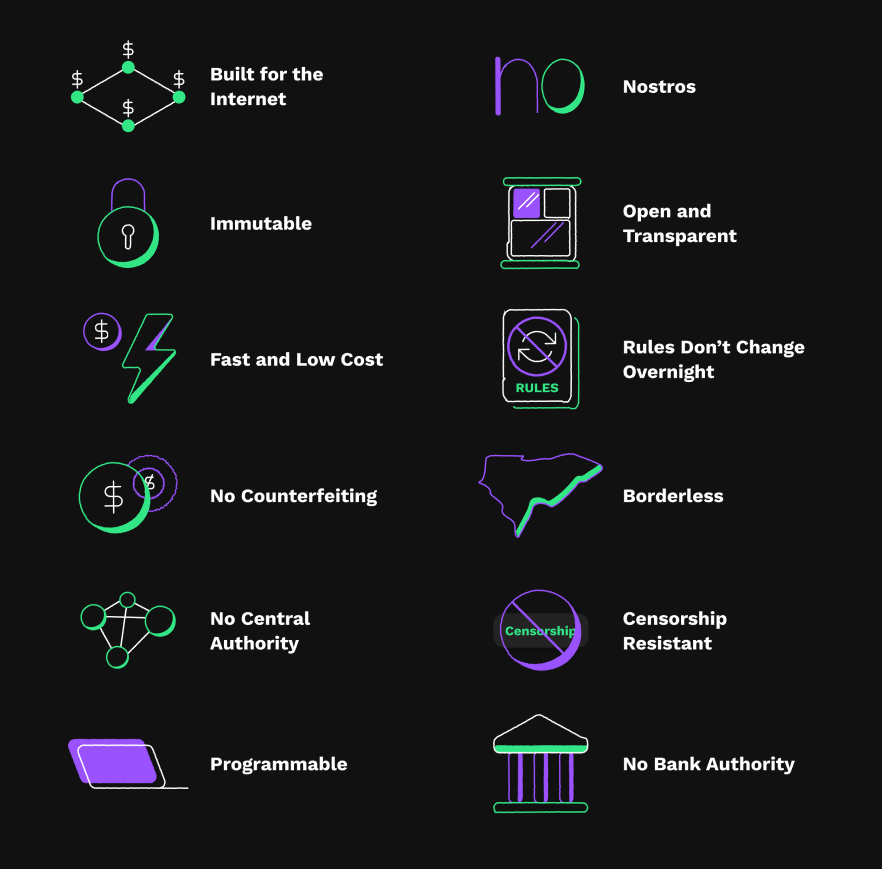
Smart Contracts and Programmability on XRPL
For years, the XRPL was categorized primarily as a “payments” chain. However, recent technological evolutions have transformed it into a more versatile platform for developers, introducing programmability while maintaining the ledger’s signature performance.
Understanding Hooks
“Hooks” represent the XRPL’s approach to smart contracts. Unlike the Ethereum Virtual Machine (EVM), which executes complex scripts for every transaction, Hooks are small, efficient pieces of code that trigger “logic” before or after a transaction is processed. For example, a Hook could be programmed to automatically reject any transaction over a certain amount unless it originates from a multi-signature wallet. This design choice prioritizes performance and security, preventing the network congestion often seen in “heavy” smart contract platforms.
The EVM Sidechain Integration
To attract the wider developer community, the XRPL ecosystem is expanding through the use of sidechains. A prominent technical development is the XRPL EVM Sidechain. This allows developers to write and deploy Solidity-based smart contracts—the industry standard—while using the XRPL as the settlement layer. This dual-layer approach provides the best of both worlds: the massive ecosystem of Ethereum tools and the high-speed, low-cost settlement of the XRP Ledger.
XLS-20 and the NFT Standard
In 2022, the XRPL introduced the XLS-20 standard, bringing native Non-Fungible Tokens (NFTs) to the platform. Technically, XLS-20 is superior to many other NFT standards because it does not require a smart contract to mint or transfer an NFT. By making NFTs native objects on the ledger, the XRPL reduces the risk of contract-based vulnerabilities and lowers the minting cost to a fraction of a cent. This technical efficiency makes the XRPL an ideal stack for high-volume NFT use cases like gaming assets or carbon credits.
Security, Scalability, and Sustainability
In the modern tech landscape, the value of a blockchain is often measured by its resilience against attacks and its environmental footprint. The XRPL was engineered to excel in both departments.
Mitigation of Spam and Double-Spending
The XRPL utilizes a “Transaction Cost” (burn) mechanism to prevent DDoS attacks. Every transaction costs a tiny amount of XRP (the “fee”), which is not paid to a validator but is instead permanently destroyed (burned). During times of high network load, this cost automatically increases, making it prohibitively expensive for an attacker to spam the network with millions of transactions. Furthermore, the consensus protocol’s strict ordering of transactions ensures that double-spending is mathematically impossible within the ledger’s state.
Carbon Neutrality and Energy Efficiency
From a hardware perspective, the XRPL is one of the most sustainable blockchains in existence. Because there is no “mining” (competitive computation), the energy required to run a validator is negligible—comparable to running a standard web server. As digital security and corporate social responsibility become increasingly intertwined, the XRPL’s low-energy footprint provides a significant technological advantage over PoW-based systems.
Future-Proofing via Amendments
The XRPL is a living protocol, but it does not require “hard forks” to upgrade. It uses a sophisticated “Amendment” system. For a new feature (like the AMM or Hooks) to be enabled, it must receive 80% support from the validator network for a continuous two-week period. If the threshold is met, the feature is automatically activated. This democratic, transparent, and non-disruptive upgrade path ensures that the XRPL can evolve with the latest advancements in cryptography and software engineering without fracturing the network.

Conclusion: The Evolution of a Foundational Tech Stack
What is XRPL crypto? It is more than just a digital currency; it is a specialized, high-performance distributed database designed for the internet of value. By prioritizing a federated consensus model over resource-heavy mining, the XRP Ledger has established itself as a fast, green, and highly scalable alternative to traditional blockchains.
From its native DEX and sophisticated trust line system to the modern implementation of Hooks and EVM compatibility, the XRPL offers a robust technical foundation for the next generation of digital finance and decentralized applications. As the industry moves toward interoperability and institutional adoption, the XRPL’s focus on protocol-level efficiency and security positions it as a critical piece of global technological infrastructure.
aViewFromTheCave is a participant in the Amazon Services LLC Associates Program, an affiliate advertising program designed to provide a means for sites to earn advertising fees by advertising and linking to Amazon.com. Amazon, the Amazon logo, AmazonSupply, and the AmazonSupply logo are trademarks of Amazon.com, Inc. or its affiliates. As an Amazon Associate we earn affiliate commissions from qualifying purchases.