
Wells Fargo & Company stands as one of the “Big Four” banks in the United States, alongside JPMorgan Chase, Bank of America, and Citigroup. With nearly $1.9 trillion in assets and a history stretching back to the Gold Rush era of 1852, the question of “who owns” such a massive financial institution is central to understanding the American economy. Unlike a private family business or a government-held entity, Wells Fargo is a publicly traded corporation. This means its ownership is distributed among thousands of individual and institutional investors through shares of common stock traded on the New York Stock Exchange under the ticker symbol WFC.
For the modern investor or personal finance enthusiast, understanding the ownership structure of a systemic bank like Wells Fargo is more than an academic exercise. It reveals the power dynamics of global capital, the influence of massive index funds, and the shifting strategies of legendary investors.
1. The Power of Institutional Investors: The Primary Owners
Because Wells Fargo is a public company, it does not have a single “owner” in the traditional sense. Instead, it is owned by anyone who holds its stock. However, when we look at the breakdown of share distribution, a clear pattern emerges: the vast majority of Wells Fargo is owned by institutional investors. These are large organizations—such as mutual funds, pension funds, and insurance companies—that trade securities in quantities great enough to qualify for preferential treatment.
The Dominance of the “Big Three” Asset Managers
The most significant owners of Wells Fargo are the giants of the asset management world: Vanguard, BlackRock, and State Street. These firms do not necessarily “own” the bank for their own corporate benefit; rather, they hold the shares on behalf of millions of individual investors who buy into their exchange-traded funds (ETFs) and mutual funds.
As of the most recent SEC filings, The Vanguard Group typically holds the largest stake, often hovering around 8% to 9% of total outstanding shares. Following closely is BlackRock, the world’s largest asset manager, and State Street Corporation. Collectively, these three firms often control more than 20% of the bank’s voting power. This concentration of ownership means these firms have a significant say in corporate governance, including the election of board members and the approval of executive compensation packages.
Mutual Funds and Pension Holdings
Beyond the “Big Three,” ownership is further distributed among thousands of other institutional entities. Fidelity (FMR LLC) and Geode Capital Management also hold substantial positions. Furthermore, many state pension funds—such as those for teachers and firefighters—invest heavily in Wells Fargo to provide stable returns for retirees. This creates a cycle where the bank’s performance directly impacts the retirement security of millions of Americans, reinforcing the bank’s “too big to fail” status within the financial ecosystem.
2. The Post-Buffett Era: A Shift in Ownership Strategy
To understand who owns Wells Fargo today, one must acknowledge who used to own it. For over three decades, the face of Wells Fargo ownership was Warren Buffett and his conglomerate, Berkshire Hathaway. Buffett’s long-standing endorsement of the bank provided it with an “aura of safety” that lasted until the late 2010s.
The Berkshire Hathaway Exit
At its peak, Berkshire Hathaway owned nearly 10% of Wells Fargo, making it the bank’s largest and most influential shareholder. Buffett famously praised the bank’s “cross-selling” model and its conservative management. However, following the 2016 retail banking sales practices scandal and subsequent regulatory “asset caps” imposed by the Federal Reserve, Berkshire began a systematic exit.
By 2022, Berkshire Hathaway had completely liquidated its position in Wells Fargo. This marked a monumental shift in the bank’s ownership profile. The exit of a “permanent” shareholder like Buffett meant that the bank’s ownership became more fragmented and shifted toward passive index-tracking funds rather than active, concentrated value investors. For the individual investor, this signifies that the bank is now judged more strictly on its quarterly metrics and regulatory compliance than on the personal backing of a legendary financier.
Why Institutional Ownership Matters for Financial Stability
The transition from concentrated private ownership to broad institutional ownership has pros and cons. On one hand, it ensures that no single individual can dictate the bank’s path. On the other hand, the dominance of index funds means that the owners are “passive.” They hold the stock because it is part of the S&P 500, not necessarily because they believe in the specific management team. This puts more pressure on the Board of Directors to maintain high standards of corporate identity and marketing to keep the stock attractive to the remaining active institutional managers.
3. Corporate Governance: Who Controls the Owner’s Interest?
While the shareholders own the bank, they do not run it. In the world of business finance, there is a sharp distinction between ownership and control. The owners (shareholders) elect a Board of Directors, who then appoint the executive leadership team.
The Role of the Board of Directors
The Board of Directors acts as the fiduciary representative of the shareholders. Their job is to ensure that the management team, led by the CEO, is acting in the best interest of those who own the stock. Currently, the board is composed of experts in finance, technology, and regulatory law. They are tasked with navigating the bank through the “consent orders” and legal hurdles that have plagued the institution since 2016. In essence, while Vanguard and BlackRock provide the capital, the Board provides the oversight.
Executive Leadership and the CEO
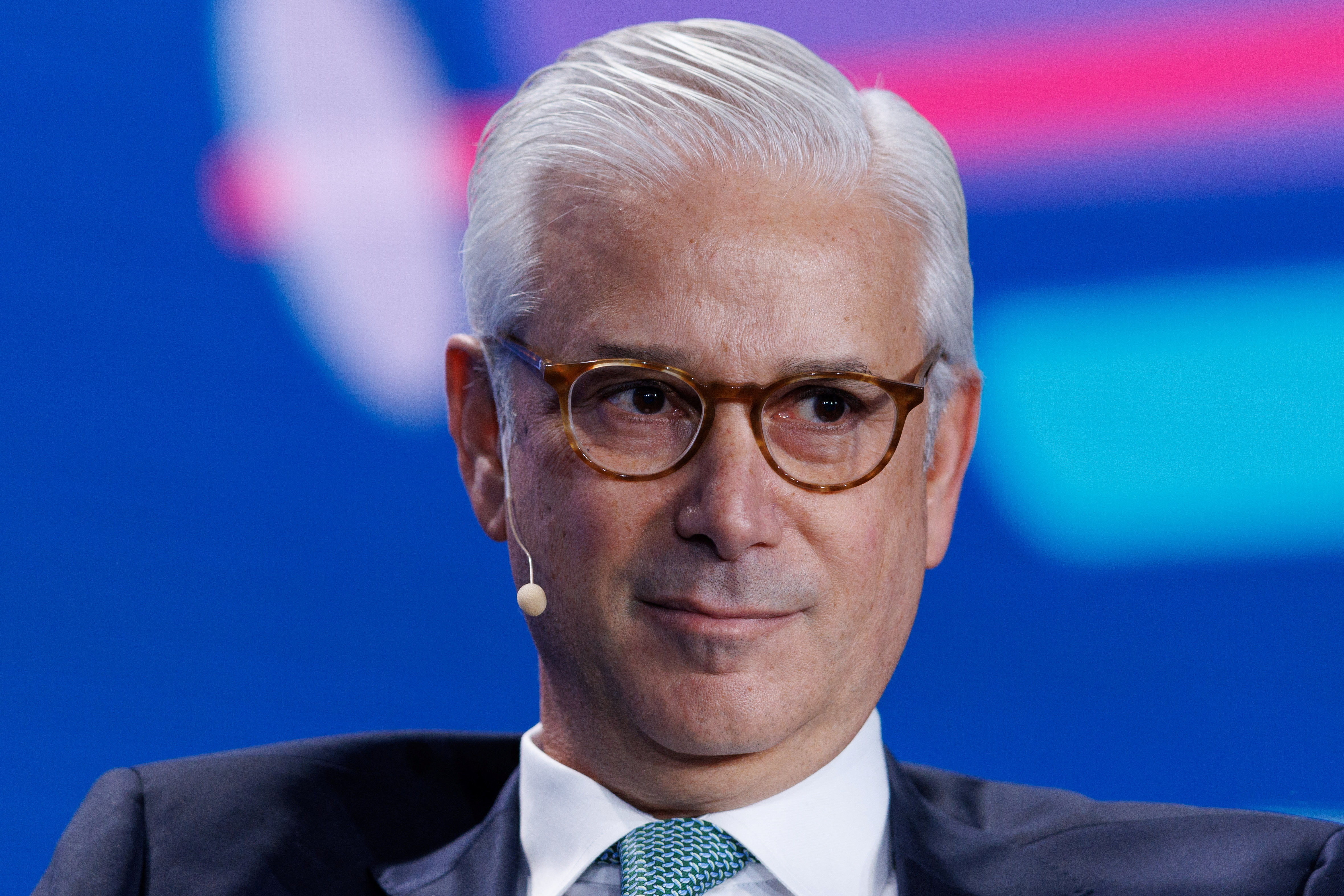
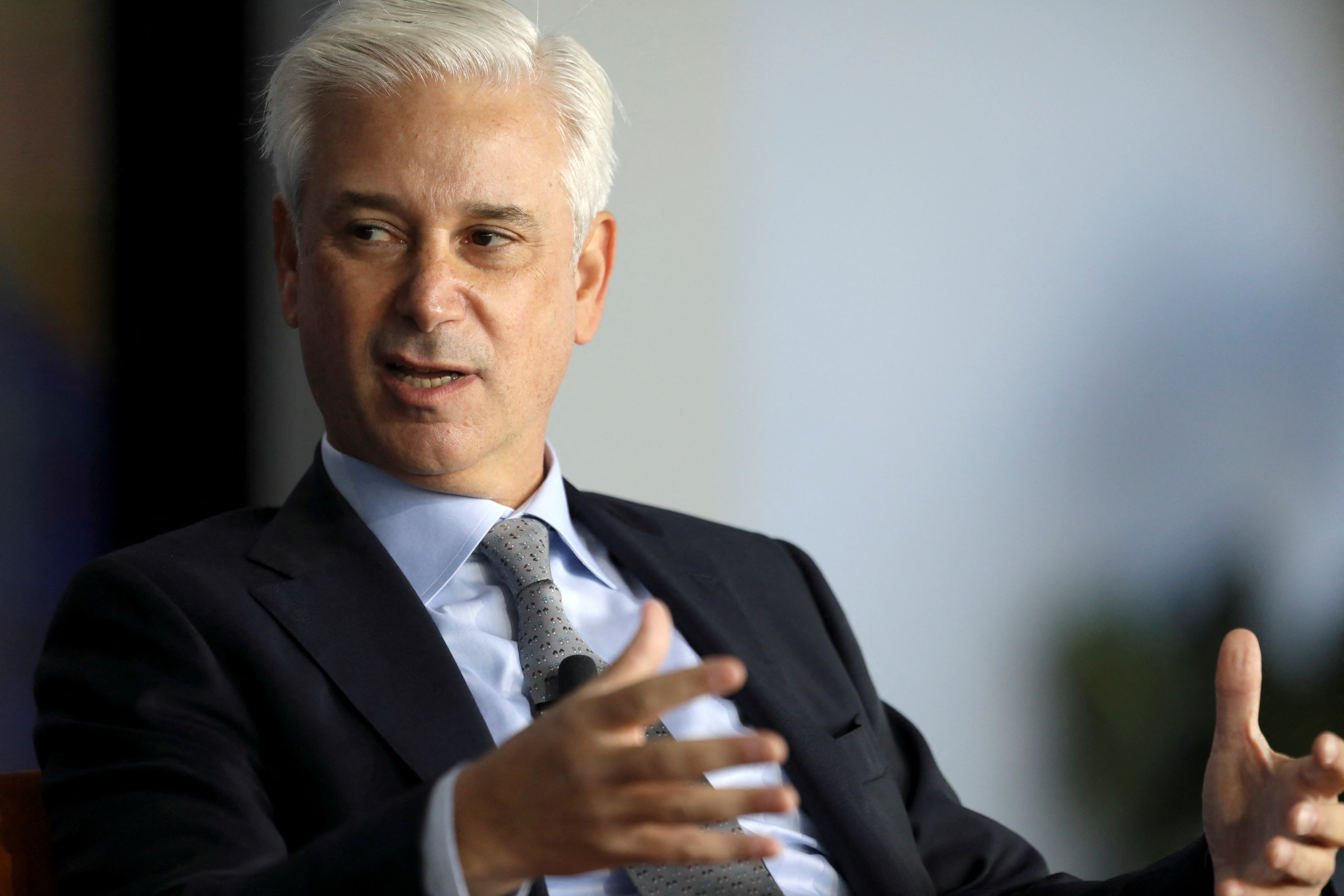
The most visible face of Wells Fargo is its CEO, Charlie Scharf. Scharf, who took the helm in 2019, was brought in specifically to appease shareholders and regulators alike. From a money and investment perspective, the CEO’s primary goal is “shareholder value.” This is achieved through stock buybacks, dividend payments, and increasing the bank’s net interest income (NII). Even though the CEO may own millions of dollars in stock, they are technically an employee of the shareholders.
The Difference Between Owners and Customers
It is a common misconception in personal finance that having a bank account at Wells Fargo gives you a say in how it is run. Being a “customer” is a contractual relationship where you lend the bank your money in exchange for services and interest. Being an “owner” (shareholder) is an equity relationship where you take on the risk of the bank’s failure in exchange for a share of its profits. For many, the ultimate financial strategy is to be both: using the bank for its tools while owning the stock for its dividends.
4. Investing in Wells Fargo: How You Can Become an Owner
For the individual interested in wealth building or side hustles, “owning” Wells Fargo is as simple as opening a brokerage account. In the modern financial landscape, fractional shares and zero-commission trading have democratized ownership of the world’s largest banks.
WFC as a Dividend Asset
Many investors look at Wells Fargo specifically for its dividend yield. Banks are often seen as “cash cows” that return a portion of their profits to shareholders every quarter. For someone looking to build a passive income stream, owning shares of a Big Four bank can be a cornerstone of a personal finance portfolio. When you receive a dividend check from Wells Fargo, you are literally receiving your share of the profits generated from every mortgage, credit card fee, and business loan the bank processed that quarter.
Risk Management and the “Asset Cap”
Prospective owners must also understand the risks. Currently, Wells Fargo operates under a unique constraint: an asset cap imposed by the Federal Reserve. This prevents the bank from growing its balance sheet beyond approximately $1.95 trillion until it proves it has fixed its internal oversight issues. For an owner, this means the bank cannot grow as quickly as JPMorgan or Bank of America. Investing in the bank is essentially a “turnaround play”—a bet that the bank will eventually satisfy regulators, the cap will be lifted, and the stock price will appreciate.
The Role of Wells Fargo in a Diversified Portfolio
Most Americans already own a piece of Wells Fargo without realizing it. If you have a 401(k) or an IRA that invests in a “Total Stock Market Index” or an “S&P 500 Fund,” you are a partial owner of Wells Fargo. From a business finance perspective, this is the most efficient way to own the bank, as it spreads the risk across the entire financial sector rather than putting all your eggs in one basket.

Conclusion: A Multi-Layered Ownership Model
So, who owns Wells Fargo? The answer is a complex web of global finance. It is owned by institutional giants like Vanguard and BlackRock, who hold the keys to the voting booth. It is owned by millions of retail investors who seek dividends and long-term growth. And indirectly, it is owned by pensioners and 401(k) holders who rely on its stability for their future.
While the ghost of Warren Buffett’s ownership still lingers in the bank’s history, the modern Wells Fargo is a textbook example of a widely held public corporation. It is an institution owned by the public, managed by professionals, and regulated by the government. For the savvy individual, understanding this ownership structure is the first step in moving from being just a customer of the financial system to being a master of it. By understanding who owns the bank, you gain a clearer picture of where the money flows and how you can position yourself to capture a portion of those global financial currents.
aViewFromTheCave is a participant in the Amazon Services LLC Associates Program, an affiliate advertising program designed to provide a means for sites to earn advertising fees by advertising and linking to Amazon.com. Amazon, the Amazon logo, AmazonSupply, and the AmazonSupply logo are trademarks of Amazon.com, Inc. or its affiliates. As an Amazon Associate we earn affiliate commissions from qualifying purchases.