
Choosing where to open an Individual Retirement Account (IRA) is one of the most consequential financial decisions you will make. While the Internal Revenue Service (IRS) sets the rules for how much you can contribute and the tax advantages you receive, the “where” determines the fees you pay, the investment options available to you, and the user experience you encounter for the next several decades.
In the modern financial landscape, the options range from legacy powerhouse brokerages and low-cost mutual fund giants to high-tech robo-advisors and specialized platforms for alternative assets. To maximize your long-term wealth, you must align your choice of provider with your personal investment style, technical needs, and financial goals.
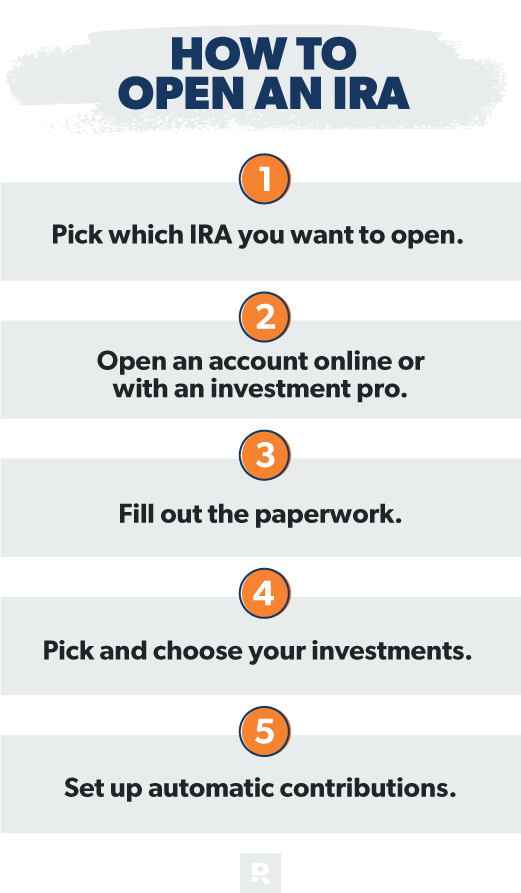
The Best Full-Service Online Brokerages for Self-Directed Investors
For the investor who wants complete control over their portfolio, a full-service online brokerage is often the best choice. These platforms provide a wide array of investment vehicles, including stocks, bonds, ETFs, and mutual funds, usually with zero commissions on standard trades.
Fidelity Investments
Fidelity is frequently cited as the gold standard for IRA providers, and for good reason. They were a pioneer in the “zero-fee” movement, offering several index funds with a 0% expense ratio. For a retirement saver, this means every penny of your contribution goes toward your future rather than administrative costs. Fidelity’s interface is robust, providing deep research tools and 24/7 customer support, making it an excellent choice for both beginners and seasoned pros.
Charles Schwab
Schwab is a powerhouse in the brokerage world, known for its exceptional customer service and its “Schwab Intelligent Portfolios.” If you open an IRA here, you benefit from a massive selection of low-cost ETFs and a user-friendly mobile app. Schwab also offers a unique “Satisfaction Guarantee,” where they will refund certain fees if you aren’t happy with your experience. Their research library is one of the most comprehensive in the industry, helping investors make informed decisions about asset allocation.
Vanguard
Vanguard is built differently; it is owned by its funds, which are in turn owned by the investors. This structure aligns the company’s interests directly with yours. While Vanguard’s website and app are often criticized for being less “flashy” than Fidelity or Schwab, their commitment to low-cost indexing is unparalleled. If your strategy for your IRA is a simple “buy and hold” approach using diversified index funds, Vanguard remains a top-tier contender.
Best Robo-Advisors for Hands-Off Retirement Planning
Not everyone wants to spend their weekends researching P/E ratios or rebalancing their portfolio. If you prefer a “set it and forget it” approach, a robo-advisor uses algorithms to manage your IRA based on your risk tolerance and retirement timeline.
Betterment
Betterment was one of the first robo-advisors to hit the market and remains a leader in the space. For a small annual management fee (typically 0.25%), Betterment will automatically diversify your IRA contributions across a basket of ETFs. They also offer advanced features like tax-loss harvesting and automated rebalancing. For a retirement saver, the “Goals” feature allows you to see exactly how much you need to contribute monthly to reach your target retirement age.
Wealthfront
Wealthfront offers a similar service to Betterment but with a slightly different technological edge. They provide a highly integrated “Path” tool that looks at all your financial accounts to give you a holistic view of your retirement readiness. Wealthfront is particularly popular among younger, tech-savvy investors who value a sleek interface and high-yield cash account integration alongside their IRA.
M1 Finance
M1 Finance sits in a unique middle ground between a brokerage and a robo-advisor. It allows you to create “Pies”—customized portfolios of stocks and ETFs—and then automates the investing process. If you want to pick your own stocks but want the platform to handle the mathematical heavy lifting of rebalancing every time you deposit money, M1 is a standout choice for an IRA.
Specialized Platforms for Alternative IRA Assets

While most people stick to stocks and bonds, some investors want to use their IRA to hold “alternative” assets like real estate, private equity, or cryptocurrency. To do this, you need a Self-Directed IRA (SDIRA) through a specialized custodian.
Alto IRA
Alto IRA has simplified the process of investing retirement funds into non-traditional assets. Through their “Alto CryptoIRA,” you can invest in dozens of different cryptocurrencies directly with your retirement funds, meaning your gains are either tax-deferred (Traditional) or tax-free (Roth). They also have a “Platform Pro” version that allows you to invest in private companies or real estate deals that you find independently.
Rocket Dollar
Rocket Dollar is designed for the sophisticated investor who wants “Checkbook Control” over their retirement funds. By setting up a Self-Directed IRA with a Limited Liability Company (LLC) structure, Rocket Dollar allows you to invest in almost anything the IRS permits—including physical real estate, gold, and private notes—without needing a custodian to sign off on every individual transaction.
Equity Trust
As one of the oldest names in the self-directed space, Equity Trust offers deep institutional knowledge. They are a go-to for investors who want to use their IRA for complicated real estate transactions, such as tax liens or fix-and-flips. Their fee structure is more complex than the digital-first platforms, but their expertise in IRS compliance for alternative assets is significant.
Key Factors to Consider Before Selecting Your Provider
With so many options available, you must evaluate a provider based on your specific financial habits. A platform that is perfect for a millionaire might be a poor fit for someone just starting their journey with $50 a month.
Fee Structures and Expense Ratios
In the world of investing, fees are the enemy of compound interest. When looking at where to open an IRA, check for three types of fees:
- Account Maintenance Fees: Most top-tier brokerages have eliminated these, but some banks still charge them.
- Transaction Fees: Ensure the platform offers commission-free trades on ETFs and stocks.
- Advisory Fees: If you use a robo-advisor, ensure the percentage they charge is justified by the services (like rebalancing) they provide.
Investment Selection and Quality
If you have a specific strategy in mind—such as Dividend Growth Investing or ESG (Environmental, Social, and Governance) investing—ensure the provider has the tools to support it. Some platforms have “walled gardens” that only allow you to buy their proprietary funds, while others give you the keys to the entire global market.
Ease of Use and Educational Resources
If you are new to personal finance, the “User Experience” (UX) is more than just aesthetics; it’s about confidence. A platform with a cluttered interface can lead to expensive mistakes. Look for providers that offer robust educational webinars, calculators, and clear reporting so you can track your progress toward retirement without feeling overwhelmed.
How to Successfully Transition and Fund Your IRA
Once you have identified the best home for your money, the final step is the logistics of moving and growing your capital.
Direct Contributions and Automation
The most effective way to build wealth is through consistency. Almost every major IRA provider allows you to set up recurring transfers from your checking account. By automating this process, you remove the emotional hurdle of “timing the market” and benefit from dollar-cost averaging.
The 401(k) Rollover Process
Many people open an IRA specifically to house funds from a former employer’s 401(k). This is known as a “rollover.” When choosing where to open your IRA, look for a provider with a dedicated rollover team. Firms like Fidelity and Schwab make this process nearly seamless, often handling the communication with your former plan administrator to ensure the funds are moved directly (a “direct rollover”), which avoids any unintended tax penalties.

Considering a Roth vs. Traditional IRA
While the provider handles the technology and assets, you must decide which tax structure to open at that provider. A Traditional IRA offers a tax deduction today but requires you to pay taxes on withdrawals in retirement. A Roth IRA uses after-tax dollars today but allows for tax-free withdrawals later. Most providers mentioned above allow you to open both, but your choice will depend on your current tax bracket versus your expected bracket in the future.
In conclusion, the “best” place to open an IRA depends entirely on your level of involvement. If you want a hands-on experience with zero costs, Fidelity or Schwab are top choices. If you want the peace of mind of automation, Betterment leads the pack. And if you are looking to diversify into the “wild west” of alternative assets, Alto IRA provides the necessary infrastructure. Regardless of the platform you choose, the most important step is to begin as early as possible to let the power of compounding work in your favor.
aViewFromTheCave is a participant in the Amazon Services LLC Associates Program, an affiliate advertising program designed to provide a means for sites to earn advertising fees by advertising and linking to Amazon.com. Amazon, the Amazon logo, AmazonSupply, and the AmazonSupply logo are trademarks of Amazon.com, Inc. or its affiliates. As an Amazon Associate we earn affiliate commissions from qualifying purchases.