
Manhattan has long been recognized as the global epicenter of finance, fashion, and media. However, over the last decade, a new identity has emerged that rivals its traditional sectors: the technology powerhouse. Often referred to as “Silicon Alley,” Manhattan’s tech ecosystem has evolved from a small cluster of startups in the Flatiron District to a sprawling, multi-billion-dollar landscape that spans from the Financial District to the Upper West Side. For the visiting technologist, entrepreneur, or digital nomad, Manhattan offers a unique blend of high-stakes networking, cutting-edge innovation hubs, and immersive digital experiences.
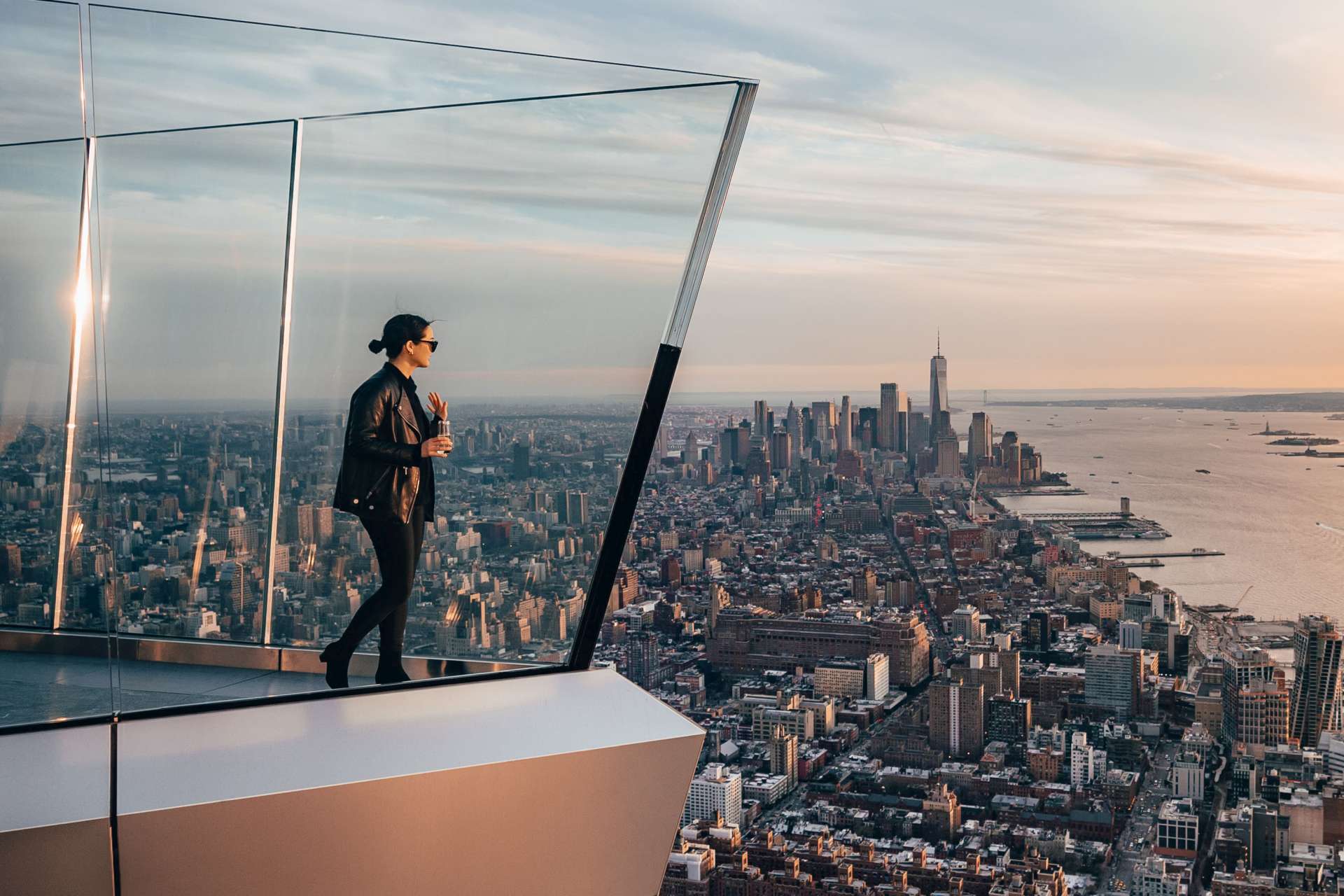
This guide explores what to do in Manhattan through the lens of technology, highlighting the institutions, neighborhoods, and experiences that define the city’s digital frontier.
Exploring the Ecosystem of Silicon Alley
While Silicon Valley is characterized by sprawling suburban campuses, Manhattan’s tech scene is vertical, dense, and deeply integrated into the existing urban fabric. Understanding the geography of Silicon Alley is the first step in navigating the city’s tech landscape.
The Rise of the Flatiron District and Chelsea
The term “Silicon Alley” originally referred to the area surrounding the Flatiron Building. Today, this district remains the spiritual heart of New York tech. Walking through these streets, you are in the presence of some of the world’s most successful venture-backed startups and established digital platforms. The architecture here tells a story of transformation—19th-century industrial lofts have been reimagined as open-plan offices for software engineers and product designers. For anyone interested in the history of the internet and the evolution of software-as-a-service (SaaS) companies, a walking tour of this district is essential to feel the pulse of the industry.
Google, Meta, and the Big Tech Footprint
In recent years, “Big Tech” has made Manhattan its second home. Google’s massive presence in Chelsea, including its sprawling campus at 111 Eighth Avenue and the newly opened St. John’s Terminal, has anchored the city as a premier destination for AI research and cloud computing. Meta (formerly Facebook) has similarly expanded into the James A. Farley Building near Penn Station. These aren’t just offices; they are monuments to the city’s technological pivot. Observing the scale of these developments provides insight into how Manhattan has successfully competed with the West Coast for engineering talent and infrastructure.
Immersive Tech Experiences and Innovation Hubs
Manhattan offers more than just office space; it is a playground for experimental technology and public-facing innovation. To truly understand what to do in Manhattan from a tech perspective, one must look toward the venues that blend the physical and digital worlds.
The Intersection of Art and Technology at Artechouse
Located in the former boiler room of Chelsea Market, Artechouse is a testament to the power of creative technology. It is a permanent space dedicated to digital art, utilizing high-resolution projection mapping and spatial audio to create immersive environments. For developers and UI/UX designers, Artechouse offers a glimpse into the future of human-computer interaction. It demonstrates how algorithms and data visualization can be transformed into emotional, sensory experiences, pushing the boundaries of what software can achieve outside of a standard screen.
Cornell Tech and Roosevelt Island’s Innovation Campus
A short tram or ferry ride from Manhattan’s East Side takes you to Roosevelt Island, home to the Cornell Tech campus. This is arguably the most significant investment in the city’s technological future. The campus was designed specifically to foster collaboration between academia and the private sector. Visiting the campus allows tech professionals to see sustainable architecture integrated with smart-city technology. The “Bridge” building, in particular, co-locates established companies with student startups, creating a hothouse for breakthroughs in robotics, cybersecurity, and health tech. It represents the pinnacle of Manhattan’s commitment to staying at the forefront of the global tech race.
Networking and Professional Growth in the City

The true value of Manhattan’s tech scene lies in its density. In any given square mile, you are surrounded by thousands of founders, investors, and engineers. Leveraging this density is a key component of the Manhattan tech experience.
High-Stakes Networking at Industry Events
Manhattan hosts some of the world’s most influential tech conferences, from the AI Summit to specialized fintech and blockchain symposiums at the Javits Center. However, the real networking often happens in more intimate settings. Platforms like Meetup (which itself was born in Manhattan) are incredibly active here. On any Tuesday night, you can find a deep-dive session on Python optimization in Midtown, a roundtable on ethical AI in SoHo, or a hardware hacking session in a Chelsea basement. Participating in these local grassroots events is the best way to understand the local market and build professional connections.
The Co-working Revolution: From Boutique Hubs to Global Giants
Manhattan was the laboratory for the co-working movement. While the industry has faced turbulence, the city remains the global leader in shared workspace innovation. Places like New York Tech (NYTM) events and various high-end co-working spaces provide more than just a desk and high-speed fiber; they offer curated ecosystems. For the digital nomad, spending a day at a tech-focused co-working space in the Hudson Square area allows for serendipitous “water cooler” moments with founders of the next unicorn company. These spaces are designed to facilitate the exchange of ideas, making them vital nodes in the Silicon Alley network.
Retail Tech and the Future of Consumer Experience
Manhattan serves as the world’s largest laboratory for retail technology. Brands use the city’s high-traffic corridors—5th Avenue, SoHo, and Hudson Yards—to pilot new technologies that will eventually change how the world shops.
Frictionless Shopping and AI-Driven Retail
Walking through Manhattan today, you can witness the rollout of “Just Walk Out” technology and AI-driven inventory management in real-time. From Amazon Go stores to high-end boutiques using RFID and magic mirrors, the city is a showcase for the digitalization of commerce. For tech professionals, observing these implementations provides critical data on consumer behavior and the operational challenges of scaling IoT (Internet of Things) solutions in a high-density environment.
Showrooming and the Hybrid Physical-Digital Storefront
SoHo has become the capital of “Direct-to-Consumer” (DTC) tech brands. Companies that started online now use Manhattan as a physical extension of their digital presence. These stores are often more about data collection and brand experience than immediate sales. They utilize sophisticated tracking software to analyze foot traffic, dwell time, and customer engagement, feeding that data back into their digital marketing engines. Analyzing these storefronts offers a masterclass in omnichannel strategy and the integration of digital analytics into the physical world.
Securing the Future: Manhattan’s Cybersecurity and Fintech Frontiers
It is impossible to discuss Manhattan tech without mentioning its two most dominant sub-sectors: Fintech and Cybersecurity. These industries are the backbone of the city’s technological economy, leveraging its historic strengths in finance to lead the digital age.
Wall Street’s Digital Transformation
The Financial District (FiDi) has undergone a radical transformation. The floor of the New York Stock Exchange is now more of a media studio, while the real action happens in the data centers and high-frequency trading servers located across the river and in the cloud. Exploring FiDi today is about understanding the infrastructure of global finance. The area is home to a massive concentration of fintech startups that are disrupting everything from cross-border payments to personal wealth management through AI-driven robo-advisors. For those interested in the intersection of money and code, the innovations happening here are unparalleled.
The Cybersecurity Corridor
As the financial capital of the world, Manhattan is a primary target for cyber threats, which has naturally led to it becoming a global hub for cybersecurity tech. Large financial institutions and the city government have invested heavily in creating a “Cyber NYC” initiative. This has fostered a corridor of security firms and research labs dedicated to protecting the global digital economy. Visiting the city’s tech hubs provides an insight into the latest trends in zero-trust architecture, encrypted communications, and threat intelligence. In Manhattan, cybersecurity isn’t just a niche industry; it is a foundational necessity that drives constant innovation.
In conclusion, “what to do in Manhattan” for a tech professional is about more than sightseeing; it is an immersion into one of the most vibrant and dense innovation ecosystems on the planet. From the historic lofts of Silicon Alley to the futuristic labs on Roosevelt Island, Manhattan offers a blueprint for how a legacy city can reinvent itself for the digital age. Whether you are there to network, to observe the latest in retail AI, or to study the infrastructure of global fintech, Manhattan remains an essential destination for anyone looking to navigate the future of technology.
aViewFromTheCave is a participant in the Amazon Services LLC Associates Program, an affiliate advertising program designed to provide a means for sites to earn advertising fees by advertising and linking to Amazon.com. Amazon, the Amazon logo, AmazonSupply, and the AmazonSupply logo are trademarks of Amazon.com, Inc. or its affiliates. As an Amazon Associate we earn affiliate commissions from qualifying purchases.