
Pigeon Forge, Tennessee, is often viewed by the casual observer as a bustling mountain resort town filled with neon lights, dinner theaters, and theme parks. However, from a professional brand strategy perspective, it represents one of the most successful case studies in destination branding and corporate identity in the United States. Transforming from a quiet farming community into a powerhouse that attracts over 10 million visitors annually did not happen by accident. It is the result of meticulous brand positioning, strategic partnerships, and a cohesive marketing narrative that leverages the “Center of Fun” identity.
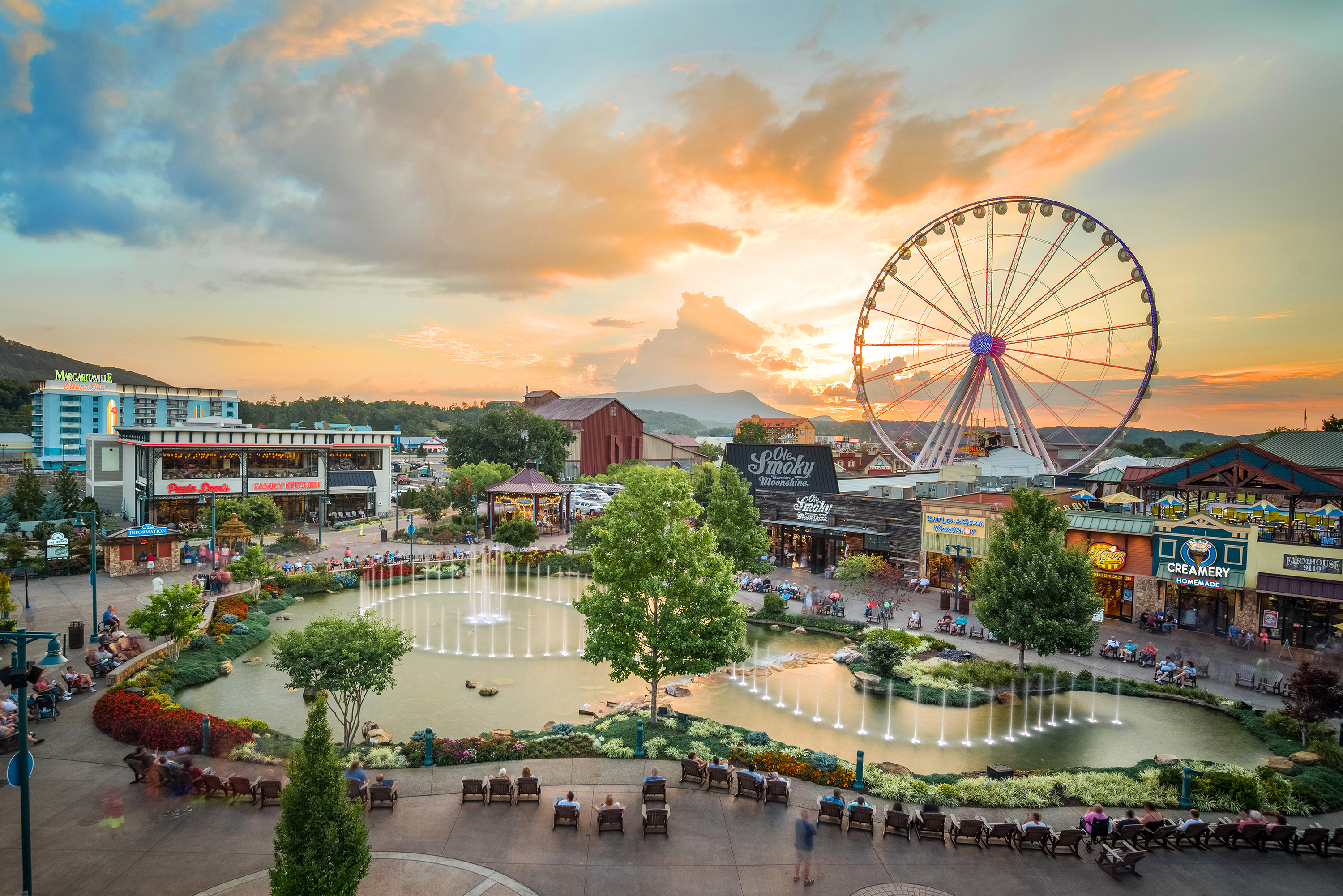
Understanding what there is to do in Pigeon Forge requires looking past the individual attractions to see the masterfully constructed brand ecosystem that sustains them. This article analyzes the strategic branding elements that have turned this Appalachian gateway into a global benchmark for the experience economy.
The Anchor Brand: Analyzing the Strategic Impact of Dollywood
At the heart of the Pigeon Forge brand is its most powerful asset: Dollywood. While many destination towns struggle with fragmented identities, Pigeon Forge benefits from the “Halo Effect” of a massive, globally recognized personal brand—Dolly Parton.
The Power of Personal Branding and Authenticity
The integration of Dolly Parton’s personal brand into the town’s commercial identity is a masterclass in authenticity. In branding, “authenticity” is often a buzzword, but in Pigeon Forge, it is a structural pillar. Parton’s brand values—warmth, hospitality, resilience, and storytelling—are woven into the fabric of the theme park and, by extension, the city. This creates an emotional connection with consumers that transcends the physical offerings of a roller coaster or a souvenir shop.
Economic Stabilization through Brand Loyalty
From a brand management standpoint, Dollywood acts as the “Anchor Tenant” for the entire region. The park’s commitment to high-quality production, employee training (the “Dollywood way”), and consistent reinvestment ensures that the broader Pigeon Forge brand remains synonymous with quality. This anchor brand provides a safety net for smaller businesses; when the primary brand attracts millions of visitors, the secondary and tertiary brands (hotels, restaurants, and smaller attractions) benefit from the massive influx of “qualified leads”—tourists already primed to spend.
Strategic Positioning: Defining the “Center of Fun” in the Smoky Mountains
Every successful brand must occupy a specific “space” in the mind of the consumer. Pigeon Forge has strategically positioned itself as the high-energy, entertainment-focused alternative to its neighbor, Gatlinburg.
Differentiation and Market Segmentation
While Gatlinburg leverages a brand identity focused on “mountain charm” and “walkability,” Pigeon Forge has branded itself as the “Center of Fun.” This is a deliberate positioning move to capture the family demographic. The brand promise is simple: variety and accessibility. By offering everything from high-octane go-kart tracks to sophisticated dinner shows, the city’s brand identity is built on the concept of “The Multi-Generational Playground.”
The “Gateway” Narrative
Pigeon Forge occupies a unique brand intersection: it is the gateway to the Great Smoky Mountains National Park, yet it is a hyper-commercialized hub. The brand strategy successfully balances these two conflicting identities. It markets itself as the place where you can experience the “wild” during the day and “world-class entertainment” at night. This dual-positioning allows the city to tap into the $600 billion outdoor recreation market while simultaneously dominating the domestic leisure and hospitality sector.
Sensory Branding: The Visual and Experiential Identity of the Parkway
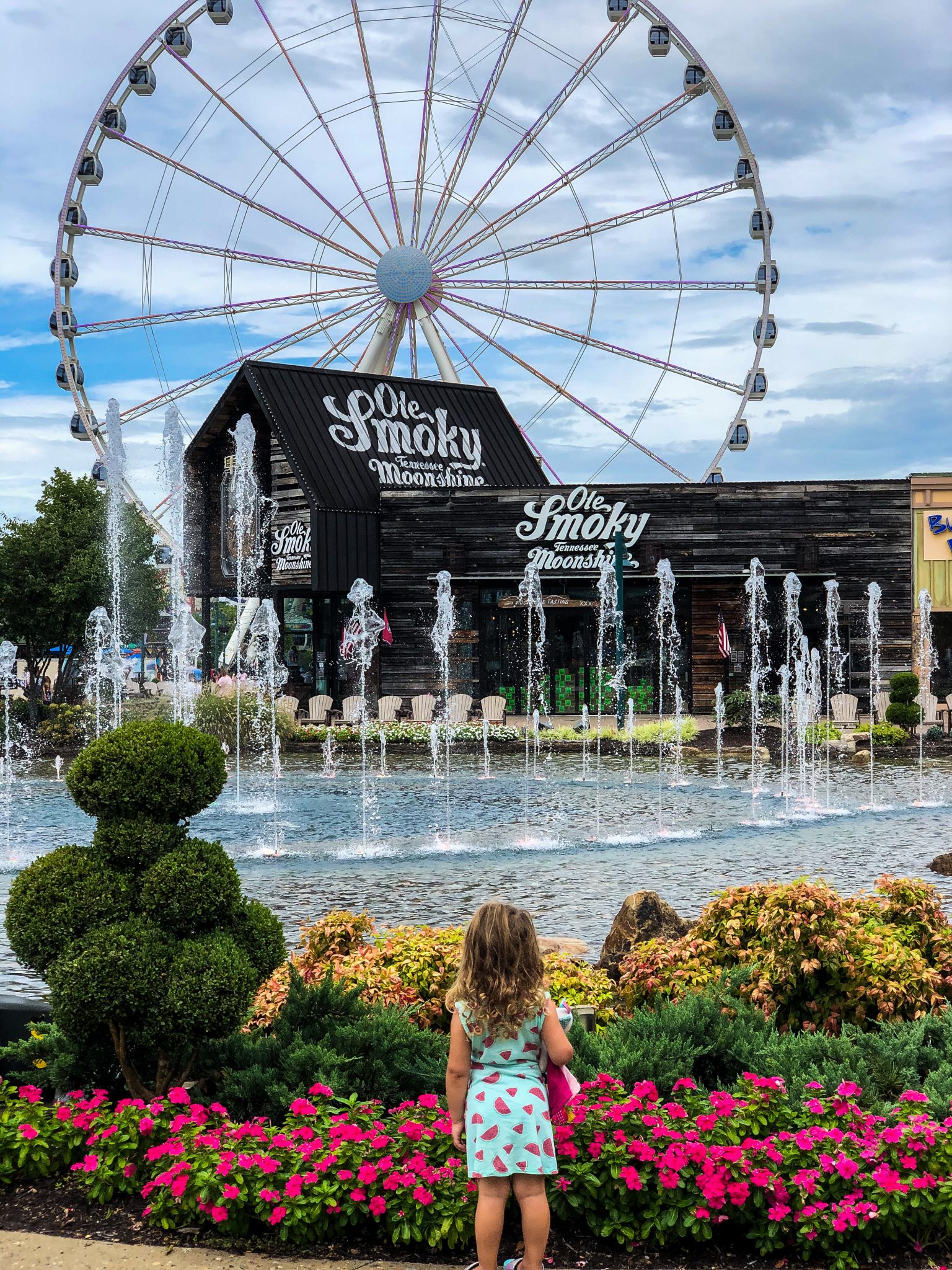
The Parkway in Pigeon Forge is the physical manifestation of the city’s brand. In branding, sensory elements—what we see, hear, and feel—are critical to brand recall. The Parkway is designed to be a “living billboard.”
Visual Identity and Architectural Storytelling
The architecture in Pigeon Forge is a key component of its brand strategy. Buildings are not just functional; they are experiential. The Titanic Museum Attraction, shaped like the ship itself, or the upside-down building of WonderWorks, are examples of “Programmatic Architecture.” These structures serve as permanent, high-impact brand assets that require no explanation. They communicate the brand’s promise of “wonder” and “excitement” instantly to anyone driving by.
The Role of Themed Entertainment in Brand Continuity
Brand continuity is maintained through “Theming.” Whether it is the rustic, lumberjack-themed aesthetic of Paula Deen’s Lumberjack Feud or the refined, upscale shopping experience at The Island in Pigeon Forge, there is a consistent dedication to immersive environments. This theming ensures that the consumer never “drops out” of the brand experience. Every touchpoint, from the signage to the ambient music, reinforces the idea that the visitor is in a world apart from their everyday life.
Niche Marketing and Audience Segmentation: From Families to Car Enthusiasts
A robust brand must be able to speak to multiple segments without losing its core identity. Pigeon Forge excels at “Micro-Branding,” creating specific seasons and events that cater to diverse subgroups.
Seasonal Rebranding and Event Marketing
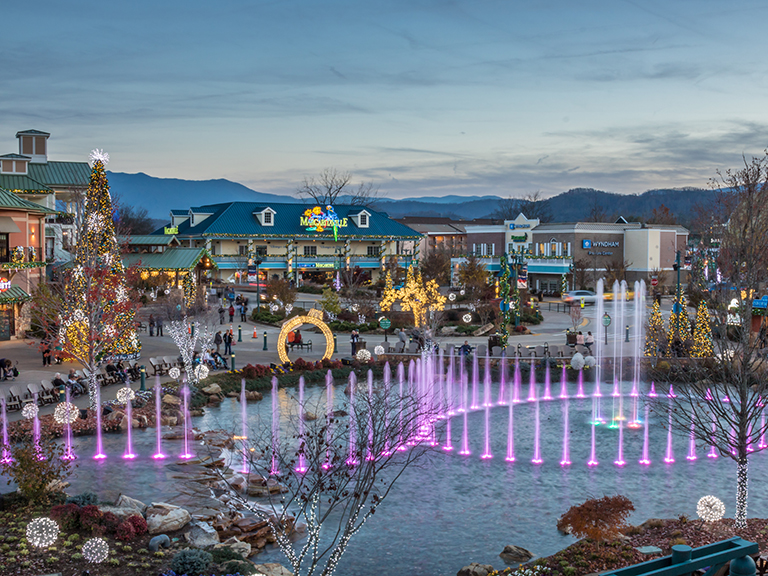
Pigeon Forge undergoes a total brand transformation several times a year. During “Winterfest,” the city rebrands itself as a holiday destination, using millions of LED lights to create a new visual identity. This allows the city to solve the “seasonality problem” that plagues many mountain towns. By rebranding the destination for Christmas, they maintain high demand during what would otherwise be a “shoulder season.”
Special Interest Branding: The “Rod Run” Phenomenon
The city also manages its brand to attract specific enthusiasts, such as the classic car community. The “Rod Run” events are a testament to the brand’s versatility. For these weekends, Pigeon Forge shifts its brand focus to nostalgia, Americana, and mechanical excellence. This segment-specific marketing ensures a steady stream of high-spending visitors who may not be interested in theme parks but are deeply invested in the city’s infrastructure and hospitality.
Future-Proofing the Brand: Adapting to Modern Consumer Trends
As consumer preferences shift toward “authentic experiences” and “sustainability,” the Pigeon Forge brand is currently in a state of strategic evolution. Brand managers in the region are looking at how to modernize the 20th-century “tourist trap” stigma into a 21st-century “curated destination.”
Digital Brand Integration
The “what to do” question is now answered primarily through digital touchpoints. The city has invested heavily in digital branding, utilizing influencer marketing and high-production social media content to reach a younger demographic. By showcasing the “Instagrammable” aspects of the Smokies—such as the views from the Great Smoky Wheel—the brand is successfully pivoting to appeal to Millennials and Gen Z travelers who prioritize visual storytelling in their travel choices.
Balancing Commercialism with Conservation
One of the greatest challenges to the Pigeon Forge brand is the growing consumer demand for environmental responsibility. To future-proof the brand identity, there is a burgeoning movement toward “Eco-Branding.” New developments are increasingly incorporating green spaces, walkability, and educational components regarding the surrounding National Park. This shift is essential for maintaining the brand’s relevance in an era where “Conscious Travel” is becoming the industry standard.
In conclusion, when asking “what is there to do in Pigeon Forge,” the answer is found in the city’s sophisticated brand architecture. It is a destination that has mastered the art of the experience economy by blending personal branding (Dolly Parton), strategic positioning (The Center of Fun), and sensory immersion. For brand strategists and marketing professionals, Pigeon Forge serves as a powerful reminder that with a clear identity and consistent execution, a destination can become more than just a place—it can become a brand that defines an entire region.
aViewFromTheCave is a participant in the Amazon Services LLC Associates Program, an affiliate advertising program designed to provide a means for sites to earn advertising fees by advertising and linking to Amazon.com. Amazon, the Amazon logo, AmazonSupply, and the AmazonSupply logo are trademarks of Amazon.com, Inc. or its affiliates. As an Amazon Associate we earn affiliate commissions from qualifying purchases.