
Tax season is often greeted with a mixture of trepidation and urgency. For many individuals and business owners, the primary source of stress isn’t necessarily the calculation of what is owed, but rather the logistical challenge of gathering the necessary documentation. In the modern financial landscape, tax forms are no longer just pieces of paper; they are the vital data points that define your fiscal health and compliance status. Knowing exactly where to find tax forms—and understanding which ones you need—is the foundational step in professional financial management.

This guide explores the various repositories for tax documentation, ranging from federal portals to private financial institutions, ensuring you have a streamlined approach to your annual filings.
The Digital Frontier: Official Government Repositories
The most direct and authoritative source for any tax-related documentation is the government itself. In the United States, the Internal Revenue Service (IRS) has spent the last decade digitizing its archives, making it significantly easier for taxpayers to access both current and prior-year forms.
The IRS.gov Forms and Publications Portal
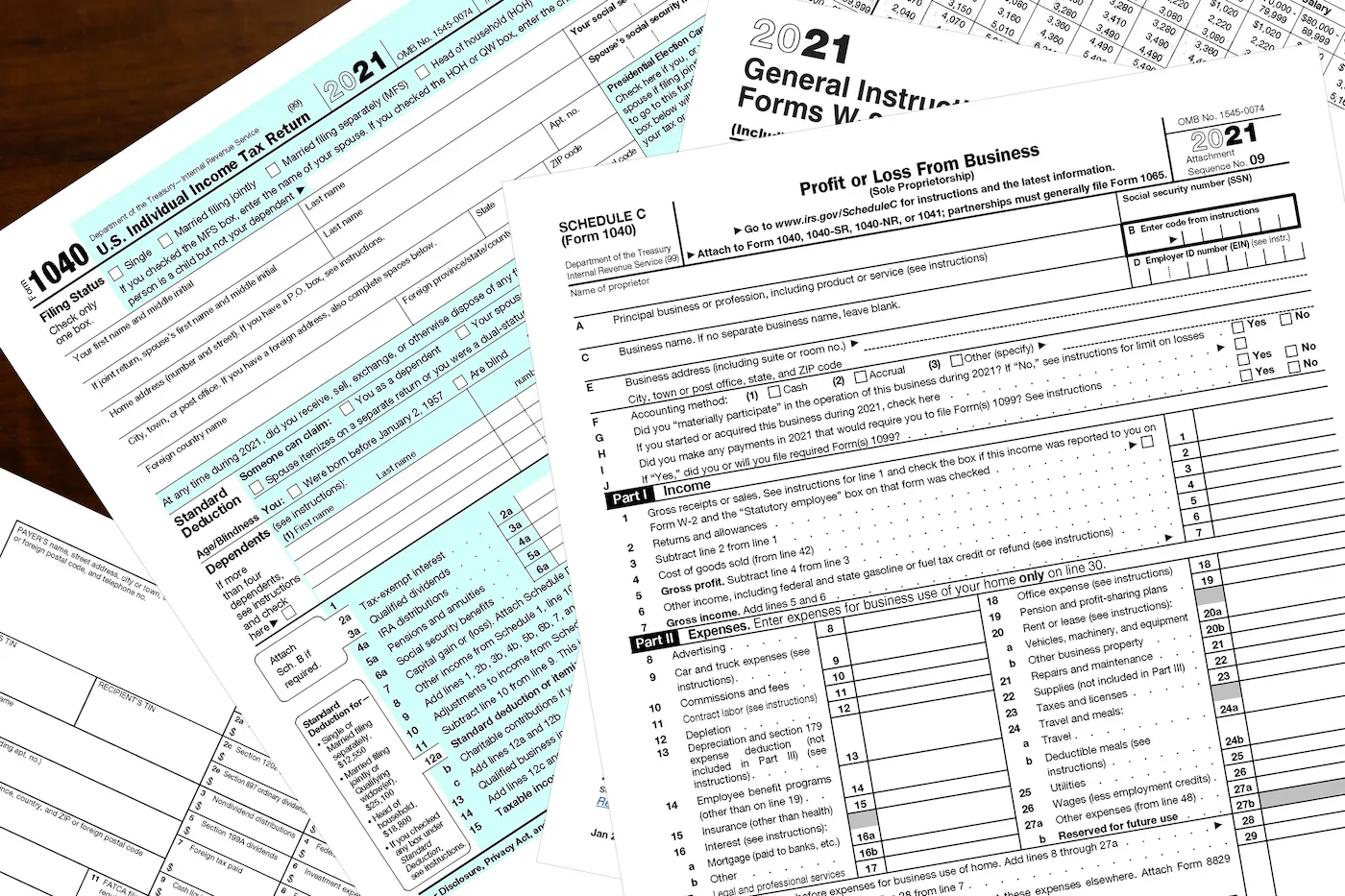
The IRS website serves as the primary clearinghouse for federal tax documents. By navigating to the “Forms and Instructions” section, users can find a searchable database that includes the ubiquitous Form 1040, as well as specialized schedules for business income (Schedule C), capital gains (Schedule D), and itemized deductions (Schedule A).
The digital library is curated to provide the most recent versions of these forms, which is crucial because tax laws and form layouts often change annually based on new legislative mandates. Furthermore, the IRS provides “Instructions” booklets for every form, which are essential for understanding the specific financial thresholds and definitions required for accurate reporting.
State Department of Revenue Websites
While federal taxes often take center stage, state-level obligations are equally important. Each state that collects income tax maintains its own Department of Revenue (DOR) or similar agency website. Because state tax laws vary wildly from California to New York, these portals are the only reliable place to find state-specific forms such as the 540 or the IT-201. Most state portals also offer “fillable” PDF versions of their forms, allowing for a paperless preparation process even if you are not using a high-end software suite.
Accessing Tax Transcripts
Sometimes, the form you need isn’t a blank one, but a record of what you filed in the past. Through the “Get Your Tax Record” tool on the IRS website, taxpayers can request transcripts. This is an essential financial tool when applying for mortgages or student loans, as lenders require verified proof of income that can only be substantiated by official tax filings.
Leveraging Financial Institutions and Brokerage Platforms
In many cases, the forms you are looking for are not blank templates, but “information returns”—documents that report income paid to you throughout the year. These are generated by the entities that hold your money or pay your salary.
Online Banking and Investment Portals
If you earn interest on a savings account or dividends from stocks, your bank or brokerage is required to provide you with forms like the 1099-INT or 1099-DIV. In the contemporary “Money” niche, most major institutions (such as Charles Schwab, Fidelity, or Vanguard) provide a dedicated “Tax Center” within their user dashboards. These forms are typically made available in late January or early February. Accessing them digitally is not only faster than waiting for snail mail, but it also allows for the direct import of data into tax preparation software, reducing the margin for human error.
Mortgage Lenders and Student Loan Servicers
For those looking to maximize their deductions, the 1098 series of forms is vital. Form 1098 (Mortgage Interest Statement) and Form 1098-E (Student Loan Interest Statement) are found on the portals of your respective lenders. Since interest payments can significantly lower your taxable income, ensuring you have retrieved these from your online accounts is a key part of an effective personal finance strategy.
Employer Portals and Payroll Services
For employees, the W-2 is the most critical document for tax season. While many companies still mail physical copies, most large-scale payroll providers (like ADP, Gusto, or Workday) offer a digital “Self-Service” portal. Employees can usually log in to download their W-2 weeks before the physical copy arrives. For independent contractors, the 1099-NEC is often found through the client’s accounts payable portal or via third-party payment processors like Stripe or PayPal.

Tax Preparation Software and Integrated Financial Tools
The rise of financial technology (FinTech) has revolutionized how we interact with tax forms. Instead of searching for individual documents, many taxpayers now use integrated ecosystems that aggregate these forms automatically.
The IRS Free File Program
As a matter of financial equity, the IRS partners with several tax software providers to offer the “Free File” program. For taxpayers below a certain income threshold, these platforms provide a guided journey that identifies which forms you need based on your financial activity. This effectively removes the “search” element of the process, as the software prompts you to provide information that it then populates into the correct digital forms.
Premium Tax Software Ecosystems
Platforms like TurboTax, H&R Block, and TaxSlayer act as central hubs for your financial life during tax season. One of the most powerful features of these tools is their ability to connect directly to hundreds of financial institutions. By logging into your bank through the tax software, the platform can “pull” your 1099s and W-2s automatically. This integration turns the hunt for tax forms into a simple authentication process, ensuring that no piece of interest income or deductible expense is overlooked.
Mobile Apps and Digital Scanners
In the “Online Income” and “Side Hustle” sectors, many entrepreneurs use apps like QuickBooks or Expensify to track expenses throughout the year. These tools often have a feature to generate a summarized tax report or a “Schedule C” worksheet. While not an official IRS form in itself, these generated documents are the blueprints used to fill out official forms, making them indispensable financial tools for the self-employed.
Physical Access: When Digital Isn’t an Option
Despite the push toward a paperless society, there are still many scenarios where physical tax forms are necessary or preferred. Whether due to limited internet access or a preference for tactile record-keeping, physical locations remain a secondary yet vital resource.
Public Libraries and Post Offices
Historically, the local post office and public library were the primary distribution points for tax booklets. While the IRS has scaled back the volume of forms sent to these locations, many libraries still participate in the “Tax Forms Outlet Program.” During the peak of tax season (January through April), you can often find a dedicated stand with the most common forms and instructions. Even if they don’t have the forms on hand, most libraries provide free or low-cost printing services specifically for government documents.
Community Centers and VITA Sites
The Volunteer Income Tax Assistance (VITA) program offers free tax help to people who generally make $64,000 or less, persons with disabilities, and limited English-speaking taxpayers. These sites, often located in community centers or neighborhood hubs, are stocked with the necessary forms and, more importantly, staffed by IRS-certified volunteers who can help you identify exactly which forms apply to your specific financial situation.
Professional Accounting Offices
For individuals with complex business finances or high-net-worth portfolios, the “where” of tax forms is often answered by their CPA (Certified Public Accountant). A professional firm maintains an exhaustive library of specialized forms that the average person might never encounter, such as those related to foreign tax credits, K-1s from partnerships, or complex estate tax filings. Engaging with a professional ensures that you are not just finding forms, but finding the right forms to protect your assets.
Strategic Record Keeping: Preparing for the Future
Finding your tax forms is a reactive process; organizing them is a proactive financial strategy. To minimize the stress of future tax seasons, it is important to implement a robust system for financial document management.
Creating a Digital Tax Vault
Relying on various portals to host your forms indefinitely is a risky strategy. Financial institutions often purge records after seven years, and login credentials can be lost. A more professional approach is to create a secure, encrypted digital folder for each tax year. As you download your W-2s, 1099s, and 1098s, save them with clear naming conventions (e.g., “2023Form1099BankName”). This creates a permanent personal archive that is easily accessible for audits, loan applications, or future financial planning.
Understanding Deadlines and “Form Drift”
Part of knowing where to find forms is knowing when they become available. Most employers and banks are legally required to provide tax forms by January 31st. However, “corrected” forms can sometimes be issued later in February or March if errors are discovered. By checking your digital portals periodically throughout the first quarter, you can ensure that you are filing with the most accurate and up-to-date information, avoiding the need for costly amended returns (Form 1040-X).
The Role of Forms in Financial Health
Ultimately, tax forms are more than just compliance documents; they are a snapshot of your annual financial performance. By carefully reviewing each form you find—noting the interest earned on your 1099-INT or the capital gains on your 1099-B—you gain a deeper insight into your investment successes and areas for improvement. Treating the search for tax forms as an audit of your personal wealth rather than a bureaucratic chore is the hallmark of a sophisticated approach to money management.
aViewFromTheCave is a participant in the Amazon Services LLC Associates Program, an affiliate advertising program designed to provide a means for sites to earn advertising fees by advertising and linking to Amazon.com. Amazon, the Amazon logo, AmazonSupply, and the AmazonSupply logo are trademarks of Amazon.com, Inc. or its affiliates. As an Amazon Associate we earn affiliate commissions from qualifying purchases.