
In the era of the “Quantified Self,” the pursuit of optimal health has shifted from vague approximations to data-driven precision. For decades, the general advice was the “8×8 rule”—drinking eight 8-ounce glasses of water per day. However, as software engineering and physiological modeling have advanced, we have moved into the age of the sophisticated “How Much Water Should I Drink a Day” calculator. These digital tools, ranging from simple web scripts to complex AI-driven mobile ecosystems, represent a significant intersection of health science and technology.
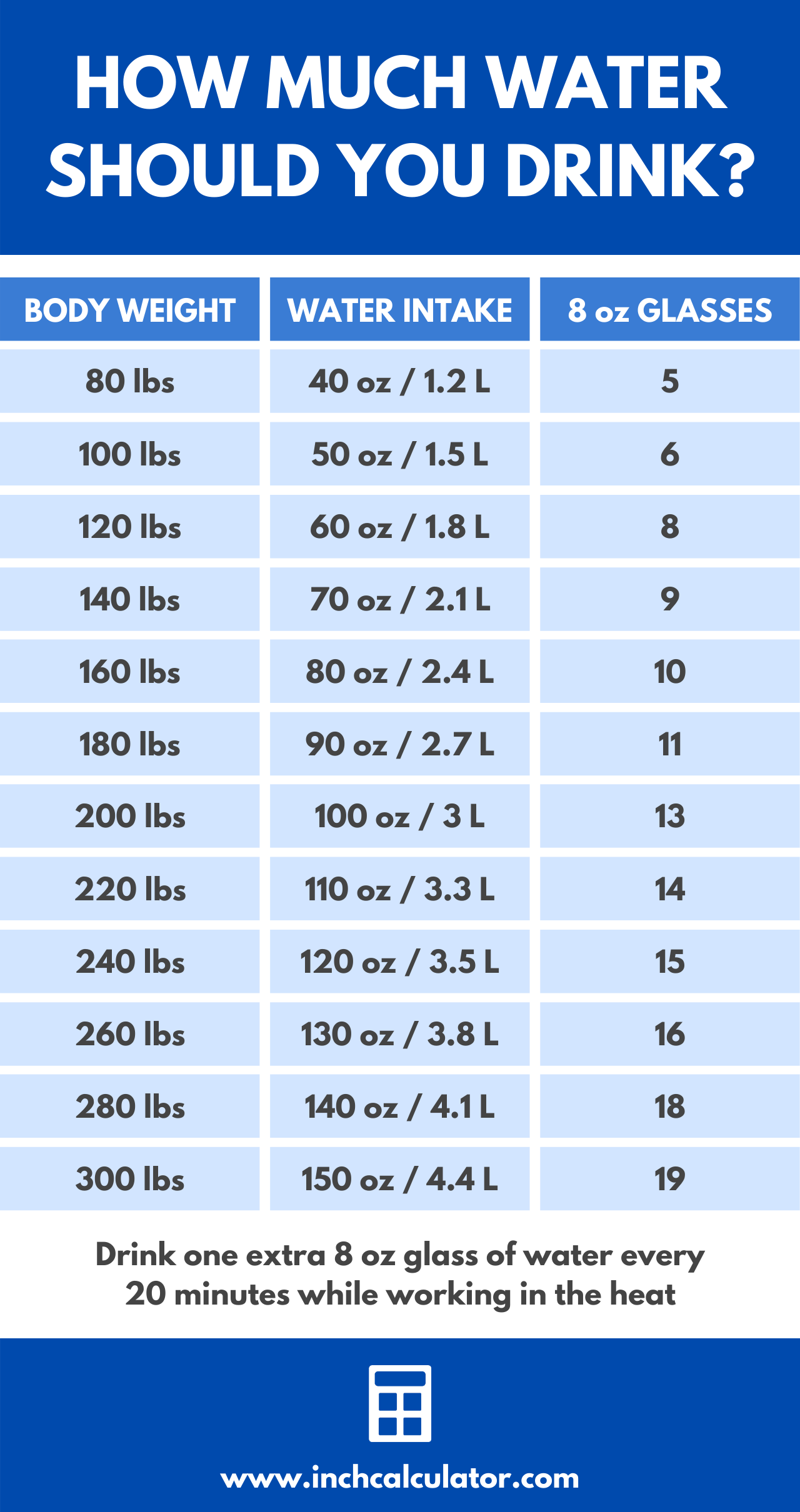
This article explores the technical architecture of hydration calculators, the integration of wearable technology in monitoring fluid intake, and how artificial intelligence is personalizing the way we approach one of our most fundamental biological needs.
The Architecture of Precision: How Digital Hydration Calculators Work
At its core, a hydration calculator is a software utility designed to process multiple biological and environmental variables to produce a personalized output. Unlike static health charts, these calculators utilize dynamic algorithms that account for the fluidity of human activity and environmental conditions.
Data Input and Variable Processing
The efficacy of any calculator depends on the quality and breadth of its inputs. Modern hydration software typically requests a baseline of demographic data, including age, biological sex, and current body mass. From a technical standpoint, these variables serve as the “constants” in the hydration equation.
However, the “variables” are where the technology shines. High-end software integrates parameters such as activity intensity (measured in metabolic equivalents or METs), pregnancy or lactation status, and even the altitude of the user’s current location. By processing these inputs, the backend logic can move beyond generic recommendations to provide a specific milliliter or ounce target tailored to the user’s metabolic rate.
Algorithmic Logic and Physiological Modeling
The software architecture behind a professional-grade hydration calculator often draws from established physiological formulas, such as those provided by the National Academies of Sciences, Engineering, and Medicine. Developers translate these biological guidelines into code—often using Python or JavaScript—to create a responsive user interface.
The logic must account for “water from food” (typically 20% of total intake) and the “metabolic water” produced during cellular respiration. When a user inputs their data, the calculator’s algorithm subtracts these estimated values from the total fluid requirement, providing a “net” goal for liquid consumption. This level of granular calculation was previously only available in clinical settings but is now accessible through any smartphone browser.
The Role of Wearables and IoT in Real-Time Hydration Monitoring
The transition from manual entry to automated tracking represents the next frontier in hydration technology. The “How Much Water Should I Drink a Day” calculator is no longer a standalone web page; it is now part of a broader Internet of Things (IoT) ecosystem.
Sensor Integration and Smart Bottles
One of the most innovative tech developments in this niche is the “Smart Water Bottle.” These devices are equipped with capacitive or optical sensors that measure the volume of liquid inside the container. Using Bluetooth Low Energy (BLE), the bottle syncs with a mobile application.
Every time a user takes a sip, the data is pushed to the cloud, compared against the daily target calculated by the app’s algorithm, and updated in real-time. This eliminates “user friction”—the primary reason people stop using tracking tools—by automating the data entry process. If the user is falling behind their target, the hardware (the bottle) or the software (a push notification) alerts the user, creating a closed-loop system of feedback and action.
Ecosystem Connectivity: HealthKit and Google Fit
For a hydration calculator to be truly effective, it cannot exist in a vacuum. Modern apps are designed to pull data from health aggregators like Apple HealthKit or Google Fit. If a user’s Apple Watch detects a high-intensity workout that burned 600 calories, the hydration app automatically receives this data via an API.
The algorithm then dynamically adjusts the daily water goal upward to compensate for sweat loss. This level of inter-app communication showcases the power of integrated health stacks, where the hydration calculator acts as a specialized module within a larger digital health suite.

Artificial Intelligence and Predictive Hydration Metrics
The most recent leap in hydration technology is the integration of Artificial Intelligence (AI) and Machine Learning (ML). These tools are moving from reactive calculations—telling you what you should have drunk—to predictive insights—telling you what you will need.
Machine Learning for Personalized Intake
AI-driven hydration tools analyze historical data to identify patterns in a user’s habits. For instance, if the software notices that a user consistently experiences a “dehydration lag” on Tuesday afternoons (perhaps due to a recurring long meeting), the AI can preemptively suggest a higher water intake on Tuesday mornings.
Over time, these ML models refine the user’s baseline. They learn how an individual’s body specifically responds to heat or exercise, moving away from “population-wide averages” toward a “niche-of-one” model of health optimization.
Environmental Data Scraping and Weather APIs
Advanced hydration calculators now leverage external APIs to factor in climate. By accessing local weather data, the software can identify high heat-index days or low-humidity environments.
From a tech perspective, this involves a background script that calls a weather service, identifies the user’s GPS coordinates, and adjusts the hydration algorithm’s “environmental factor” variable. This ensures that the daily goal is not just based on the user’s body, but also on the external stressors their body will face throughout the day.
Top Software Solutions and Applications for Hydration Management
For users looking to implement these technologies, the market offers a variety of software solutions. These range from minimalist “habit trackers” to enterprise-grade wellness platforms.
Comprehensive Mobile Apps
Apps like WaterMinder, Hydro Coach, and Aqualert are the current industry leaders. These applications are praised for their User Experience (UX) design, utilizing “gamification” to encourage consistency. Technically, they offer robust features such as:
- Custom Vessel Sizes: Allowing users to log intake based on their specific hardware (e.g., a 12oz mug vs. a 32oz flask).
- Widget Support: Utilizing iOS and Android widgets to provide “at-a-glance” progress tracking without needing to open the app.
- Cloud Syncing: Ensuring data is consistent across tablets, phones, and computers.
Enterprise Wellness Software
In the corporate world, hydration calculators are being integrated into “Corporate Wellness Platforms.” These enterprise-level software suites use hydration tracking as a metric for employee productivity and cognitive health. By providing employees with access to high-tier hydration software, companies leverage tech to reduce fatigue and improve focus, treating hydration as a critical component of professional performance.
The Future of Health-Tech: Beyond Simple Calculators
As we look toward the future, the technology surrounding hydration will move closer to the skin—and perhaps beneath it. The “How Much Water Should I Drink a Day” calculator is just the beginning of a larger shift toward bio-integrated technology.
Bio-integrated Sensors and the “Quantified Self”
We are seeing the emergence of wearable patches that can analyze sweat composition in real-time. These patches use microfluidic technology to measure electrolyte loss and hydration levels directly from the skin’s surface.
When paired with a smartphone, these sensors provide the most accurate “calculator” possible. Instead of estimating water needs based on weight or activity, the software reads the actual physiological state of the body. This represents the ultimate goal of health-tech: a seamless transition from biological signals to digital insights.
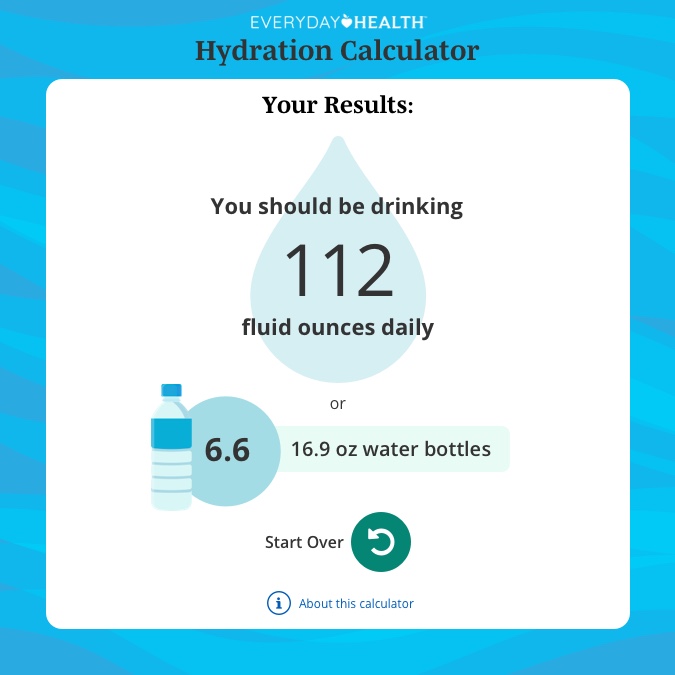
The Role of Augmented Reality (AR)
In the near future, we may see hydration data integrated into AR glasses. As you look at your water bottle, an AR overlay could show you exactly how many more ounces you need to reach your peak cognitive performance for the day. This intersection of computer vision and health data would make the “hydration calculator” an omnipresent, non-intrusive part of our visual field.
The “How Much Water Should I Drink a Day” calculator has evolved from a simple math problem into a sophisticated technological feat. By leveraging big data, IoT connectivity, and artificial intelligence, these tools are helping us master our biology through the power of silicon. As technology continues to advance, our ability to maintain the perfect fluid balance will become more automated, more precise, and more vital to our digital lives.
aViewFromTheCave is a participant in the Amazon Services LLC Associates Program, an affiliate advertising program designed to provide a means for sites to earn advertising fees by advertising and linking to Amazon.com. Amazon, the Amazon logo, AmazonSupply, and the AmazonSupply logo are trademarks of Amazon.com, Inc. or its affiliates. As an Amazon Associate we earn affiliate commissions from qualifying purchases.