
The term “roadhouse” evokes a potent, almost mythical image: a beacon of light on a desolate stretch of highway, promising respite, refreshment, and perhaps a touch of adventure. Beyond its literal definition as a roadside establishment, the roadhouse represents a fascinating case study in brand longevity and adaptability. It’s not merely a building or a business model; it’s a deeply ingrained cultural archetype, a brand that has transcved centuries and evolved across diverse geographies, yet consistently retains a core identity that resonates with a particular human need. To understand “what is a roadhouse” is to delve into the very essence of its brand – its historical DNA, its archetypal appeal, its strategic evolution, and the enduring promise it offers to those who seek its unique embrace.
The Historical DNA: Forging the Roadhouse Identity
The brand identity of the roadhouse is not a recent construct; it’s a tapestry woven from centuries of human travel and the universal desire for sanctuary. Its initial ‘branding’ was accidental, born out of necessity, yet it established foundational elements that persist to this day.
Origins and Purpose: A Haven for the Weary Traveler
Historically, roadhouses emerged wherever long-distance travel necessitated stops for travelers and their beasts of burden. Whether in the form of coaching inns in 18th-century Europe, caravanserai along ancient trade routes, or taverns dotting America’s early frontier, their primary purpose was consistent: to provide a place to rest, eat, drink, and often sleep. This fundamental utility formed the bedrock of the roadhouse brand promise: reliability and essential provisions. In an era of unpredictable journeys, the sight of a roadhouse sign represented a tangible guarantee of safety and sustenance – a crucial part of its early, organic brand appeal. It was a pit stop, yes, but also a momentary community, a place where news was exchanged, stories were told, and a shared humanity was briefly celebrated. This intrinsic function shaped its initial brand persona as a practical, indispensable resource.
Architectural and Design Signifiers: Crafting the Visual Brand
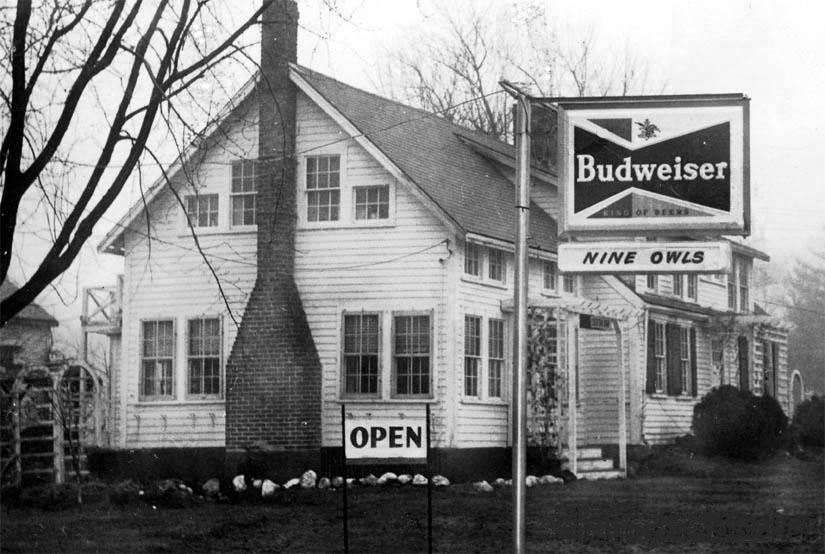
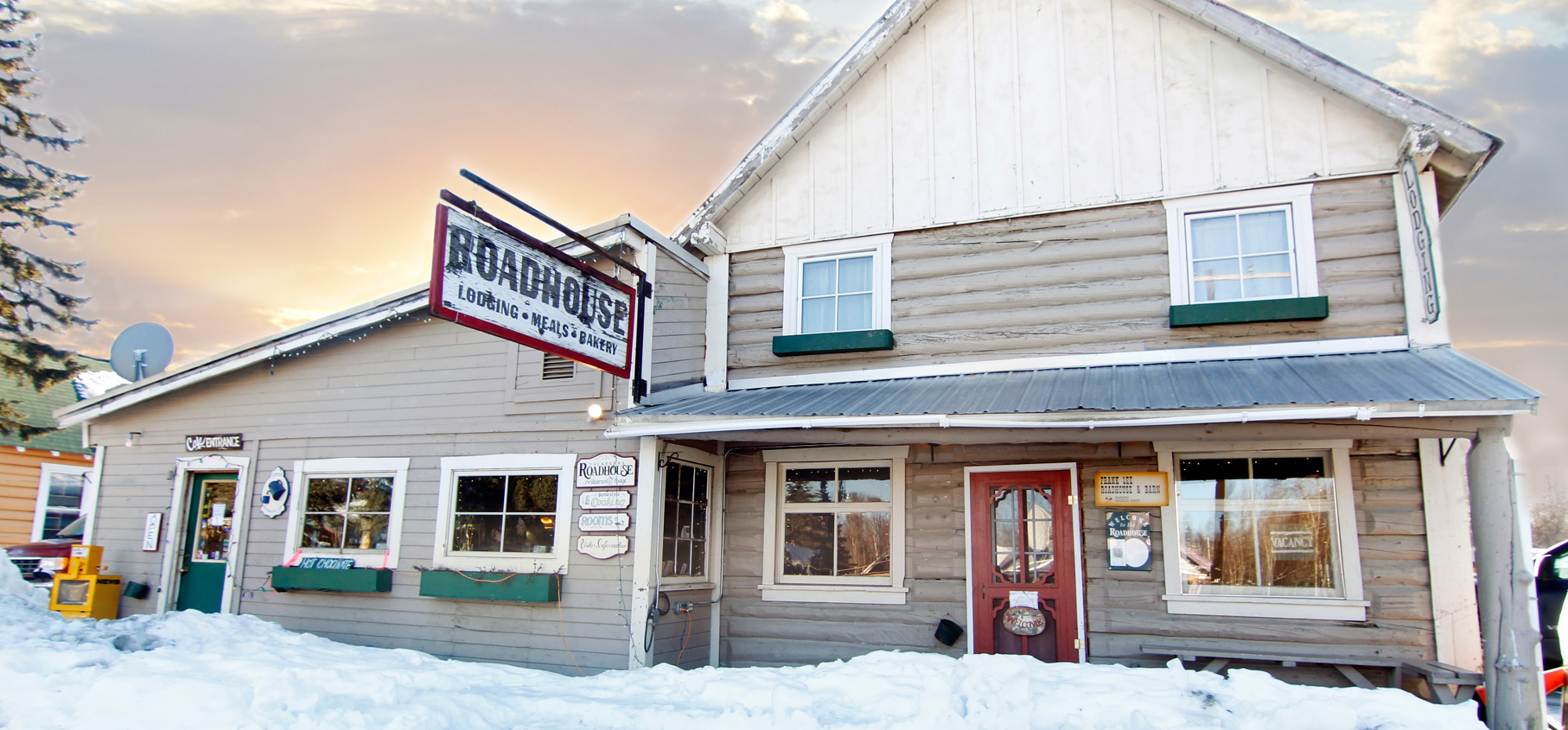
Even without formal brand guidelines, early roadhouses developed distinct visual cues that communicated their purpose. Often robustly built to withstand the elements and accommodate transient crowds, their architecture became part of their brand language. Prominent signage, often hand-painted and rustic, promised warmth and welcome. The interior design, while functional, frequently featured a central bar or common room, heavy wooden furniture, and a lived-in feel that spoke of countless patrons and enduring stories. These visual elements weren’t just decorative; they were critical brand assets. They communicated an unspoken promise of authenticity, durability, and a certain unpretentious charm. The very “look and feel” of a roadhouse became synonymous with its brand – a rough-hewn aesthetic that hinted at adventure, resilience, and genuine hospitality, distinguishing it from more formal urban establishments.
Early Brand Promise: Reliability, Comfort, and Community
The nascent roadhouse brand hinged on a triad of core promises: reliability, comfort, and community. Travelers relied on them for consistent service and supplies. Comfort was relative to the arduous journey, meaning a warm fire, a hearty meal, and a soft bed were luxuries. Most importantly, roadhouses fostered a unique sense of community. Despite being frequented by strangers, a temporary camaraderie often formed, born from shared experiences on the road. This communal aspect, the spontaneous gathering of diverse individuals under one roof, became a powerful, albeit intangible, brand value. It offered more than just physical nourishment; it provided social connection and a brief escape from solitude, cementing its role as a vital nexus point in the pre-modern travel infrastructure.
The Roadhouse Brand Archetype: More Than Just a Building
The enduring success of the roadhouse as a concept lies in its potent connection to universal human archetypes. It taps into desires and narratives that transcend generations, making its brand identity deeply resonant and remarkably flexible.
The Outlaw/Rebel Archetype: A Sense of Freedom and Non-Conformity
One of the most powerful archetypes associated with the roadhouse brand is that of the ‘Outlaw’ or ‘Rebel’. Located on the fringes, away from the strictures of urban centers, roadhouses historically offered a degree of freedom and anonymity. They were places where rules could be bent, identities shed, and a more unvarnished version of oneself could emerge. This perception was often fueled by the diverse clientele – truckers, drifters, bikers, musicians, and local characters – who frequented them. The roadhouse brand, therefore, often embodies a spirit of independence, a slight edge, and a welcoming stance for those who might feel out of place elsewhere. It’s a brand that subtly signals: “Here, you can be yourself, free from judgment,” attracting those who value authenticity over convention.
The Everyman/Regular Guy Archetype: Approachability and Authenticity
Contradictory yet complementary to the rebel archetype, the roadhouse also embodies the ‘Everyman’ or ‘Regular Guy’ brand. It’s inherently unpretentious, accessible, and grounded. There’s no dress code, no exclusive guest list, just a straightforward offering of good food, drink, and company. This archetype fosters a sense of belonging for anyone and everyone. The brand message is one of sincerity and genuine hospitality, offering a no-frills, authentic experience. It’s a place where one can truly relax, be seen, and simply exist without airs. This dual archetype appeal – both for the free spirit and the common person – is a significant factor in its broad, democratic brand attraction. It’s a brand that feels real, honest, and approachable.
Experiential Branding: Food, Music, and the Human Connection
Long before “experiential branding” became a marketing buzzword, roadhouses were masters of it. Their brand experience goes beyond mere transactions. The hearty, often comfort-focused food; the live music, whether a lone guitarist or a full band; the clinking of glasses and lively conversations – these elements combine to create a sensory landscape. The distinctive smell of fried food, the sound of laughter, the warmth of a fireplace, the taste of a cold beer – all contribute to a holistic brand experience that is memorable and deeply personal. The roadhouse brand isn’t just selling products; it’s selling an atmosphere, a feeling, a moment of escape and connection. This curated, yet organic, sensory experience is a cornerstone of its enduring brand appeal.
Storytelling and Legacy: The Oral Tradition as Brand Narrative
Roadhouses are natural repositories of stories. Every dent in the bar, every faded photograph on the wall, every grizzled regular has a tale to tell. This oral tradition, the passing down of local lore and traveler anecdotes, serves as a powerful form of brand narrative. These stories build mystique, establish legacy, and imbue the roadhouse with a character that no marketing campaign could artificially create. They contribute to a brand image that is rich, layered, and authentic, fostering a sense of history and continuity. Patrons aren’t just visiting a business; they’re stepping into a living story, becoming part of its ongoing narrative, which strengthens their connection to the brand.
Evolution and Modern Interpretation: Adapting the Roadhouse Brand
While its core identity remains potent, the roadhouse brand has not been static. It has demonstrated remarkable resilience, adapting to changing societal landscapes, travel patterns, and consumer expectations.
Navigating Market Shifts: From Necessity to Niche

The original necessity for roadhouses diminished with the advent of faster transportation and widespread urban development. However, the brand didn’t disappear; it pivoted. Modern roadhouses now often occupy a niche market, appealing to nostalgia, a desire for authentic experiences, or a specific demographic (e.g., motorcyclists, classic car enthusiasts). They’ve transitioned from being mere waystations to becoming destinations in themselves, or critical social hubs for rural communities. This strategic adaptation highlights the flexibility of the roadhouse brand – it can shed its purely utilitarian function while retaining its emotional and experiential appeal. The brand promise has shifted from “You need this” to “You’ll want this.”
Differentiating in a Crowded Landscape: The Modern Roadhouse Brand Strategy
In today’s highly competitive hospitality market, modern roadhouses employ sophisticated brand strategies, whether consciously or instinctively, to stand out. This often involves leaning into their established archetypes while adding contemporary twists. Some might emphasize a gourmet take on classic comfort food, others might curate a specific music scene (blues, country, rock), and yet others might focus on craft beverages or unique local art. The key is to differentiate while remaining true to the foundational roadhouse brand values. They might leverage local sourcing, sustainable practices, or community events, all while maintaining that familiar, approachable, and slightly rugged aesthetic that defines the roadhouse brand.
Digital Presence and Maintaining Authenticity: Blending Old and New
For a brand rooted in tangible, physical experience, navigating the digital age presents a unique challenge. Modern roadhouses must balance an online presence – websites, social media, online reviews – with their core brand identity of authenticity and a “get away from it all” vibe. The successful ones use digital tools not to replace the experience, but to amplify it. They might showcase their live music acts on Instagram, share historical anecdotes on their blog, or use online reviews to highlight their community feel. The digital strategy becomes an extension of the physical brand, reinforcing its storytelling and making it discoverable without diluting its inherent charm or rugged mystique.
Crafting a Contemporary Roadhouse Brand: Key Strategic Pillars
For entrepreneurs looking to leverage this powerful archetype, understanding the strategic pillars of a contemporary roadhouse brand is crucial. It requires a deliberate blend of historical reverence and modern marketing acumen.
Defining Your Unique Value Proposition: What’s Your Roadhouse Story?
Just as every classic roadhouse has its own tales, a modern iteration must clearly articulate its unique value proposition. What makes this roadhouse special? Is it a focus on local ingredients, a particular genre of music, a specific historical tie, or a unique blend of amenities? This “story” forms the core of its brand identity and helps it stand apart. Is it a biker bar that welcomes families during the day? A gourmet diner with live folk music? A community hub with a rich local history? Defining this singular narrative is paramount to building a strong and memorable brand.
Designing for Experience: From Ambiance to Menu
The roadhouse brand thrives on experience. This means meticulous attention to every touchpoint. The interior design must evoke the chosen archetype – is it rustic and worn, or updated and chic-industrial? The menu should reflect the brand’s promise – comforting, innovative, locally sourced? The music selection, the lighting, the scent, even the staff’s demeanor all contribute to the overall brand experience. Every detail must be intentionally designed to reinforce the desired brand personality, whether that’s rugged charm, sophisticated comfort, or vibrant community hub.
Marketing the Mystique: Reaching Your Tribe
Marketing a roadhouse brand isn’t about flashy advertising; it’s about building an authentic connection with its intended audience, or “tribe.” This involves leveraging social media to showcase the vibe, engaging with local communities, collaborating with events (e.g., car shows, bike rallies), and fostering word-of-mouth through exceptional experiences. The marketing message should communicate the unique story and the experiential promise, inviting people to discover the magic for themselves, rather than merely broadcasting features. It’s about selling the feeling, the belonging, the escape.
Building a Community: Turning Customers into Advocates
The most powerful aspect of the roadhouse brand is its ability to foster community. Encouraging regulars, hosting themed nights, supporting local artists, and creating a welcoming atmosphere where people feel comfortable lingering and connecting are vital. When customers feel a sense of belonging, they become the most authentic brand advocates, sharing their experiences and inviting others to join their “tribe.” This organic, community-driven branding is invaluable for long-term success and reinforces the core roadhouse promise of connection.
The Enduring Appeal: Why the Roadhouse Brand Persists
The roadhouse brand endures because it speaks to fundamental human desires that transcend fleeting trends. It taps into something primal, something deeply rooted in our collective psyche.
Nostalgia and Authenticity: Tapping into Primal Desires
In an increasingly digitized and sanitized world, the roadhouse offers a powerful antidote. It embodies a sense of nostalgia for a simpler time, a more tangible reality. Its authenticity – its often weathered appearance, its unpretentious offerings, its genuine character – resonates deeply with a longing for the real. This brand delivers on a promise of honesty and tradition, providing a comforting anchor in a rapidly changing world. It’s a brand that feels earned, not manufactured.
Escape and Sanctuary: A Break from the Norm
The roadhouse, by its very nature, provides an escape. It’s a place to pull over, step out of the everyday grind, and find sanctuary. Whether from a long journey, the pressures of work, or the demands of modern life, it offers a temporary haven. The brand implicitly promises a space where one can unwind, be oneself, and find a momentary respite. This promise of escape is a powerful draw, offering mental and emotional refreshment as much as physical sustenance.
The Promise of Connection: Shared Moments and Memories
Ultimately, the enduring appeal of the roadhouse brand lies in its promise of human connection. It’s a place where strangers become acquaintances, friends gather, and memories are made. The shared experience of a meal, a drink, a laugh, or a song creates bonds that enrich our lives. The roadhouse brand, at its heart, is a facilitator of these moments, a stage for the everyday drama and joy of human interaction. It’s not just a place to stop; it’s a place to be, to connect, and to forge the kind of shared experiences that define our lives. It’s this profound ability to foster community and create lasting memories that solidifies the roadhouse as a timeless and powerful brand archetype.
aViewFromTheCave is a participant in the Amazon Services LLC Associates Program, an affiliate advertising program designed to provide a means for sites to earn advertising fees by advertising and linking to Amazon.com. Amazon, the Amazon logo, AmazonSupply, and the AmazonSupply logo are trademarks of Amazon.com, Inc. or its affiliates. As an Amazon Associate we earn affiliate commissions from qualifying purchases.