
The retail landscape has undergone a seismic shift over the last decade, transitioning from traditional cash and carry to a complex ecosystem of digital credit and flexible financing. At the forefront of this evolution is Klarna, a leader in the “Buy Now, Pay Later” (BNPL) sector. While many consumers are familiar with using Klarna for online shopping, the ability to use this financial tool in physical brick-and-mortar stores has transformed how we manage personal liquidity and short-term debt. Understanding how to use Klarna in-store is not merely a matter of knowing which buttons to press; it is about strategically managing your cash flow to maintain financial health.
The Financial Evolution of Retail: Understanding Klarna as a Tool
Before diving into the mechanics of the transaction, it is essential to categorize Klarna correctly within your financial toolkit. It is not a traditional credit card, nor is it a simple debit transaction. It is a point-of-sale financing mechanism designed to bridge the gap between immediate consumer needs and periodic income cycles.
What is “Buy Now, Pay Later” (BNPL)?
BNPL is a type of short-term financing that allows consumers to make purchases and pay for them over time, usually in a series of interest-free installments. From a personal finance perspective, BNPL serves as an alternative to high-interest revolving credit. When you use Klarna in-store, you are essentially taking out a micro-loan at the moment of purchase, which is then structured into a predictable repayment schedule.
How Klarna Differs from Traditional Revolving Credit
Traditional credit cards often charge compound interest on balances carried month-to-month, with Annual Percentage Rates (APRs) frequently exceeding 20%. Klarna’s primary in-store offering—the “Pay in 4” model—is fundamentally different. It breaks the total purchase price into four equal parts. The first is paid at the time of purchase, and the remaining three are paid every two weeks. If managed correctly, this provides the consumer with 0% interest financing, a powerful advantage for those looking to keep their debt-to-income ratio low while managing essential expenses.
Navigating the In-Store Klarna Experience
Using Klarna at a physical checkout counter requires a slightly different approach than the “one-click” experience found online. It involves the creation of a bridge between the Klarna ecosystem and the store’s Point of Sale (POS) system.
Creating Your Digital One-Time Card
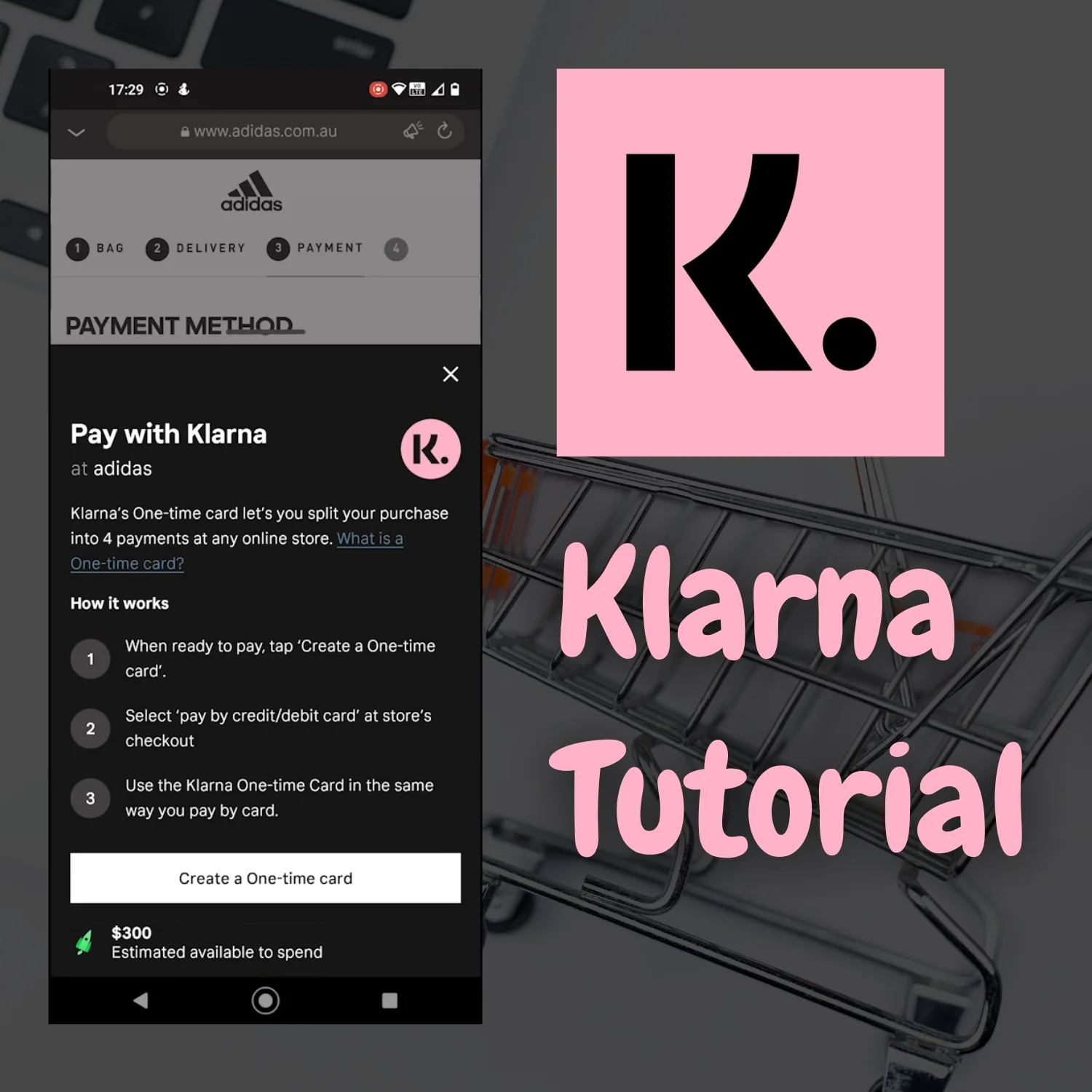
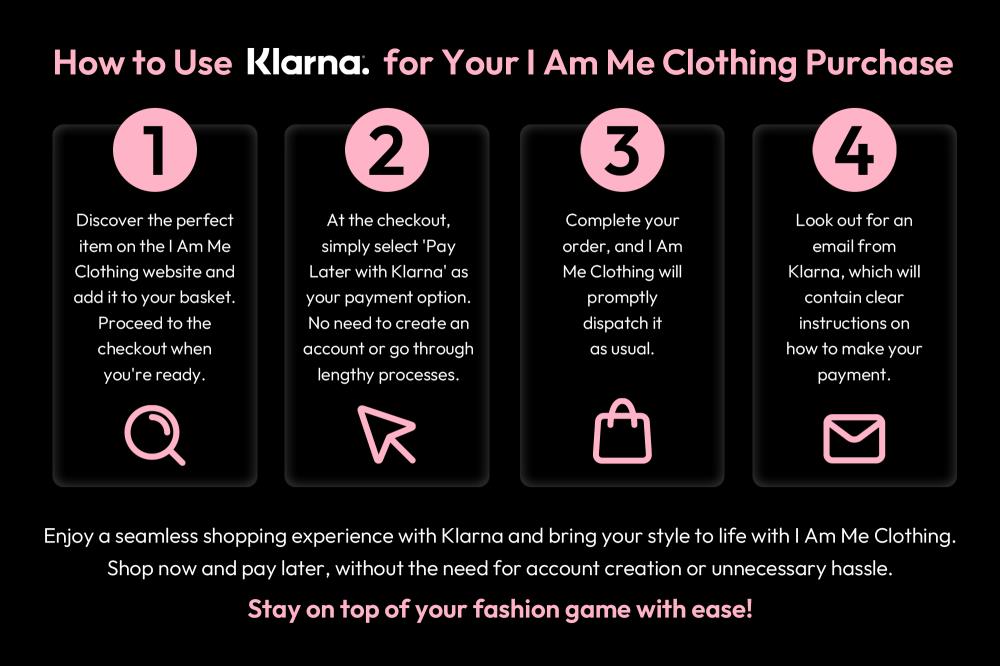
The most common way to use Klarna in-store is through the “One-time card” feature found within the Klarna mobile app. To initiate this, you must open the app and search for the specific retailer where you are shopping. Once selected, you enter the estimated amount you plan to spend (including taxes and potential shipping).
Klarna then generates a virtual Visa card. Financially speaking, this is a “ghost card” with a set limit. It ensures that you cannot overspend beyond your pre-approved amount, acting as a built-in budgeting tool that prevents the “impulse bloat” often associated with physical credit cards.
Integrating with Mobile Wallets (Apple Pay & Google Pay)
Once the One-time card is generated, it is not merely a string of numbers. For an efficient in-store experience, you can add this virtual card to your Apple Wallet or Google Pay. This allows you to use the “Tap to Pay” functionality at the register. By leveraging these mobile wallets, you maintain a layer of digital security; your actual bank details are never shared with the merchant, reducing the risk of identity theft and unauthorized financial exposure.
Managing Your Cash Flow: The Math Behind the Transaction
Personal finance is a game of cash flow management. Klarna’s in-store utility is best utilized when it is viewed as a way to preserve liquidity rather than a way to spend money you do not have.
The “Pay in 4” Model: A Zero-Interest Strategy
The “Pay in 4” model is the flagship of Klarna’s financial products. If you purchase a $400 item in-store, you pay $100 immediately. The remaining $300 stays in your high-yield savings account or checking account, potentially earning interest or covering other immediate liabilities, while you pay it off over the next six weeks. As long as you adhere to the schedule, the cost of capital is zero. This is a sophisticated way to leverage “other people’s money” to facilitate your own household budgeting.
Financing Larger Purchases: Monthly Payment Plans
For significantly larger in-store purchases—such as furniture or high-end electronics—Klarna offers traditional financing. Unlike the “Pay in 4” model, these plans may involve interest rates and longer repayment terms (6 to 36 months). From a financial planning perspective, it is crucial to compare these rates against your existing credit lines. In some cases, Klarna’s promotional financing may offer a lower APR than a standard bank-issued credit card, making it the more fiscally responsible choice for big-ticket items.
Impact on Your Financial Health and Credit Profile
Every financial decision leaves a footprint. Understanding how Klarna interacts with credit bureaus is vital for anyone looking to maintain or build their credit score.
Soft Credit Checks vs. Hard Inquiries
When you use the “Pay in 4” feature in-store, Klarna typically performs a “soft” credit check. This allows them to verify your identity and financial standing without impacting your credit score. This is a significant advantage over applying for a new store credit card at the register, which results in a “hard” inquiry that can temporarily lower your score. However, for longer-term financing options, Klarna may perform a hard credit check, so it is important to read the disclosures within the app before finalizing the transaction.
The Psychological Trap of Delayed Payments
While the math of BNPL is sound, the psychology can be treacherous. Financial tools that “smooth” the pain of payment can lead to over-consumption. When using Klarna in-store, there is a risk of “stacking” multiple plans. While one $25 bi-weekly payment seems negligible, five concurrent plans create a $125 bi-weekly liability. Professional financial management requires tracking these fragmented obligations to ensure they do not exceed your discretionary income.
Best Practices for In-Store BNPL Usage
To truly master Klarna as a financial tool, one must move beyond the transactional and into the strategic. This means setting up safeguards that protect your primary capital.
Setting Spending Limits and Auto-Pay
The most effective way to use Klarna is to treat it as a scheduled bill rather than a debt. Within the app, you should always ensure that “Auto-pay” is enabled and linked to a debit card rather than a credit card. Linking it to a credit card can sometimes result in “double debt,” where you are paying off a BNPL loan with another high-interest loan. By linking it to a checking account, you ensure the money is coming directly from your earned income, keeping your debt cycle short and manageable.
Returns and Refunds: Handling the Financial Reversal
One of the complexities of using Klarna in-store is the return process. If you return an item purchased via a One-time card, the merchant will refund the amount to that virtual card. Klarna then processes the refund and adjusts your payment schedule or issues a credit to your original funding source.
From a personal finance standpoint, you must continue to make your scheduled payments until the return is fully processed by the merchant. Failure to do so can result in late fees, which instantly negates the 0% interest advantage of the BNPL model. Always keep your digital receipts and monitor the app for “Refund Pending” statuses to ensure your cash flow remains accurate.
In conclusion, using Klarna in-store is a sophisticated method of modern money management. When used with discipline, it serves as a zero-interest liquidity bridge that allows for better cash flow pacing. However, it requires a keen understanding of one’s own financial boundaries. By treating Klarna as a strategic tool rather than a license to overspend, consumers can enjoy the convenience of modern retail without compromising their long-term financial stability.
aViewFromTheCave is a participant in the Amazon Services LLC Associates Program, an affiliate advertising program designed to provide a means for sites to earn advertising fees by advertising and linking to Amazon.com. Amazon, the Amazon logo, AmazonSupply, and the AmazonSupply logo are trademarks of Amazon.com, Inc. or its affiliates. As an Amazon Associate we earn affiliate commissions from qualifying purchases.