
For the vast majority of households, a vehicle represents the second largest financial commitment after a primary residence. Yet, unlike real estate, which historically appreciates over time, a car is a depreciating asset—a complex financial instrument that loses value through usage, age, and market volatility. When an individual asks, “What is the value of my car?” they are not merely asking for a number; they are seeking to understand their net worth, their equity position, and their leverage in the secondary market.
In the realm of personal finance, understanding vehicle valuation is essential for effective asset management. Whether you are planning to trade in for a newer model, sell privately to boost your investment portfolio, or optimize your insurance coverage, a professional grasp of valuation mechanics is the first step toward making a sound financial decision.

The Mechanics of Depreciation and Market Valuation
To accurately assess a vehicle’s worth, one must first understand the forces that erode it. Depreciation is the largest “hidden” cost of car ownership. While fuel and insurance are monthly outlays, depreciation is a silent reduction in your wealth that only becomes tangible at the moment of sale.
The Immediate Impact: “Off-the-Lot” Depreciation
It is a well-documented financial reality that a new car loses a significant portion of its value—often between 15% and 25%—the moment it is driven off the dealership lot. This occurs because the vehicle transitions from a “new” product with a retail markup to a “used” commodity. From a financial perspective, the first three years are the most aggressive in terms of value loss. By year five, most vehicles have lost approximately 60% of their original MSRP. Understanding this curve is vital for anyone looking to maximize their “Money” strategy; buying a two-year-old vehicle often allows an investor to bypass the steepest part of the depreciation curve while still enjoying a modern machine.
Supply, Demand, and the Macroeconomic Climate
Beyond the physical wear and tear of a vehicle, external economic factors play a massive role in valuation. We have recently witnessed unprecedented shifts in the used car market due to global supply chain disruptions and semiconductor shortages. When new car production slows, the value of existing “used” inventory skyrockets. Conversely, high interest rates can depress car values as the cost of financing increases, reducing the pool of eligible buyers. When determining your car’s value, you must look beyond the odometer and consider the current health of the automotive industry and the broader economy.
Essential Financial Tools for Determining Accurate Value
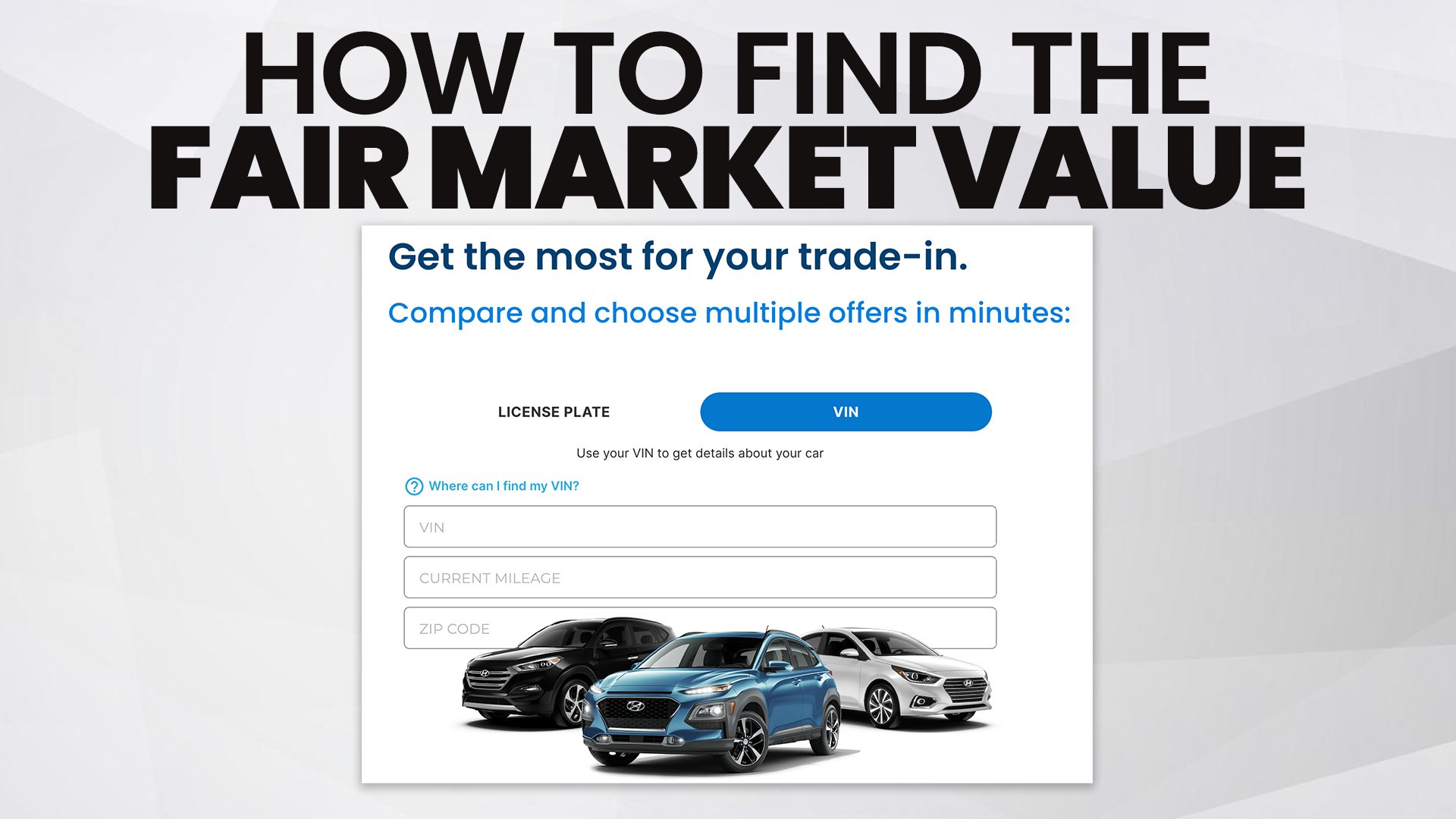
In the modern era, determining a car’s value has moved away from guesswork and toward data-driven analysis. Several sophisticated financial tools and platforms aggregate millions of data points to provide a “fair market value.”
Utilizing Algorithmic Appraisal Platforms
Platforms such as Kelley Blue Book (KBB), Edmunds, and NADA (National Automobile Dealers Association) are the gold standards for baseline valuations. These tools use proprietary algorithms to analyze regional sales data, auction results, and dealer inventory levels.
However, a savvy individual knows that there are different “values” for the same car. “Trade-in Value” is typically the lowest, reflecting what a dealer will pay to take the car off your hands quickly. “Private Party Value” is higher, reflecting what you might get by selling it yourself. “Retail Value” is the highest, representing what a consumer would pay at a dealership. Distinguishing between these figures is crucial for setting realistic expectations for your personal balance sheet.
Comparative Market Analysis for Private Sales
While algorithms provide a great starting point, a “boots on the ground” approach yields the most accurate results for those looking to maximize their return. This involves a Comparative Market Analysis (CMA)—a technique borrowed from the real estate industry. By searching listing sites like Autotrader, Cars.com, or even local marketplaces for the exact make, model, year, and mileage of your vehicle, you can see what the “asking prices” are in your specific zip code. This real-world data accounts for local nuances, such as the high demand for 4WD vehicles in snowy climates or fuel-efficient hybrids in urban centers with high gas prices.
Strategies to Protect and Maximize Your Vehicle’s Equity
If you view your car as a financial asset, you must treat its maintenance as a form of capital improvement. The difference between a “Good” condition car and an “Excellent” condition car can represent thousands of dollars in retained value.
Documentation as a Value Multiplier
In the world of personal finance, data is king. A vehicle with a complete, digitized service history is worth significantly more than an identical vehicle with no records. Detailed documentation proves to a buyer—whether a dealer or an individual—that the asset has been mitigated against catastrophic failure. This reduces the buyer’s risk, and in financial transactions, lower risk translates to a higher price. Keeping receipts for oil changes, tire rotations, and major mileage interval services serves as an insurance policy for your car’s resale value.
Strategic Timing: When to Liquidate Your Asset
Knowing when to sell is as important as knowing how to sell. There are “sweet spots” in a vehicle’s life cycle. Selling just before a major milestone—such as the expiration of a manufacturer’s warranty or the 100,000-mile mark—can prevent a sharp drop in valuation. Furthermore, seasonal timing is a factor; convertibles often command a premium in the spring, while SUVs and trucks see a price floor increase as winter approaches. By timing your exit from the asset, you can optimize your “Online Income” or “Side Hustle” potential if you are flipping vehicles for profit.
The Role of Financing and Insurance in Determining Net Value
Your car’s “market value” is only one part of the financial equation. To understand the true value to you, you must reconcile the market price with your liabilities.
Negative Equity and the “Underwater” Dilemma
A common pitfall in personal finance is “negative equity,” often referred to as being “underwater” on a car loan. This occurs when the market value of the vehicle drops faster than the principal balance of the loan is paid down. If your car is worth $15,000 but you owe the bank $18,000, your car is actually a $3,000 liability rather than an asset. Identifying this gap early is essential. It may necessitate a change in your repayment strategy, such as making extra principal payments to reach an “equity-positive” position before you attempt to sell or trade the vehicle.
Total Loss Protection and Actual Cash Value (ACV)
Finally, one must consider the value of the car from an insurance perspective. In the event of an accident, insurance companies pay out the “Actual Cash Value” (ACV), which is their assessment of what the car was worth the second before the collision. This is often lower than what a consumer expects. For those with high-value vehicles or significant loans, “Gap Insurance” is a vital financial tool. It covers the difference between the ACV and the remaining loan balance, protecting your other financial assets from being drained to pay off a destroyed vehicle.

Conclusion: The Car as a Component of Your Net Worth
Understanding “what the value of my car is” requires a shift in perspective. It is not just a mode of transport; it is a fluctuating entry on your personal balance sheet. By monitoring depreciation, utilizing professional appraisal tools, documenting maintenance, and managing the underlying debt, you transform a simple machine into a managed financial asset.
Whether you are looking to reinvest the proceeds from a sale into a side business or simply trying to lower your monthly overhead, a professional approach to vehicle valuation ensures that you are never left guessing. In the world of money and finance, clarity is the most valuable asset of all. By staying informed on the market and treating your vehicle with the same scrutiny as a stock portfolio, you ensure that when it comes time to move on, you are positioned for maximum financial gain.
aViewFromTheCave is a participant in the Amazon Services LLC Associates Program, an affiliate advertising program designed to provide a means for sites to earn advertising fees by advertising and linking to Amazon.com. Amazon, the Amazon logo, AmazonSupply, and the AmazonSupply logo are trademarks of Amazon.com, Inc. or its affiliates. As an Amazon Associate we earn affiliate commissions from qualifying purchases.