
Purchasing a truck is rarely a simple transaction; it is a significant financial milestone that requires a deep dive into personal or business capital allocation. Whether you are looking for a reliable workhorse for a side hustle or a heavy-duty vehicle for commercial operations, the question of “how much is a truck” goes far beyond the sticker price on the windshield. In the current economic climate, characterized by fluctuating interest rates and supply chain volatility, understanding the true cost of truck ownership is essential for maintaining long-term financial health.
Understanding the Price Spectrum: Market Volatility and Asset Depreciation
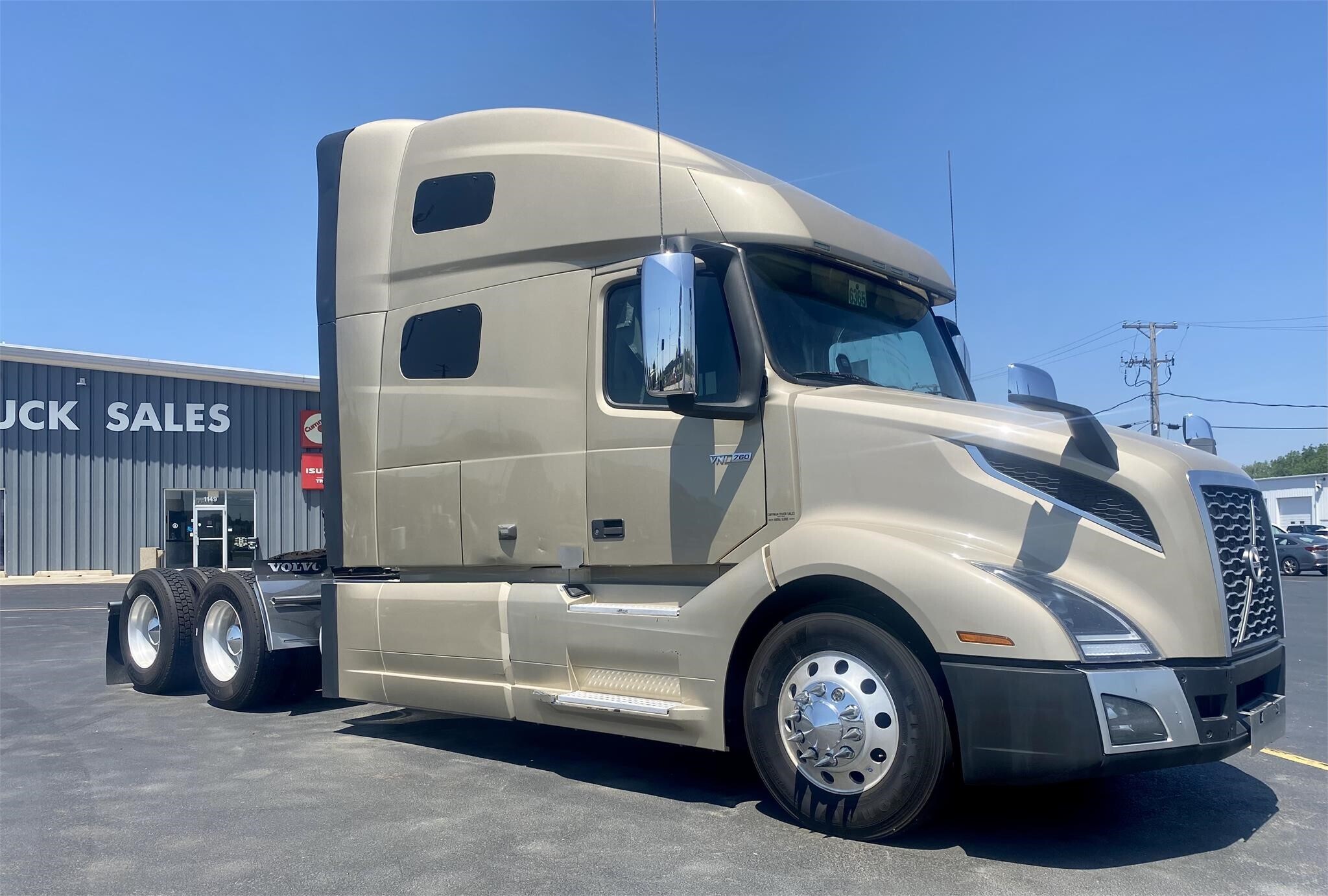
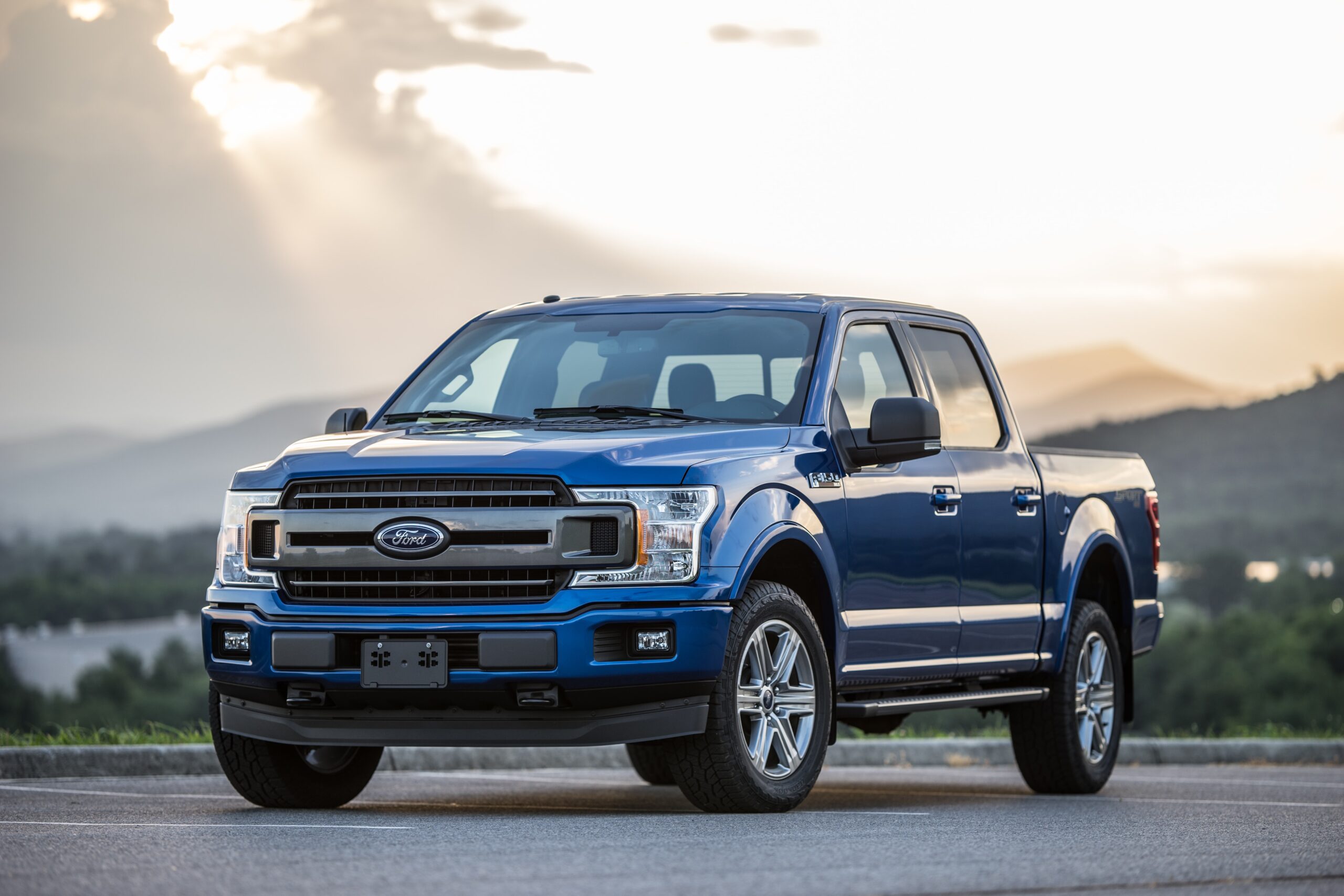
The initial purchase price of a truck varies wildly depending on the class, trim level, and market conditions. Generally, a mid-size pickup can start around $30,000, while heavy-duty diesel trucks equipped with luxury interiors can easily exceed $100,000. However, the sticker price is merely the point of entry.
The Impact of Market Trends and Inflation
In recent years, the automotive market has experienced unprecedented price surges. Supply chain disruptions and semiconductor shortages led to a “seller’s market,” where used trucks were occasionally selling for more than their original MSRP. From a financial planning perspective, this means buyers must be more diligent than ever. It is crucial to monitor the Manufacturer’s Suggested Retail Price (MSRP) versus the “market adjusted” price offered by dealers. Paying a premium above MSRP is a sunk cost that you are unlikely to recover, putting you “underwater” on your loan almost immediately.
The Depreciation Factor
Vehicles are traditionally depreciating assets. A new truck typically loses about 20% of its value within the first year and roughly 60% over five years. However, trucks—specifically those from brands with high reliability ratings—tend to hold their value better than sedans or luxury SUVs. From an investment standpoint, choosing a model with high resale value is a defensive financial strategy. By opting for a truck that retains 50% of its value after five years instead of 40%, you effectively lower your “cost of use” by thousands of dollars.
Assessing the Total Cost of Ownership (TCO)
A common mistake in personal finance is focusing solely on the monthly loan payment while ignoring the “Total Cost of Ownership” (TCO). For a truck, the TCO includes fuel, insurance, maintenance, and taxes. Over a five-year period, these secondary costs can often equal or exceed the original purchase price.
Fuel Efficiency and Operating Expenses
Trucks are notoriously heavy and less aerodynamic than smaller vehicles, leading to higher fuel consumption. When calculating your budget, you must factor in your estimated annual mileage and the average cost of fuel in your region. If you drive 15,000 miles a year in a truck that averages 15 miles per gallon, and gas is $3.50 per gallon, you are looking at $3,500 annually in fuel alone. For those using the truck for business or a side hustle, these costs must be weighed against the revenue the vehicle generates to ensure a positive net income.
Maintenance and Insurance Premiums
Maintenance for trucks is generally more expensive than for standard cars. Heavy-duty tires, larger oil capacities, and specialized suspension components carry a premium price tag. Furthermore, insurance companies often charge more for trucks due to the higher cost of repairs and the potential for greater liability damage in an accident. Before signing a purchase agreement, it is financially prudent to obtain insurance quotes for the specific VIN or model to ensure the premiums fit within your monthly cash flow requirements.
Strategic Financing and Acquisition Methods
How you pay for a truck is just as important as how much you pay. The financing structure can add thousands of dollars in interest over the life of the loan, or it can provide tax advantages that mitigate the cost of the vehicle.
Leasing vs. Buying: A Financial Comparison
Leasing a truck offers lower monthly payments and the ability to upgrade to a new model every few years, which can be advantageous for those who want to avoid out-of-warranty repair costs. However, from a long-term wealth-building perspective, buying is often superior. When you buy, you eventually eliminate the monthly payment and retain an asset with equity.
For businesses, the choice is even more nuanced. A lease might be treated as an operating expense, providing immediate tax relief, whereas a purchase is a capital expenditure that must be depreciated over several years. Consulting with a financial advisor to determine which method aligns with your tax strategy is vital.
Interest Rates and the Power of the Down Payment
In a high-interest-rate environment, the cost of borrowing can be staggering. A $50,000 truck financed at 7% over 72 months will cost nearly $11,500 in interest alone. To minimize this, financial experts recommend the “20/4/10” rule: put down at least 20%, finance for no more than 4 years, and ensure total vehicle costs do not exceed 10% of your gross monthly income. A larger down payment not only reduces interest costs but also provides a “buffer” against depreciation, ensuring you never owe more than the truck is worth.
The Truck as a Business Asset: ROI and Tax Implications
For many, a truck is not a luxury; it is a tool for income generation. When viewed through the lens of business finance, the “cost” of the truck should be evaluated based on its Return on Investment (ROI).
Section 179 Deductions
One of the most significant financial advantages of purchasing a truck for business use in the United States is the Section 179 tax deduction. This provision allows businesses to deduct the full purchase price of qualifying equipment—including many heavy-duty trucks—from their gross income in the year it was purchased. If your truck has a Gross Vehicle Weight Rating (GVWR) of over 6,000 pounds, you may be eligible to write off the entire cost, significantly lowering your tax liability and effectively “discounting” the truck by your marginal tax rate.
Calculating ROI for Commercial Use
If you are purchasing a truck for a side hustle, such as towing, delivery, or construction, you must calculate the “payback period.” This is the amount of time it takes for the net income generated by the truck to cover its purchase price and operating costs. For example, if a $40,000 used truck allows you to take on contracts that net $2,000 per month after expenses, the payback period is 20 months. Understanding this timeline is essential for determining whether the purchase is a sound business investment or a financial burden.
Conclusion: Making a Financially Sound Decision
The answer to “how much is a truck” is a dynamic figure that depends on your ability to manage debt, account for hidden costs, and leverage tax benefits. A truck can be a tool for building wealth or a drain on your personal net worth. By looking beyond the initial price tag and focusing on the total cost of ownership, interest expenses, and potential ROI, you can transform a major purchase into a strategic financial move.
Whether you are a small business owner looking for a tax-efficient asset or an individual needing a versatile vehicle for daily life, the key to success lies in rigorous budgeting and a clear-eyed view of your long-term financial goals. Always remember: the most expensive truck is not the one with the highest sticker price, but the one purchased without a comprehensive financial plan.
aViewFromTheCave is a participant in the Amazon Services LLC Associates Program, an affiliate advertising program designed to provide a means for sites to earn advertising fees by advertising and linking to Amazon.com. Amazon, the Amazon logo, AmazonSupply, and the AmazonSupply logo are trademarks of Amazon.com, Inc. or its affiliates. As an Amazon Associate we earn affiliate commissions from qualifying purchases.