
When navigating the complexities of personal finance, few assets are as misunderstood or as volatile as the automobile. For the majority of households, a vehicle represents the second-largest financial commitment after a home. However, unlike real estate, which traditionally appreciates, a car is a depreciating asset that requires a sophisticated understanding of market valuation to manage effectively. This is where the concept of “Blue Book value” becomes an indispensable tool in your financial arsenal.
Originally popularized by the Kelley Blue Book (KBB) company, the term has evolved into a universal shorthand for the fair market value of a vehicle. Understanding this value is not merely a matter of curiosity; it is a critical component of strategic wealth management, insurance optimization, and transactional negotiation. Whether you are looking to sell, trade-in, or simply assess your current net worth, knowing how to interpret and leverage your car’s Blue Book value is essential.

Understanding the Financial Mechanism of Blue Book Value
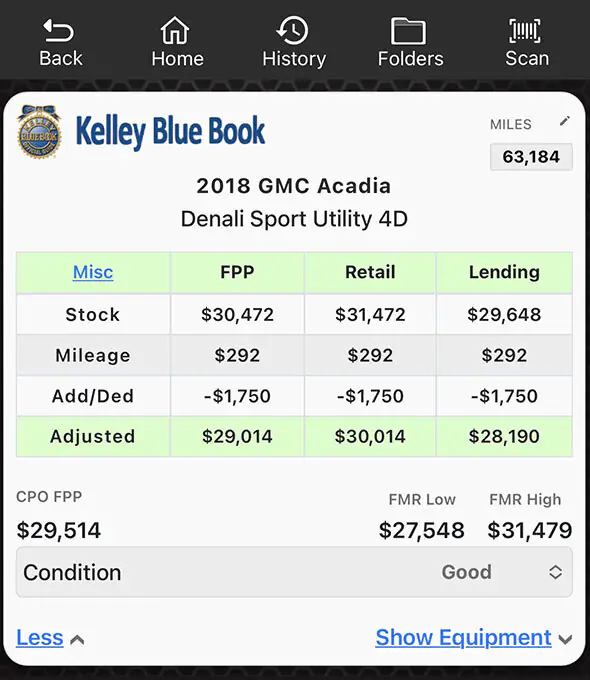
To manage your personal finances effectively, you must understand how asset valuation tools work. The “Blue Book” is not a single number but a dynamic data point derived from massive datasets including wholesale auctions, independent dealers, franchised dealerships, and private party transactions.
The Evolution of Valuation as a Financial Tool
In the early 20th century, determining the value of a used car was largely guesswork, often leaving consumers at a financial disadvantage during negotiations. The formalization of “Blue Book” values transformed the automotive market from a “lemon market”—where information asymmetry favored the seller—into a more transparent environment. Today, these values are updated weekly to reflect real-time economic shifts, inflation, and consumer demand. For the modern investor or budget-conscious individual, this transparency allows for precise tracking of asset depreciation.
How Valuation Impacts Your Net Worth and Asset Liquidity
In a balanced balance sheet, your car is listed under “Assets,” while any remaining car loan is a “Liability.” The difference between the Blue Book value and your loan balance represents your equity in the vehicle. If the Blue Book value drops significantly below your loan balance—a state known as being “underwater”—your net worth takes a direct hit. Monitoring this value allows you to make informed decisions about when to sell an asset before it reaches a “diminishing return” stage, where maintenance costs exceed the residual value of the car.
Key Factors Influencing Your Car’s Market Worth
A vehicle’s value is not static. It is influenced by a myriad of internal and external factors that can cause the financial outlook of your asset to fluctuate monthly. By understanding these variables, you can take proactive steps to preserve the value of your investment.
Depreciation: The Silent Wealth Destroyer
Depreciation is the single largest “cost” of vehicle ownership, often exceeding the cost of fuel or insurance. Most new cars lose approximately 20% of their value in the first year and roughly 60% after five years. However, not all cars depreciate at the same rate. Financial experts often suggest researching the “resale value” or the “projected Blue Book value” of a vehicle before purchasing it. Choosing a vehicle with a historically high Blue Book retention rate is a fundamental strategy for minimizing long-term financial loss.
The Impact of Condition, Mileage, and Documentation
From a financial perspective, your car’s condition is a graded variable. KBB and similar tools typically categorize cars as “Excellent,” “Very Good,” “Good,” or “Fair.” Moving from “Good” to “Excellent” can represent a difference of thousands of dollars in your pocket.
- Mileage: Every mile driven is a literal deduction from the asset’s value. Standard depreciation models assume 12,000 to 15,000 miles per year; exceeding this can lead to an accelerated loss of value.
- Maintenance History: A well-documented service history acts as a “value floor.” In a private party sale, a stack of receipts proving consistent oil changes and preventative maintenance can justify a price at the higher end of the Blue Book spectrum.
Regional Demand and External Economic Variables
The Blue Book value of your car in Southern California may differ significantly from its value in rural Maine. Seasonal changes and regional geography affect demand. For instance, a four-wheel-drive SUV will command a higher financial premium in snowy climates during the autumn months. Furthermore, external factors like fuel prices directly correlate with valuation; when gas prices spike, the Blue Book value of fuel-efficient hybrids tends to rise, while the value of heavy-duty trucks may stagnate.

Strategic Uses of Blue Book Data in Personal Finance
Knowing your car’s value is only the first step. The real financial benefit comes from how you apply this data to your broader economic strategy.
Maximizing ROI During a Sale or Trade-In
When it comes time to liquidate your asset, you will encounter two primary values: “Trade-In Value” and “Private Party Value.”
- Trade-In Value: This is typically lower because the dealership must factor in their own profit margin and reconditioning costs. From a financial standpoint, this is the “cost of convenience.”
- Private Party Value: This is the amount you can expect to receive if you sell the car yourself. This value is higher, providing a better Return on Investment (ROI), though it requires more “sweat equity” (time and effort).
By checking the Blue Book value beforehand, you set a “reservation price”—the lowest amount you are willing to accept—which prevents you from being coerced into an unfavorable deal at the dealership.
Insurance Optimization and Claims Management
Your insurance premiums are based, in part, on the value of the asset being insured. If your car’s Blue Book value has dropped significantly, you might be overpaying for “Collision” or “Comprehensive” coverage. A common financial rule of thumb is that if the annual cost of your collision coverage plus your deductible exceeds 10% of the car’s Blue Book value, it may be time to drop that coverage and “self-insure” for repairs. Furthermore, in the event of an accident where the car is “totaled,” the insurance company will offer a settlement based on the Actual Cash Value (ACV), which is heavily derived from Blue Book data. Knowing this number allows you to dispute a low-ball settlement offer with hard data.
Budgeting for Future Vehicle Acquisitions
A savvy financial plan includes a “sinking fund” for your next vehicle. By tracking the Blue Book value of your current car, you can accurately project your future trade-in equity. This allows you to calculate exactly how much cash you need to save to purchase your next vehicle without taking on high-interest debt. It turns a reactive purchase into a proactive financial maneuver.
Comparing Valuation Tools for Financial Accuracy
While “Kelley Blue Book” is the most famous name in the industry, it is not the only source of truth. Relying on a single data point can be a financial mistake.
KBB vs. NADA and Edmunds: Finding the Median
For the most accurate financial picture, it is wise to cross-reference multiple valuation platforms:
- Kelley Blue Book (KBB): Often reflects the highest “asking prices” and is very consumer-friendly.
- NADA (National Automobile Dealers Association): Now powered by J.D. Power, this tool is frequently used by credit unions and banks to determine how much they are willing to lend on a specific vehicle.
- Edmunds: Known for its “True Market Value” (TMV) tool, which often provides a more conservative, realistic look at what cars are actually selling for in your specific zip code.
By averaging these three sources, you arrive at a “Median Market Value,” which is the safest number to use for financial planning.
Why “Wholesale” vs. “Retail” Matters for Your Bottom Line
Financial literacy involves understanding the spread between wholesale and retail prices. Banks and lenders often look at the “Wholesale” or “Black Book” value when determining loan-to-value (LTV) ratios. If you are looking to refinance a car loan to get a lower interest rate, the lender will check the wholesale Blue Book value to ensure the collateral (the car) is sufficient to cover the loan. If the car has depreciated too quickly, you may be denied a refinance, regardless of your credit score.
Conclusion: The Car as a Component of Wealth
Viewing your car through the lens of its Blue Book value shifts your perspective from seeing it as a mere appliance to seeing it as a managed financial asset. In the landscape of personal finance, every dollar saved on depreciation, every extra hundred dollars gained in a sale, and every premium dollar optimized on insurance contributes to your long-term wealth.
By consistently monitoring “what is the blue book value for my car,” you gain the leverage needed to navigate the automotive market with confidence. You move from a position of uncertainty to one of data-driven decision-making. Whether the market is experiencing a bubble or a downturn, your understanding of asset valuation remains your greatest protection against financial loss. Treat your vehicle’s value with the same rigor you apply to your 401(k) or your savings account, and you will find that your mobility no longer comes at the expense of your financial freedom.
aViewFromTheCave is a participant in the Amazon Services LLC Associates Program, an affiliate advertising program designed to provide a means for sites to earn advertising fees by advertising and linking to Amazon.com. Amazon, the Amazon logo, AmazonSupply, and the AmazonSupply logo are trademarks of Amazon.com, Inc. or its affiliates. As an Amazon Associate we earn affiliate commissions from qualifying purchases.