
Navigating the world of specialized credit can often feel like a balancing act between utility and limitation. For homeowners and renters alike, the Synchrony HOME™ Credit Card represents a unique financial instrument designed to bridge the gap between high-ticket home necessities and manageable monthly cash flow. Unlike a standard store card tied to a single retailer, the Synchrony HOME Credit Card operates on a broader network, offering a versatile solution for those looking to renovate, furnish, or upgrade their living spaces. Understanding exactly where and how to use this card is the key to unlocking its full financial potential while maintaining a healthy credit profile.
Understanding the Synchrony HOME Credit Card Ecosystem
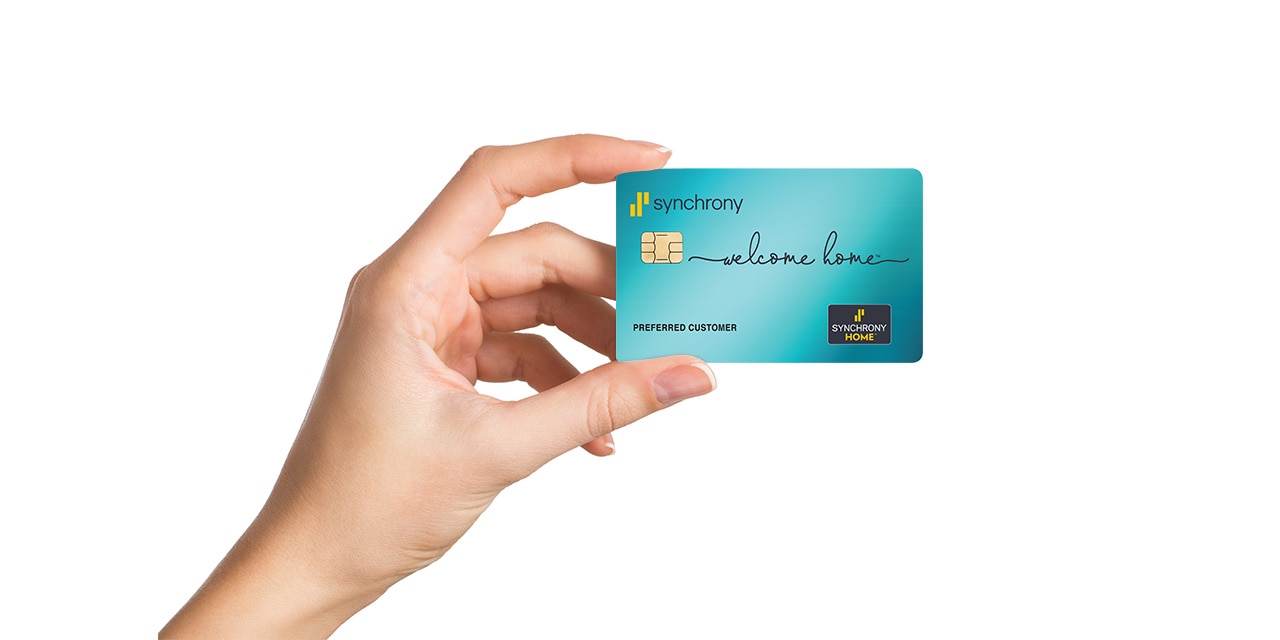
Before diving into specific retailers, it is essential to understand the structural nature of the Synchrony HOME Credit Card. It occupies a “middle ground” in the credit market. It is more flexible than a closed-loop card (which only works at one store) but more specialized than a general-purpose Visa or Mastercard.
What Makes the Synchrony HOME Card Unique?
The primary differentiator of this card is its focus on “home-related” expenditures. Synchrony Bank has curated a massive network of retailers—ranging from local boutiques to national powerhouses—that accept the card. The “Money” niche value proposition here is the promotional financing. For many users, the card serves as a dedicated line of credit for large projects, keeping home expenses separate from daily living costs like groceries or gas. This separation is a sophisticated way to track home equity investments and maintenance costs.
The Synchrony HOME Network vs. The HOME Mastercard
It is important to distinguish between the two versions of this card. The standard Synchrony HOME Credit Card is accepted at over a million locations nationwide within the Synchrony HOME network. These locations are specifically vetted to be home-related. On the other hand, the Synchrony HOME Mastercard offers the same home-network benefits but can also be used anywhere Mastercard is accepted. For the purpose of strategic financial planning, most users focus on the specialized network to take advantage of the 0% interest promotional periods that are the hallmark of this financial tool.
Top Retail Categories and Partner Locations
The versatility of the Synchrony HOME card is most evident when looking at the sheer variety of categories it covers. It isn’t just for a new sofa; it covers the infrastructure of your home, from the roof to the basement floor.
Furniture and Home Decor
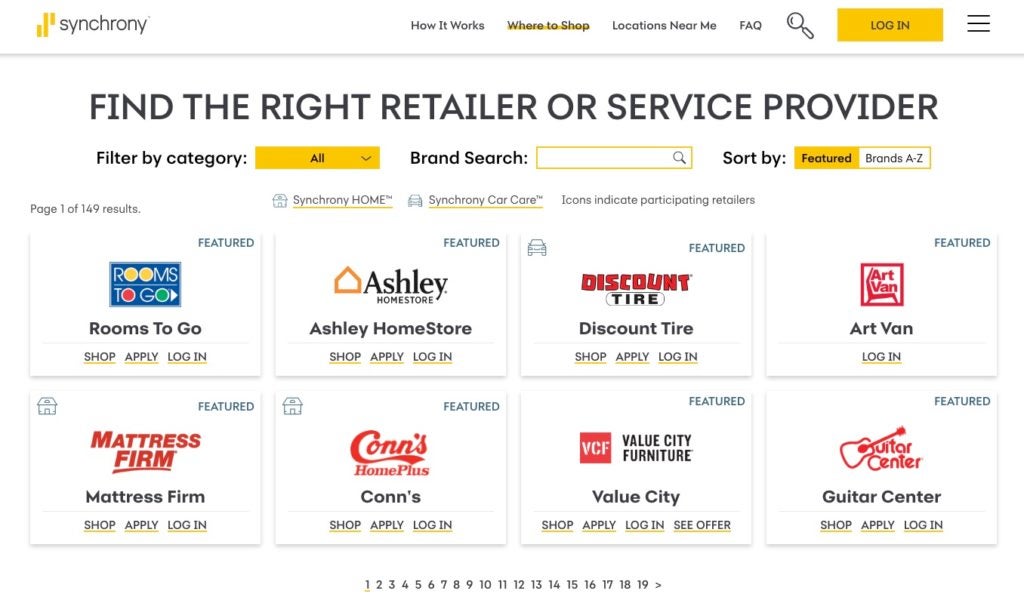
The most common use for the Synchrony HOME card is in the furniture sector. Major national retailers like Ashley Furniture, La-Z-Boy, and Mattress Firm are prominent partners. Because furniture often requires a significant upfront investment, the card’s ability to offer 6-to-60-month promotional financing (depending on the retailer and purchase size) makes it a preferred alternative to personal loans. Beyond the “big box” names, many local, independent furniture stores are also part of the network, allowing you to support local businesses while utilizing corporate-backed financing.
Appliances and Electronics
When a refrigerator dies or a washing machine floods a laundry room, it is rarely a planned expense. The Synchrony HOME card is accepted at a wide array of appliance specialists and electronics retailers. This includes regional giants like P.C. Richard & Son or specialized tech outlets. For the financially savvy consumer, using the card for appliances allows for “emergency” replacements without depleting a liquid emergency fund, provided the balance is paid off within the promotional window.
Flooring, Roofing, and Home Improvement
Infrastructure upgrades are perhaps the most strategic use of the card. Retailers specializing in flooring (such as Lumber Liquidators or local carpet warehouses), roofing, and HVAC systems often accept the Synchrony HOME card. These are “high-value” improvements that typically increase the resale value of a property. By utilizing a dedicated credit line for a new roof or hardwood floors, a homeowner can manage their debt-to-income ratio more effectively than by putting such a massive charge on a high-interest general rewards card.
Strategies for Navigating Promotional Financing
In the realm of personal finance, the “cost of money” is a critical metric. The Synchrony HOME Credit Card is built on the foundation of promotional financing, which can be a powerful tool or a significant pitfall depending on how it is managed.
Deferred Interest vs. Equal Payments
The card typically offers two types of promotions. The first is “Deferred Interest,” often for 6 months on purchases of $299 or more. This is a “Money” trap for the unwary: if the balance is not paid in full by the end of the period, interest is charged retroactively from the purchase date. The second is “Equal Monthly Payments,” often reserved for much larger purchases. This is a more transparent path, where the total is divided into equal chunks at a 0% or low APR. Identifying which promotion applies to your purchase is the first step in responsible debt management.
Avoiding the “Interest Trap”
To use this card as a wealth-building or savings tool, one must be disciplined. The standard APR on the Synchrony HOME card (for non-promotional purchases or after a promo expires) is significantly higher than the national average for general-purpose cards. Therefore, the “Golden Rule” of the Synchrony HOME card is to never carry a balance beyond the promotional period. Setting up automated payments that exceed the minimum—calculated to hit a zero balance one month before the promo ends—is the smartest way to leverage Synchrony’s capital for free.
Digital Tools and Managing Your Account for Long-term Credit Health
Modern personal finance is increasingly digital, and how you interact with your credit card’s online interface can impact your overall credit score.
The Synchrony Bank Mobile App
Synchrony provides a robust mobile platform that allows users to track their promotional windows. Unlike many other cards where the “expiration date” of a 0% offer is buried in a paper statement, the app provides clear visibility. For those managing multiple home projects, this transparency is vital. You can see exactly which portion of your balance is interest-free and for how long, allowing for precise cash-flow forecasting.
Impact on Credit Score and Utilization
One often-overlooked aspect of store-branded or niche cards is their impact on credit utilization. These cards often come with high credit limits to accommodate large home purchases. If you have a $10,000 limit and use it for a $2,000 sofa, your utilization is a healthy 20%. However, if you use the card for a $9,000 kitchen remodel, your utilization spikes to 90%, which can temporarily lower your credit score. Savvy users monitor their “available credit” and may even request a limit increase before a major purchase to ensure their credit score remains stable during the renovation process.
Comparison: Synchrony HOME vs. Traditional Rewards Cards
When deciding “where” to use your card, you must also decide “if” you should use it over other options in your wallet. The choice usually boils down to a trade-off between rewards and liquidity.
When to Use Your HOME Card vs. a General Credit Card
If you have a general-purpose card that offers 2% or 3% cash back, it might seem like the better choice for a $1,000 purchase. However, if that card has an 18% APR and you cannot pay it off in 30 days, the interest will immediately negate your rewards. The Synchrony HOME card wins in scenarios where you want to keep your cash in a high-yield savings account (currently earning 4-5% interest) while paying off a home project over 12 months at 0% interest. This “arbitrage” strategy—earning interest on your own money while using the bank’s money for free—is a hallmark of advanced personal finance.
The Value of a Dedicated Home Line
Finally, there is a psychological and organizational benefit to using the Synchrony HOME card specifically at partner retailers. It acts as a “bucketed” account. When tax season arrives or when you are assessing the total investment made into your property for a future sale, having a single statement history that excludes your dining out, travel, and subscription services makes financial auditing much simpler. It transforms a simple credit card into a home-specific financial ledger, providing clarity and control over one of life’s most significant investments: the home.
aViewFromTheCave is a participant in the Amazon Services LLC Associates Program, an affiliate advertising program designed to provide a means for sites to earn advertising fees by advertising and linking to Amazon.com. Amazon, the Amazon logo, AmazonSupply, and the AmazonSupply logo are trademarks of Amazon.com, Inc. or its affiliates. As an Amazon Associate we earn affiliate commissions from qualifying purchases.