
Navigating the volatile landscape of airline pricing is no longer just a matter of luck; it is a sophisticated exercise in personal finance and strategic asset management. For the modern traveler, airfare often represents one of the most significant discretionary expenses in a quarterly or annual budget. Treating the purchase of a flight with the same analytical rigor one might apply to an investment portfolio can result in substantial savings, freeing up capital for other high-yield opportunities or enhancing the overall quality of the travel experience.
The core challenge lies in the airlines’ use of dynamic pricing—a complex algorithmic model that adjusts fares in real-time based on demand, inventory, and competitor behavior. To master this market, one must understand the fiscal cycles of the aviation industry and the specific windows of opportunity where price and value intersect.
1. The Economics of Dynamic Pricing and Market Volatility
At its heart, airline pricing is a lesson in microeconomics. Carriers operate on thin margins and high fixed costs, leading them to use “yield management” systems designed to extract the maximum amount of revenue from every seat. Understanding this mechanism is the first step toward making a financially sound purchase.
Supply, Demand, and the Algorithmic Price Shift
Airlines do not set a single price for a seat. Instead, they allocate “buckets” of tickets at various price points. As the lower-priced buckets are exhausted, the algorithm automatically moves to the next tier. This is why prices rarely drop as the departure date approaches—the airline assumes that travelers booking late are “price-insensitive” (often business travelers or those in emergencies) and are willing to pay a premium. From a financial planning perspective, waiting until the last minute is high-risk with low expected returns.
Understanding the “Sweet Spot” in the Booking Window
Data analysis from major financial travel aggregators suggests that there is a “Goldilocks” period for booking. For domestic flights within a standard market, the optimal booking window typically falls between 28 and 60 days before departure. For international routes, the window expands to 3 to 6 months. Purchasing too early (more than 10 months out) often means paying a baseline price before the airline has even begun to compete for the specific date. Purchasing too late subjects the buyer to the aforementioned scarcity pricing. By targeting these specific windows, consumers can achieve a significant reduction in their cost-per-mile.
2. Leveraging Financial Tools and Data-Driven Insights
To achieve the best Return on Investment (ROI) on a travel purchase, one must utilize the financial tools available in the digital marketplace. These tools act as a fiduciary assistant, monitoring market fluctuations to ensure that the buyer enters the market at the most advantageous time.
Utilizing Price Tracking Software for Market Entry
Just as an investor uses limit orders to buy stock at a specific price, travelers should use price tracking tools to monitor airfare. Platforms like Google Flights, Hopper, and Kayak offer sophisticated forecasting models. These tools analyze historical data to predict whether a fare is likely to rise or fall. From a budgetary standpoint, setting these alerts allows for “passive monitoring,” ensuring you don’t miss a dip in the market while focusing on other productive activities. This removes the emotional component of “FOMO” (fear of missing out) and replaces it with data-driven decision-making.
The Impact of Booking Day vs. Travel Day on ROI
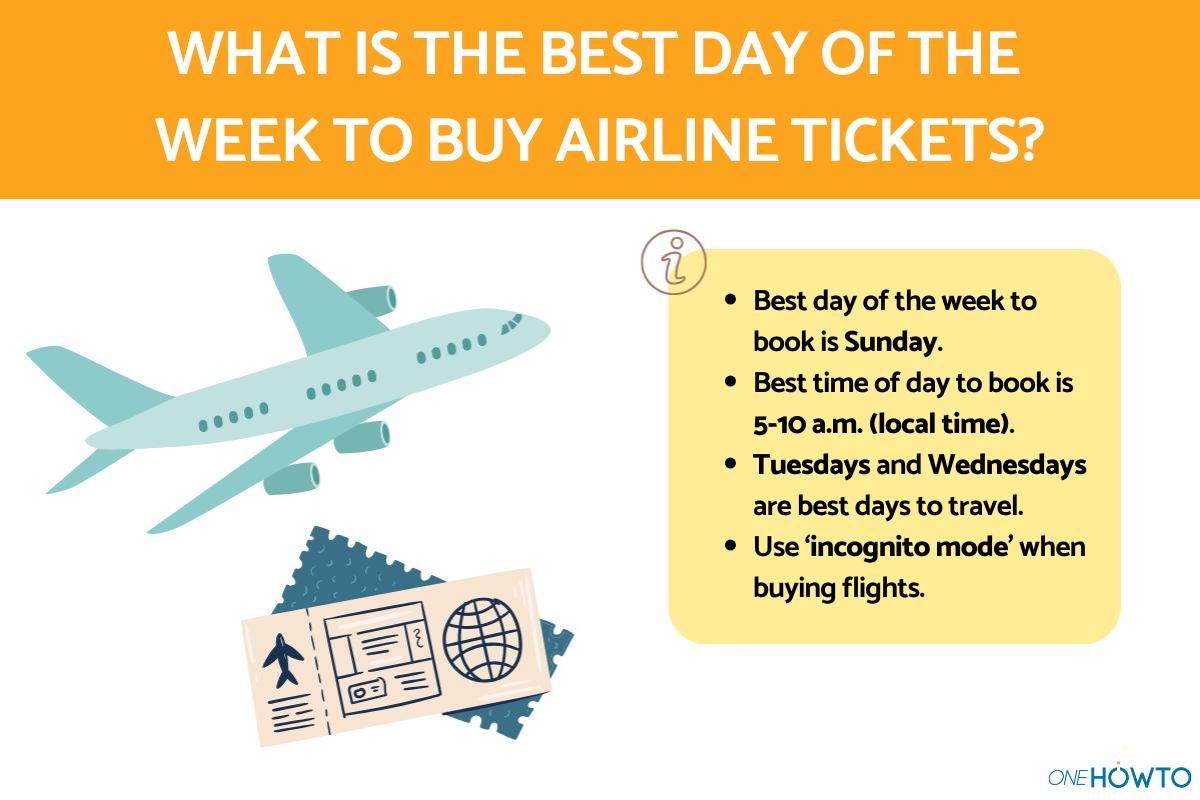
There is a common myth that booking on a Tuesday leads to the lowest prices. While this was true a decade ago when airlines manually pushed updates, it is less relevant in the age of 24/7 algorithmic pricing. However, the day of travel remains a massive financial variable. Flying on “off-peak” days—typically Tuesdays and Wednesdays—can reduce the ticket cost by as much as 20% to 40% compared to Friday or Sunday departures. When viewed as a business expense or a personal budget item, the “cost of convenience” for weekend travel is often too high to justify when the same service is available mid-week for a fraction of the price.
3. Maximizing Value Through Credit Card Strategies and Rewards
In the realm of personal finance, a flight purchase should never be viewed as a standalone transaction. It is an opportunity to leverage credit instruments and loyalty programs to generate future value.

Capitalizing on Points, Miles, and Cash Back
For those who maintain high credit scores, using a specialized travel rewards card is essential for flight acquisition. The effective price of a flight is lowered when one considers the “rebate” earned in the form of points or miles. High-tier cards often offer 3x to 5x points per dollar spent on travel. When these points are valued at 1.5 to 2 cents each, the consumer is essentially receiving an 8% to 10% discount on every ticket. Furthermore, the strategic use of “sign-up bonuses” can result in flights that are virtually free, representing a 100% savings on the principal cost.
Travel Insurance and Purchase Protection as Financial Safeties
A critical aspect of financial management is risk mitigation. Many premium credit cards offer built-in travel insurance, trip delay reimbursement, and baggage protection. When a consumer purchases a flight with these cards, they are effectively “insuring” their investment without the extra cost of a separate policy. This protects the buyer’s liquidity in the event of a cancellation or disruption, ensuring that a travel mishap does not turn into a significant financial loss.
4. Budgeting and Financial Planning for Seasonal Fluctuations
Just as one might hedge against inflation in an investment portfolio, travelers must hedge against “seasonal inflation” in the travel market. The timing of a purchase must be adjusted based on the calendar year.
Hedging Against Peak-Season Inflation
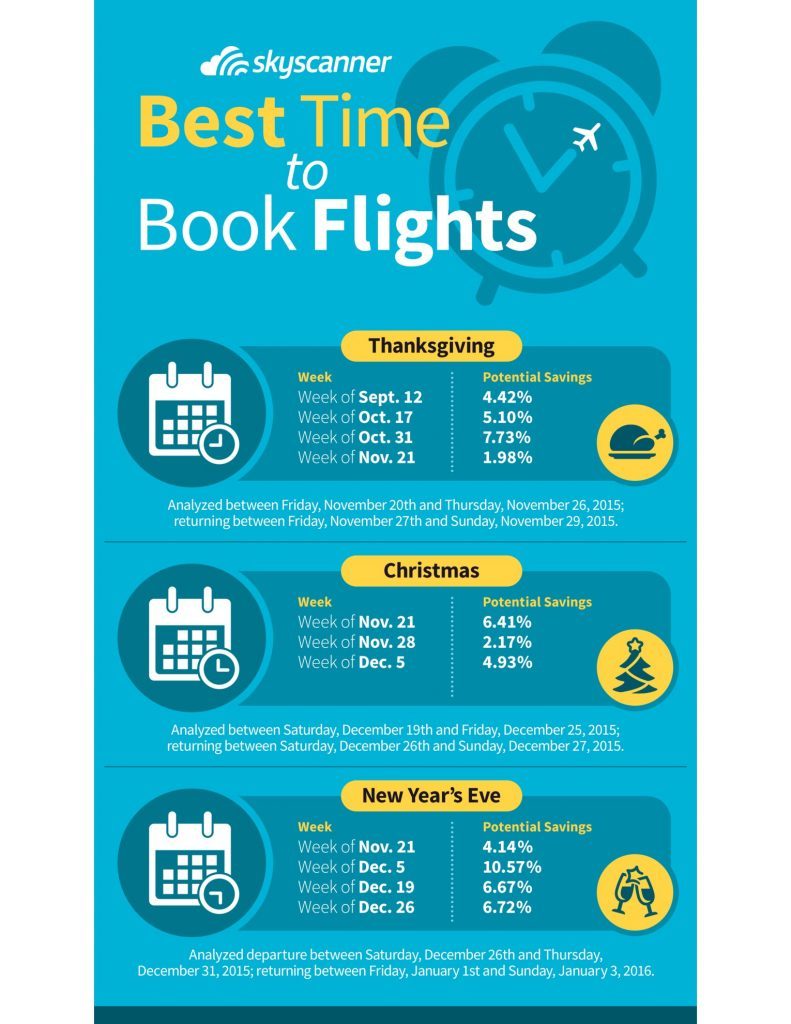
During high-demand periods—such as the December holidays, summer vacation, or major global events—the standard “sweet spot” windows are often discarded. For these dates, the best time to buy is as soon as the schedule opens (usually 330 days in advance). In this specific scenario, the demand is so consistently high that the price is unlikely to ever drop. Waiting for a “deal” during Christmas or New Year’s is a poor financial strategy that usually results in paying double or triple the initial offering.
Opportunity Cost and the Value of Flexibility
Financial success in travel often hinges on the concept of opportunity cost. If a traveler is rigid with their dates, they are at the mercy of the market. However, by utilizing “flexible date” calendars, a traveler can compare the cost of flying on the 10th versus the 12th of a month. Often, shifting a trip by just 48 hours can save hundreds of dollars. In a professional context, if a two-day shift saves $500, the “hourly rate” for that decision is incredibly high. Flexibility is perhaps the most valuable currency a traveler possesses in the quest for lower fares.
5. The Business Logic of Alternative Routes and Carriers
A final pillar of financial strategy in flight purchasing involves looking beyond the primary options. Market competition is the consumer’s best friend, and diversifying your search can lead to significant capital preservation.
The Role of Secondary Airports and Low-Cost Carriers
Major hubs often charge higher landing fees, which are passed on to the consumer. Searching for flights into secondary airports (e.g., Oakland instead of San Francisco, or Providence instead of Boston) can yield lower fares. Additionally, while “Legacy Carriers” offer a certain level of service, “Low-Cost Carriers” (LCCs) have disrupted the pricing model. For the budget-conscious traveler, unbundling the fare—paying only for the seat and adding extras only if necessary—is a way to customize the expense to fit a specific financial target.
Currency Arbitrage and Regional Pricing
For the advanced practitioner of financial travel strategy, there is the concept of “Point of Sale” (POS) optimization. Sometimes, purchasing a ticket through a version of the airline’s website designated for a different country (using their local currency) can reveal lower prices due to currency fluctuations or regional promotions. While this requires careful attention to foreign transaction fees on your credit card, it represents the pinnacle of “gaming” the system for maximum financial advantage.
Conclusion: The Disciplined Approach to Travel Spending
The “best” time to purchase a flight is not a single moment on a calendar, but rather the result of a disciplined financial process. It begins with early research to establish a “baseline price,” followed by the use of data-driven tracking tools to identify market dips. It involves the strategic use of credit instruments to earn rewards and protect the purchase, and it concludes with the flexibility to adapt to the market’s demands.
By treating airfare as a serious financial commitment rather than a whim, travelers can significantly lower their annual expenditures. In the long run, the hundreds or thousands of dollars saved through these strategies can be redirected into interest-bearing accounts, retirement funds, or business ventures, proving that the way you spend on travel is just as important as the way you earn. Mastery over the “when” and “how” of flight purchasing is a hallmark of the financially literate modern consumer.
aViewFromTheCave is a participant in the Amazon Services LLC Associates Program, an affiliate advertising program designed to provide a means for sites to earn advertising fees by advertising and linking to Amazon.com. Amazon, the Amazon logo, AmazonSupply, and the AmazonSupply logo are trademarks of Amazon.com, Inc. or its affiliates. As an Amazon Associate we earn affiliate commissions from qualifying purchases.