
For most households and solo professionals, travel represents one of the most significant discretionary expenses in an annual budget. While the desire to explore new horizons or visit family is a vital part of a balanced life, the volatility of airline pricing can often turn a well-planned financial goal into a budgetary nightmare. Understanding when to book a flight is no longer just about “getting a deal”; it is an exercise in strategic personal finance, market timing, and capital allocation.
In the world of finance, we often discuss “buying the dip” in the stock market. Booking a flight requires a similar mindset. By understanding the underlying economic drivers of the aviation industry and utilizing specific financial tools, you can ensure that your travel spending yields the highest possible return on investment (ROI) for your quality of life.
The Financial Logic of Airline Pricing Models
To master the art of booking at the right time, one must first understand the financial mechanisms that airlines use to set prices. Unlike a retail store where a shirt has a fixed price tag, airline seats are “perishable inventory” managed through sophisticated algorithms known as yield management systems.
Understanding Yield Management and Dynamic Pricing
Yield management is a variable pricing strategy based on anticipating and influencing consumer behavior to maximize revenue. From a financial perspective, an empty seat on a plane at takeoff is a total loss of potential revenue that can never be recovered. To prevent this, airlines use dynamic pricing—adjusting fares in real-time based on demand, remaining capacity, and historical data.
For the savvy traveler, this means that the “best time” to book is the moment when the airline’s algorithm predicts a surplus of seats. If you book too early, you may pay a premium for the certainty of the seat. If you book too late, you fall into the “distress purchase” category, where airlines know you are willing to pay a high price because you have no other options.
The Impact of Supply and Demand on Your Wallet
The aviation market operates on the fundamental law of supply and demand. During peak financial periods—such as summer vacations, year-end holidays, or major global events—demand skyrocketed, allowing airlines to increase prices significantly. Conversely, during “shoulder seasons,” demand drops, and airlines lower prices to maintain cash flow.
From a personal finance standpoint, the best way to optimize your travel budget is to “arbitrage” your schedule. If your income or career allows for flexibility, booking flights during periods of low demand (such as late January or early November) can reduce your travel costs by as much as 40%, effectively increasing your purchasing power for other investments.
Strategic Timing: Data-Driven Booking Windows
While many myths suggest that booking on a Tuesday at midnight is the secret to low fares, modern data analytics suggests a more nuanced reality. The “best time” is less about the day of the week you click “purchase” and more about the lead time before your departure.
The “Goldilocks” Period for Domestic and International Travel
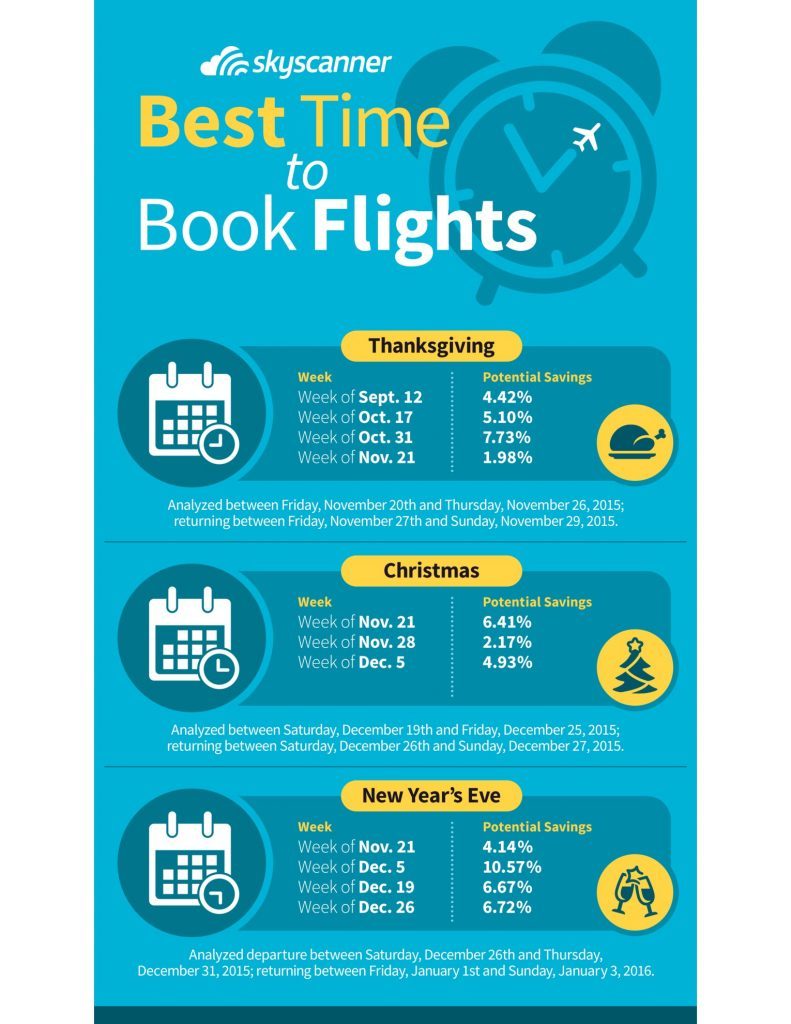
Financial experts and travel data aggregators generally identify a “Goldilocks” window—a period where prices are at their statistical low point. For domestic flights, this window typically opens 1 to 3 months before departure. For international travel, the window is wider, usually between 2 and 8 months.
Booking within these windows allows you to avoid the “early bird penalty” (where airlines set high prices for those who plan over a year in advance) and the “last-minute surge” (where business travelers with corporate expense accounts drive up prices). By treating your flight purchase as a planned capital expenditure rather than an impulse buy, you can consistently hit these optimal price points.
Mid-Week vs. Weekend Bookings: Debunking the Tuesday Myth
The old adage that Tuesday is the cheapest day to buy a flight is largely a relic of the past when airlines manually updated their fares once a week. Today, prices change by the minute. However, the day you fly remains a critical financial variable.
Statistically, departing on a Tuesday or Wednesday is significantly cheaper than flying on a Friday or Sunday. From a wealth-management perspective, if taking an extra day off work on a Tuesday saves you $300 on a flight, you must calculate whether your daily earning rate justifies that saving. For many, the “savings per hour” gained by flying mid-week far exceeds their hourly wage, making it a sound financial decision.

Financial Tools and Platforms for Fare Optimization
In the same way that investors use Bloomberg terminals or Robinhood to track stocks, travelers should use specialized financial tools to track airfare. Leveraging technology allows you to outsource the “market watching” to algorithms.
Utilizing Price Tracking and AI Prediction Tools
Tools like Google Flights, Hopper, and Kayak offer price tracking features that notify you when a fare drops. More importantly, some of these platforms use AI to predict whether a price is likely to rise or fall in the coming weeks.
Using these tools is akin to setting a “limit order” in stock trading. You decide the price you are willing to pay, and you let the technology alert you when the market meets your criteria. This removes the emotional stress of booking and prevents the “buyer’s remorse” of seeing a cheaper fare a week after you purchased your ticket.
Hedging Against Price Volatility with Cancellation Insurance
A sophisticated financial strategy for travel involves “hedging.” Many credit cards and third-party insurers offer “Cancel for Any Reason” (CFAR) insurance. While this carries an upfront cost, it acts as an option contract. If you book a flight at a decent price but later find a significantly cheaper “mistake fare” or a better route, the insurance allows you to liquidate your original position and rebook at the lower rate. This protects your capital while allowing you to take advantage of market volatility.
Travel Hacking as a Component of Personal Finance
For those looking to maximize their net worth, “travel hacking”—the strategic use of credit card rewards and frequent flyer miles—is a powerful tool. When done correctly, it transforms travel from an expense into a byproduct of your regular spending.
Maximizing Credit Card Rewards and Frequent Flyer Miles
The goal of a sound personal finance strategy is to maximize the “yield” on every dollar spent. By using travel-focused credit cards for everyday expenses (utilities, groceries, business costs), you accumulate points that can be redeemed for flights.
The “best time” to book using miles is often very different from the best time to book with cash. Airlines often release “award space” exactly 330 days out or at the very last minute (within 14 days of departure). Understanding this “mileage market” allows you to book business-class seats—which might cost $5,000 in cash—for a few hundred dollars in taxes and fees, representing a massive return on your points.
The Opportunity Cost of Last-Minute Bookings
In finance, opportunity cost is the loss of potential gain from other alternatives when one alternative is chosen. Booking a flight at the last minute isn’t just expensive; it’s a drain on your future investment potential. The $500 premium you pay for a last-minute flight is $500 that isn’t compounding in an S&P 500 index fund. By planning ahead and booking during the optimal windows, you are essentially paying your future self.
Building a Sustainable Travel Fund
Finally, the best time to book a flight is when you have the cash flow to support it without dipping into your emergency fund or high-interest debt.
Sinking Funds for Annual Vacations
A “sinking fund” is a strategic way to save for a specific expense over time. If you know you want to take a $2,400 trip in December, you should be moving $200 a month into a high-yield savings account starting in January. This ensures that when the “Goldilocks booking window” opens, you have the liquidity to strike immediately without hesitation.

Balancing Quality of Life with Long-term Savings Goals
Personal finance is not just about hoarding wealth; it is about using money as a tool to live a fulfilling life. While it is important to find the “best time” to book to save money, it is equally important to recognize when the value of a direct flight or a specific time slot outweighs the $50 savings of a 12-hour layover.
The ultimate financial goal is efficiency. By applying the principles of market timing, data analysis, and strategic rewards usage, you can navigate the complex world of airline pricing. This allows you to see the world while keeping your financial house in order, ensuring that your travel remains a source of joy rather than a source of fiscal stress.
aViewFromTheCave is a participant in the Amazon Services LLC Associates Program, an affiliate advertising program designed to provide a means for sites to earn advertising fees by advertising and linking to Amazon.com. Amazon, the Amazon logo, AmazonSupply, and the AmazonSupply logo are trademarks of Amazon.com, Inc. or its affiliates. As an Amazon Associate we earn affiliate commissions from qualifying purchases.