
For the modern traveler and the financially conscious individual, travel is more than just a getaway; it is a significant budgetary allocation. Whether you are traveling for business or leisure, the cost of airfare often represents the single largest expense of any trip. In the realm of personal finance, optimizing this expense is a form of “lifestyle hacking” that can save hundreds, if not thousands, of dollars annually.
However, the world of airline pricing is notoriously opaque. It is governed by complex revenue management algorithms, real-time demand fluctuations, and seasonal trends. For years, “urban legends” have dominated the conversation—most notably the idea that booking at 3:00 AM on a Tuesday is the secret to the lowest fares. But as technology and data analytics have evolved, so too has the reality of the market. To master the art of the “cheap ticket,” one must look beyond myths and understand the underlying financial mechanics of the aviation industry.
The Evolution of Booking Myths vs. Data-Driven Reality
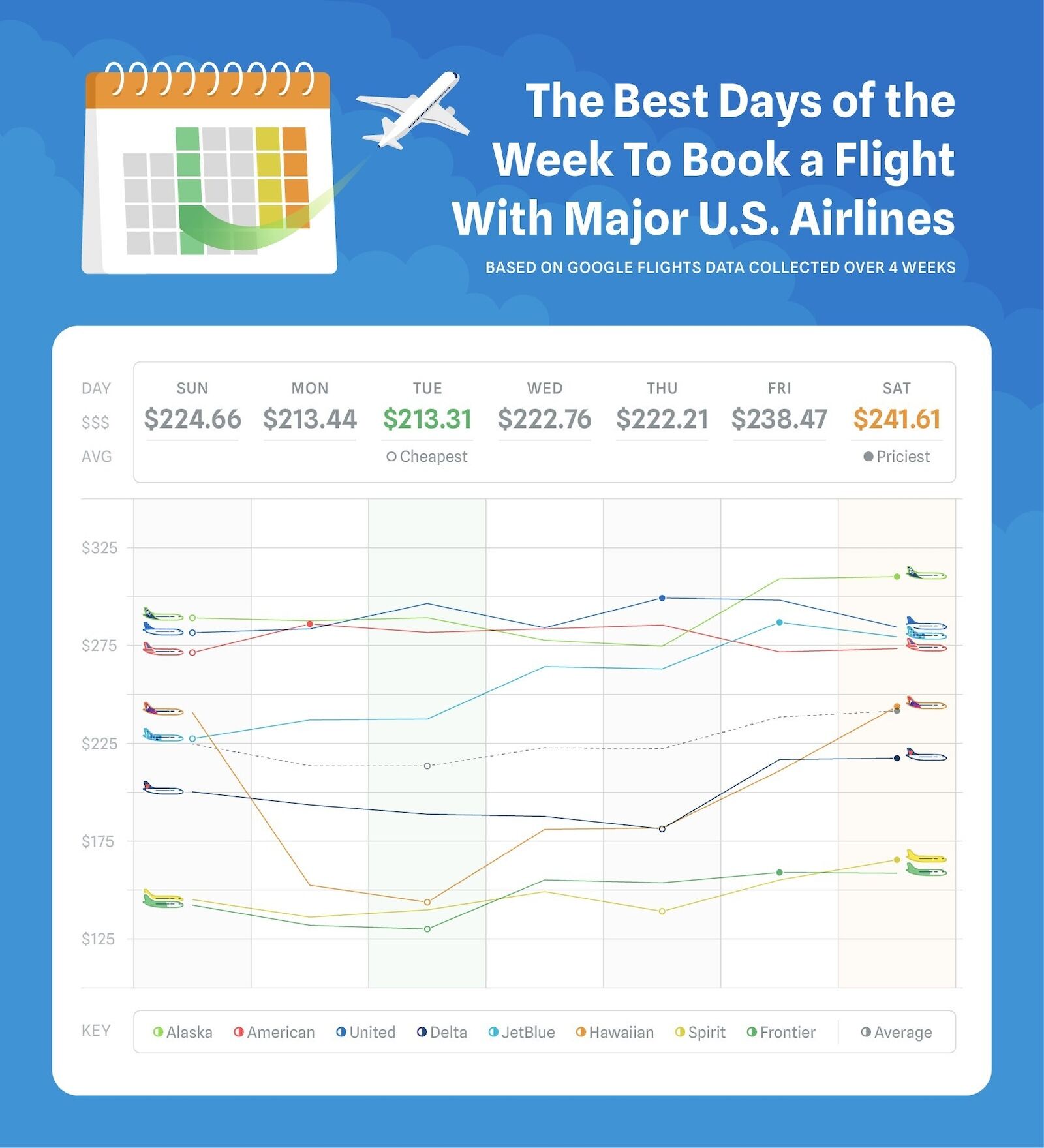
In the early days of digital booking, airline systems were updated in batches, often leading to price drops at specific times during the week. This gave rise to the persistent belief that Tuesday was the definitive cheapest day to buy. While there was once a shred of truth to this, the landscape of 2024 and beyond is vastly different.
The Shift from Tuesday to Sunday Bookings
Recent comprehensive data studies from travel conglomerates like Expedia and Google Flights suggest a surprising shift in consumer behavior and pricing models. For travelers booking in the North American and European markets, Sunday has emerged as the statistically superior day to purchase tickets. According to historical pricing data, travelers who book on a Sunday instead of a Friday or Saturday can save up to 15% on domestic flights and nearly 10% on international itineraries.
The logic behind this shift is rooted in corporate travel patterns. Business travelers, who are less price-sensitive and often booking on the company dime, tend to finalize their travel arrangements during the workweek (Monday through Friday). Airlines capitalize on this demand by maintaining higher price floors during these days. When the weekend arrives and corporate demand dips, airlines often adjust their algorithms to entice leisure travelers who are browsing from home.
The Myth of “Incognito Mode” and Price Tracking
Another common financial myth is that airlines track your cookies and raise prices if you search for the same flight multiple times. While dynamic pricing is real, there is little empirical evidence to suggest that “clearing your cookies” or using “Incognito Mode” significantly lowers the fare. Prices fluctuate based on “fare buckets” (the number of seats available at a specific price point). If a group of ten people books a flight while you are searching, you may see the price jump because the cheapest bucket was exhausted, not because the airline is tracking your specific IP address.
Optimizing the Booking Window for Maximum Financial Efficiency
In personal finance, timing is everything. Just as an investor looks for the right entry point in the stock market, a traveler must find the “Golden Window” for purchasing airfare. Booking too early can be just as financially detrimental as booking too late.
The Domestic Lead Time Strategy
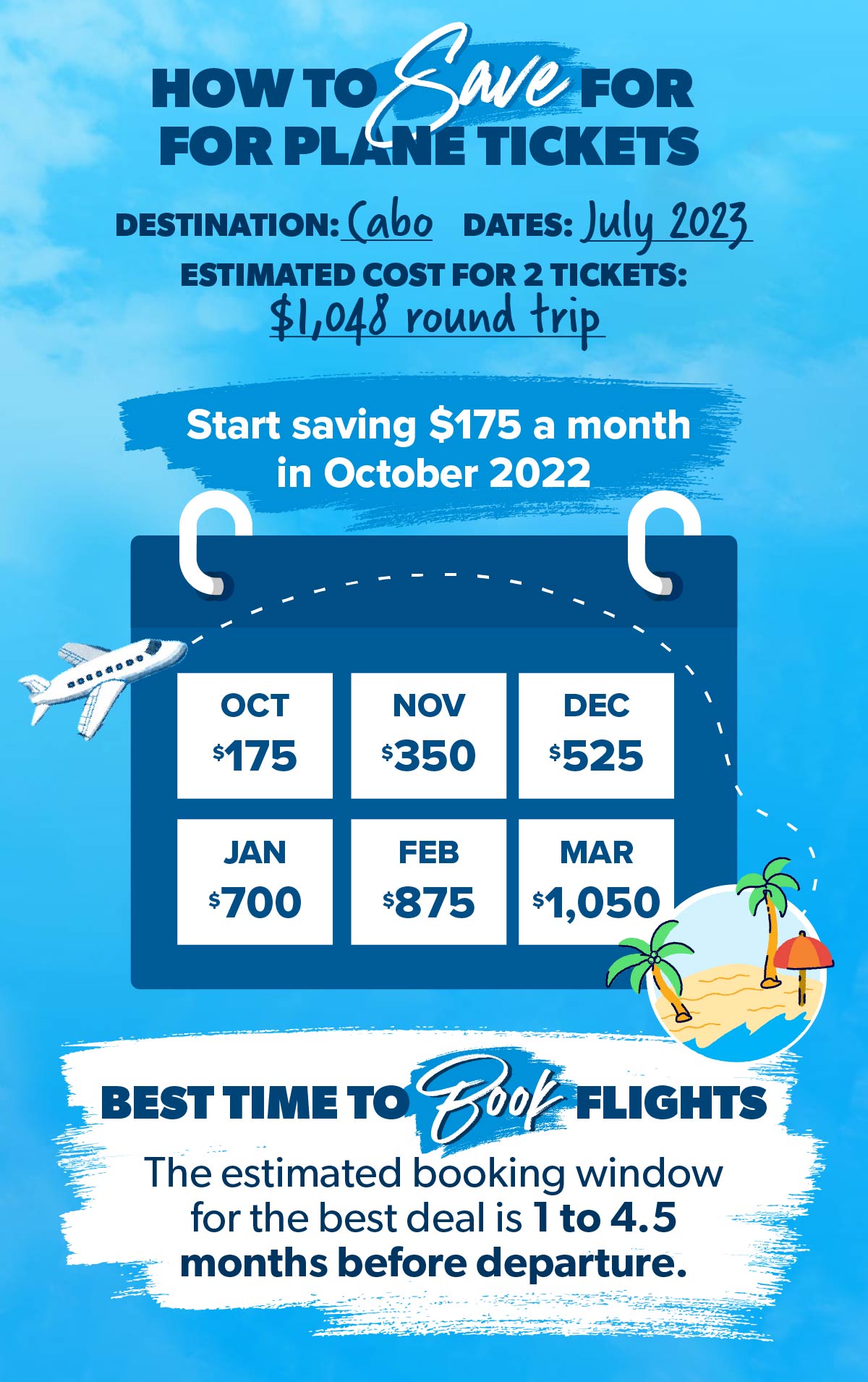
For domestic travel, the “sweet spot” for booking is typically between 28 and 60 days before departure. Within this window, airlines have a clear picture of their load factors (how many seats are filled) and will adjust prices to ensure the plane reaches maximum capacity.
If you book six months in advance, you are often paying a “convenience premium.” The airline has no incentive to lower the price yet because they haven’t started their primary marketing push for that flight. Conversely, booking within 21 days of departure triggers a “last-minute” algorithm that assumes the traveler is a desperate business flyer willing to pay a premium for a specific schedule. From a wealth-management perspective, setting a price alert two months out and pulling the trigger at the 45-day mark yields the highest ROI on your time and money.
International Strategic Planning
International travel requires a much longer runway for financial planning. Because the capital outlay is higher, the fluctuations can be more dramatic. Data suggests that for international transoceanic flights, the optimal booking window is 3 to 6 months in advance.
Unlike domestic flights, international routes are less likely to see “fire sales” as the date approaches due to the high cost of operations (fuel, landing fees, and staffing). For high-demand periods, such as summer in Europe or December in Southeast Asia, the window may even extend to 8 months. Treating an international flight purchase like a mid-term investment—monitoring the market and committing capital when the price hits a predetermined “buy” threshold—is the most effective way to protect your travel budget.
Leveraging Financial Tools and Loyalty Programs
To truly minimize travel costs, one must look beyond the sticker price. The total cost of a plane ticket can be offset by utilizing financial instruments and loyalty structures that reward consistent consumer behavior.
The Role of Travel Reward Credit Cards
In the ecosystem of personal finance, travel credit cards are perhaps the most powerful tool for reducing out-of-pocket airfare expenses. By strategically using cards that offer high-multiple points on everyday spending, travelers can effectively “earn” their tickets through their regular cost of living.
The most savvy travelers utilize a “transferable points” strategy. Rather than being locked into a single airline’s currency, they hold points with providers like Chase, American Express, or Capital One. These points can then be transferred to various airline partners when a “sweet spot” in the redemption chart opens up. For example, a flight that costs $1,200 in cash might be available for 60,000 points. If those points were earned at a rate of 3x per dollar on groceries and dining, the “real cost” of that ticket is significantly lower than the market rate.
Utilizing Cash-Back Portals and Dynamic Price Alerts
Before finalizing any purchase, a financially literate traveler uses “stacking” techniques. This involves starting a purchase through a cash-back portal (like Rakuten or TopCashback), which can offer 1% to 5% back on travel sites.
Furthermore, tools like Google Flights and Hopper have revolutionized the “when to buy” dilemma. These platforms use machine learning to analyze millions of data points, providing a “Buy,” “Wait,” or “Watch” recommendation. Many of these tools now offer price guarantees: if you book through their portal and the price drops later, they will refund you the difference. This eliminates the financial risk of “buyer’s remorse” and ensures you are getting the best market rate available.
Understanding Market Seasonality and Economic Influences
The final piece of the puzzle is understanding the macro-economic factors that influence airline pricing. Airfare does not exist in a vacuum; it is sensitive to fuel prices, inflation, and global demand shifts.
The Financial Advantage of “Shoulder Season” Travel
If your goal is to maximize the value of your dollar, the “when you fly” is often more important than the “when you book.” In the world of travel finance, the “Shoulder Season”—the period between peak and off-peak seasons—offers the highest value. For example, visiting the Mediterranean in September or October instead of July can result in airfare savings of 40% or more, while the weather remains favorable and crowds are diminished.
From a budgeting perspective, avoiding “Blackout Dates” (holidays, major festivals, school breaks) is the easiest way to keep costs low. Airlines know that demand is inelastic during these times—meaning people will pay whatever it takes to get home for the holidays. By shifting your travel dates by even 48 hours (flying on Thanksgiving Day instead of the Wednesday before), you can drastically reduce your capital expenditure.
Hedging Against Inflation and Fuel Surcharges
Airlines are highly sensitive to the price of oil. When fuel prices spike, “fuel surcharges” are passed directly to the consumer. For long-term financial planning, if you see energy prices trending upward globally, it is often wise to “lock in” your airfare early. Conversely, during periods of economic cooling, airlines may offer more aggressive sales to stimulate demand.
Monitoring the broader economic climate allows you to make informed decisions about when to hold your cash and when to convert it into a travel asset. This proactive approach to travel spending is a hallmark of sophisticated personal finance management.

Conclusion: The Professional Approach to Travel Savings
In conclusion, there is no single “magic day” that guarantees a cheap plane ticket, but there is a definitive strategy rooted in data and financial discipline. By debunking the Tuesday myth, understanding the 30-to-60-day booking window, leveraging high-value credit card rewards, and traveling during the shoulder season, you can master the economics of airfare.
Ultimately, the cheapest day to buy a plane ticket is the day you have done your research, set your alerts, and identified a price that fits within your long-term financial plan. Travel is an investment in your global perspective and personal well-being; by applying the same rigor to booking flights as you do to your investment portfolio, you ensure that every dollar spent yields the maximum possible return in experience and adventure.
aViewFromTheCave is a participant in the Amazon Services LLC Associates Program, an affiliate advertising program designed to provide a means for sites to earn advertising fees by advertising and linking to Amazon.com. Amazon, the Amazon logo, AmazonSupply, and the AmazonSupply logo are trademarks of Amazon.com, Inc. or its affiliates. As an Amazon Associate we earn affiliate commissions from qualifying purchases.