
Travel is often one of the most significant discretionary expenses in a household budget. For the savvy individual focused on personal finance and wealth management, the goal is not merely to “go on vacation” but to optimize the return on every dollar spent. In the world of aviation, prices are not static; they are the result of complex, high-frequency trading algorithms similar to those found in financial markets. Understanding when to buy is a critical component of a broader strategy for financial optimization.
For years, a pervasive myth suggested that Tuesday at midnight was the “magic hour” for booking flights. While there was once a grain of truth to this—largely due to how airlines manually updated their databases—the modern landscape of airline ticketing has shifted toward sophisticated dynamic pricing. To maximize your personal finance goals, you must move beyond myths and look at the data-driven reality of airline ticket procurement.
The Economics of Yield Management: Why Flight Prices Fluctuate
To understand why a ticket costs $200 today and $450 tomorrow, one must understand yield management. This is a variable pricing strategy, based on anticipating and influencing consumer behavior in order to maximize profits from a fixed, time-limited resource (like an airplane seat). For the consumer, understanding this is the first step in protecting their personal finance interests.
Understanding Dynamic Pricing Models
Airlines utilize sophisticated algorithms that monitor supply and demand in real-time. These systems track how many seats are left, how fast they are selling, and what the competition is charging. From a financial perspective, an airplane seat is a “perishable good.” Once the plane takes off, the value of an empty seat drops to zero. Consequently, airlines fluctuate prices to ensure the plane is as full as possible while extracting the highest possible “willingness to pay” from each passenger.
As a consumer, you are essentially participating in a live auction. The “cheapest day” to buy is less about a specific day of the week and more about the “booking window”—the period when the airline’s algorithm is most likely to offer a price that balances their need to fill seats with your need for a low fare.
The Role of Demand Elasticity in Travel Budgeting
In economics, price elasticity of demand measures how much the quantity demanded of a good responds to a change in the price of that good. Leisure travelers are generally “price elastic”—if the price is too high, they won’t go. Business travelers are “price inelastic”—they must travel regardless of cost.
Airlines use the timing of your purchase to guess which category you fall into. Booking months in advance signals that you are a budget-conscious leisure traveler looking for a deal. Booking three days before departure signals that you are likely a business traveler with a corporate card who is less concerned with the price. Therefore, the “cheapest day” is logically tied to how far in advance you are willing to commit your capital.
Timing Your Investment: Identifying the Optimal Booking Window
If you treat travel as a financial investment, the timing of your “entry point” into the market is vital. While the “Tuesday myth” has faded, data from travel aggregators and financial analysts suggest that there are still specific patterns that can be exploited to save money.
The Myth of the “Magic Tuesday” vs. Data-Driven Reality
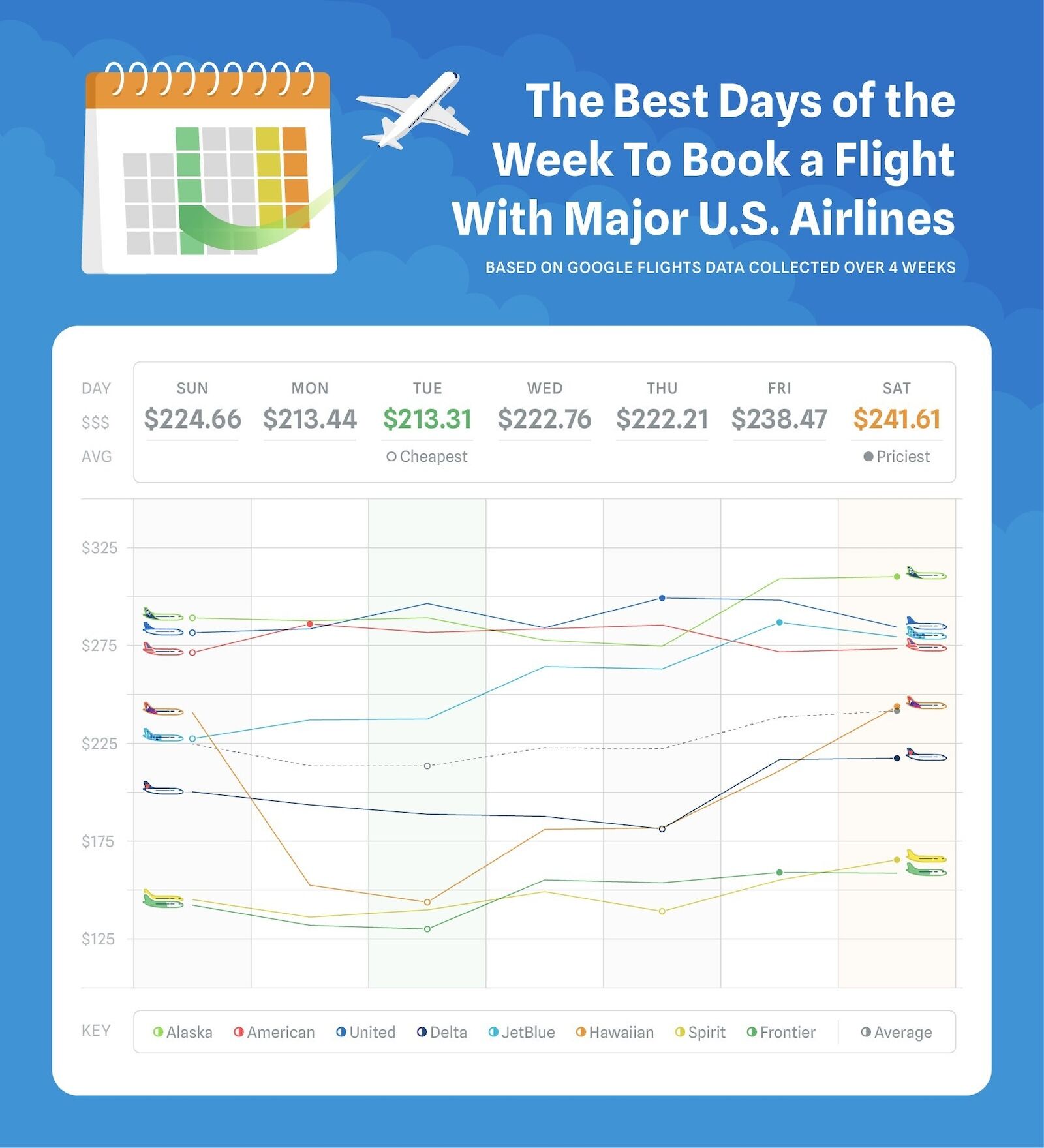
Historical data once showed that airlines initiated sales on Monday nights, leading to competitors matching those prices by Tuesday morning. However, in an era of 24/7 automated pricing, this is no longer a hard rule. Instead of focusing on the day of the week you buy the ticket, personal finance experts suggest focusing on the day of the week you fly.
Statistically, Tuesday and Wednesday remain the cheapest days to actually fly. Because demand is lower mid-week, the baseline prices are lower. When it comes to the act of purchasing, recent data suggests that Sundays can often yield lower prices for domestic flights, as airlines adjust their weekend inventories. However, the variation is often less than 5%, meaning your “booking window” is a much more powerful financial lever than the specific day of the week.
Domestic vs. International: Different Financial Rules
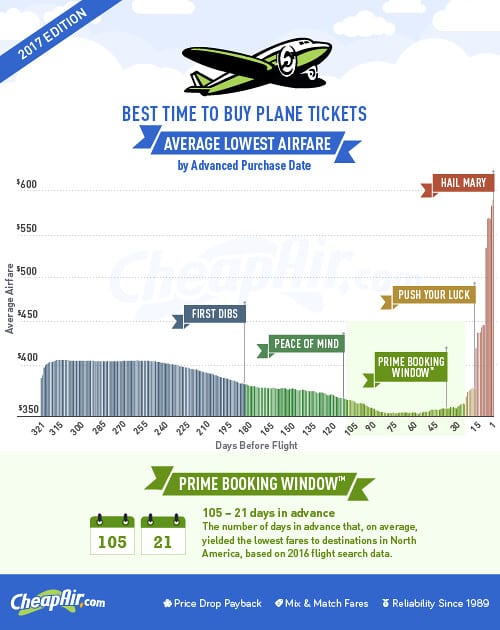
The financial strategy for a domestic flight differs significantly from international travel. For domestic flights, the “Goldilocks window” is typically between one and three months before departure. Purchasing too early (six months out) can be expensive because airlines haven’t yet felt the pressure to fill seats. Purchasing too late (under 21 days) triggers the “business traveler” price hike.
For international travel, the capital commitment needs to happen much earlier. To secure the lowest rates, the optimal window is usually three to seven months in advance. Because international flights involve higher operational costs and higher demand for specific “bucket list” dates, the prices rarely drop as the departure date nears. From a personal finance perspective, international travel should be planned and funded as a long-term capital expenditure.
Leveraging Financial Tools and Digital Assets for Maximum Savings
In the modern era, you don’t have to do the math yourself. A variety of financial tools and apps can help you monitor the “market” for airline tickets, ensuring you buy at the bottom of the price curve.
Price Tracking Apps as Personal Finance Assistants
Tools like Google Flights, Hopper, and Kayak function as financial advisors for your travel spending. These platforms use “big data” to predict whether a fare will rise or fall. By setting up price alerts, you are essentially “limit ordering” your travel. Instead of checking prices every day—which is an inefficient use of your time—you allow the technology to notify you when the price hits your target threshold. This disciplined approach prevents emotional buying and ensures you are making a data-driven financial decision.
Credit Card Rewards and Point Arbitrage
One of the most effective ways to lower the “net cost” of a flight is through the strategic use of credit card rewards. In the world of personal finance, this is known as “travel hacking” or point arbitrage. By using cards that offer high multiples on travel spending (such as the Chase Sapphire Reserve or the American Express Platinum), you can earn points that can be redeemed for future travel.
The real financial win occurs when you transfer these points to airline partners. For example, a flight that costs $1,000 might be available for 50,000 miles. If you earned those miles through a sign-up bonus or regular spending, your effective “out-of-pocket” cost is significantly reduced. This turns your daily expenses into a “sinking fund” for your travel, effectively hedging against future price increases in the airline industry.
Strategic Consumer Behavior: Seasonal and Occasional Considerations
Your personal finance strategy must also account for the seasonality of the travel market. Just as you wouldn’t buy a winter coat in December if you wanted the best price, you shouldn’t book a flight to Europe for July during the peak of the spring booking season.
The Cost of Convenience: Weekend vs. Weekday Travel
The most expensive commodity in the travel world is convenience. Flights that depart on Friday afternoon and return on Sunday evening are consistently the most expensive because they cater to the standard 40-hour workweek. To optimize your travel budget, you must be willing to trade convenience for capital.
Flying on “off-peak” days—such as a Saturday morning or a Tuesday afternoon—can often save 20-40% on the ticket price. Over the course of a year, for a family of four, this behavioral shift can result in thousands of dollars in savings, which can be redirected into an emergency fund or an investment portfolio.
Managing Holiday Travel Expenses
Holiday travel is a unique financial challenge. During Thanksgiving or Christmas, demand is so high that traditional “cheap days” often disappear. In these scenarios, the best financial strategy is “extreme advance booking.” While you might find a deal for a random trip in October by waiting for a price drop, you will almost never find a “last-minute deal” for December 23rd. For these high-demand periods, the cheapest day to buy is usually the day the flights are first released, typically 330 days in advance.
Long-term Financial Planning for Frequent Travelers
Ultimately, the question of “what day is cheapest” should be part of a larger conversation about how travel fits into your overall financial life. Instead of viewing travel as a series of sporadic, expensive events, it should be managed with the same rigor as an investment account.
Building a Travel Sinking Fund
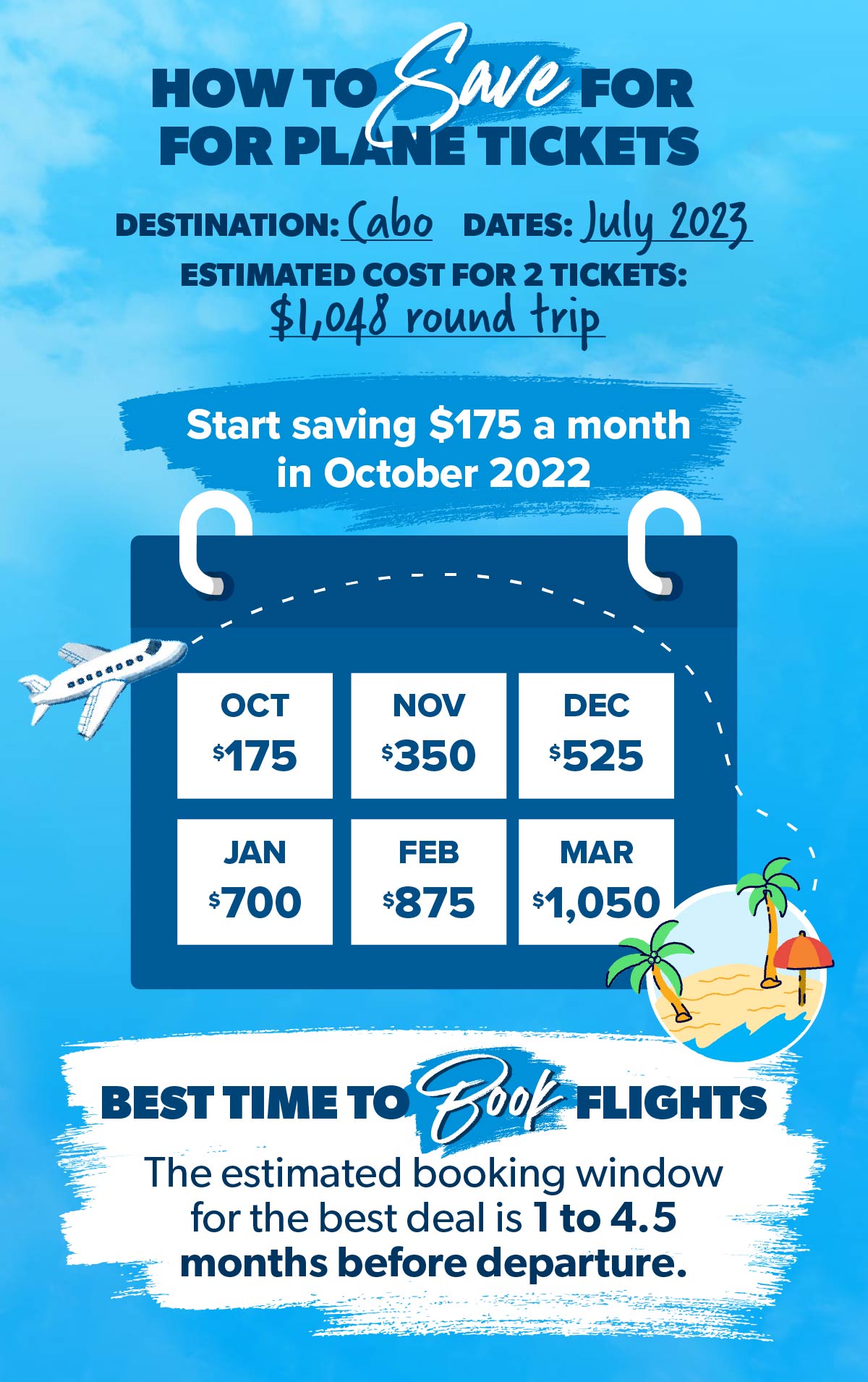
A “sinking fund” is a strategic way to save for a specific expense over time. By calculating your expected annual travel costs and dividing that by twelve, you can set aside a fixed amount each month. This removes the “sticker shock” of booking a flight and allows you to pull the trigger the moment a price tracking app alerts you to a low fare. Having the cash ready means you never have to carry travel debt on a high-interest credit card, which is the ultimate win for your personal finances.
The Opportunity Cost of Last-Minute Bookings
Every dollar spent on an overpriced, last-minute flight is a dollar that isn’t being invested in the stock market or paying down a mortgage. This is the “opportunity cost.” By mastering the timing of airline ticket purchases—focusing on booking windows, mid-week travel, and leveraging financial tools—you aren’t just saving money on a flight; you are increasing your overall net worth.
In conclusion, while there may no longer be a “magic Tuesday,” there is a clear financial methodology for securing the cheapest airline tickets. It requires a combination of early planning, the use of automated financial tools, and a willingness to prioritize budget optimization over travel convenience. By treating airfare as a market to be timed rather than a random expense to be endured, you can significantly reduce your travel spend and enhance your long-term financial health.
aViewFromTheCave is a participant in the Amazon Services LLC Associates Program, an affiliate advertising program designed to provide a means for sites to earn advertising fees by advertising and linking to Amazon.com. Amazon, the Amazon logo, AmazonSupply, and the AmazonSupply logo are trademarks of Amazon.com, Inc. or its affiliates. As an Amazon Associate we earn affiliate commissions from qualifying purchases.